In This Article
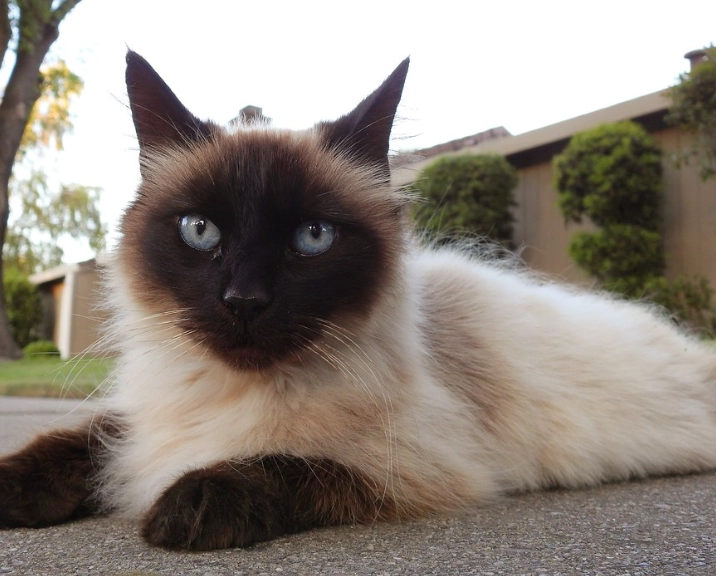
So you've brought home this gorgeous, fluffy ball of serenity with those stunning blue eyes. That's a Himalayan cat for you. Pure charm. But now you're probably wondering, sitting there with your purring friend on your lap, just how many years of this wonderful companionship you can look forward to. How long do Himalayan cats actually live? It's a question that sits in the back of every caring owner's mind.
Let's cut to the chase. The typical Himalayan cat lifespan ranges from 9 to 15 years. That's the average window. But here's the thing I've learned from talking to breeders and vets – and from my own experience with a stubborn old boy named Smokey who made it to a grand 17 – that number isn't set in stone. It's more of a starting point. I've seen some pass away too young from unexpected issues, and others, like Smokey, become dignified, slow-moving elders who rule the house well into their late teens.
The difference between a lifespan at the lower end of that range and one at the upper end often comes down to a mix of genetics, sheer luck, and most importantly, the care they receive. This isn't just about feeding them; it's about understanding the unique blueprint of this beautiful breed.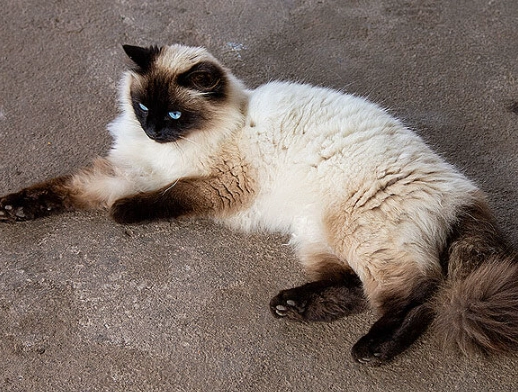
What Really Drives a Himalayan Cat's Lifespan?
It's tempting to look for one simple answer, but a cat's life is woven from many threads. For Himalayans, their Persian ancestry gifts them with a sweet, placid temperament but also passes along some specific health predispositions. Their beautiful flat (brachycephalic) faces, long luxurious coats, and stocky build aren't just for looks – they directly influence their health needs.
Think of it this way: their lifespan is the final number, but it's the result of several key factors constantly interacting.
The Big Three: Genetics, Environment, and Healthcare
First up, genetics. This is the hand your cat is dealt. Responsible breeders test their breeding stock for known hereditary diseases common in Persians and Himalayans, like Polycystic Kidney Disease (PKD). Getting a kitten from a breeder who provides proof of these health clearances (from parents and grandparents) is like starting a race ten steps ahead. It doesn't guarantee a problem-free life, but it dramatically reduces the risk of certain early-onset tragedies. If you adopted a rescue, you're playing the genetic mystery game – which is fine, it just means being extra vigilant.
Then there's environment. This is where you have massive control. Is your Himalayan an indoor-only cat or does it have outdoor access? This is the single biggest environmental factor. The American Veterinary Medical Association strongly advocates for keeping cats indoors, and the data backs it up. Outdoor cats face threats from cars, predators, diseases from other cats, parasites, and toxins. An indoor Himalayan cat lifespan is almost always longer – we're talking potentially adding 5-8 years or more. My Smokey was strictly indoors, and I'm convinced that's a big reason he saw so many birthdays.
Finally, preventative healthcare. This isn't just going to the vet when your cat is sick. It's the boring, regular stuff: annual check-ups, vaccinations as recommended, parasite control, and most crucially, dental care. Dental disease is a silent killer; the bacteria from infected gums and teeth can spread to the heart, kidneys, and liver. A cat with chronic mouth pain also eats less, leading to other problems. Regular vet visits catch issues like the early stages of kidney disease or heart murmurs when they're most manageable.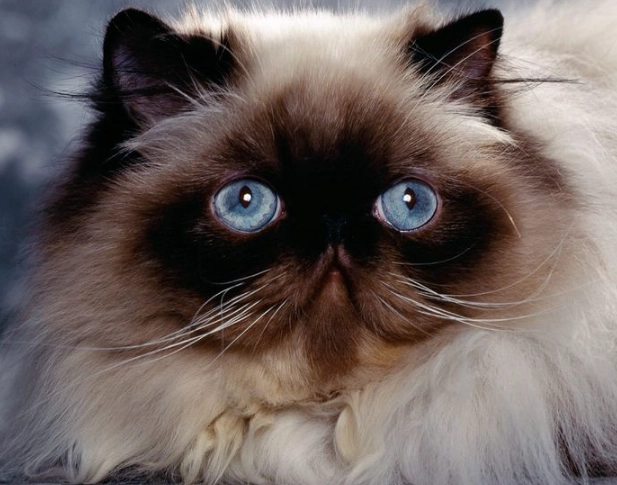
The Himalayan Health Checklist: Conditions That Can Shorten Their Lives
To protect their lifespan, you need to know what you're guarding against. Himalayans are prone to certain conditions. Being aware of them means you can spot early warning signs and discuss monitoring with your vet.
| Health Condition | How It Affects Lifespan | Early Signs to Watch For | Management & Prevention |
|---|---|---|---|
| Polycystic Kidney Disease (PKD) | Can lead to kidney failure, significantly shortening life if severe and early-onset. | Increased thirst/urination, weight loss, lethargy, poor appetite. Often shows in middle age. | Genetic testing of parents is key. Annual bloodwork (SDMA test) to monitor kidney values. Ensure plenty of fresh water. |
| Brachycephalic Airway Syndrome | Chronic oxygen stress can strain the heart. Severe cases limit activity and quality of life. | Loud snoring, noisy breathing even at rest, exercise intolerance, gagging, blue-tinged gums. | Keep cat at a healthy weight. Avoid stress and overheating. Surgery may help severe cases. |
| Progressive Retinal Atrophy (PRA) | Doesn't directly shorten life but leads to blindness, increasing risk of household accidents. | Night blindness first (bumping in dim light), dilated pupils, increasing clumsiness. | Genetic testing available. Keep home layout consistent, avoid moving furniture, block dangerous areas. |
| Hypertrophic Cardiomyopathy (HCM) | The most serious. Can cause sudden death or heart failure, drastically cutting life short. | Often none until crisis. Lethargy, rapid breathing, open-mouth breathing, hind leg paralysis. | Regular vet checks for heart murmurs. Echocardiogram (heart ultrasound) is definitive test. Breeders should screen. |
| Urinary Tract Issues (Crystals, stones) | Blockages are life-threatening emergencies. Recurrent issues stress the kidneys. | Straining in litter box, crying, frequent small urinations, blood in urine, licking genitals. | Feed high-quality, appropriate diet. Encourage water intake (fountains, wet food). Stress reduction. |
Looking at that table, HCM scares me the most. It's a thief that gives little warning. Asking your vet to listen carefully to your cat's heart every visit is a simple, non-negotiable step. If they hear even a subtle murmur, it's time for that ultrasound. The Cornell Feline Health Center has an excellent, clear resource on HCM that I've gone back to many times. It's technical but helps you understand what the vet is talking about.
A Stage-by-Stage Guide: Caring for Your Himalayan Through Life
A Himalayan's needs aren't static. What keeps a kitten thriving is different from what supports a stately senior. Let's break down their lifespan into chapters.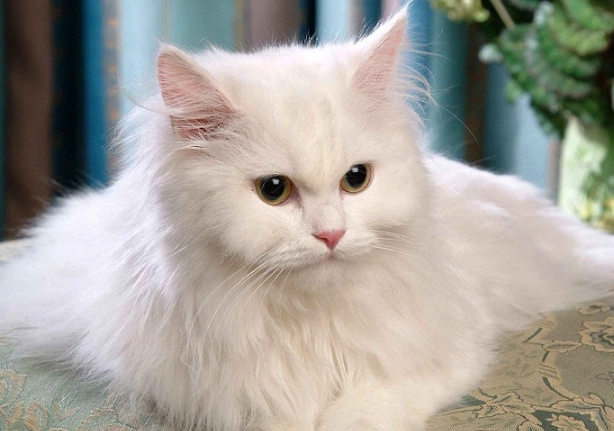
Kittenhood to Young Adult (0-2 Years)
This is the foundation phase. They're growing fast, learning, and full of (sometimes clumsy) energy. Focus on proper nutrition for growth, socialization, establishing routines for grooming and nail trimming, and completing their initial vaccine series. This is also the ideal time for spaying/neutering, which has health benefits. Get them used to being handled – paws, mouth, ears – it makes future vet visits and grooming so much easier. I failed a bit here with Smokey; he was a rescue already past this stage and set in his ways.
Prime Adulthood (3-7 Years)
They've settled into their personality. This is often the healthiest, most stable period. The goal is maintenance and prevention. Annual vet check-ups are crucial. Monitor their weight closely – it's easy for these laid-back cats to become obese, which puts stress on every system. Keep their diet high-quality and portion-controlled. Dental care becomes paramount. This is also when the earliest signs of genetic conditions like PKD might start to appear on bloodwork.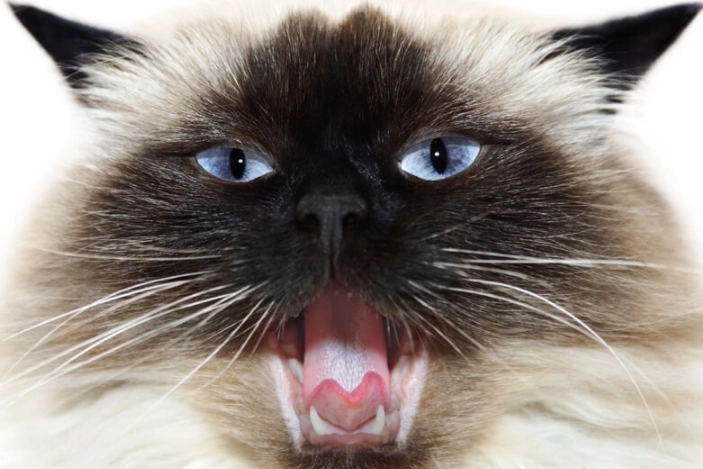
Mature to Senior (8-12 Years)
Welcome to the senior years. Around age 8-10, your vet might recommend switching to senior-specific blood panels, which check more thoroughly for kidney, thyroid, and liver function. Arthritis can start to creep in – watch for reluctance to jump, stiffness, or changes in litter box habits (high sides may become hard). Provide steps to their favorite perches. Their metabolism slows, so adjust food portions again. Grooming might need more help from you as they become less flexible. This is when attentive care really pays dividends for their quality of life and overall Himalayan cat life expectancy.
Geriatric (13+ Years)
Every year past 12 is a gift. Care becomes more about comfort and managing age-related conditions. Biannual vet visits are wise to catch changes quickly. Appetite may wane; warming food or offering more palatable options can help. Kidney disease is a common concern in older cats of all breeds. Provide easy access to everything – food, water, litter boxes (low-entry, placed on every floor). Their world may get smaller, but it should be filled with soft beds, gentle affection, and patience. Cognitive decline can happen, similar to dementia. They may vocalize more at night or seem disoriented.
Watching Smokey navigate his geriatric years was a lesson in patience and adaptation. We had a litter box on every floor, his food bowl was raised to ease neck strain, and his favorite sunbeam spot had a memory foam bed. He slept more, played less, but his purr was just as deep.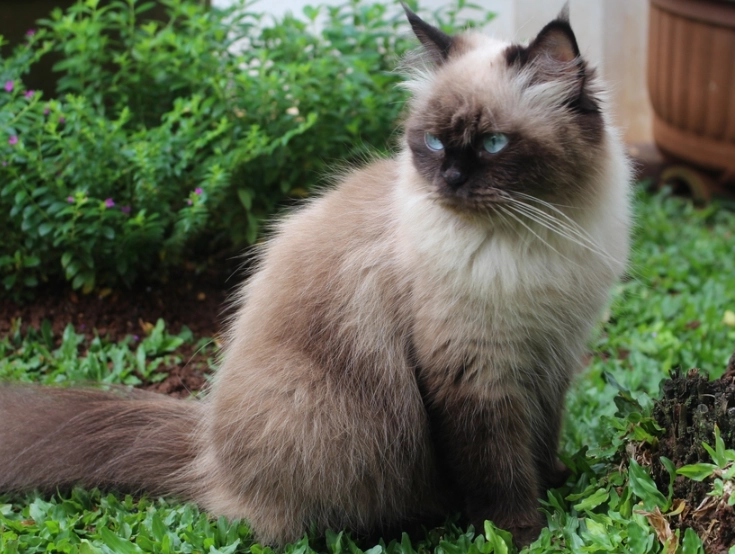
Your Action Plan: Practical Tips to Maximize Those Years
Knowledge is one thing, action is another. Here’s your to-do list, distilled from advice vets give and what experienced owners swear by.
Diet is Non-Negotiable. You are what you eat, and so is your cat. Feed a high-quality, protein-rich food appropriate for their life stage. For Himalayans, some vets recommend diets that support urinary health and are not excessively high in minerals that can form crystals. Obesity is a huge lifespan-shortener. Feel their ribs – you should be able to easily feel them under a thin layer of fat. If you have to press, they're overweight.
Master the Grooming Ritual. That glorious coat mats easily. Mats pull the skin, are painful, and can hide skin infections. Daily brushing is ideal. Not only does it prevent mats, it's bonding time and allows you to check for lumps, bumps, or sores. Don't forget eye cleaning – their tear ducts can be crooked due to their face shape, leading to tear staining. Gently wipe the corners daily with a soft, damp cloth.
Create an Enriched, Safe Indoor World. Since we're keeping them indoors for a longer Himalayan cat lifespan, we owe them an interesting life. Vertical space is cat space. Cat trees, window perches (with secure screens!), and shelves let them survey their kingdom. Interactive toys, puzzle feeders, and regular play sessions mimic hunting and keep their mind and body active. Rotate toys to keep things fresh.
Stress is a Silent Killer. Cats are creatures of habit. Sudden changes, loud noises, or conflict with other pets can cause chronic stress, suppressing the immune system and exacerbating conditions like urinary issues. Provide hiding places, use pheromone diffusers (like Feliway) if needed, and introduce changes slowly.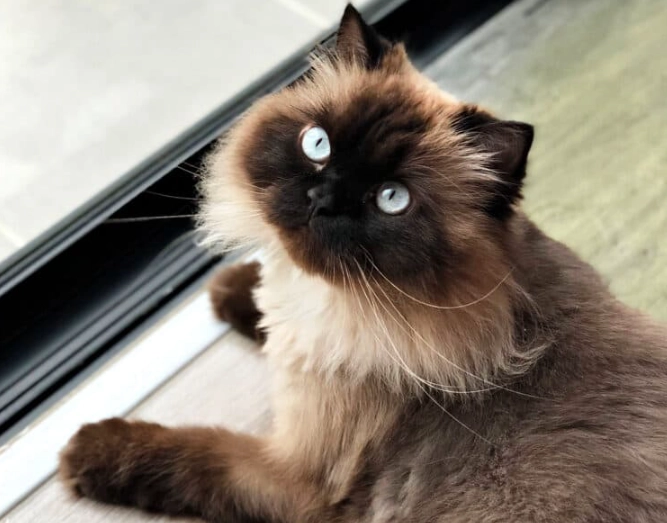
Answering Your Burning Questions
The Final Word
At the end of the day, the Himalayan cat lifespan isn't just a number you hope for. It's a story you co-write with your cat, day by day, through the choices you make. You can't control their genetics, but you control their environment, their diet, their healthcare, and the love and attention you give them.
It's about the daily brush, the choice of a wet food over dry, the decision to keep them safely indoors, and the commitment to that annual vet visit even when they seem perfectly fine. It's about noticing the small things – is he drinking more? Is she hesitating before jumping onto the couch?
Smokey's 17 years were a blend of joy, frustration, expensive vet bills, and countless quiet moments of pure contentment. Was he a lot of work, especially at the end? Yes. Would I do it all again for those years? In a heartbeat.
Your Himalayan's lifespan is a journey. Start with the best information, partner with a good vet, and then just focus on giving them the best possible life, one day at a time. The years will take care of themselves.