What You’ll Find in This Guide
So, you're thinking about bringing one of these magnificent, furry giants into your home, or maybe you already have one purring on your lap right now. A question that nags at every potential and current Maine Coon owner is this: Do Maine Coon cats have health problems? It's a fair question. You're committing to a creature that could be with you for 12-15 years, maybe even longer. You want to know what you're signing up for.
Let's cut to the chase. The short answer is yes, like any purebred animal, Maine Coons are predisposed to certain health conditions. But—and this is a huge but—that doesn't mean every Maine Coon is a walking vetbill. Far from it. It means being an informed owner is your superpower. Knowing what to look for, how to prevent issues where possible, and when to sprint to the vet can make all the difference between a minor hiccup and a major crisis.
I've talked to breeders, spent too many hours reading veterinary studies (my browser history is a testament to that), and chatted with owners in online forums. The consensus? Awareness is everything. This guide isn't meant to scare you off. Think of it as your owner's manual, the one that should have come with the kitten.
The bottom line upfront: The most significant Maine Coon health problems are largely genetic. The big three you'll hear about are a heart condition called Hypertrophic Cardiomyopathy (HCM), hip dysplasia (yes, like in big dogs), and a neurological issue called Spinal Muscular Atrophy (SMA). There are others, but these are the headline acts. The good news is that responsible breeding and proactive care can massively influence your cat's health trajectory.
Breaking Down the Big Three: Common Genetic Health Issues
When people ask, "Do Maine Coon cats have health problems?", these are the conditions they're usually referring to. They're genetically linked, which means they can be passed down from parent to kitten. This is why screening parent cats is non-negotiable for ethical breeders.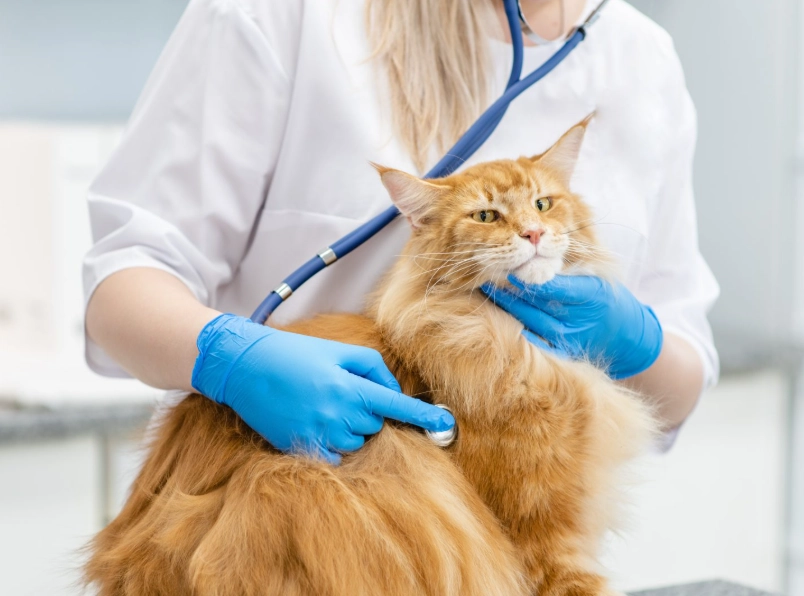
Hypertrophic Cardiomyopathy (HCM): The Heart of the Matter
This is the big one. HCM is a disease where the heart muscle thickens abnormally. A thickened heart is a stiff heart, and a stiff heart can't pump blood efficiently. It's the most common heart disease in all cats, but Maine Coons have a specific genetic mutation (in the MYBPC3 gene) that makes them susceptible to an inherited form.
What's tricky about HCM is that cats are masters of hiding illness. A cat with early HCM might show zero signs. None. They'll play, eat, and purr like nothing's wrong. Symptoms, when they finally appear, can be subtle and sudden: lethargy, rapid breathing (especially at rest), open-mouth breathing, or even sudden hind-leg paralysis due to a blood clot. That last one is an absolute emergency.
The gold standard for diagnosis is an echocardiogram (an ultrasound of the heart) performed by a veterinary cardiologist. A regular vet listening with a stethoscope might hear a heart murmur, but not all HCM cats have murmurs, and not all murmurs mean HCM. It's a bit of a detective game.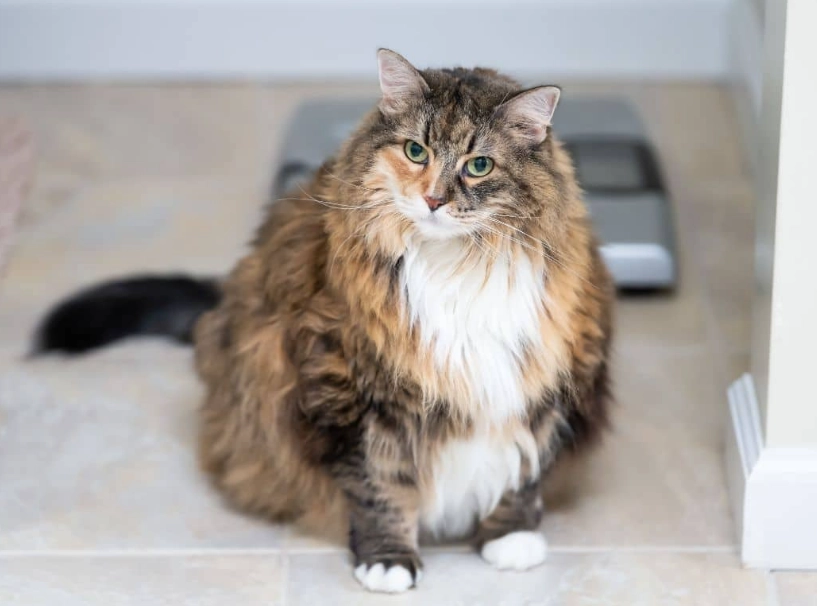
So, what can you do? If you're getting a kitten, ask the breeder for proof that both parents have been genetically tested for the MYBPC3 mutation and are clear/normal. Also, ask if they have recent echocardiograms (within the last year) showing normal heart walls. Genetic testing isn't a perfect guarantee—a cat can test clear but still develop HCM from other causes—but it drastically reduces the risk. For your adult cat, consider a baseline echocardiogram, especially if they come from an unknown background. Management, if HCM is found, involves medication to help the heart function and prevent clots, and regular monitoring.
Honestly, HCM worries me the most. It's silent until it's often not. But knowing it's a risk means you can be vigilant.
Hip Dysplasia: Not Just a Dog Problem
People are often surprised to hear this. We associate hip dysplasia with German Shepherds, not fluffy cats. But Maine Coons are a large, heavy-boned breed. Their hip joints—the ball and socket—don't develop properly. The socket is too shallow, and the ball is loose. This leads to instability, wear-and-tear arthritis, and pain.
Signs can be subtle: reluctance to jump, a wobbly or "bunny-hopping" gait when running, stiffness after resting, or even just being less active than a typical kitten. Some cats have significant dysplasia on X-rays but show minimal pain because cats are so good at compensating. Others are clearly uncomfortable.
Diagnosis is via X-rays. Treatment depends on severity. Weight management is CRUCIAL—every extra pound puts immense stress on those faulty joints. Supplements like glucosamine/chondroitin or omega-3 fatty acids can help support joint health. For severe pain, anti-inflammatory medications prescribed by your vet are an option. In worst-case scenarios, surgery like a femoral head ostectomy (FHO) or even a total hip replacement can be considered.
Again, screening is key. Reputable breeders will have their breeding cats' hips evaluated and scored by a veterinary radiologist through a program like the Orthopedic Foundation for Animals (OFA) or PennHIP. Choosing a kitten from parents with good hip scores gives you a much better starting point.
Spinal Muscular Atrophy (SMA)
This one is less common than HCM or hip issues but is specific to the breed. SMA is a genetic disorder that affects the nerves controlling the muscles in the trunk and limbs. Kittens with SMA appear normal at birth but develop a characteristic swaying gait and muscle weakness by 3-4 months of age. They have trouble jumping and may stand with a distinct, odd posture.
Here's the thing about SMA: it's non-fatal and non-painful. Affected cats live normal lifespans but have limited mobility. They are happy, purring creatures who adapt wonderfully to life on the ground. They just shouldn't be allowed outdoors or on high furniture where a fall could injure them.
Because it's caused by a simple recessive gene, it's easily preventable through genetic testing of parent cats. A responsible breeder will test for this and only breed cats that are clear. If you're looking at a kitten, the breeder should be able to provide the SMA genetic test results for the parents, guaranteeing the kittens won't inherit it.
Pro Tip: When researching breeders, "health tested" should mean specific, verifiable tests: HCM genetic (MYBPC3) + echocardiogram, OFA/PennHIP hip scores, and SMA genetic test. Certificates or registration numbers you can look up yourself are best. A vague "the vet said they're healthy" isn't enough.
Other Health Considerations for Maine Coons
Beyond the genetic big three, there are other health quirks that tend to pop up more often in Maine Coons. These aren't necessarily doom and gloom, just things to keep on your radar.
Polycystic Kidney Disease (PKD)
This is more famously associated with Persian cats, but because of some outcrossing in the past, the gene can occasionally appear in Maine Coons. PKD causes fluid-filled cysts to develop in the kidneys, eventually leading to kidney failure. It's detectable via an ultrasound, and there is a genetic test. Good breeders test for it to eliminate it from their lines.
Dental Issues
Maine Coons can be prone to gingivitis and periodontal disease. Those big, beautiful jaws need care. I've found that starting a tooth-brushing routine early (with cat-specific toothpaste, never human stuff) is a game-changer. If your cat hates the brush, dental treats, water additives, or prescription dental diets can help. Regular vet check-ups should include a peek in the mouth.
Obesity
This is a huge one, and it's largely under our control. A fat Maine Coon is a Maine Coon at high risk for a cascade of problems: worsening hip dysplasia, diabetes, arthritis, liver disease, and putting extra strain on a heart that might already be predisposed to issues. They are big cats, but there's a difference between big-boned and obese. You should be able to feel their ribs easily with a slight fat covering, and they should have a visible waist when viewed from above.
Portion control is vital. Don't just free-feed a giant bowl of kibble. Measure their meals based on their ideal weight, not their current weight, and adjust for activity level. Play with them! A lazy Maine Coon is a packing-on-the-pounds Maine Coon.
Urinary Tract Issues
While not exclusive to the breed, some Maine Coons can be prone to urinary crystals or cystitis. Ensuring they drink plenty of water is key. I'm a big fan of water fountains, as many cats prefer moving water. Incorporating wet food into their diet significantly increases their moisture intake, which is great for urinary and kidney health.
I made the mistake of free-feeding dry food with my first big guy. He ballooned up, got lethargic, and his grooming suffered. Switching to scheduled, measured meals of a high-quality wet food mix made him more active, his coat glossier, and helped him shed those extra pounds. It was a lesson learned the hard way.
Your Action Plan: Prevention and Proactive Care
Okay, so we've talked about the problems. Let's talk solutions. This is where you take control. Asking "Do Maine Coon cats have health problems?" is step one. Step two is building a lifestyle that minimizes those risks.
| Health Area | Prevention & Early Detection Strategy | Action Items for Owners |
|---|---|---|
| Heart (HCM) | Genetic screening of parents, baseline echocardiogram | Choose a breeder who tests. Discuss a baseline echo with your vet at ages 1, 3, and then periodically. Monitor breathing rate at rest (less than 30 breaths/min). |
| Joints (Hip Dysplasia) | Parental hip scoring, weight management, joint supplements | Keep your cat lean. Provide low-entry litter boxes and steps to favorite perches. Ask your vet about joint support supplements early on. |
| Weight & Nutrition | Portion control, high-protein/moderate-fat diet, wet food inclusion | Use a kitchen scale to measure food. Choose foods with named meat as first ingredients. Limit high-carb treats. Engage in daily interactive play. |
| Dental Health | Regular brushing, dental check-ups, dental-specific products | Start brushing early. Use dental treats or toys. Schedule professional cleanings as recommended by your vet. |
| Overall Wellness | Regular veterinary check-ups, parasite prevention, indoor living | Twice-yearly vet visits for seniors, yearly for adults. Keep them indoors to avoid trauma, fights, and disease. |
Find a vet who is familiar with large breeds or has an interest in feline medicine. Don't be afraid to ask questions. You are your cat's advocate.
Red Flag Alert: If your Maine Coon is breathing with their mouth open at rest, is suddenly weak in the hind legs, or is crying out in the litter box, do not wait. These are potential emergencies (heart failure, saddle thrombus, urinary blockage) that require immediate veterinary care.
Answering Your Burning Questions (FAQ)
Let's tackle some of the specific questions that pop up in forums and searches. This is the stuff people really want to know.
Look, the internet is full of horror stories. It's easy to fall down a rabbit hole and convince yourself your cat is doomed. Don't do that. Most Maine Coons live long, happy, and relatively healthy lives. The goal here isn't to panic you; it's to empower you.
So, do Maine Coon cats have health problems? They can. But with a responsible breeder, a proactive care plan, a sharp eye for changes, and a great vet partnership, you are setting the stage for a wonderful, long companionship with one of the most amazing cat breeds out there.
It's about being prepared, not scared.
Go enjoy your gentle giant.