Quick Guide to This Article
So you've seen a picture online. A stunning cat with the elegant, muscular build and large ears of an Abyssinian, but covered in what looks like pure, snow-white fur. Your first thought might be, "Wait, is that even real?" I had the exact same reaction when I first stumbled across the term "white Abyssinian cat." It sends you down a rabbit hole of forum debates, conflicting breeder websites, and gorgeous, possibly photoshopped, images. Let's clear the air right from the start. The classic, universally recognized Abyssinian is not a white cat. If you walk into a cat show expecting a fluffy white cloud with an Aby face, you'll be looking at the wrong ring. But (and this is a big but), the story of color in this breed is way more fascinating than a simple yes or no.
It involves genetics, history, and some terminology that gets tossed around loosely. When people search for "Abyssinian cat white," they could be imagining a few very different things. Maybe they saw a light-colored Aby kitten. Perhaps it's an adult with a pale, creamy undercoat. Or, they might have encountered one of the incredibly rare and controversial cats that truly challenge the breed's color standards. My goal here is to walk you through all of it. We'll talk about what the cat associations say, what genetics are actually at play, and what caring for a light-colored Aby is really like. I've spoken to breeders, read through dense genetic studies from places like the UC Davis Veterinary Genetics Laboratory, and yes, even fallen for a few stunning photos myself.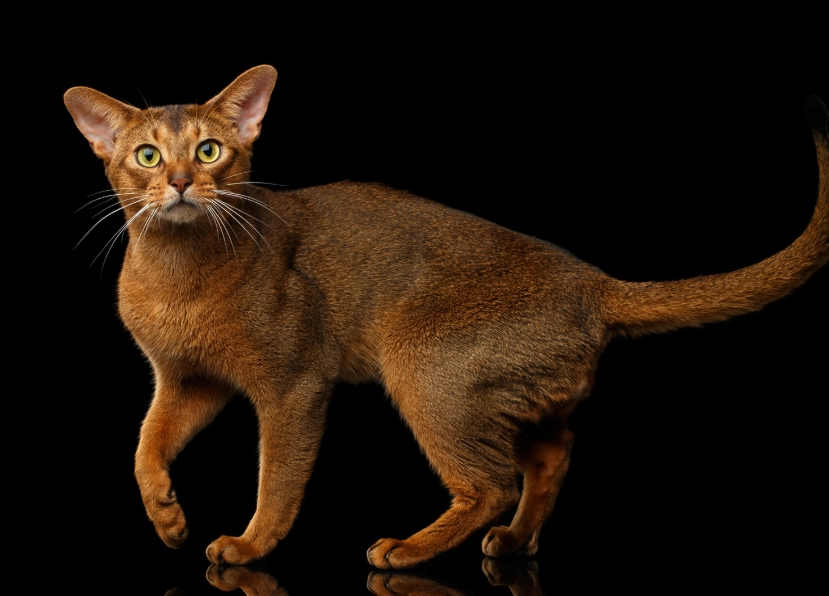
What Does "White" Really Mean for an Abyssinian?
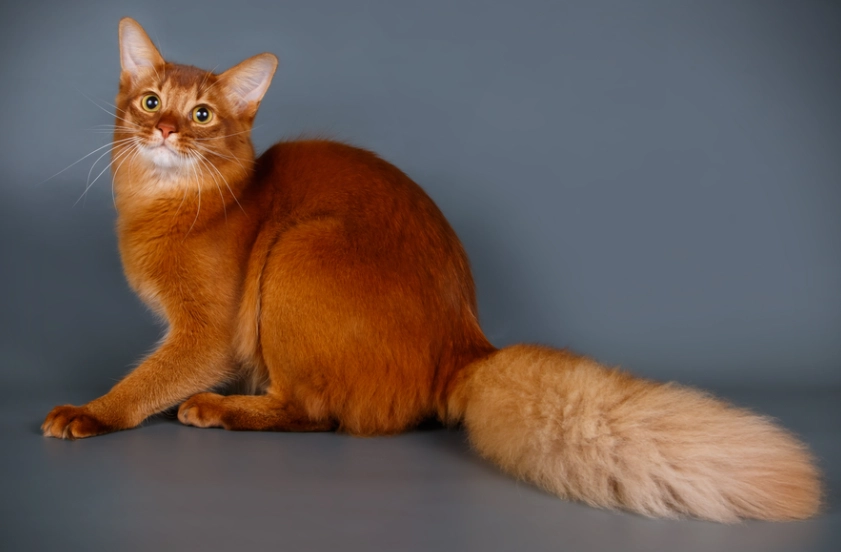
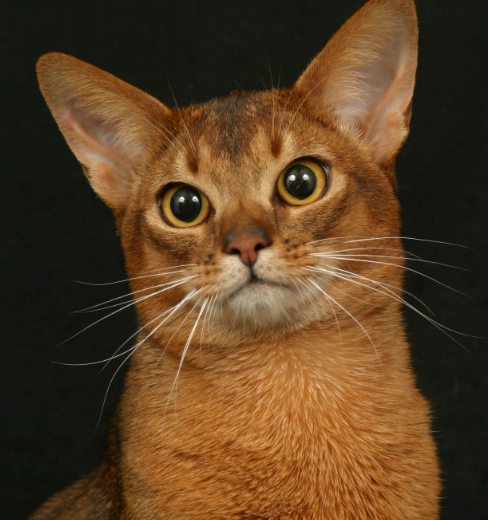
This is where we need to get our terms straight. In the strict, show-ring world governed by bodies like the Cat Fanciers' Association (CFA) and The International Cat Association (TICA), the Abyssinian breed standard lists specific, accepted colors. These are all agouti (ticked) tabby patterns, meaning each hair has bands of light and dark color. You have your Ruddy (usual), Red (or Sorrel), Blue, and Fawn. Notice a pattern? No solid white on that list.
So, is the search for a white Abyssinian cat a fool's errand?
Not entirely. When breeders and enthusiasts talk about a white or near-white Abyssinian, they are usually referring to one of two things:
- The "Dilute" Colors Taken to an Extreme: The Blue Aby is a diluted version of Ruddy, and Fawn is a diluted version of Sorrel. In some lines, selective breeding for paler and paler tones can produce cats that are a very light, creamy ivory. The ticking might be so subtle it looks almost white from a distance. This is probably the most common type of "white" Abyssinian cat you'll see in photos—a Fawn Aby with exceptionally low contrast.
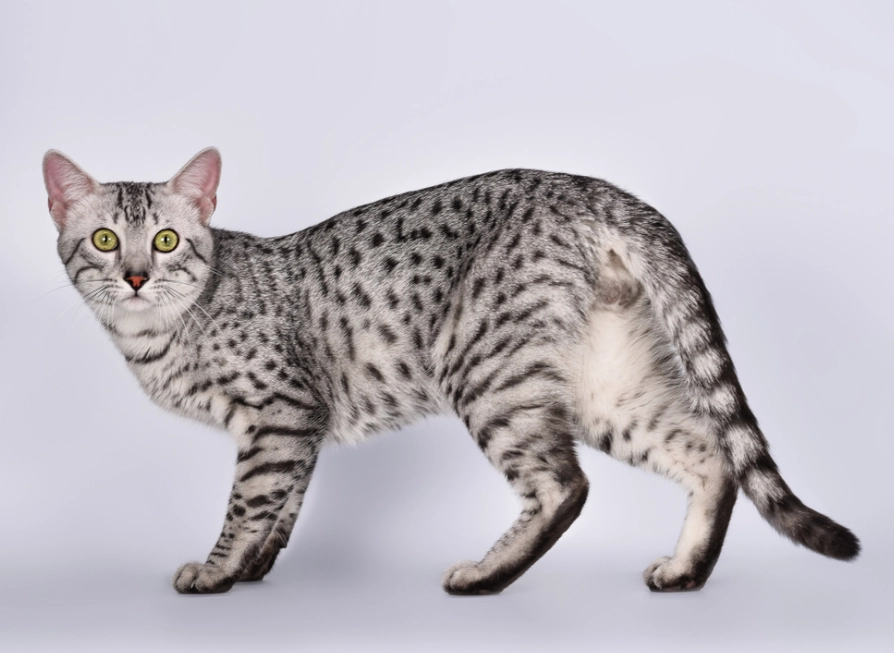
- The Controversial "Silver" Abyssinian: This is where it gets spicy. The silver gene inhibits the production of yellow pigment (pheomelanin), leaving only the black/grey pigment (eumelanin) on a stark white undercoat. In an Abyssinian, this can create a breathtaking effect: a pure white base coat with black or grey ticking. It looks silver, but the base is white. However, the silver gene is not accepted in the traditional Abyssinian breed standard by major associations like CFA. TICA does recognize the Silver Abyssinian as a separate category. So, a TICA-registered Silver Aby might be the closest thing to an officially recognized "white-based" Abyssinian cat. But purists will argue it's not a "true" Aby.
I remember chatting with a breeder who had a stunning Fawn female. In certain lights, she looked almost champagne. The breeder called her "our little ghost" because she was so pale. But up close, the delicate fawn-colored ticking was undeniable. That's the magic and the confusion right there.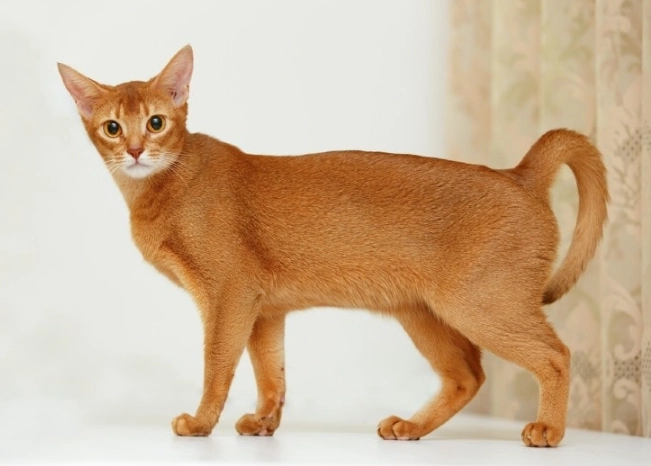
The Genetics Behind the Coat: Why True Solid White is Unlikely
Let's nerd out for a minute, but I promise to keep it simple. The Abyssinian's signature look is controlled by a specific gene (the agouti gene) that creates the ticked pattern. For a cat to be a solid, pure white from nose to tail, a completely different gene—the dominant white (W) gene or the white spotting gene—would need to be present. These genes essentially mask all other color and pattern genes.
There is no historical evidence that these genes exist in the authentic Abyssinian gene pool. Introducing them would mean outcrossing to another breed, which immediately disqualifies the cat from being a purebred Abyssinian in the eyes of most registries. So, a genetically solid white Abyssinian cat is, for all practical purposes, a myth or the result of mixed breeding.
What you're far more likely to find are those pale, diluted versions. The genetics for dilution (the 'd' gene) are naturally present in the breed. Two copies of the dilute gene turn black into blue, and cinnamon into fawn. Intensive selection for the lightest fawn can get you that elusive off-white appearance.
Accepted vs. Unrecognized Abyssinian Colors
This table breaks down where the "white" idea fits into the broader color spectrum of the breed.
| Color Name | Description | Status in CFA | Relation to "White" |
|---|---|---|---|
| Ruddy (Usual) | Warm burnt sienna ticking on orange/apricot base. | Fully Accepted | Not related. |
| Fawn | Light cocoa ticking on a warm ivory base. | Fully Accepted | The base coat can be a very light, creamy ivory—the closest accepted color to "white." |
| Silver (e.g., Black Silver) | Black ticking on a pure white undercoat. | Not Accepted | The undercoat is stark white. This is a true "white-based" Abyssinian cat, but it's non-standard for CFA. |
| Chocolate & Lilac | Variations of the core colors. | Not Accepted (in CFA) | Lilac, a diluted chocolate, can be very pale. |
| Solid White | All-white fur, no ticking. | Does Not Exist | A genetic impossibility in purebred lines. |
See that last row? That's the key takeaway. The quest for a white Abyssinian cat leads you not to a solid white cat, but to the palest expressions of Fawn or the striking, controversial Silvers.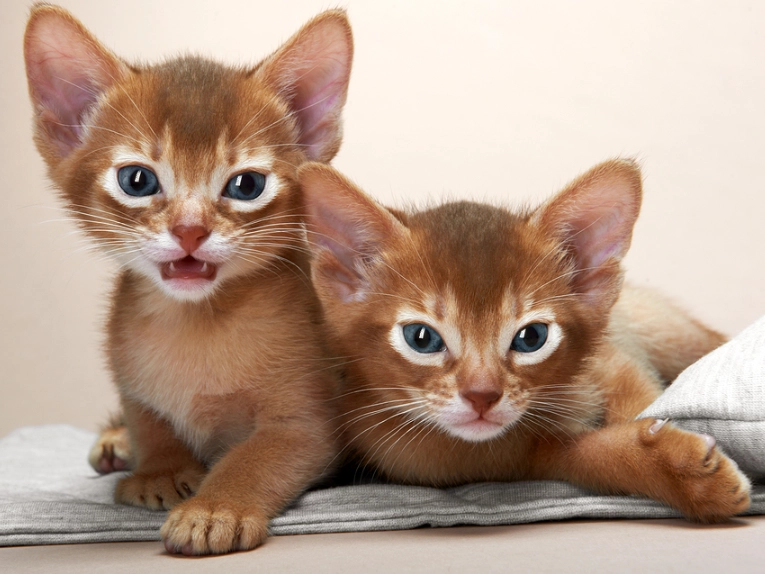
Caring for a Pale or "White" Abyssinian Cat
Okay, let's say you have, or are dreaming of, one of these pale beauties—a Fawn so light she glows, or maybe a stunning Silver. Does their lighter coat require special care? In some ways, yes. It's not just about aesthetics.
Their care is 95% standard Abyssinian care: they are energetic, intelligent, social butterflies who need lots of play, interaction, and vertical space. But that coat color adds a few nuances.
- Sun Exposure: This is a big one. A lighter coat, especially one with a white undercoat, provides less natural protection against UV rays. Just like fair-skinned humans, a very pale or white-based Abyssinian cat can be more prone to sunburn. Yes, cats can get sunburned, typically on the ears and nose. Chronic sun exposure can even lead to a type of skin cancer called squamous cell carcinoma. If your cat loves sunbathing by a window, consider applying a pet-safe sunscreen to their ears and nose, or use a window film that blocks UV rays.
- Tear Stains: Abyssinians are prone to mild tear staining anyway. On a pale or white face, those reddish-brown streaks under the eyes are much more noticeable. Regular, gentle wiping with a soft, damp cloth can help manage this. I found that keeping their face clean and ensuring their diet is high-quality (sometimes food allergies worsen staining) made the biggest difference with my own Aby.
- General Cleanliness: Dirt, dust, and even the natural oils in their skin can show up more easily on a light coat. You might find yourself wanting to give them a wipe-down with a grooming glove more often than you would with a ruddy Aby. It's not that they get dirtier; it's just more visible. Their coat still has that easy-care, short texture, but the color demands a slightly more attentive eye.
Honestly, the grooming isn't hard. It's just different. You become more aware of little things. The upside? Every single speck of lint or dust they pick up during their daily zoomies tells a story of their adventure. It's kind of charming, in a messy way.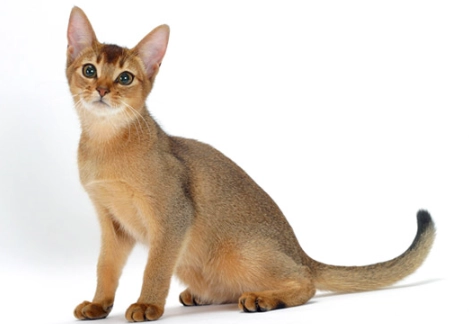
Finding and Choosing a Light-Colored Abyssinian
If your heart is set on a pale Fawn or a Silver, you need to adjust your search strategy. Don't just Google "white Abyssinian kittens for sale." That's a surefire way to find backyard breeders or scams.
- Target Reputable Breeders: Start with the breeder directories on the CFA and TICA websites. Look for breeders who specifically mention working with Fawn or Silver lines. Email them. Tell them you are interested in the lightest possible Fawn coloring or ask if they work with Silvers (if that's what you want). A good breeder will be happy to discuss their breeding goals and the colors they produce.
- Ask the Right Questions: Instead of asking "Do you have white ones?" ask: "What is the lightest Fawn you've produced in recent litters?" or "Can you describe the base coat color of your Fawn kittens?" Ask to see photos of the parents. The color of the parents is the best predictor of the kittens' final color.
- Understand Kitten Color Development: Abyssinian kittens are born dark. Their ticking develops over months. A kitten that will grow into a pale Fawn might still look quite dark at 12 weeks. You have to trust the breeder's assessment and the pedigree. A breeder who knows their lines can accurately predict the adult color.
- Prepare for Rarity and Possibly Higher Cost: Exceptionally pale Fawns or Silvers are less common. Breeders who specialize in these colors may have longer waiting lists, and the kittens may be priced higher due to their desirability and the selective breeding required. Please, don't let the unique color be the only reason you choose a breeder. Health testing, temperament, and ethical practices are infinitely more important.
I made the mistake once of prioritizing color over everything else when looking at a different breed years ago. I ended up with a beautiful cat with a host of health problems. Lesson painfully learned. The cat's personality and health will be with you for 15+ years; the initial "wow" of the color fades into normalcy after a few months.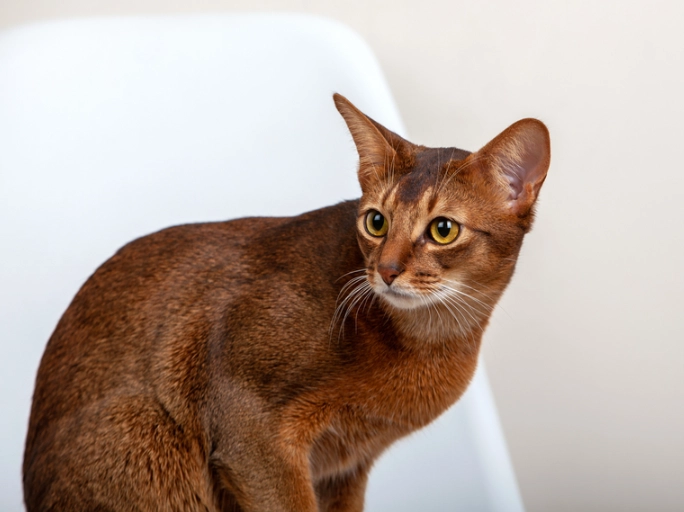
The Final Word: Appreciating the Spectrum
Chasing the idea of a white Abyssinian cat as a solid, snowy creature might lead to disappointment. But in doing so, you discover the incredible subtlety and range within this ancient breed. You learn about dilution genes, the drama of the silver gene, and the beauty of a warm ivory undercoat kissed with the faintest cocoa ticking.
Maybe the true appeal isn't in finding a mythical all-white Aby, but in appreciating the ones that flirt with the edge of the color spectrum. The Fawn that looks like morning fog, or the Silver that looks like moonlight on snow. These cats carry all the intelligence, loyalty, and chaotic energy of the Abyssinian, wrapped in an unusually pale package.
So, does the perfect white Abyssinian exist?
Not in the way you might first imagine. But the reality—the genetics, the care, the hunt for a reputable breeder—is so much more interesting than the myth. It connects you to the actual science and art of cat breeding. And when you finally bring home that active, affectionate kitten, whether it's a classic ruddy or a ghostly pale fawn, you'll realize the color was just the beautiful wrapping paper on the gift of their personality.
Focus on finding a healthy, well-socialized kitten from a breeder who loves the breed first and colors second. The rest—the awe of their unique shade, the routine of their care, the years of companionship—will follow naturally. That's the real secret, far beyond any single Google search for an Abyssinian cat white.