In This Article
- Where Did the Rosetted Bengal Cat Come From? A Dash of Wild Blood
- Decoding the Rosette: Not All Spots Are Created Equal
- The Rosetted Bengal Cat Personality: Expect the Unexpected
- Caring for Your Miniature Leopard: Health, Diet, and That Glorious Coat
- Rosetted Bengal Cat vs. Your Average House Cat: A Side-by-Side Look
- Finding Your Rosetted Bengal Cat: How NOT to Get Scammed
- Your Questions, Answered (The Stuff People Really Want to Know)
- Final Thoughts: Is a Rosetted Bengal Cat Right For You?
Okay, let's talk about the elephant in the room—or rather, the miniature leopard on the couch. You've seen the pictures. A cat that looks like it just wandered out of a jungle, with a coat covered in intricate, swirling spots that seem to shimmer. That's a Rosetted Bengal cat. It's not a wild animal, but it sure carries the ghost of one in its genes. I remember the first time I met one at a cat show. It wasn't just looking at me; it was assessing me. That's the Bengal for you.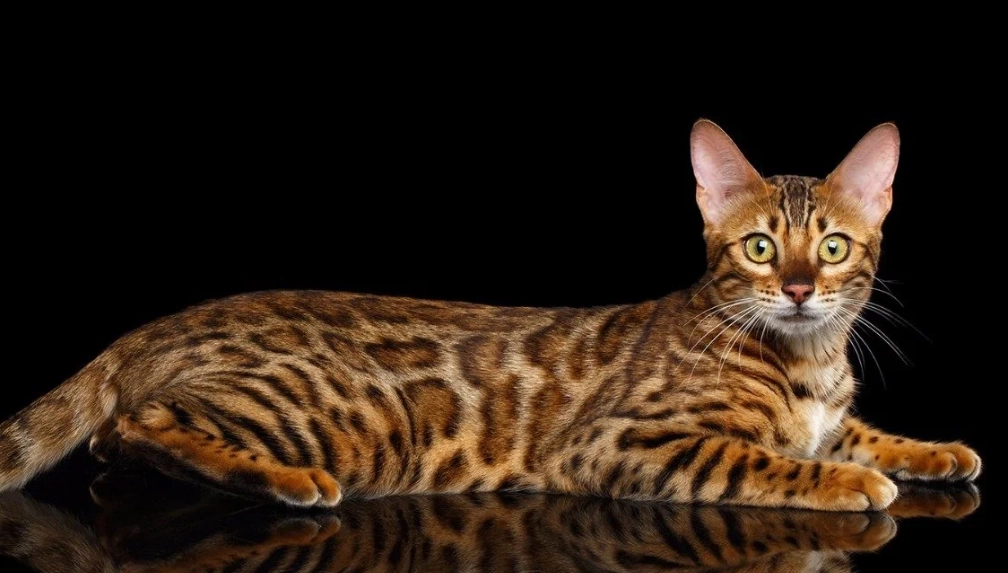
Forget what you know about typical domestic cats. A Bengal, especially one with those prized rosettes, is a different beast altogether. And I mean that in the best way possible. They're energetic, clever, and have a presence about them. But they're not for everyone. Over the years, talking to breeders and owners, I've heard the full spectrum—from "best pet I've ever had" to "it's like living with a tiny, furry tornado that knows how to open doors." So, what's the real story behind these stunning felines?
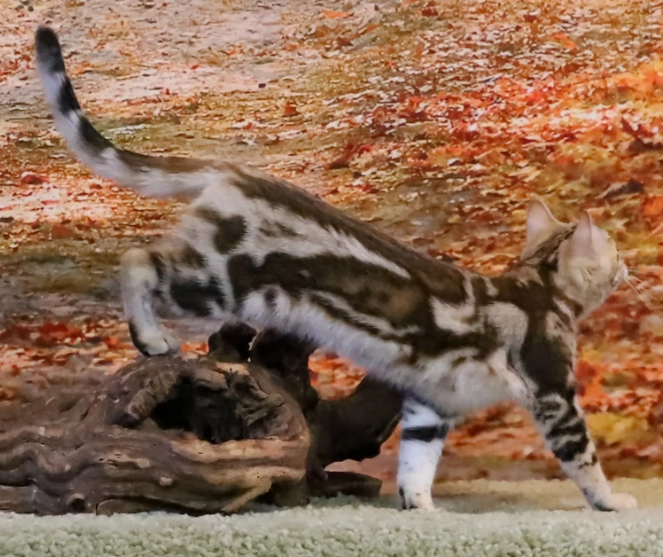
The Core Attraction: The rosetted pattern is what sets certain Bengals apart. It's not just spots; it's two-toned, donut-shaped markings with a darker outline and a lighter center, mimicking the coat of leopards, jaguars, and ocelots. This isn't an accident. It's the result of decades of careful breeding to capture a specific, wild aesthetic.
Where Did the Rosetted Bengal Cat Come From? A Dash of Wild Blood
The story starts in the 1960s with a geneticist named Jean Mill. She had a vision to create a domestic cat with the beautiful markings of the wild Asian Leopard Cat (Prionailurus bengalensis). That small, spotted wildcat is the foundation of the breed. Early crosses (called F1 and F2 generations) were, frankly, more wild than domestic. They could be skittish, difficult, and not exactly cuddly.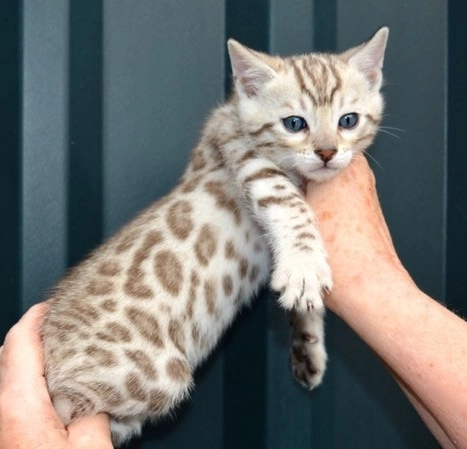
The real magic happened in subsequent generations. By breeding those early hybrids back to friendly, stable domestic cats (like Abyssinians, Egyptian Maus, and Ocicats), breeders worked to solidify the wild look while nurturing a reliable, sociable personality. The goal was always a cat you could live with, not just look at. The Rosetted Bengal cat is the pinnacle of this effort regarding coat pattern. The rosette is a trait that comes directly from that wild ancestry, but it took many generations to bring it out consistently and beautifully in a cat that also wanted to sleep on your bed.
It's crucial to understand this history. That dash of wild blood (legally, Bengals must be at least four generations removed from the wild ancestor to be sold as pets) explains a lot about their personality and needs. They're not mutated domestics; they're a deliberate blend.
Decoding the Rosette: Not All Spots Are Created Equal
So, you want a rosetted Bengal. Great. But did you know there are different types of rosettes? Breeders and cat associations like The International Cat Association (TICA) have specific terms for them. The quality and type of rosetting are a huge part of what makes a show-quality Bengal. For a pet, it's more about what you find beautiful, but knowing the terms helps you talk to breeders.
- Arrowhead Rosettes: These are my personal favorite. They're shaped like little arrowheads or elongated triangles. They look sharp, clean, and very wild.
- Donut Rosettes: The classic. A fully closed, circular outline with a distinct, contrasting center that's much lighter than the outline. A perfect donut rosette is like a work of art.
- Pawprint Rosettes: These look smudged or clustered, like a little pawprint. They're less defined but can create a really cool, textured effect.
- Clouded Rosettes: Large, blurred, and swirling. They almost run into each other, giving a marbled effect in a spotted cat. It's dramatic but not as crisp.

Ah, the glitter. Another signature Bengal trait. Many, but not all, Bengals have a coat that sparkles in the sunlight as if dusted with gold or pearl dust. It's caused by hollow, translucent hair shafts that reflect light. On a Rosetted Bengal cat, the glitter makes the rosettes look like they're lit from within. It's breathtaking. But here's a note: glitter is a polygenetic trait (influenced by many genes), so even two glittering parents can produce a non-glitter kitten. Don't buy a cat based on a promise of glitter.
The Rosetted Bengal Cat Personality: Expect the Unexpected
If you're looking for a cat that sleeps 20 hours a day and ignores you, you're in the wrong place. A Bengal's looks are matched by their energy. They are famously active, curious, and intelligent. Some might say too intelligent for their own good.
Let's break it down, good and... challenging.
The Awesome Stuff
They are incredibly engaging. A Bengal will follow you from room to room, not out of neediness, but out of interest. What are you doing? Can I help? (Their "help" often involves batting your pen off the desk). They are playful well into adulthood. Fetch isn't a dog game; many Bengals love it. They are often more tolerant of water than other cats—don't be surprised if one hops in the shower with you. And their loyalty? Once you're their person, the bond is intense. They'll greet you at the door, chirp at you, and demand to be involved in everything.
The Demanding Stuff
This energy needs an outlet. A bored Bengal is a destructive Bengal. They will find ways to entertain themselves, which can mean climbing your curtains, knocking things off shelves, or figuring out how to open cabinet doors. I've heard stories of Bengals learning to turn on faucets. They need mental stimulation daily. Puzzle feeders, clicker training, dedicated play sessions—this is non-negotiable.
They are also vocal. Not necessarily loud, meowy vocal, but chatty. They have a wide range of chirps, trills, and meows to comment on the state of the world (usually that their food bowl is half empty). Some people love this; others find it exhausting.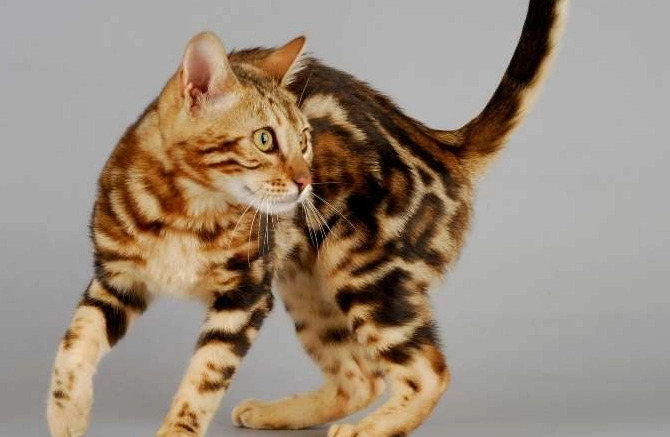
Straight Talk: A Rosetted Bengal cat is a commitment. They are not a low-maintenance pet. If you work 12-hour days and want a quiet apartment, this is not your cat. They thrive in active households where someone is around a lot, or with another playful pet (often another Bengal) for company. Getting one because they're "cool looking" is the fastest path to frustration for both you and the cat.
Caring for Your Miniature Leopard: Health, Diet, and That Glorious Coat
The good news? That stunning, wild coat of a Rosetted Bengal cat is surprisingly easy to care for. It's short, dense, and lies close to the body. A quick weekly brush with a rubber grooming mitt is usually enough to remove loose hair and distribute skin oils. They groom themselves meticulously, so baths are rarely needed unless they get into something messy.
Health Considerations: What to Watch For
Overall, Bengals are a robust breed. But like all purebreds, they can be predisposed to certain conditions. A responsible breeder will test for these.
- Hypertrophic Cardiomyopathy (HCM): This is a heart disease that thickens the heart muscle. It's the most common heart condition in cats, period. Reputable Bengal breeders screen their breeding cats with annual echocardiograms. Ask to see proof of HCM-negative status for the parents. The Cornell Feline Health Center has excellent resources on understanding HCM.
- Progressive Retinal Atrophy (PRA-b): A genetic eye disorder that can lead to blindness. A simple DNA test exists, and ethical breeders test for it. Don't buy from a breeder who doesn't.
- Patellar Luxation: A kneecap that slips out of place. It's usually mild in Bengals but worth mentioning.
Honestly, the biggest health issue I see with Bengals is obesity. They are so active that people often overfeed them, thinking they need the fuel. But once they mature and if their activity dips, they can pack on the pounds. A lean Bengal is a healthy Bengal.
Diet: Fuel for the Engine
These cats are athletes. They need high-quality, protein-rich food. Many Bengal owners and breeders swear by high-meat-content wet food or even a responsibly managed raw diet. The debate on raw feeding is fierce, so do your research. The key is avoiding high-carb, filler-heavy kibble. A poor diet can lead to a dull coat, low energy, and digestive issues. Talk to your vet, but be prepared for a Bengal to have a more sensitive stomach than your average moggie.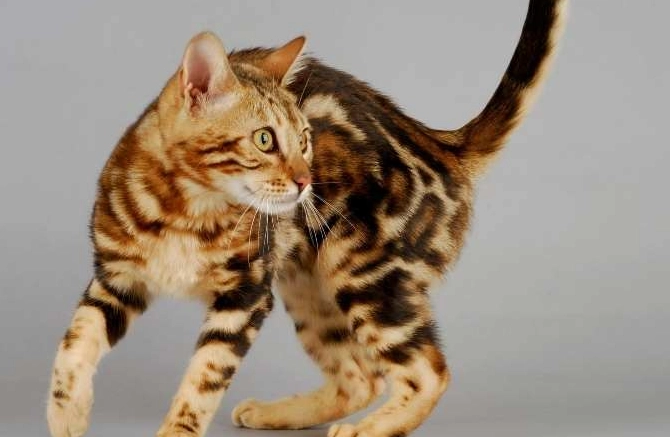
Pro Tip: Invest in a cat water fountain. Bengals, with their ancestral link to stream-side hunters, often prefer running water. A fountain encourages hydration, which is crucial for urinary tract health, especially if you feed dry food.
Rosetted Bengal Cat vs. Your Average House Cat: A Side-by-Side Look
Sometimes a table says it best. If you're on the fence, this might help.
| Trait | Rosetted Bengal Cat | Typical Domestic Shorthair |
|---|---|---|
| Energy Level | Extremely High. Needs dedicated playtime. | Moderate to High. Varies by individual. |
| Intelligence & Curiosity | Off the charts. Gets into everything, learns tricks. | Variable. Can be clever but often less driven. |
| Vocality | Very chatty. Communicates with chirps and trills. | Typically less vocal, standard meows. |
| Affection Style | Dog-like loyalty, follows you, interactive. | Independent to cuddly. Often enjoys lap time. |
| Grooming Needs | Very low. Weekly brushing suffices. | Low to Moderate. |
| Water Fascination | Common. May play with water, join you in shower. | Rare. Most cats avoid water. |
| Potential for Boredom/Destruction | Very High. Must have environmental enrichment. | Moderate. Can get bored but usually less destructive. |
Finding Your Rosetted Bengal Cat: How NOT to Get Scammed
This is the most important part. The popularity of the Rosetted Bengal cat has led to a flood of backyard breeders and outright scams. A well-bred, healthy, socialized Bengal kitten from tested parents can cost anywhere from $1,500 to $3,000+ depending on location, pedigree, and pattern quality. If a price seems too good to be true, it is.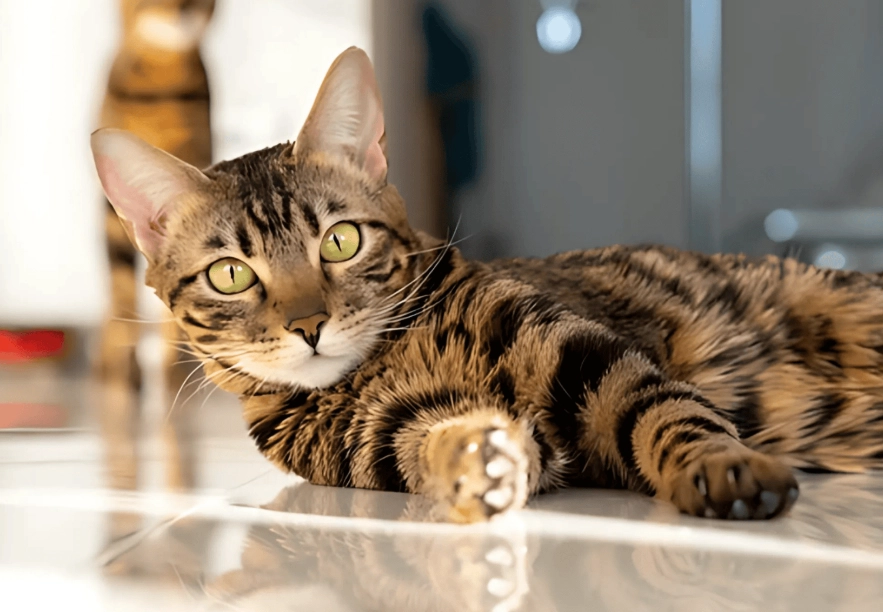
Red Flags to Run From:
- No health testing. The breeder cannot show you current HCM echo and PRA DNA test results for the parents.
- Kittens available always/immediately. Good breeders have waiting lists.
- Will ship a kitten without conversation. A good breeder will want to interview you as much as you interview them.
- Focuses only on "rare" colors like blue or charcoal. (The classic brown/spotted or rosetted is the standard). This is often a marketing ploy.
- Offers "teacup" Bengals. This is not a recognized size and often indicates unethical breeding for unhealthy traits.
Green Flags to Look For:
- The breeder is registered with a major association like TICA or Fédération Internationale Féline (FIFe).
- They raise kittens underfoot in their home, not in a cage or isolated room.
- They ask you probing questions about your home, lifestyle, and experience.
- They provide a detailed contract covering health guarantees, spay/neuter requirements, and a take-back clause (they will always take the cat back if you can't keep it).
- They encourage or require you to visit (or have a lengthy video call) to see the kittens and their environment.
- They are a wealth of knowledge and are happy to talk about the breed's challenges, not just the positives.
Your Questions, Answered (The Stuff People Really Want to Know)
Final Thoughts: Is a Rosetted Bengal Cat Right For You?
Look, I love these cats. There's nothing like the intelligence and presence of a well-bred Rosetted Bengal cat. Watching one move is like watching water flow—powerful and graceful. The first time your Bengal greets you with a chirp and leads you to its food bowl, you'll feel like you've made a real connection with another creature.
But I've also seen them returned to shelters or rehomed because people were seduced by the spots and unprepared for the reality. They are a handful. They demand time, engagement, and patience. They are not a decorative pet.
Are you ready for a 15-year commitment to an animal that might learn to turn on the TV? Can you provide the play and brain games? Can you ignore the impulse to buy from the first cute online ad and do the hard work of finding an ethical breeder?
If you answered yes, then welcome to the club. Your life is about to get a lot louder, messier, and infinitely more interesting. The journey to finding your perfect Rosetted Bengal cat is part of the adventure. Do it right, and you'll have a living piece of art and a phenomenal companion rolled into one incredible, spotted package.
Start by hitting the websites of TICA and FIFe to find breeder directories. Read, ask questions, and be patient. The right kitten is worth the wait.