Quick Guide to Egyptian Cats
Let's talk about Egyptian cats. I mean, the idea itself is pretty captivating, right? You picture a sleek, spotted feline lounging in a sun-drenched temple, looking like it knows secrets from a thousand years ago. The truth is, the term "Egyptian cat" can refer to a few different things, and it's easy to get confused. Are we talking about a specific modern breed? A type of cat from Egypt? Or just cats that look like they walked out of a hieroglyph?
I remember when a friend of mine got a kitten she was told was an "Egyptian Mau mix." The kitten was adorable, all legs and ears, with these huge green eyes. But as it grew, it looked less like the spotted cats in the paintings and more like... well, a very energetic standard-issue tabby. It made me realize how much mystery and marketing can be wrapped up in the idea of an Egyptian cat.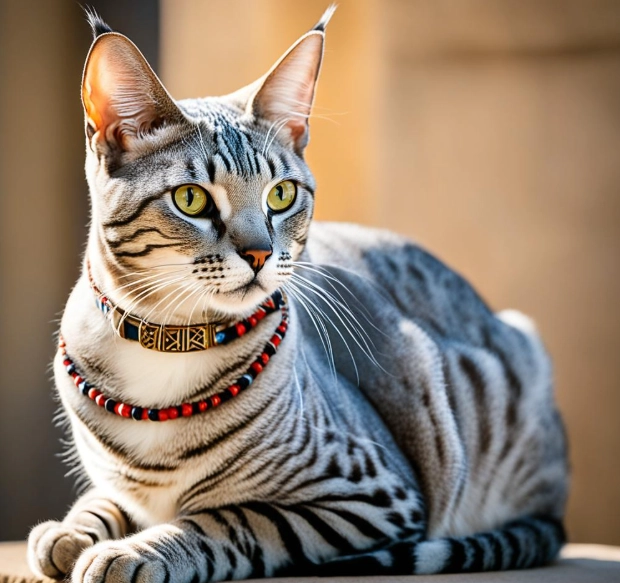
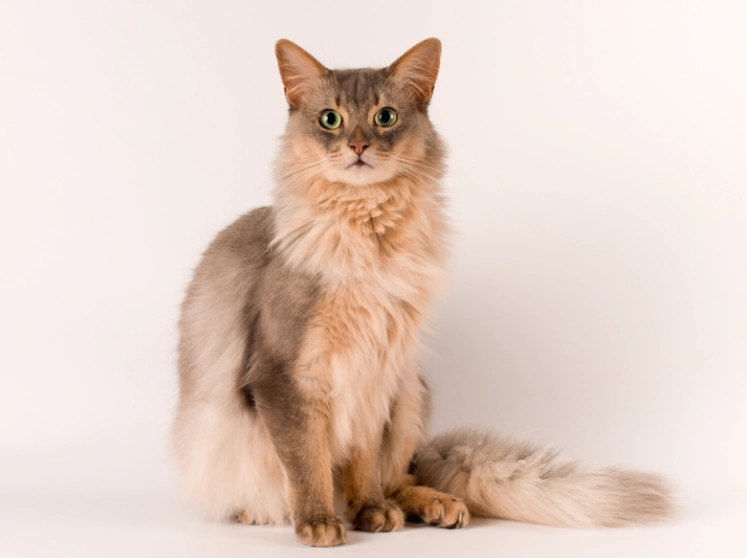
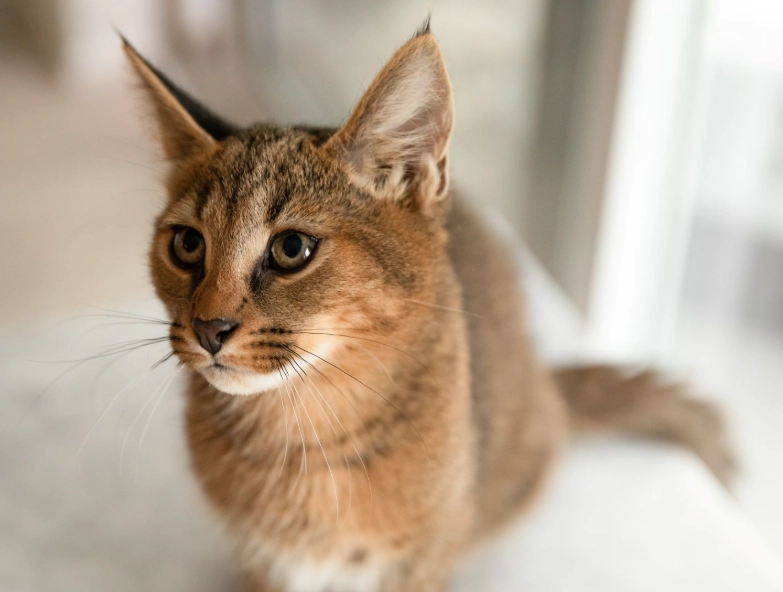
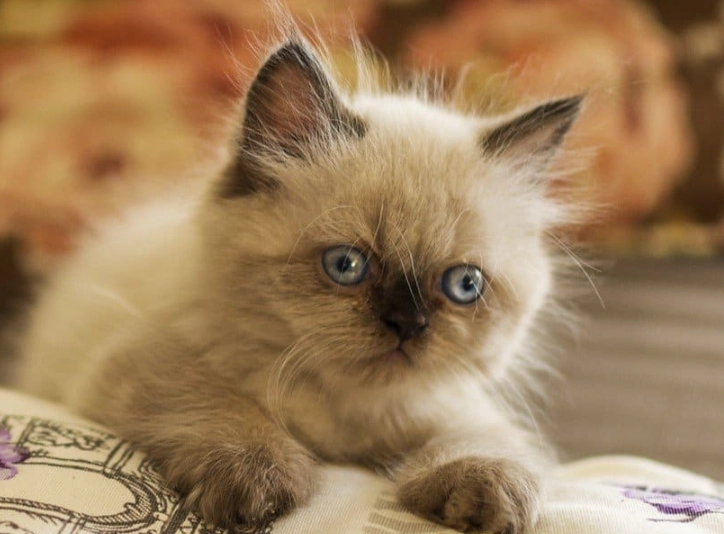
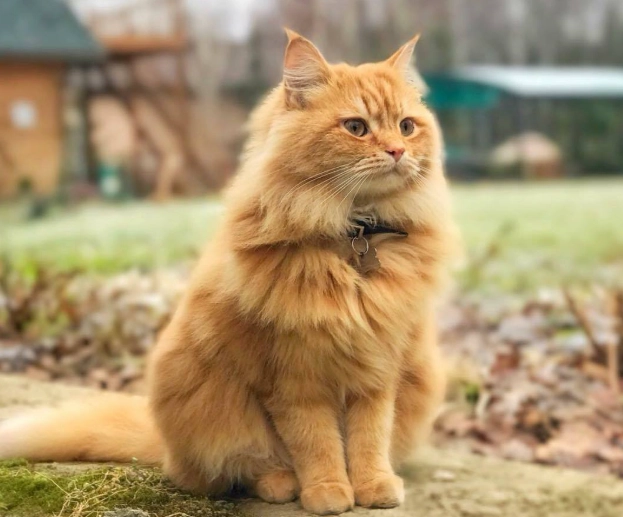
Quick Takeaway: When people say "Egyptian cat," they could mean: 1) The modern Egyptian Mau breed, 2) The hairless Sphynx cat (whose name references the Great Sphinx), 3) Any cat native to the streets of modern Egypt, or 4) The general idea of cats as they existed in ancient Egyptian society. It's a term loaded with history and a bit of romanticism.
Part 1: The Ancient Legacy - Cats in Egyptian History
You can't talk about Egyptian cats without starting with the ancients. This is where the whole fascination begins. In ancient Egypt, cats weren't just pets; they were woven into the fabric of religion, daily life, and the economy. They were protectors of grain stores from rodents, which made them invaluable for survival. From there, their status just kept rising.
The most famous feline deity was Bastet, who started as a lioness warrior goddess but eventually became depicted as a domestic cat or a woman with a cat's head. She represented home, fertility, childbirth, and protection. Her cult center was at Bubastis, and festivals held there were said to be some of the most raucous and popular in Egypt. Imagine thousands of people traveling by boat, singing and clapping, to celebrate a cat goddess. It gives you an idea of their importance.
Archaeology backs this up. We've found cat mummies by the millions. Not just of pampered pets, but likely votive offerings to Bastet. A study published on Nature.com discusses the scale of this practice and what it tells us about ancient beliefs. Laws protected cats, and harming one could lead to severe punishment. There's even a story (possibly exaggerated by the Greek historian Herodotus) that Egyptians would risk their lives in a burning building to save a cat.
It's funny to think about—the same animal that today might knock a cup off a table was once considered a direct link to the divine. It adds a whole new layer to living with a cat.
But here's a crucial point: What did these ancient Egyptian cats actually look like? They probably weren't the spotted "Maus" we think of today. Analysis of mummies and artwork suggests they were more likely lean, athletic cats with a "ticked" or mackerel tabby coat—stripes, not spots. They had long legs, large ears for dissipating heat, and a generally "foreign" body type (slender, not cobby).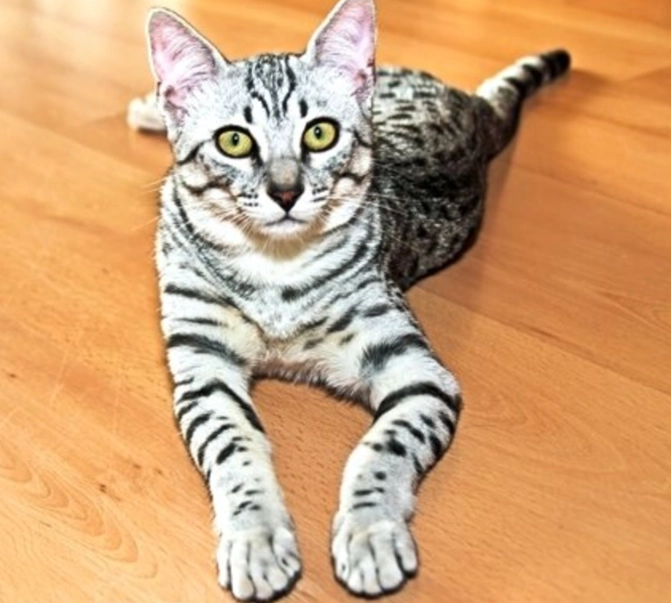
The DNA of History
Modern genetic studies have tried to trace the lineage of today's cats back to Egypt. Research, like that referenced by the American Association for the Advancement of Science (AAAS), indicates that the major expansion of domestic cats across the world likely happened from the Near East and Egypt via trade routes. So, while your cat might not be a direct descendant of a pharaoh's pet, its ancestors almost certainly walked along the Nile.
Part 2: Modern Breeds with an Egyptian Connection
This is where most of the confusion lies. People hear "Egyptian cat" and assume it's one breed. In reality, several modern breeds claim a link, but only one is formally called "Egyptian."
The Egyptian Mau: The Spotted Prodigy
The Egyptian Mau is the only naturally spotted domestic cat breed. That's its claim to fame. The word "Mau" is actually the ancient Egyptian word for cat. The breed's history is a bit murky. Some stories say the foundation cats were imported from Egypt in the 1950s by a Russian princess named Nathalie Troubetskoy. Others suggest the breed was developed more from European and North American stock.
Regardless of origin, the Mau is designed to *look* like the cats in the artifacts. They have:
- The Spots: Random, distinct spots on the torso. These are not just on the coat; the skin is also spotted.
- The "M": A scarab beetle marking on the forehead (part of the tabby pattern).
- The Mascara Lines: Dark lines from the corners of the eyes running along the cheeks.
- Gooseberry Green Eyes: A stunning, alert green color.
- A Unique Gait: Their back legs are slightly longer, giving them a sort of "tiptoe" appearance and incredible acceleration. They're famously fast.
Maus are known for being loyal, somewhat reserved with strangers, but deeply attached to their families. They can be quite vocal with a soft, melodic voice. They're not the most common breed, so finding a reputable breeder is key.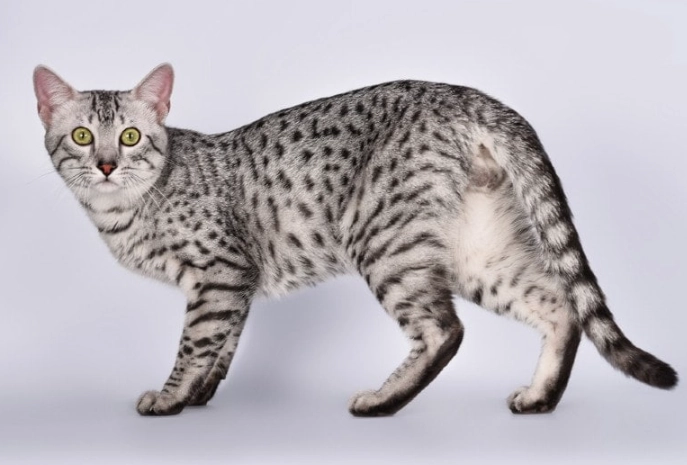
Thinking of a Mau? Be prepared for an active, intelligent cat. They need interaction and play. That stunning spotted coat is relatively easy to care for—just a weekly brushing. But be warned, they are heat-seekers and will claim the warmest spot in your house, which is often your lap.
The Sphynx: The Hairless Wonder
Ah, the Sphynx. No, it didn't originate in Egypt. The breed started in Canada in the 1960s from a natural genetic mutation for hairlessness. The name was chosen for its mystique and association with the ancient Egyptian Sphinx monument. It's a connection of image, not geography or direct lineage.
Owning a Sphynx is a unique experience. Without fur, they feel like warm suede. They have high metabolisms to stay warm, which means they eat more and are often very active and playful. Their lack of fur also means:
They need regular bathing (about once a week) to remove oil buildup on their skin. Their ears also need frequent cleaning. This is a high-maintenance cat in terms of grooming, contrary to what you might think. They are also not hypoallergenic, as allergies are usually to a protein in cat saliva, not the fur itself.
Personality-wise, they are often described as dog-like: extroverted, affectionate, and prone to following their people around. They hate being cold and will burrow under blankets. If you want a cat that demands cuddles for warmth, this might be your "Egyptian" cat.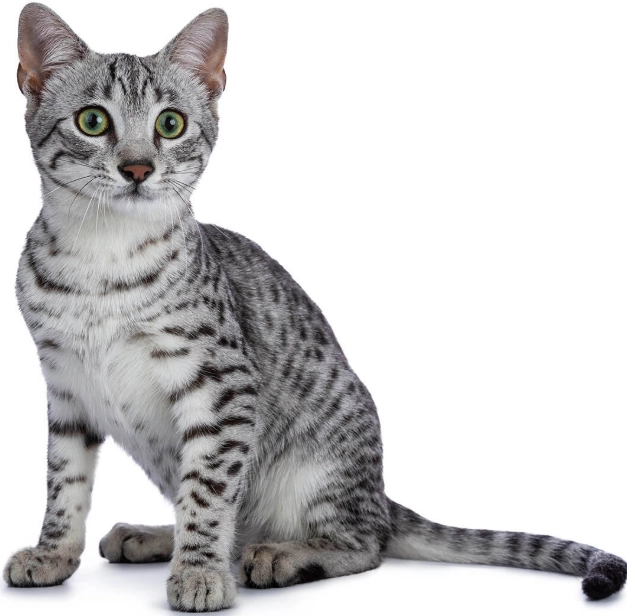
The Abyssinian: The "Bunny Cat"
The Abyssinian (or "Aby") is another breed often linked to Egypt due to its resemblance to the cats depicted in art and its "ticked" coat—each hair has bands of color, giving a warm, sandy appearance without clear stripes or spots. This coat is called "ticking" and is thought to resemble the pelt of a wild rabbit.
While the name suggests Ethiopia (Abyssinia), its true origins are debated. Genetically, it may have links to cats from the Indian Ocean region. Nevertheless, its elegant, muscular build and alert expression fit the ancient aesthetic perfectly.
Abys are incredibly active, curious, and intelligent. They are climbers and explorers. You don't own an Abyssinian; you provide an adventure park for one. They form strong bonds but on their own terms—they're more likely to be sitting *near* you, observing everything, than constantly in your lap.
So, we have three very different breeds.
One spotted, one hairless, one ticked.
All connected to "Egypt" in name or lore, but not actually from ancient Egypt.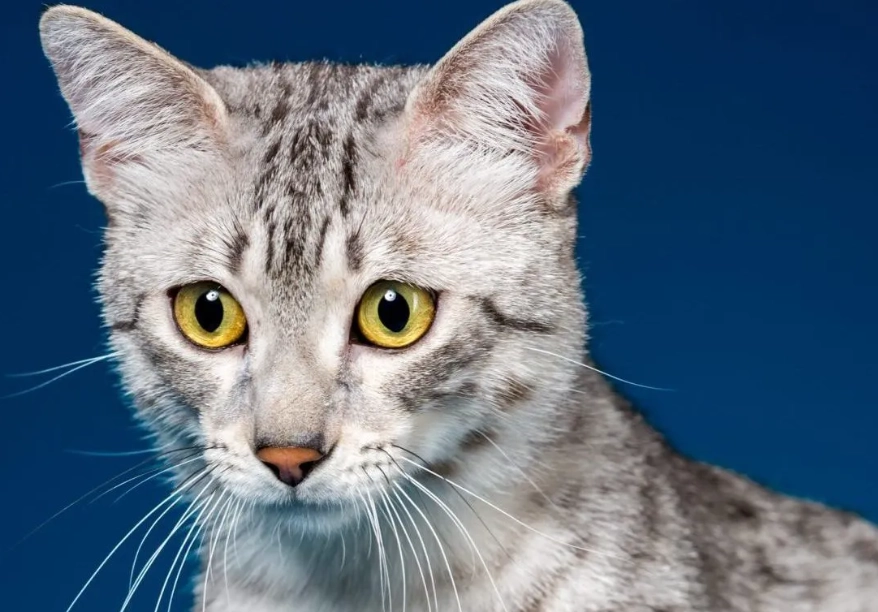
Part 3: Caring for Your Egyptian Cat (Whichever Type You Have)
Okay, let's get practical. You've fallen for the idea of an Egyptian cat. What does caring for one actually involve? The needs vary dramatically between, say, a fluffy street cat from Cairo and a pedigreed Sphynx.
Health and Wellness
Purebred cats can be prone to certain genetic conditions. Responsible breeders screen for these.
- Egyptian Mau: Generally robust. Some lines may be predisposed to a heart condition called hypertrophic cardiomyopathy (HCM). A vet check with ultrasound screening is wise.
- Sphynx: Besides skin care, they can be prone to heart issues (HCM again) and a condition called hereditary myopathy. Their lack of hair also makes them susceptible to sunburn and getting cold.
- Abyssinian: Can be prone to dental issues (gingivitis), renal amyloidosis (a kidney disease), and patellar luxation (knee problems).
The bottom line? Pet insurance is a very good idea for any purebred cat. Regular vet check-ups are non-negotiable.
Diet and Nutrition
There's no single "Egyptian cat diet." It depends on the individual.
Key Principle: High-quality, protein-rich food is essential. Sphynxes, with their high metabolism, often need more calories. Maus and Abyssinians, being active, also need good fuel. Always ensure fresh water is available. Many cats prefer running water, so a fountain can be a great investment.
Grooming Needs Compared
| Breed/Type | Grooming Frequency | Key Tasks | Special Notes |
|---|---|---|---|
| Egyptian Mau | Weekly | Brush to remove loose hair, check ears, trim nails. | Short coat is low-maintenance. Shedding is moderate. |
| Sphynx | Weekly (or more) | Bathe with gentle cat shampoo, clean ears and nail beds, wipe skin folds. | High maintenance. Oily skin can stain furniture. |
| Abyssinian | Weekly | Brush with a soft brush, dental care is crucial. | Short, fine coat. Minimal shedding. |
| Domestic Shorthair (e.g., Egyptian street cat) | Weekly | Brush, especially during shedding seasons. | Varies by individual coat length and density. |
Behavior and Enrichment
All cats need mental and physical stimulation, but these breeds tend to be on the smarter, more active side.
- Vertical Space: Cat trees, wall shelves, and window perches are a must. Abyssinians especially love height.
- Interactive Play: Daily play sessions with wand toys, laser pointers (used responsibly), and balls. Mimic hunting.
- Puzzle Feeders: Engage their brains at mealtime. A simple food-dispensing ball can work wonders.
- Clicker Training: Yes, you can train cats! Teaching simple tricks like "sit" or "high five" provides great mental exercise.
An under-stimulated intelligent cat will find its own entertainment, which usually means something you don't want them doing.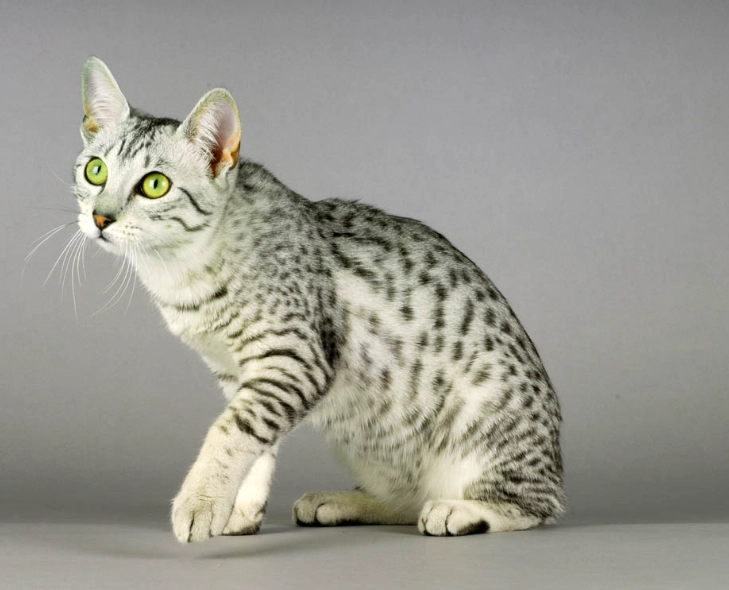
My friend's "Mau mix" turned out to be a master of opening cabinet doors. We had to get childproof locks. That's the kind of cleverness you're dealing with.
Part 4: Common Questions (And Straight Answers)
Q: What is the most Egyptian-looking cat breed?
A: The Egyptian Mau is intentionally bred to match the spotted cats in ancient art. However, the lean, ticked tabby look of the Abyssinian or even a sleek brown mackerel tabby domestic shorthair may be closer to what most ancient cats actually looked like.
Q: Are Egyptian Mau cats rare?
A: Yes, they are considered a relatively uncommon breed. Finding a reputable breeder may require joining a waitlist. Be very wary of anyone advertising "cheap" Egyptian Maus online—this is a red flag for backyard breeders or scams.
Q: Do Egyptian cats have special personality traits?
A: The breeds associated with Egypt (Mau, Sphynx, Abyssinian) are all known for being intelligent, active, and forming strong bonds with their primary people. They are not typically aloof "lap cats" in the sedentary sense. They want to be *involved* in your life.
Q: Is it okay to adopt a cat from Egypt?
A: Many rescue organizations facilitate international adoptions of street cats from Egypt, Turkey, and other regions. This is a wonderful way to give a cat a home. Important: Ensure the rescue is reputable, provides full medical records (including testing for diseases not common in your country), and follows proper quarantine and import procedures. The transition can be stressful for the cat, so patience is key.
Q: How much does an Egyptian Mau cat cost?
A: From a responsible breeder who health-tests their cats, you can expect to pay anywhere from $1,500 to $2,500 or more for a pet-quality Egyptian Mau kitten. Show-quality cats cost more. The initial cost is just the beginning; factor in lifelong care, which can be significant for any purebred animal.
Part 5: The Verdict - Is an Egyptian Cat Right for You?
So, after all this history, breed talk, and care advice, should you get an Egyptian cat?
Let's be honest. The romance is powerful. The idea of sharing your home with a living piece of history, a creature worshipped as a god... it's alluring. But you're not getting a god. You're getting a cat. A potentially very energetic, intelligent, and demanding cat.
Ask yourself:
- Do I have the time for daily interactive play and mental enrichment?
- Am I prepared for potential breed-specific health issues and their costs?
- For a Sphynx, am I truly ready for the weekly bathing routine?
- For a Mau or Aby, do I have enough vertical space and safe outlets for their energy?
If you answered yes to all of the above, then one of these magnificent breeds could be a fantastic, fulfilling companion. They are not for the faint of heart or for someone who wants a decorative pet that sleeps all day.
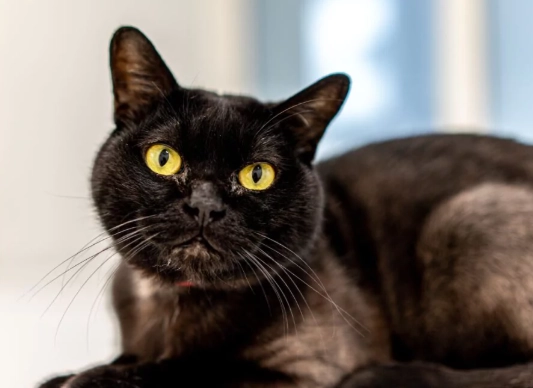
Final Thought: Perhaps the truest "Egyptian cat" isn't a specific breed at all. It's any cat that captures that essence of grace, mystery, and ancient connection. It might be the regal posture of a shelter tabby, the intense gaze of a black cat, or the playful pounce of a kitten. The magic of the Egyptian cat lives on in our fascination with all felines—their independence, their beauty, their connection to a wilder, more mysterious past.
So whether you choose a pedigreed Mau, a hairless Sphynx, or a rescued street cat from Cairo, remember you're welcoming a piece of living history into your home. Treat them with the respect they deserve, and they'll reward you with a companionship that feels truly timeless.
And who knows? Maybe they really do know secrets we've long forgotten. You'll just have to learn to listen.