Explore This Guide
Let's be honest, if you've spent any time around cats, you've seen a tabby. They're everywhere. On internet memes, curled up on your neighbor's porch, starring in ancient Egyptian art. They're the default setting for cats, it seems. And that's exactly where the magic starts. Because "tabby" isn't a breed at all—it's a coat pattern, a design template that nature has splashed across dozens of cat breeds and countless wonderful moggies. This very commonness hides an incredible depth of genetics, history, and personality. The question "what is so special about tabby cats?" often gets answered with a shrug. "They're just cats." But oh, they are so much more.
I remember my first cat, a classic brown mackerel tabby named Charlie. He wasn't chosen from a fancy breeder; he just showed up one day. And in living with him, I started noticing things. The way the light caught his stripes, the perfect "M" on his forehead, his particular brand of chirpy conversation. It made me wonder. Why do so many cats look like this? What's the story behind those stripes and swirls? That curiosity led me down a rabbit hole of feline genetics and behavior, and I want to share that with you. Because understanding what makes a tabby tick is a bit like understanding the secret language of cats themselves.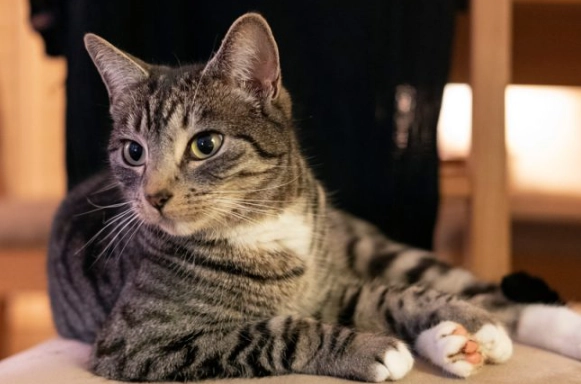
The Core Truth: Every single domestic cat carries the genetic code for the tabby pattern. It's in their DNA. What makes a "tabby cat" visible is the agouti gene, which allows individual hairs to have bands of light and dark color, creating the signature pattern. Solid-colored cats (like all-black or all-white) have a different modifier that masks this pattern. So in a way, all cats are tabbies at heart. Some are just wearing a solid coat over their secret stripes.
It's All in the Genes: The Four Master Patterns
When people ask what is so special about tabby cats, the first place to look is the artistry of their coats. It's not random. There are four primary, genetically determined tabby patterns. Think of them as nature's four different brushstrokes.
| Pattern Name | What It Looks Like | Fun Fact / Nickname |
|---|---|---|
| Mackerel | Narrow, vertical stripes running parallel down the sides, like a fish skeleton. Often has a dark stripe along the spine. | The "wild type" pattern, most similar to the African wildcat ancestor. Very common. |
| Classic (or Blotched) | Bold, swirling patterns that often form a "bullseye" or butterfly shape on the sides. Thick, curving bands. | Popular in many Western cat breeds. The patterns can be so unique they're like a fingerprint. |
| Spotted | Oval or round spots scattered across the body, sometimes appearing as broken mackerel stripes. | Seen in breeds like the Ocicat or Bengal, but appears in regular domestic cats too. Gives a sleek, exotic look. |
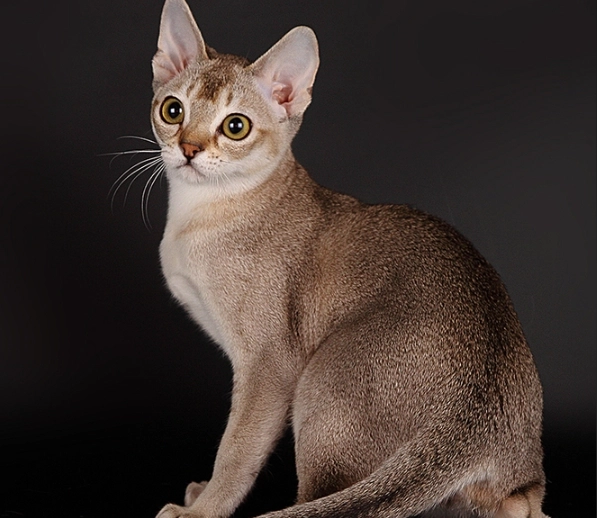
| Ticked | No obvious stripes or spots on the body. Instead, each hair (agouti) has alternating bands of color, giving a salt-and-pepper or sandy appearance. | Common in Abyssinian and Singapura breeds. From a distance, the cat looks solid, but up close the magic is in the individual hairs. |
You can have a cat that's a pure example of one pattern, or you can get wonderful mixes. A mackerel tabby with a few classic swirls on the flanks. A spotted tabby with a classic-striped tail. The genetics can interplay in fascinating ways. And then you have the colors! Brown tabby (the classic), grey tabby (often called blue), silver tabby (with a pale undercoat), orange tabby (the famed "ginger" cat, almost always male due to genetics), and cream tabby. The variety is endless, yet they all share that fundamental tabby signature.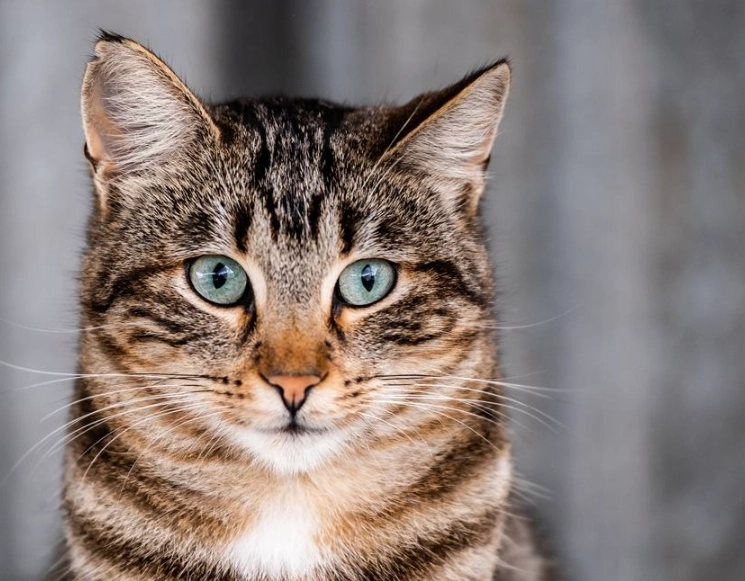
It's this genetic dance that creates such visual diversity from a few basic instructions. That, to me, is the first answer to what is so special about tabby cats. They are a living lesson in genetics you can pet.
The "M" Mark: Mystery, Myth, and Misconception
No discussion about what makes tabby cats special is complete without talking about the "M." Almost every tabby cat has a distinctive mark on its forehead—two lines that form a clear letter M. This isn't a coincidence or a trick of the light; it's a fundamental part of the tabby pattern's cranial markings.
Now, the myths are the best part. My favorite is the Christian legend that a tabby cat curled up in the manger to keep the baby Jesus warm. Mary stroked its head in gratitude, and her touch left the M as a symbol of "Madonna." Islamic folklore says the M stands for "Muezza," the Prophet Muhammad's beloved tabby cat. Ancient Egyptians might have linked it to "Mau," their word for cat (and the sound a cat makes!). Scientists, of course, will tell you it's simply the predictable result of pattern-forming genes activating on the forehead. But I like the stories better. They speak to the long, intertwined history we have with these patterned felines.
Personality: Is There a "Tabby Temperament"?
This is the big one, the question every potential cat owner really cares about. Do tabby cats have a special personality? Are orange tabbies crazier? Are grey tabbies more aloof? Let's unpack this, because it's a mix of truth, anecdote, and a whole lot of human projection.
First, the science. There is no conclusive scientific evidence that coat color or pattern directly determines personality in cats. A cat's temperament is shaped by a much more complex soup of factors: genetics from their specific breed or mix, early socialization (those first 2-7 weeks are critical), individual brain chemistry, and their life experiences. The International Cat Association (TICA) and Cat Fanciers' Association (CFA) breed standards describe personality traits for breeds, not for coat patterns.
But.
Anyone who has worked in animal shelters or lived with many cats will tell you they see trends. And here's where we get into the realm of observation, not hard data. It's important to take this with a grain of salt, but it's part of the folklore that makes people wonder what is so special about tabby cats.
From my own experience volunteering at a rescue, the orange tabbies (almost all toms) often did seem to be the goofy, food-obsessed clowns. The classic brown tabbies were frequently the steady, adaptable "default cats" that got along with everyone. Grey tabbies could sometimes be a bit more reserved at first, but deeply affectionate once they trusted you. Were these patterns real, or did we just notice the cats that fit the stereotype? It's hard to say. But the belief is pervasive among cat people.
Here’s a breakdown of the common perceived personality traits linked to tabby types. Remember, your mileage will absolutely vary.
- Orange/Ginger/Red Tabby: The poster child for the "tabby personality." Universally described as outgoing, friendly, vocal, and often a bit mischievous. The "clown." The fact that most are male (about 80%) may contribute to this, as male cats can be more gregarious.
- Classic Brown Tabby: Often seen as the "everycat." Adaptable, intelligent, good-natured, and excellent hunters. They're frequently described as having a stable, reliable personality.
- Grey/Blue Tabby: Sometimes stereotyped as the more gentle, serene, and maybe slightly shy tabby. They can be incredibly sweet and loyal, but perhaps not the first to greet strangers at the door.
- Silver Tabby: With their striking looks, they're sometimes thought to have a regal, observant, and active demeanor. They can be playful and energetic well into adulthood.
The real takeaway? If you're looking for a cat with a certain personality, don't judge by the coat. Spend time with the individual cat. A cat's history and how it interacts with you are infinitely better predictors than the color of its stripes.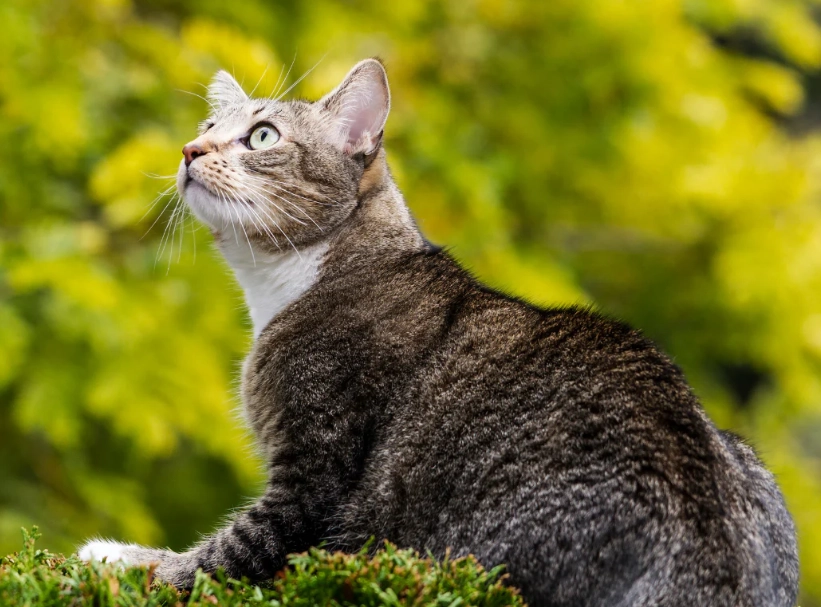
Health and Care: Any Tabby-Specific Needs?
Another angle to the question of what is so special about tabby cats involves their health. The good news is that the tabby pattern itself is not linked to any specific genetic disorders. Health concerns are tied to breed, not coat. A Maine Coon tabby has Maine Coon health considerations. A domestic shorthair tabby is generally a robust, healthy mix.
However, there is one intriguing link related to orange tabbies. The gene responsible for the orange color (the O gene) is on the X chromosome. The complex process of X-inactivation in female cats (who need two orange genes to be orange) may have some subtle, not-fully-understood interactions with other genes. Some studies, like those referenced by resources from the Cornell Feline Health Center, have hinted at possible correlations between coat color and certain behaviors or pain thresholds, but nothing definitive enough to guide care.
Tabby Care is Just Good Cat Care: The best thing you can do for your tabby, regardless of its pattern, is provide excellent species-appropriate care. That means a high-protein diet (wet food is great for hydration), annual vet check-ups, keeping them indoors for safety, mental and physical enrichment (puzzle feeders, cat trees, daily play), and lots of love. Their special coat doesn't need special shampoo—their own tongue is the best groomer.
Grooming Different Tabby Coats
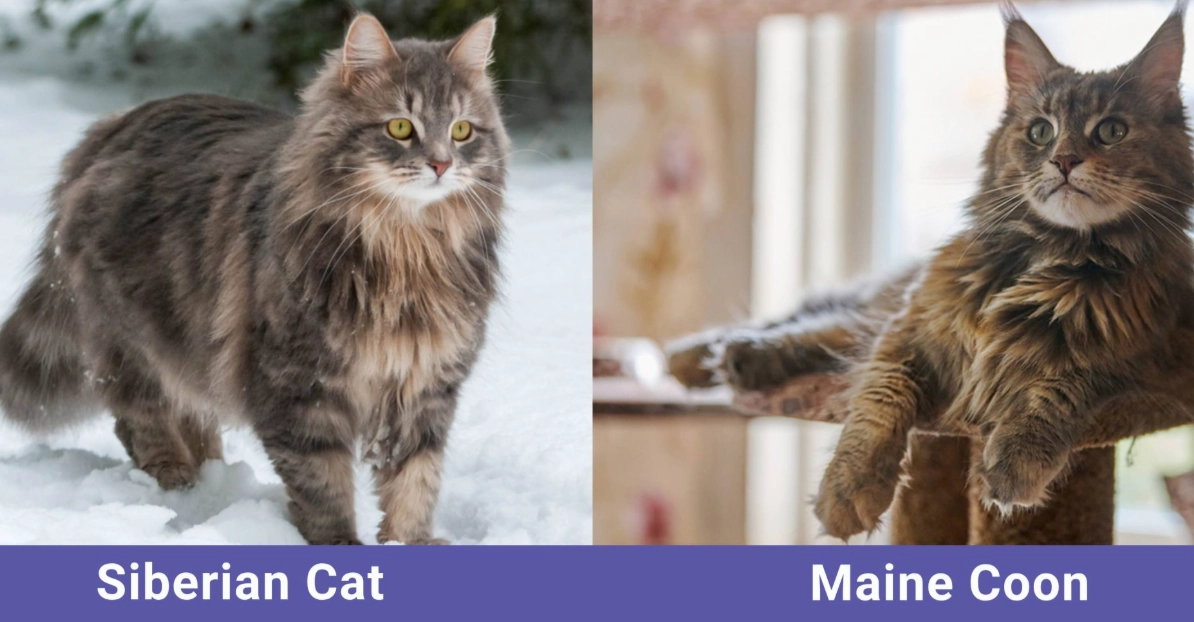
While not pattern-specific, the length of your tabby's coat dictates care. A short-haired tabby might only need a weekly brush to reduce shedding. A glorious long-haired tabby (like a Maine Coon or Persian mix) requires daily brushing to prevent painful mats. The tabby pattern can be stunning on long fur, but it comes with a maintenance commitment.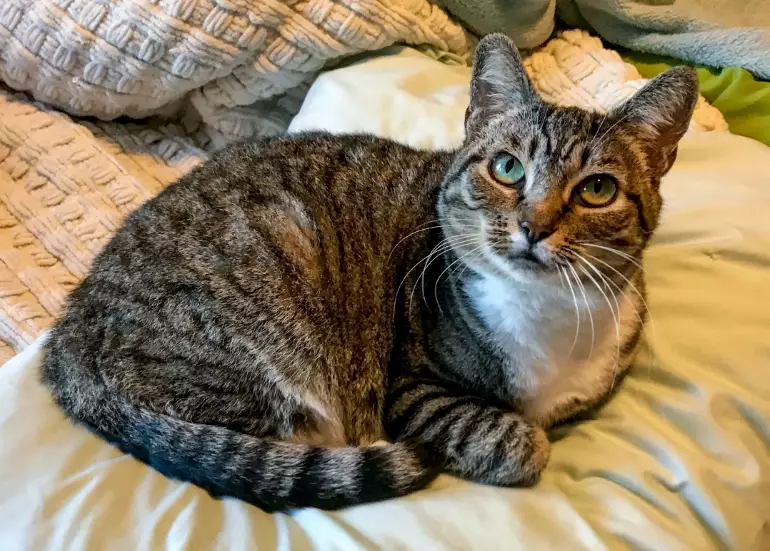
Tabby Cats in History and Culture
To truly grasp what is so special about tabby cats, you have to look back. Way back. The tabby pattern is essentially the wild-type pattern of the African wildcat (Felis lybica), the primary ancestor of all domestic cats. Those stripes and spots provided perfect camouflage in dappled sunlight and grasslands. When humans started settling down and storing grain (which attracted rodents), these camouflaged hunters moved in, and a beautiful partnership began.
They've been revered and depicted for millennia. You can see the classic tabby mackerel stripes in the bronze statues and paintings of ancient Egypt. They sailed on ships with Vikings and Phoenicians, controlling rodents. They prowled the streets of medieval Europe, sometimes unfairly associated with witchcraft due to their independent nature and that mysterious "M."
In modern pop culture, tabbies are everywhere. Think of Garfield (an orange classic tabby), the Cheshire Cat (a purple-striped tabby of sorts), Puss in Boots (an orange tabby with big eyes), and even the iconic "I Can Has Cheezburger?" cat. They are the quintessential "cat" in the human imagination.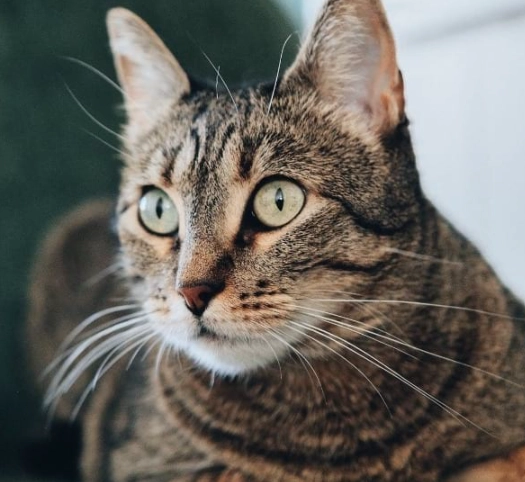
Answering Your Questions: The Tabby FAQ
Their specialness lies in their perfect blend of the ordinary and the extraordinary. They are the most common cat in the world, yet each one's pattern is a unique work of living art, dictated by ancient genetics. They carry the wild in their stripes and the comfort of home in their purr. They are a biological masterpiece hiding in plain sight, sitting on your sofa. They are not defined by a single breed's traits, which means their personalities are as diverse and unpredictable as their markings—you get an individual, not a stereotype.
Loving a tabby cat is like appreciating a classic, timeless design. It's familiar, but when you look closely, the depth and detail are astonishing. You're not just getting a pet; you're getting a direct connection to feline history, a walking lesson in genetics, and a companion whose most special feature might just be its wonderful, ordinary, extraordinary self. That’s the real answer. Their specialness isn't in being rare, but in being profoundly, beautifully, and complexly common.
Maybe that’s not a sexy answer. It's not a list of five unique superpowers. But in a world obsessed with the rare and the purebred, there's something deeply satisfying about the excellence of the everyday. The tabby cat is the ultimate proof that the best things in life aren't rare at all. They're right there, asking for dinner, with a perfect "M" on their forehead and a universe of wildness in their eyes.