In This Guide
- Untangling the Siamese Cat Breed Confusion: It's All About the Head Shape
- The Siamese Personality: What You're REALLY Signing Up For
- Caring for Your Siamese Cat Breed: Health, Grooming, and Keeping Them Happy
- Finding Your Siamese: Breeder, Rescue, or Kitten?
- Straight Answers to Your Burning Questions (FAQ)
- The Final Word: Is a Siamese Cat Breed Right for You?
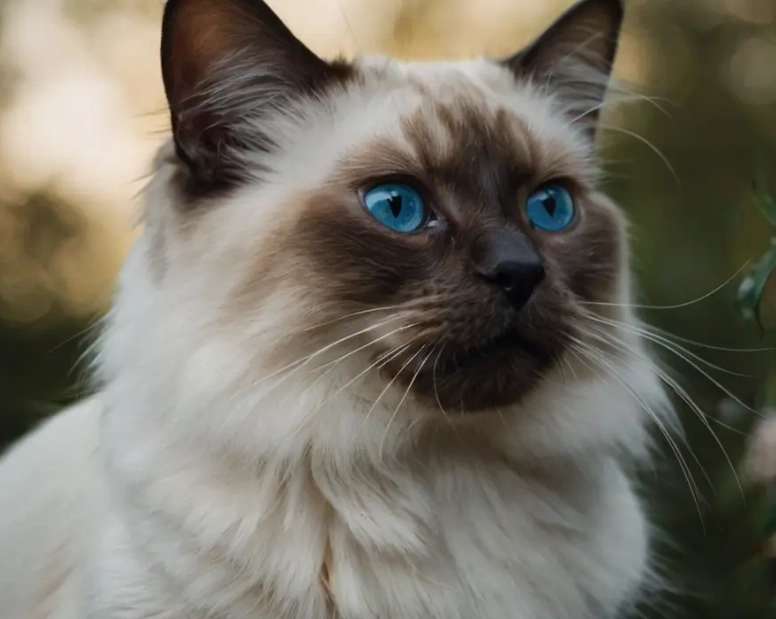
So you're thinking about getting a Siamese cat? Or maybe you just fell down a rabbit hole after seeing a picture of those stunning blue eyes. I get it. I've been there. The world of Siamese cat breeds is way more fascinating—and slightly more confusing—than you might think. It's not just one look. Far from it. You've got the sleek, angular modern show cat, the more moderate "classic" look, and the chunkier, rounder "traditional" cat that looks like your grandma's Siamese. And everyone online seems to call them by different names: Applehead, Old-Style, Classic, Wedgie, Modern. It's enough to make your head spin.
Let's clear that up right now. This guide is my attempt to untangle the whole mess, based on a ton of research and, honestly, my own experience of being completely bewildered when I got my first Siamese, Mochi (a hyper-talkative seal point). I'll walk you through not just the looks, but the personalities, the health stuff nobody really talks about upfront, and what it's actually like to live with one of these incredible, demanding, hilarious creatures. We're going deep, so grab a coffee.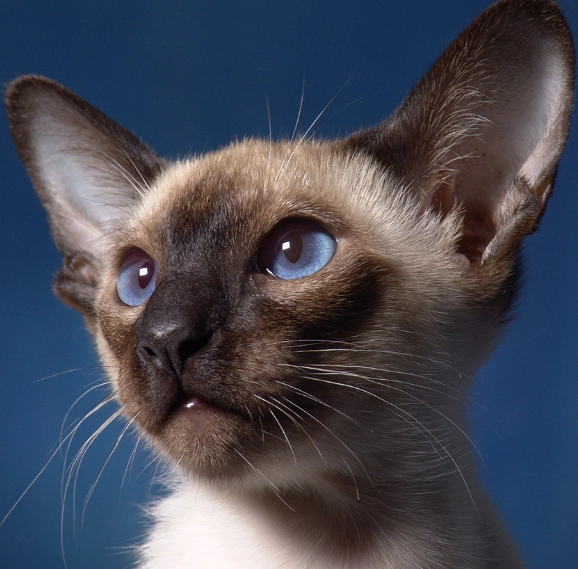
Quick Reality Check: If you want a quiet, independent cat that minds its own business, stop reading. A Siamese cat breed, in any of its forms, is a lifelong commitment to a small, furry, extremely loud toddler with opposable thumbs and a PhD in manipulation. They're brilliant. They're clingy. They'll yell at you for being 30 seconds late with dinner. I love them, but it's not for everyone.
Untangling the Siamese Cat Breed Confusion: It's All About the Head Shape
The biggest source of confusion around Siamese cat types stems from breeding trends over the last century. Breeders selectively bred for a more "extreme" look—a longer, wedge-shaped head, larger ears, and a slender, tubular body. This created a split. Today, we generally group them into three main categories, though the official cat fancy organizations like The Cat Fanciers' Association (CFA) and The International Cat Association (TICA) primarily recognize one "Siamese" standard (the modern wedge). The other types are often registered under different breed names or in different categories. Here’s the breakdown that makes sense in the real world.
| Type | Also Known As | Head Shape | Body Type | General Vibe |
|---|---|---|---|---|
| Traditional / Applehead | Old-Style, Thai Cat | Round, "apple-shaped" | Stocky, muscular, medium | The original look. Sturdier, often described as having a sweeter, less intense expression. |
| Classic | Old-Type, Moderate | Modified wedge, softer angles | Moderate, neither stocky nor ultra-sleek | The middle ground. A blend of traditional substance and modern elegance. What many people picture. |
| Modern / Wedge | Show-Type, Contemporary | Long, triangular wedge | Long, svelte, tubular, delicate bone structure | The extreme show standard. Angular, dramatic, and hyper-elegant. |
See? It's not so complicated when you look at the head. The body follows suit. Now, let's get into the nitty-gritty of each one. Personality varies a bit between them, but that core Siamese neediness and intelligence is a universal constant.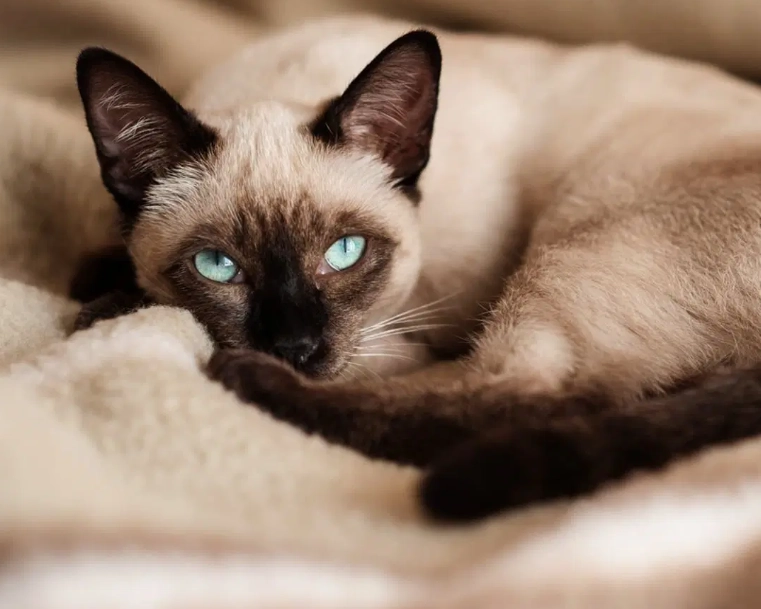
The Traditional Siamese (Applehead)
This is the cat from the old movies and vintage photos. Think "Lady and the Tramp." Their face is rounder, their eyes might be slightly less slanted (but still brilliantly blue), and their body has more substance. They're not fat, but they're solid. You won't feel like you're going to break them when you pick them up.
Some registries, like TICA, recognize this type as a separate breed called the Thai Cat. It's essentially the preservation of the original Siamese cat breed before the extreme styling took over. I've met a few, and they tend to be incredibly sweet-tempered. Their voice is still there, of course—it's a Siamese, after all—but some owners report it being slightly less piercingly loud than their modern cousins. Don't count on that, though.
I visited a breeder who focused on Traditional Siamese, and the difference was startling. They felt like cuddly little bricks of muscle, and their faces had this wonderfully wise, kind look. Less “alien supermodel” and more “wise old soul.” It was a refreshing change from the ultra-skinny modern lines.
The Classic Siamese (The Happy Medium)
For many people, this is the Goldilocks zone of Siamese cat breeds. It has the elegant elongation of the modern type but without the extreme angles. The head is a tapered wedge, but the cheeks are fuller, softening the profile. The body is graceful but not bony.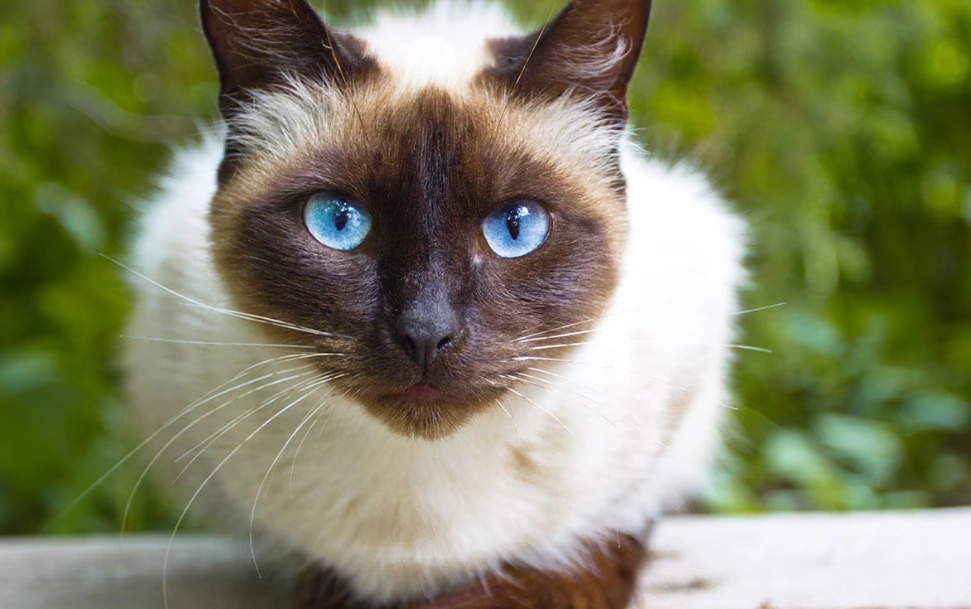
This is probably the most common type you'll find from responsible breeders who aren't exclusively targeting the hyper-competitive show circuit for the Modern Wedge. They balance beauty with robust health. Their personality is 100% classic Siamese: vocal, affectionate, playful, and clever enough to learn how to open doors. If you're unsure which direction to go, a well-bred Classic Siamese is an absolutely fantastic choice.
The Modern Siamese (The Show Stopper)
This is the current show standard for the Siamese breed in major associations. The head is a long, straight-sided wedge forming a perfect triangle from the nose to the tips of the ears. The ears are strikingly large. The body is long, tubular, and sleek, with fine bones and a whip-like tail. It's a look of pure, unadulterated elegance.
And look, I'll be honest. This aesthetic isn't for everyone. Some people find it breathtakingly beautiful. Others think it looks a bit too extreme. I have a Modern Siamese, and while I adore him, his physique does make me a little nervous sometimes—he feels so delicate. Health-wise, the extreme narrowing of the skull can sometimes be associated with dental issues (crowded teeth) and, in poorly bred lines, a higher incidence of crossed eyes or nystagmus (involuntary eye movement), though responsible breeders work hard to eliminate these traits.
They are the ultimate Velcro cat. If a Modern Siamese is in the house, you will never be alone. Ever.
The Siamese Personality: What You're REALLY Signing Up For
Forget everything you think you know about aloof cats. A Siamese cat breed is a dog in a cat's body, with the vocal cords of an opera singer and the brain of a mischievous engineer.
They Talk. Constantly. This is the number one thing. They don't meow; they have conversations. They comment on everything you do. You will learn the subtle differences between the "I'm hungry" yowl, the "You're home!" trill, the "Why is this door closed?" complaint, and the "I'm bored, entertain me" demand. It's endearing for about a week, then it's just life. If you need peace and quiet, look elsewhere.
They Are Glue. Siamese cats form intensely strong bonds, often with one particular person. They will follow you from room to room. They will sit on your lap, your keyboard, your book. They need to be involved in everything. This is not an independent pet. This is a shadow that demands cuddles.
They Are Frighteningly Smart. This is a double-edged sword. They can learn tricks (fetch is common), but they will also learn how to open cabinets, turn on faucets, and manipulate you with their cries. You need to provide mental stimulation—puzzle feeders, clicker training, interactive toys—or they will create their own (destructive) fun.
Caring for Your Siamese Cat Breed: Health, Grooming, and Keeping Them Happy
That gorgeous short coat is low-maintenance. A weekly brush with a rubber grooming mitt is plenty to remove loose hair and distribute skin oils. The real work is in meeting their immense social and mental needs.
Common Health Considerations
Reputable breeders screen for genetic conditions. Being aware of potential issues is part of responsible ownership. Some conditions seen more frequently in Siamese cat breeds include:
- Progressive Retinal Atrophy (PRA): A genetic disease that causes blindness. Reputable breeders test for this.
- Amyloidosis: A disease where abnormal protein deposits can damage organs, particularly the liver. More common in some Siamese lines.
- Asthma/Bronchial Disease: Siamese seem predisposed to respiratory issues. Watch for coughing or wheezing.
- Dental Issues: Especially in Modern types, crowding can lead to periodontal disease. Regular dental check-ups are a must.
- Heart Conditions: Like many purebreds, they can be prone to certain congenital heart defects.
The single best thing you can do for their health is buy from a responsible breeder who does genetic testing and provides health guarantees, and then maintain regular vet check-ups. Keep them indoors. Their curious nature and lack of street smarts make them vulnerable outdoors.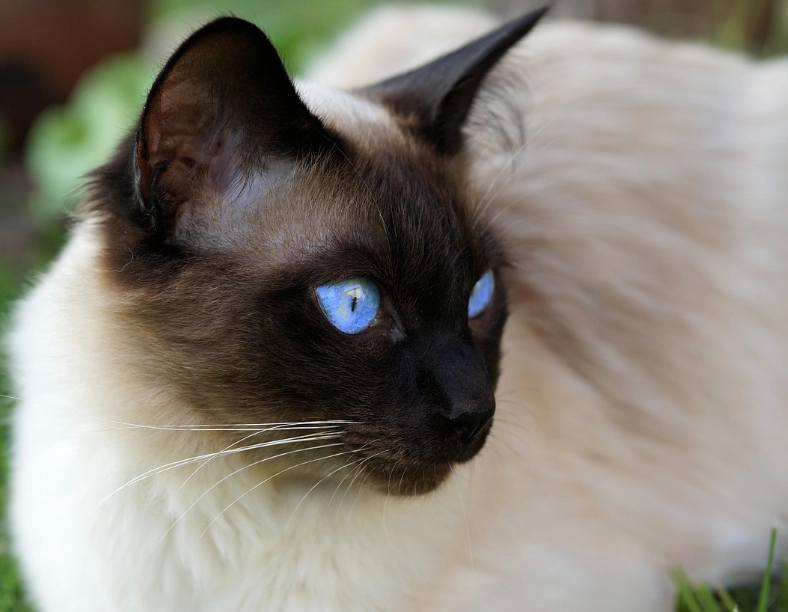
Diet, Play, and Environment
They are active, slender cats with high metabolisms. A high-quality diet rich in animal protein is essential. Many do well on a combination of wet and dry food. Obesity is less common than in other breeds, but it can happen with inactivity.
Play is non-negotiable. Not just five minutes with a feather wand. I'm talking structured play sessions twice a day. They love chasing, jumping, and solving puzzles. A cat tree by a window is mandatory—they are supreme bird-watchers. Consider a harness and leash for supervised outdoor exploration if you're brave.
My biggest mistake early on was underestimating Mochi's need for mental work. I bought all the toys, but he got bored. What finally worked was clicker training for 10 minutes a night and a food puzzle for his breakfast. It channelled his brainpower from "how to dismantle the blinds" to something productive.
Finding Your Siamese: Breeder, Rescue, or Kitten?
This is the big decision.
Reputable Breeder: This is the route for a specific type (Traditional, Classic, Modern) or color. Expect to pay a significant amount. A good breeder will:
- Ask you as many questions as you ask them.
- Show you the kittens' living environment and the mother cat.
- Provide proof of health testing for genetic diseases.
- Have a contract that includes a health guarantee and requires you to return the cat to them if you can't keep it.
- Be registered with a major association like CFA or TICA. You can start your search on their websites: CFA Breeder Directory and TICA Breeder Listing.
Rescue or Shelter: Please don't overlook this. Siamese and Siamese-mix cats are surprisingly common in shelters and breed-specific rescues. Adult cats are often given up because people weren't prepared for their personality. You can find a wonderful companion and save a life. Organizations like Petfinder let you search by breed.
Kitten or adult? Kittens are adorable chaos. Adults have established personalities—what you see is what you get. For a first-time Siamese owner, a slightly older cat (1-3 years) can be a perfect, slightly less intense introduction.
Straight Answers to Your Burning Questions (FAQ)
The Final Word: Is a Siamese Cat Breed Right for You?
Let's be brutally honest. A Siamese cat is a lifestyle choice.
Choose a Siamese if: You want a constant, interactive companion. You don't mind (or even enjoy) chatter. You have time for play and engagement. You appreciate high intelligence and don't mind a bit of mischief. You're looking for a deep, almost dog-like bond.
Think twice if: You value peace and quiet. You're away from home 10+ hours a day. You want a low-maintenance, independent pet that does its own thing. You get frustrated by persistent demands for attention.
Living with a Siamese is never boring. It's a relationship, not just pet ownership.
If you've read this far and your heart is still set on those blue eyes, then you might just be the right person. Do your homework, find an ethical source, and buckle up. You're in for one of the most rewarding, entertaining, and loud friendships of your life. Just don't say I didn't warn you about the 5 AM serenades.
For more detailed health information, always consult trusted resources like the VCA Hospitals breed guide and have a good relationship with a veterinarian who understands the nuances of purebred cats.