Your Quick Guide
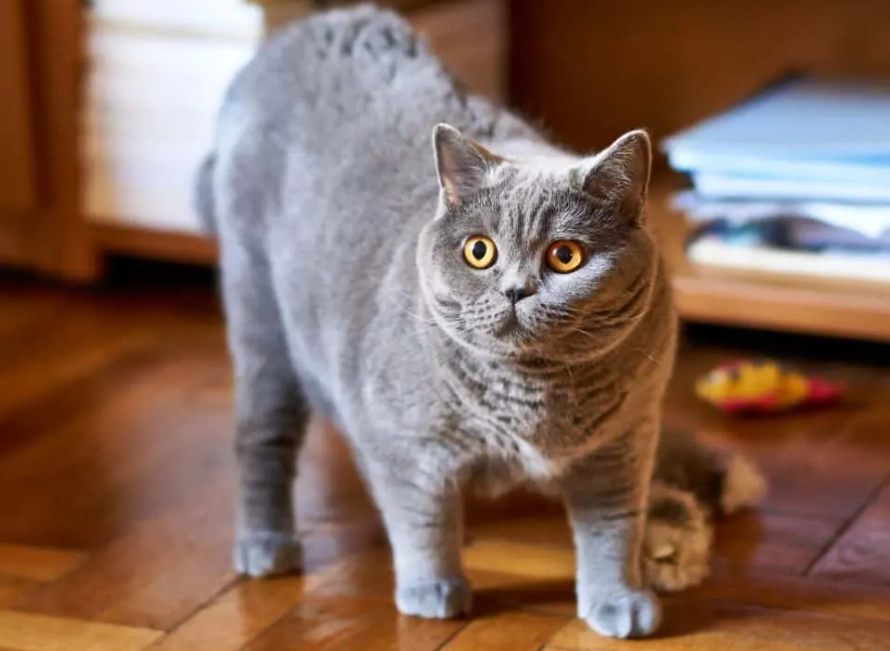
You know how some cats just have a look about them? The Chartreux cat has that in spades. It's not just the stunning blue-grey coat that feels like wool, or the sturdy, potato-like body. It's the expression. They call it a "smile" – a result of their unique head shape and round, copper-to-gold eyes that seem to hold a secret. I remember the first time I met one at a friend's house. It didn't meow. It just sat there, watching everything with this calm, almost wise demeanor, and then gently bumped its head against my hand. I was sold.
But behind that quiet, charming exterior is a cat with a rich history and a very specific personality. They're not your typical lap cat, nor are they aloof. They're something else entirely. If you're considering bringing one of these French blue beauties into your home, you've got questions. Are they really that quiet? Is their fur as easy as they say? What's the deal with their health? This guide isn't just a list of facts. It's a deep dive from someone who's spent years talking to breeders, owners, and vets about what it's really like to live with a Chartreux.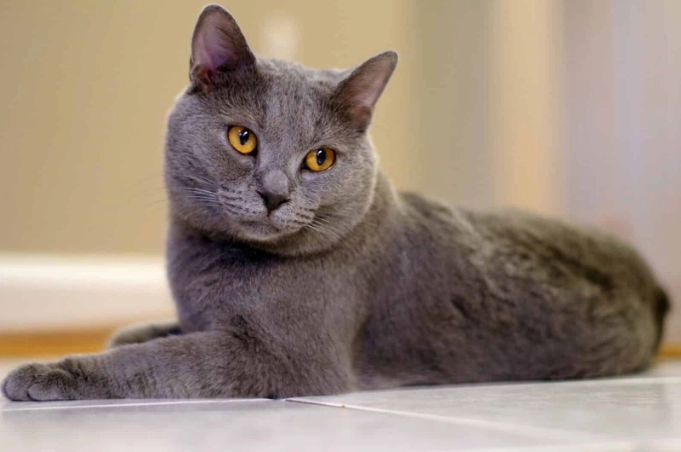
Where Did This Blue Cat Come From? A Trip to France
The origin story of the Chartreux is shrouded in a bit of charming mystery, which feels fitting. Legend says they were bred by Carthusian monks in the French Alps, hence the name. A lovely story, but most historians think it's more likely they were named after a famous Spanish wool ("pile des Chartreux") that their dense coat resembles. Their true roots probably lie with cats brought back from the Near East to French ports centuries ago.
What we know for sure is that by the 1700s, they were well-established in France, prized as superb mousers. They nearly vanished after the World Wars, but dedicated breeders (using surviving cats found mostly in Brittany) brought them back. The first Chartreux cats arrived in the United States in the 1970s. This survival story is key to understanding them – they are a natural, robust breed, shaped by function, not just looks. You can read more about their documented history and breed standard on the Cat Fanciers' Association (CFA) website, which is a fantastic primary resource.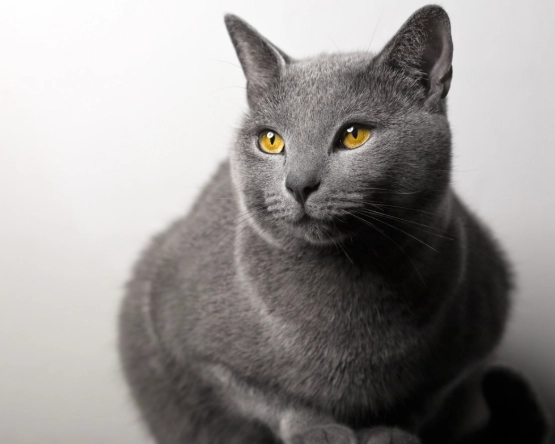
What Does a Chartreux Cat Look and Feel Like?
Forget delicate. Think sturdy. A Chartreux is all about rounded, powerful lines. Males are especially robust, often weighing 9-11 pounds, while females are a bit more refined at 6-8 pounds. But the weight is solid. They're slow to mature, reaching full physical development around 4-5 years old.
The coat is the star. It's medium-short, dense, and stands away from the body. The texture is woolly, almost like a dense sheep's fleece. This double coat is water-repellent, a trait from their outdoor past. The color is any shade of blue-grey, from ash to slate, with lighter shades preferred. The skin is blue-grey too, and the nose leather is slate grey. Those eyes start as blue in kittens, change to grey, and finally settle into a deep, vivid copper or gold with no trace of green – a hallmark of the breed.
| Feature | Description | Why It Matters |
|---|---|---|
| Body | Medium to large, muscular, and robust. Shoulders are broad, chest is deep. Often described as "potato-shaped." | Indicates strength and a history as a working cat. They feel substantial when you pick them up. |
| Head & Smile | Rounded trapezoid shape, full cheeks, straight nose. The "Chartreux smile" comes from a tapered muzzle and high-set cheekbones. | That smiling expression is a key breed identifier and a source of their charming character. |
| Coat Texture | Dense, woolly, double coat that stands up. Slightly longer on the flanks. | The woolly texture is unique. It's less prone to matting than silky coats but sheds seasonally. |
| Eye Color | Copper to gold, deep and vivid. No green allowed. Wide open and expressive. | The intense eye color contrasts beautifully with the blue coat and is a sign of breed purity. |
| Voice | Notably quiet. They rarely meow. May chirp or trill softly. | Great for apartments or people who dislike noisy pets. They communicate more with eyes and body language. |
That Famous Chartreux Personality: Quiet, But Not Shy
If you want a cat that will scream for food at 5 AM, look elsewhere. The Chartreux cat is famously quiet. They might give a tiny chirp or a silent meow. Their communication is subtle. They watch. They follow you from room to room, often positioning themselves in the center of whatever's happening, just observing. They're sometimes called "dog-like," but I find that misleading. They're not retrievers. They're more like a very attentive, calm companion who prefers to be near you, not necessarily on you.
They form deep, loyal bonds with their family but can be reserved with strangers. This isn't aggression or fear – it's assessment. A visitor might not see them for hours, while you'll have a constant shadow. They are playful well into adulthood, enjoying puzzle toys and interactive games, but it's a controlled play. No frantic midnight zoomies (usually).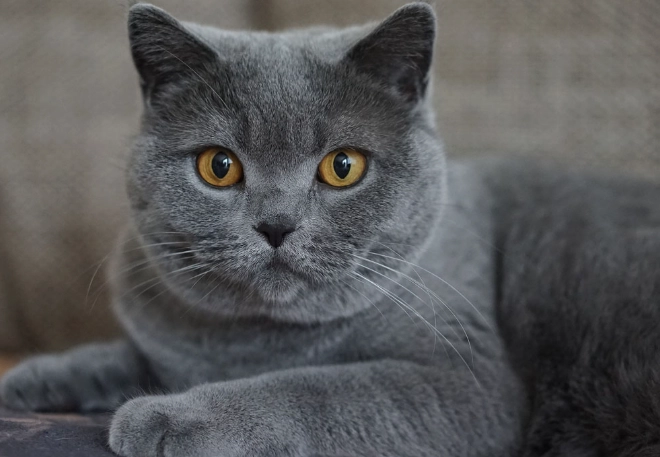
Is a Chartreux Cat Right For You? The Honest Breakdown
The Good Stuff:
- Quiet Companion: Perfect for peaceful homes, apartments, or people who work from home.
- Low-Maintenance Grooming: That woolly coat rarely mats. A weekly brush is usually plenty.
- Adaptable and Calm: Handles changes in routine or travel (with preparation) better than many high-strung breeds.
- Gentle and Patient: Often excellent with respectful children and other pets, especially if raised together.
The Challenges:
- The Price & Rarity: Expect a long wait and a significant investment from a reputable breeder.
- Seasonal Shedding: While easy to groom, they "blow" their undercoat seasonally. You'll need to brush more during those times.
- Can Be Stubborn: They are intelligent and have their own ideas. Training requires patience and positive reinforcement.
- Not a Lap Cat (For Everyone): Some are cuddly, many prefer to sit beside you, leaning on you, not in your lap.
I have a friend whose Chartreux, Marcel, will sit on the couch arm, just touching her shoulder with his paw. For hours. That's his version of a cuddle. If you need a cat that will drape itself over you purring loudly, this might not be the breed. But if you value a quiet, present, deeply connected companion, it's perfect.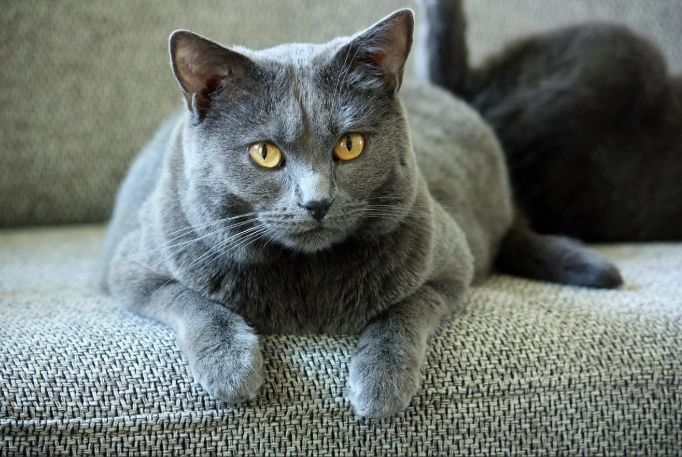
Caring for Your Chartreux: The Practical Details
Grooming: It's Easier Than You Think
That amazing coat is low-maintenance, but not no-maintenance. A weekly brush with a stainless steel comb or a bristle brush is ideal. It removes dead hair, distributes skin oils, and is a great bonding time. During spring and fall shedding seasons, you'll want to brush every other day to control the loose undercoat. They rarely need baths – their water-resistant coat makes it difficult to get them fully wet anyway!
Don't forget the basics: trim nails every couple of weeks, check ears weekly for wax, and brush teeth regularly. Starting these routines as kittens is crucial.
Feeding a Powerful Body
These are solid cats with good appetites, but they are not prone to obesity if kept active. High-quality cat food, whether commercial or raw (under veterinary guidance), with plenty of animal-based protein is key. Because they are a muscular breed, their nutritional needs support that lean mass. Always ensure fresh water is available. Some Chartreux have a fascination with running water, so a fountain can be a great investment.
Exercise and Play: Engaging the Brain
While calm, a Chartreux cat needs mental and physical stimulation. They are clever problem-solvers. Food puzzle toys are a huge hit. Interactive wand toys that mimic prey (feathers, crinkly bits) will trigger their hunting instincts in a healthy way. They enjoy climbing, so a sturdy cat tree is a good idea. Play sessions don't need to be long – 10-15 minutes, a few times a day, will keep them happy and fit.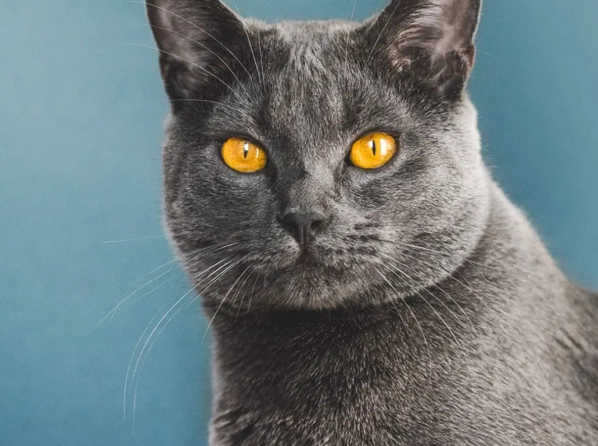
Health and Lifespan: What to Watch For
Overall, the Chartreux is a healthy, hardy breed with a typical lifespan of 12-15 years, often longer. Their natural breeding history has generally spared them from some of the extreme genetic issues seen in other breeds. However, responsible breeding is everything.
Reputable breeders will screen their breeding cats for the following conditions:
- Patellar Luxation: A slipping kneecap. Good breeders have their cats evaluated by a vet.
- Hypertrophic Cardiomyopathy (HCM): This is a form of heart disease that can affect any cat, including Chartreux. Reputable breeders are increasingly screening for this via echocardiograms. Ask a breeder about the HCM screening status of their lines. The VCA Animal Hospitals provide a clear, vet-authored overview of HCM.
- Hip Dysplasia: Uncommon, but can occur in this medium-large, sturdy breed.
- Urinary Issues: Like many cats, they can be prone to cystitis or stones. Ensuring they drink enough water is a key preventative measure.
The most important thing you can do is find a breeder who is open about health testing and is registered with a major cat association like CFA or The International Cat Association (TICA). These sites list breed standards and can be a starting point to find breeders.
Finding a Chartreux Kitten: A Guide to Doing It Right
This is the most critical step. Because they are rare, you are vulnerable to scams or "backyard breeders" who don't prioritize health or temperament.
Walk away from: Anyone who has multiple litters available immediately, sells kittens before 12-14 weeks of age, won't let you visit their home (or see the mother cat), doesn't ask you questions, or offers to ship a kitten without a detailed conversation.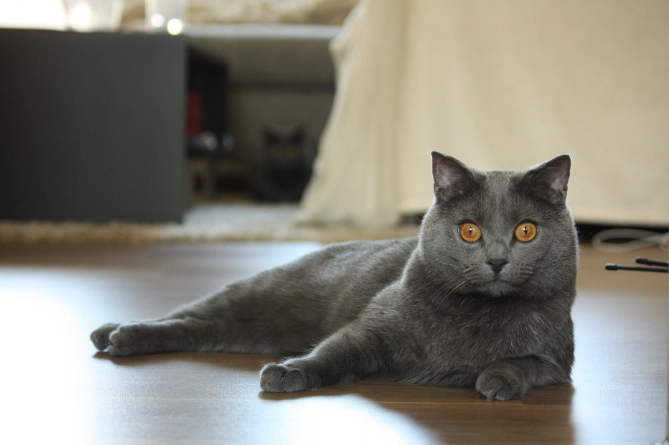
Look for a breeder who:
- Is registered with CFA or TICA.
- Raises kittens underfoot in their home, not in an isolated cattery.
- Provides a written health guarantee and veterinary records.
- Has the kittens spayed/neutered before placement, or has a strict contract requiring it.
- Asks you detailed questions about your home, lifestyle, and experience.
- Is a resource for you for the cat's entire life.
Be prepared to wait, possibly over a year. Be prepared to pay a premium – a well-bred Chartreux kitten from health-tested lines typically costs between $1500 and $2500. This reflects the care, testing, and investment of a responsible breeder.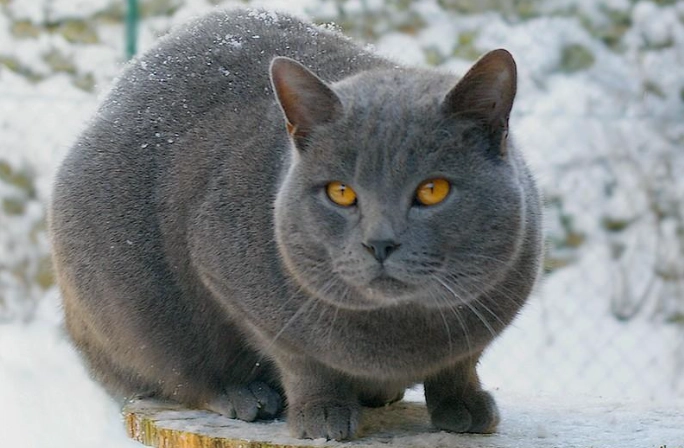
Your Chartreux Cat Questions, Answered
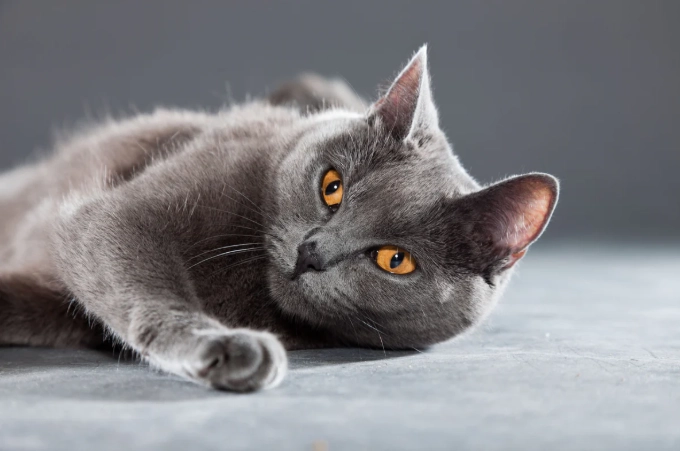
You can't stop seasonal shedding, but you can manage it. Increase brushing frequency during spring and fall. Use a de-shedding tool like a Furminator (gently) or a fine-toothed comb to pull out the loose undercoat. A good diet with omega fatty acids can promote skin and coat health. My go-to trick? A slightly damp washcloth wiped over their coat after brushing picks up a ton of loose hair.
Living With a Chartreux: The Final Word
Choosing a Chartreux cat isn't like picking a pet off a shelf. It's committing to a specific kind of feline relationship. You won't get constant chatter, but you'll get profound companionship. You won't get a fragile ornament, but a sturdy, living piece of history with a woolly coat.
They are observers, thinkers, and gentle companions who ask for little but give a tremendous amount of quiet affection. The investment in finding a good breeder is an investment in 15+ years of predictable health and temperament.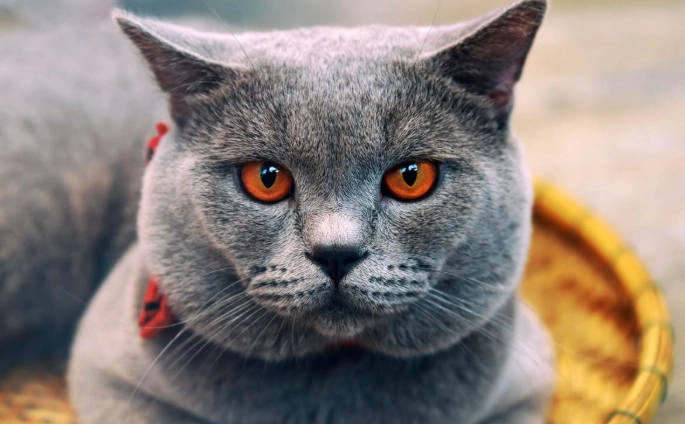
If your ideal home has more quiet conversation than loud meows, if you appreciate a cat that's present without being demanding, and if you're captivated by that wise, smiling face, then the journey to find your Chartreux is absolutely worth it. Start by connecting with the breed community through the official associations, be patient, and get ready for a truly special friend to join your life.