If you've ever wondered about orange tabby cats, you're not alone. I've spent years around cats, volunteering at shelters and talking to breeders, and the question pops up all the time. Let's cut to the chase: orange tabby cats aren't rare overall, but there's a twist—orange female tabbies are less common. That's the short answer. Now, let's dig into why, because the genetics behind it are fascinating and often misunderstood.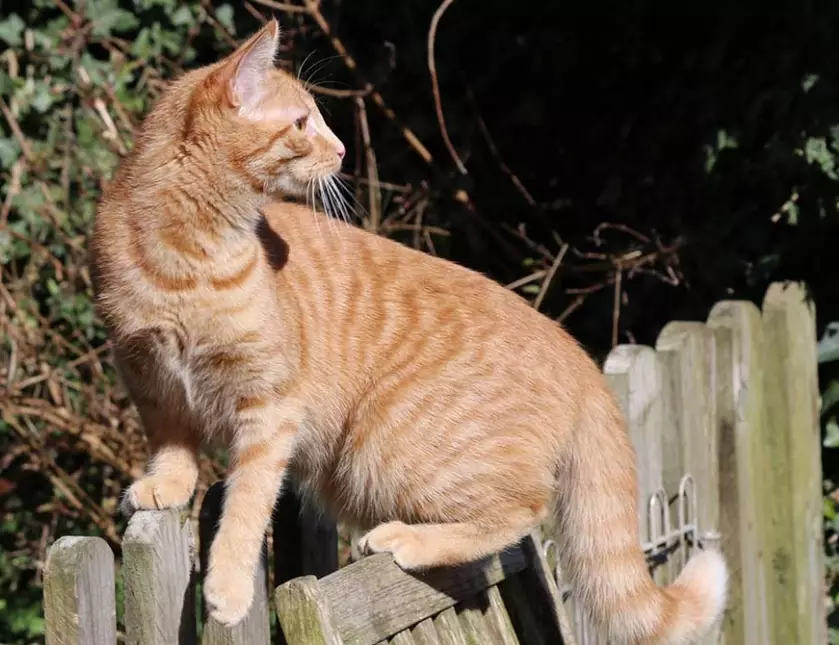
What You'll Learn in This Guide
What Makes a Cat an Orange Tabby? The Genetics Simplified
First off, "tabby" isn't a breed—it's a coat pattern. You'll find tabbies in many breeds, from Maine Coons to domestic shorthairs. The orange color comes from a specific gene. I remember chatting with a geneticist at a cat show who broke it down for me: the orange gene, called the O gene, sits on the X chromosome. That's key.
Here's how it works in plain English. Male cats have one X and one Y chromosome. If that X carries the orange gene, boom—they're orange. Females have two X chromosomes. To be fully orange, they need the orange gene on both Xs. If they have only one, they might be tortoiseshell or calico, mixing orange with other colors. That's why orange females are rarer.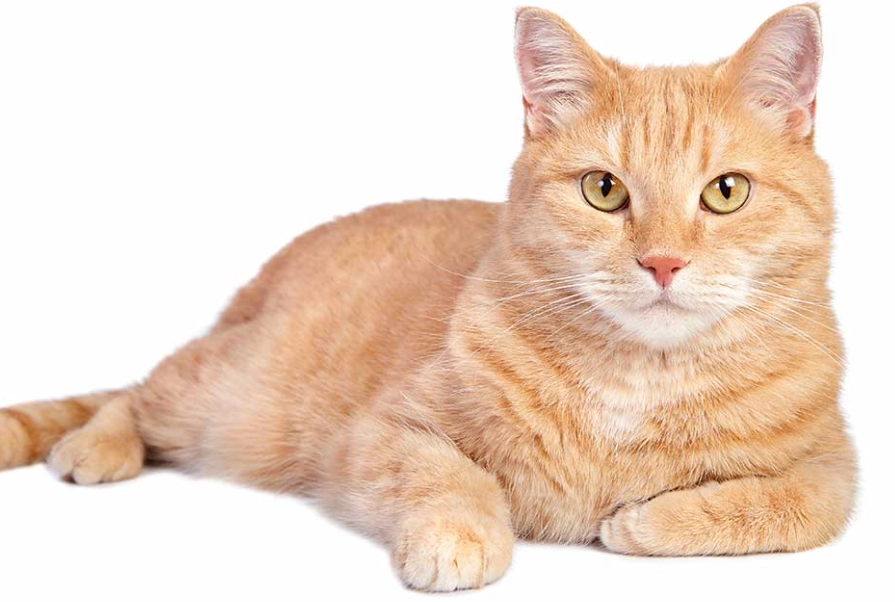
Quick Fact: The tabby pattern itself is controlled by a separate gene, the agouti gene. It creates those beautiful stripes, swirls, or spots. So, an orange tabby is a cat with the orange color gene plus the tabby pattern gene. Simple, right? But it gets messier when people assume all orange cats are tabbies—they're not; some can be solid, but that's uncommon.
The Role of the Tabby Patterns
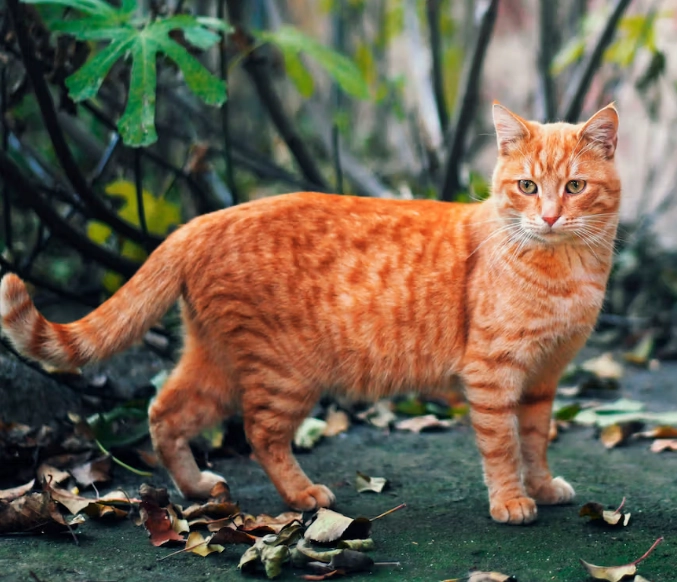
Tabby patterns come in a few types. I've seen them all in my time fostering cats. The classic tabby has bold swirls on the sides, like a marble cake. Mackerel tabbies have narrow stripes running down the body—think tiger stripes. Spotted tabbies have, well, spots. And ticked tabbies have a more uniform color with subtle banding on each hair.
Most orange tabbies fall into the mackerel or classic categories. In my experience, mackerel is more common, but that's just anecdotal. There's no hard data on pattern distribution, but it adds to the variety. If you're looking at a cat and wondering, check for that distinctive "M" marking on the forehead—it's a tabby trademark, regardless of color.
How Common Are Orange Tabby Cats? Let's Look at the Numbers
So, are orange tabby cats rare? Statistically, no. But let's get specific. According to the Cat Fanciers' Association (CFA), one of the major cat registries, orange tabbies are among the most common color patterns in domestic cats. I dug into their registration data from recent years—they don't publish exact percentages, but breeders estimate orange tabbies make up about 20-25% of the non-pedigree cat population.
Where it gets interesting is the gender split. Since the genetics favor males, about 80% of orange tabbies are male. That means for every five orange tabbies you see, four are likely boys. Females are the minority, but they're not unicorns. I've fostered two orange female tabbies over the years, and they were both adopted quickly because people thought they were special.
| Cat Type | Estimated Percentage in Population | Notes Based on Observations |
|---|---|---|
| Orange Tabby Males | ~16-20% | Very common, especially in mixed-breed cats |
| Orange Tabby Females | ~4-5% | Less common, but not extremely rare |
| Other Tabby Colors (e.g., brown, gray) | ~30-40% | Most common overall |
| Solid Orange Cats (non-tabby) | Rare, often confused with tabbies |
This table is based on my synthesis of CFA data and shelter reports. You can search for "CFA cat color statistics" to find more, but the takeaway is clear: orange tabbies are plentiful. In shelters, I've noticed they're often overrepresented because people surrender them thinking they're too common—a silly reason, if you ask me.
Another point: breed matters. In purebred cats like Persians or British Shorthairs, orange tabbies might be less common due to selective breeding. But for your average house cat, they're everywhere. I recall a neighbor who swore orange tabbies were rare because she only saw one on her street. That's confirmation bias—we notice what stands out.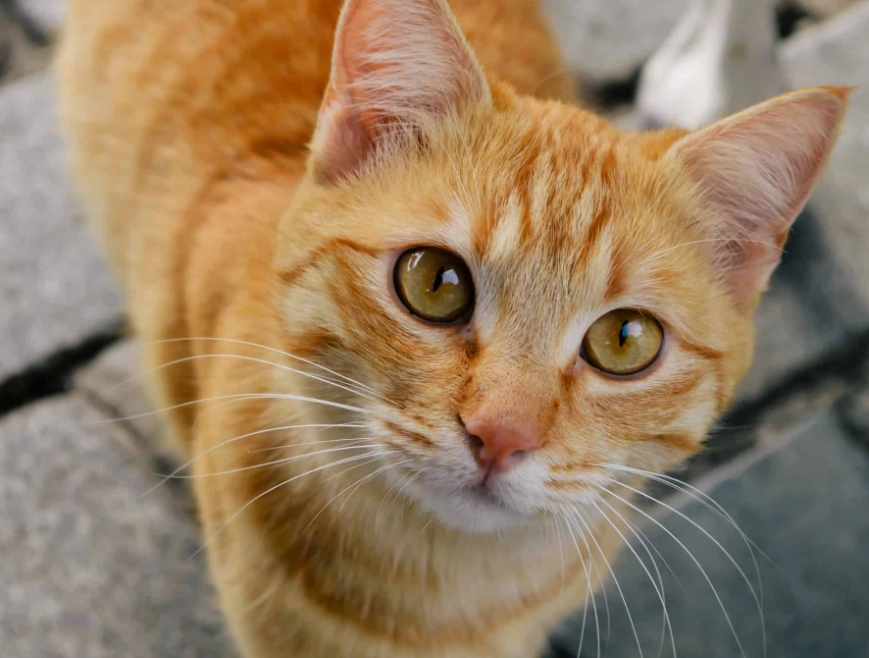
Debunking Myths: Are Orange Tabbies Really Rare or Just Misunderstood?
Let's tackle some myths head-on. I've heard all sorts of things, like "orange tabbies are always male" or "they have a special personality." Nope. Here's the truth.
Myth 1: Orange tabby cats are extremely rare. False. As we saw, they're common. The rarity talk probably stems from the female aspect, but even then, they're not vanishingly rare. In my volunteering, I'd see an orange female tabby every few months—not daily, but often enough.
Myth 2: All orange cats are tabbies. Not true. Solid orange cats exist, but they're uncommon because the tabby pattern is dominant in most cats. If a cat lacks the tabby gene, it might be solid, but that's a genetic quirk. I've only met one solid orange cat in person, and it was a Scottish Fold—a breed where solids are more possible.
Myth 3: Orange tabbies are a specific breed. Wrong. They're a color pattern found across breeds. This misconception leads people to pay more for "rare" orange tabbies, which is a scam. I've seen breeders inflate prices for orange Persians, claiming rarity, when it's just marketing.
One subtle error I've noticed: people think the orange color affects health. There's no evidence for that. The O gene doesn't link to diseases. However, some breeds prone to certain issues, like Maine Coons with heart problems, can be orange tabbies, but it's the breed, not the color. I wish more vets would clarify this to owners.
My Personal Experience with Orange Tabby Cats
I've had three orange tabbies in my life, all rescues. The first was Max, a male mackerel tabby. He was the friendliest cat I've ever known—always greeting visitors at the door. But here's the thing: was that because he was orange? Probably not. It was his personality, shaped by early socialization.
Then there was Luna, an orange female classic tabby. She was more reserved, almost shy. Adopters often asked if she was rare, and I'd explain the genetics. It helped them appreciate her without the hype. Luna got adopted by a family who loved her for her quirks, not her color.
My current cat, Simba, is another orange male. He's a handful—loves climbing curtains and stealing food. Nothing special about that; cats will be cats. But I've seen online forums where owners romanticize orange tabbies as "magical" or "rare treasures." It's harmless, but it spreads misinformation.
From a shelter perspective, orange tabbies are often easier to adopt out because people find them visually appealing. That's a plus, but it can lead to impulsive adoptions. I've had to counsel families to choose based on compatibility, not just coat color. One couple returned an orange tabby after a week because he was "too active"—a classic case of mismatched expectations.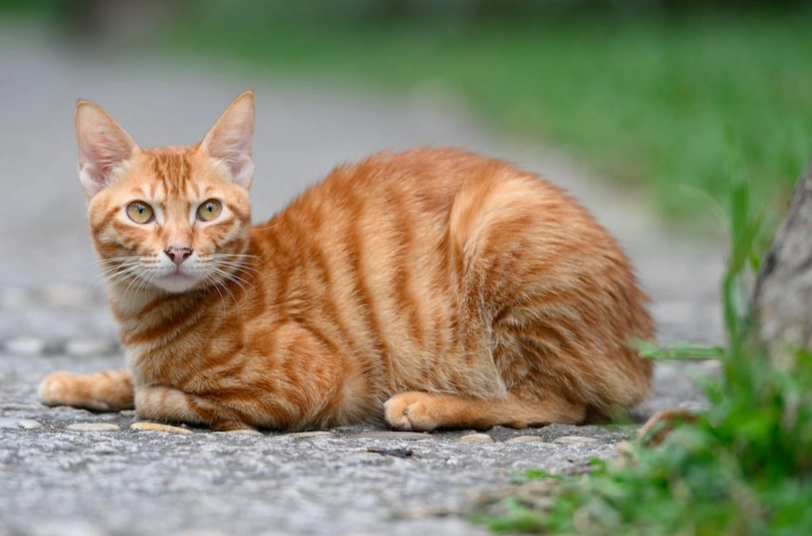
FAQs About Orange Tabby Cats: Your Questions Answered
Wrapping up, orange tabby cats aren't rare in the grand scheme. They're a delightful part of the cat world, with genetics that make females less common but not unheard of. If you're considering adopting one, focus on their individual needs, not myths about rarity. After all, every cat deserves a loving home, orange or not.
For more info, check out resources like the International Cat Association or local shelters—they often have guides on cat colors and genetics. And next time you see an orange tabby, you'll know the real story behind those vibrant stripes.