You're considering a Siberian cat, drawn to their majestic fluff and hypoallergenic reputation. But life gets busy. Work, errands, maybe even a weekend away. So the question hits: can Siberian cats be left alone? The short, honest answer is yes, but with major, non-negotiable caveats. They're not decorative pillows you can leave for days. Getting it wrong means a bored, anxious, or destructive cat. Let's cut through the generic advice and talk about what Siberian-specific solo time really looks like.
What’s Inside This Guide?
Understanding the Siberian Cat's Independent Nature
First, let's bust a myth. People hear "independent cat" and think "low-maintenance robot." That's a recipe for disaster with any breed, especially Siberians. Their independence is more about confidence than aloofness.
Compared to, say, a Siamese who might scream for attention, a Siberian is more likely to entertain themselves—at first. They might watch birds from the window, bat a toy around, or find a sunny spot. This stoic front is why new owners get complacent. I've seen it many times. "He's so quiet when I'm gone!" they say, only to later find shredded curtains or a new pee spot behind the couch. The quiet isn't always contentment; sometimes it's the calm before the boredom storm.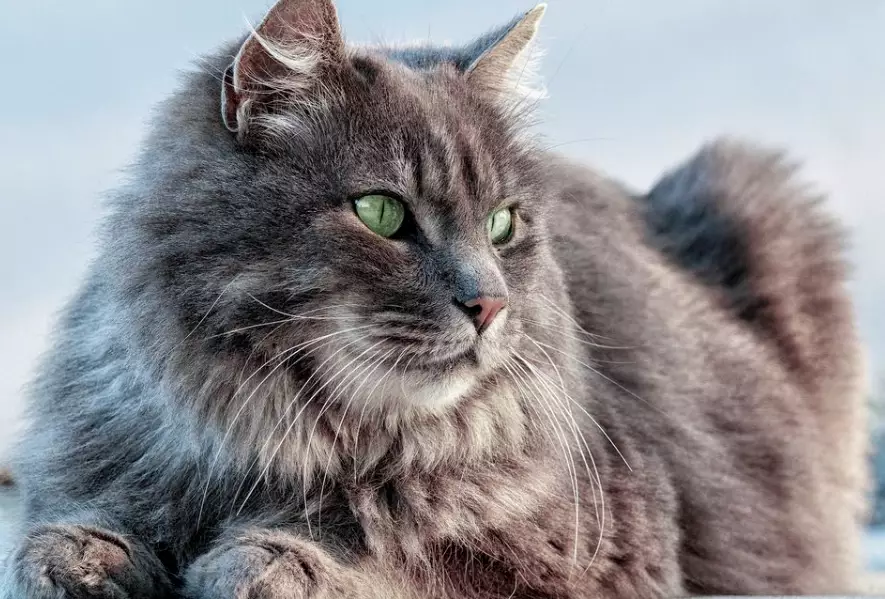
Their history as rugged Russian forest cats means they're problem-solvers. A bored Siberian problem-solver doesn't just sleep. They figure out how to open cabinet doors, knock things off shelves to see what happens, or "hunt" your houseplants.
Key Takeaway: Siberian independence is a buffer, not an exemption. It buys you a few hours of peace, not a free pass to neglect their social and mental needs.
How Long Can You Safely Leave a Siberian Cat Alone?
Here’s the breakdown no one gives you. It’s not one number. It’s a sliding scale based on age, personality, and preparation.
The Realistic Timeframes
Adult Siberian (1-7 years, healthy): A well-adjusted adult can handle 6-8 hours alone during the day. This covers a standard workday plus commute, but it's the upper limit. Making this a daily routine, five days a week, without compensatory enrichment is asking for trouble. Think of it as their max capacity, not their happy place.
Siberian Kitten (under 1 year): Absolutely not. Four hours max, and even that's pushing it for a young kitten. They need frequent feeding, socialization, and supervision. Leaving a kitten alone for a workday is neglectful and can lead to poor litter habits and anxiety.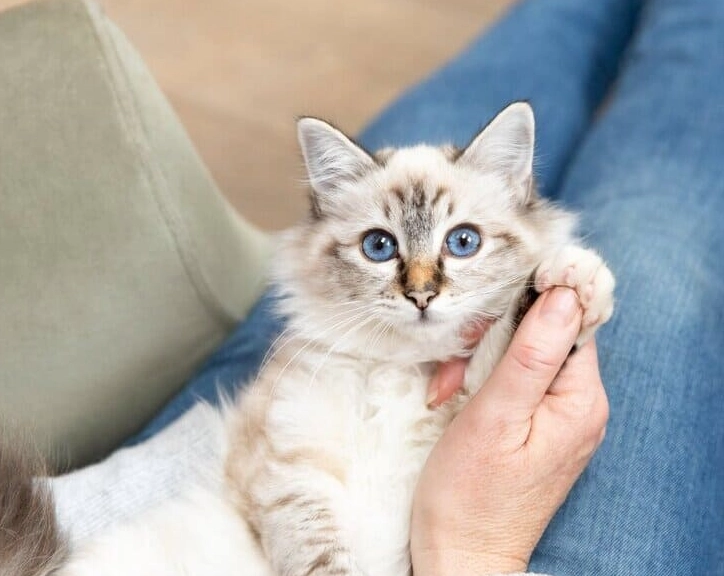
Senior Siberian (8+ years): Time shrinks again. 4-6 hours is safer. Older cats may have medical issues (kidney disease, arthritis) requiring more frequent bathroom breaks or medication. Their world gets smaller, and your absence feels larger.
What about overnight or a weekend? For a single cat, 24 hours is the absolute maximum, and only for an emergency with meticulous prep (multiple litter boxes, timed feeders, water fountains). 48 hours alone is irresponsible, period. Organizations like International Cat Care stress that cats need daily monitoring for health and welfare.
Watch Out: The "I just fill a giant bowl of food" method is a double failure. It promotes overeating (a risk for any cat) and does nothing for their mental state. Solitude isn't just about physical survival.
What Are the Essential Preparations Before Leaving?
Leaving your cat isn't just about walking out the door. It's a mission checklist. Here’s what a prepared environment looks like.
The Physical Safety Audit
Walk through your home like a cat. Unplug unnecessary cords (chewing hazard). Secure toxic plants (lilies are deadly). Ensure windows are securely screened. Check that small objects they could swallow are put away. This is basic, but it's often overlooked in the morning rush.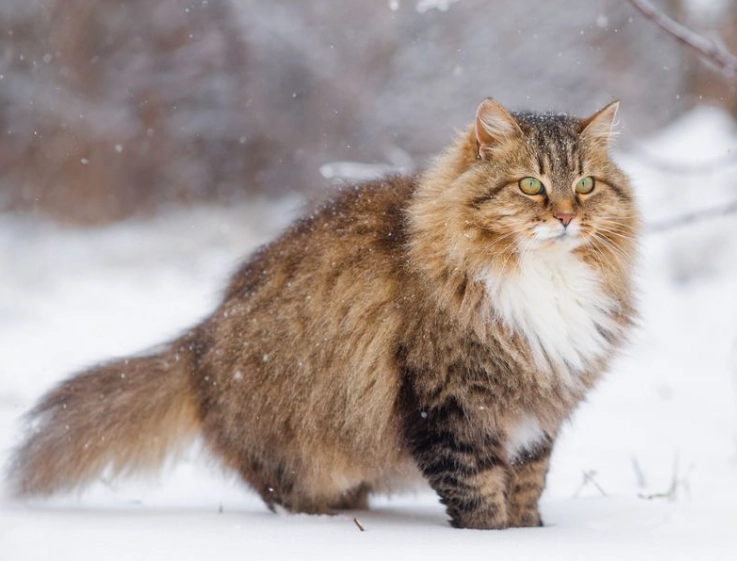
The Resources Checklist
- Fresh Water: Multiple sources are key. One bowl isn't enough. Use a ceramic bowl and a cat water fountain in different rooms. A spilled bowl means no water all day.
- Food: Ditch the giant pile. Use a timed feeder for dry food to dispense two smaller meals while you're gone. It mimics a routine and prevents gorging. For wet food, only leave it if you'll be back within 4-5 hours.
- Litter Boxes: The rule is N+1 (one per cat, plus one extra). For one cat left alone for 8+ hours, two pristine, scooped boxes in different locations is non-negotiable. A dirty box is a major stressor and may lead to accidents.
The Boredom-Busting Arsenal
This is where you earn your peace of mind.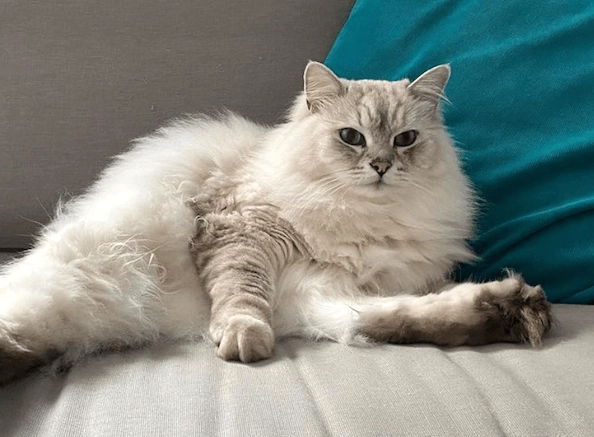
- Puzzle Feeders: Don't just give food. Make them work for it. A puzzle ball with some kibble inside engages their hunting brain for 20-30 minutes.
- Strategic Perching: Create a "cat TV" station by a window with a secure bird feeder outside. A cat tree by this window is perfect.
- Rotating Toys: Leave out 2-3 interactive toys (wand toys are useless alone, so think kicker toys, crinkle balls, toy mice). Put the rest away and rotate them weekly so they stay novel.
- Safe Scents: A Feliway diffuser (a synthetic pheromone mimic) can take the edge off ambient anxiety. It's not magic, but it helps set a calm mood.
I learned the hard way that leaving out every toy just creates clutter they ignore. A few well-chosen items are far more effective.
Common Mistakes Siberian Cat Owners Make
After years in cat circles, I see the same patterns. Here’s what to avoid.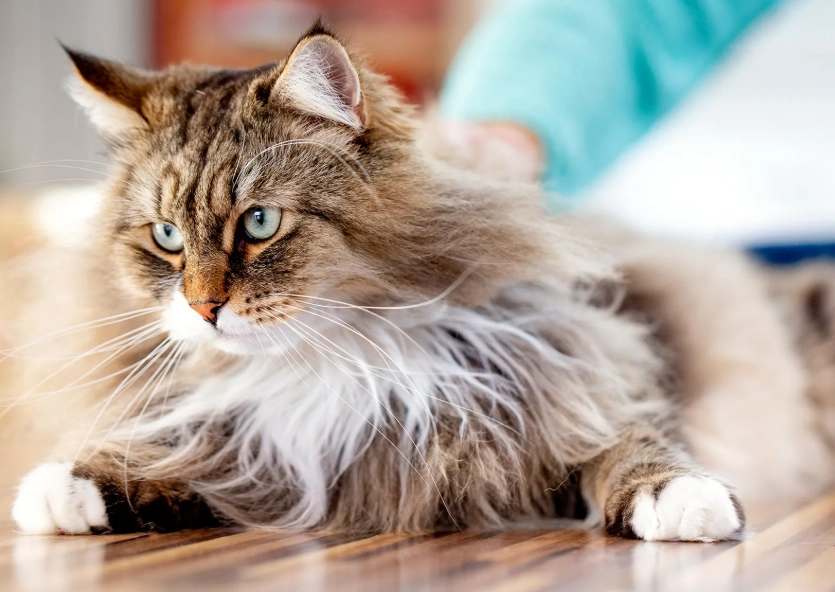
Mistake 1: Overestimating the "Hypoallergenic" Hype. You get a Siberian hoping for less allergies, then feel guilty leaving them. The two issues are unrelated. Their need for company isn't reduced by their fur type.
Mistake 2: The Dramatic Goodbye and Hello. You baby-talk, cuddle, make a big fuss leaving, then do the same coming home. You're teaching your cat that departures are traumatic events and arrivals are huge rewards. This fuels separation anxiety. Be calm and boring around exits and entrances.
Mistake 3: Assuming Playtime is Optional. A tired cat is a good cat. A 15-minute intense play session with a wand toy before you leave and after you return is better than an hour of half-hearted patting while you watch TV. It simulates the hunt-eat-groom-sleep cycle. Skip it, and you'll have a cat with pent-up energy at 3 AM.
Mistake 4: Ignoring the "Slow Fade" of Loneliness. Loneliness in cats isn't always obvious. It's not just meowing. It's a gradual increase in sleeping hours, slightly less interest in food, or becoming velcro when you are home. By the time they start acting out, the problem is entrenched.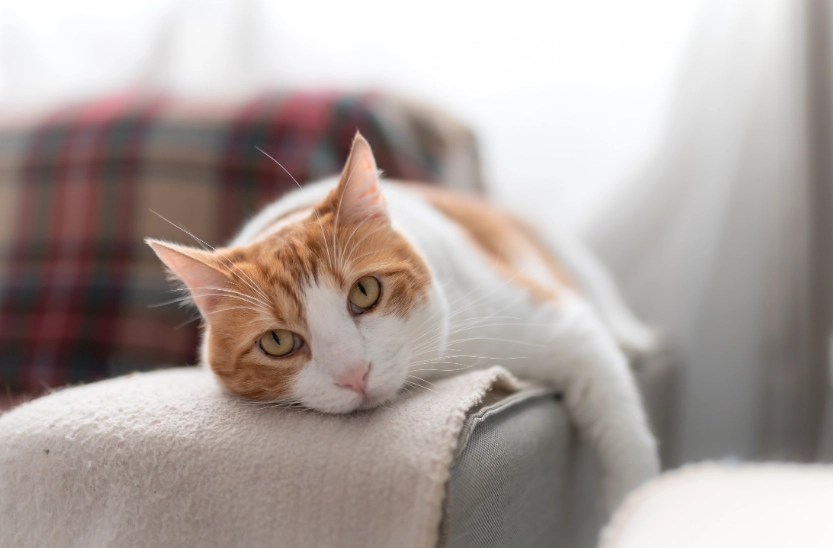
Your Siberian Cat Solitude Questions, Answered
The bottom line? A Siberian cat can be your companion in a busy life, but they are not a low-maintenance pet. Their ability to be alone is a privilege you earn through preparation, observation, and consistent engagement. Respect their independent spirit, but never underestimate their need for your presence and care. Plan for their solo time as seriously as you plan your own day, and you'll have a happy, well-adjusted forest cat ruling your home.