Quick Guide
You see one cross your path, and for a split second, an old, dusty feeling stirs. Is it bad luck? Good luck? Or just a cat minding its own business? The question of what a black cat symbolizes is one of those things that's stuck in our collective brain, a weird mix of Halloween decor, ancient history, and personal experience. I've had a black cat for years—a fluffy void named Binx who does nothing more sinister than knock pens off my desk—and still, the old tales linger. Let's untangle this. The symbolism is a total patchwork, changing completely depending on where you are in the world and when you are in history. It's less about a single meaning and more about a fascinating journey through human fear, reverence, and misunderstanding.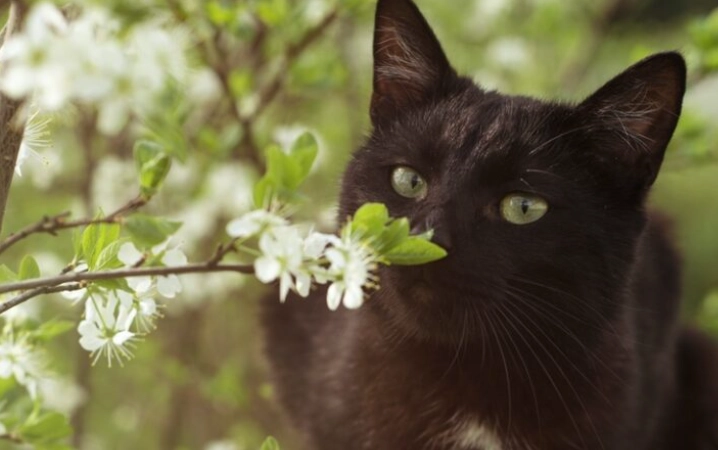
Think about it. In one era, they were worshipped as gods. A few centuries later, the same animal was burned as a demon's familiar. That's a heck of a career shift. It tells you more about us than about the cats.
If you're asking what does a black cat symbolize, you're opening a door to archaeology, folklore, psychology, and even genetics. It's not just a simple answer. For some, it's a spiritual guide. For others, it's a Halloween prop. For shelter workers, it's a heartbreaking reality of lower adoption rates—a phenomenon so common it has a name: Black Cat Syndrome. That's the real modern superstition we should be worried about, not some medieval fear.
From Sacred to Scary: The Historical Whiplash
To get why the symbolism is so conflicted, you have to go back. Way back. In ancient Egypt, cats in general were a big deal. They protected grain stores from rodents, which meant they protected life itself. The goddess Bastet, depicted as a lioness or a domestic cat, was the goddess of home, fertility, and protection. Killing a cat, even accidentally, could be a death penalty offense. While specific references to *solely* black cats are rarer, their color likely connected them to the night, the underworld, and protective powers against unseen spirits. They were symbols of good fortune and divine favor. You can see artifacts and read more about the veneration of cats in ancient Egypt from sources like the Smithsonian Institution, which details how deeply integrated they were into daily and religious life.
Fast forward to Europe in the Middle Ages, and the vibe does a complete 180. The Church, seeking to stamp out pagan traditions, began associating common pagan symbols with evil. Cats, especially nocturnal and independent black cats, were perfect targets. Pope Gregory IX's 1233 papal bull, Vox in Rama, essentially linked black cats to Satanic worship. The belief took root that witches could transform into black cats to slink around unnoticed. This wasn't just a story; it had deadly consequences. During the plague, people killed cats en masse, thinking they were evil. Of course, this removed the main predator of rats, which actually helped spread the Black Death. The irony is brutal. The British Museum holds records and pamphlets from the witch trial eras that show how folklore was weaponized against both women and animals.
This medieval panic is the direct ancestor of the "black cat crossing your path is bad luck" superstition in Western cultures. The idea was that a witch (as a cat) was on her way to some mischief, and crossing her path meant you were in her way or had glimpsed her secret. It's a specific, paranoid piece of history that somehow became a global pop-culture trope.
A World Tour of Meanings: It's Not All Bad Luck
This is the most important part to understand. Asking what does a black cat symbolize in, say, Japan versus Scotland will get you opposite answers. If you only know the Western bad-luck myth, you're missing most of the story.
| Region/Culture | Primary Symbolism | Key Beliefs & Notes |
|---|---|---|
| Japan | Good Luck, Prosperity | The maneki-neko (beckoning cat) is often depicted as a calico, but black versions are specifically believed to ward off evil spirits and bring good health. They are popular talismans. |
| Scotland & parts of England | Good Fortune | An old belief says a strange black cat arriving at your home signifies prosperity. In Scottish lore, a black cat on your porch means money is coming. |
| Ancient Egypt | Divine Protection, Good Fortune | Linked to the goddess Bastet. Cats were protected by law; their death was mourned, and they were often mummified. |
| Medieval Europe | Evil, Witchcraft, Misfortune | Associated with witches and demons. This is the direct source of the mainstream Western bad-luck superstition. |
| Sailors & Fishermen (Various) | Good Luck for Voyages | Black cats on ships were prized. They kept rats down and were believed to ensure a safe return. A cat washing its face meant a storm was coming. |
| Modern Western Pop Culture | Mystery, Halloween, Elegance | Symbol of witches (like Sabrina), Halloween icon, and a sign of sleek sophistication (think fashion brands). |
See what I mean? The symbolism is all over the map. In the British Isles alone, it's a mess of contradictions. In some English counties, giving a black cat to a bride was the best possible wedding gift for a happy marriage. Yet the crossing-path myth persisted right alongside it. It's like we couldn't make up our minds.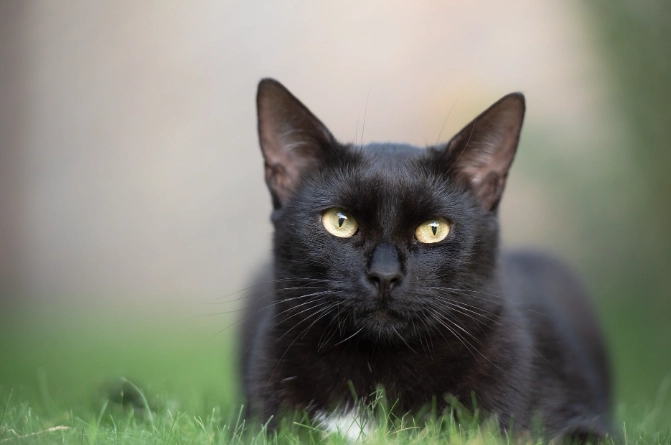
Fun Fact: In the English Midlands, it was believed that owning a black cat could cure chronic illnesses like whooping cough. The method? Letting the cat's tail touch the patient's mouth. I'm not recommending this from a medical or feline-consent standpoint, but it shows how they were seen as healing agents.
The Science Behind the Silhouette
Let's step away from myth for a second and talk fur. Why are some cats black? It's not magic; it's genetics. The black coat color is caused by a high concentration of melanin, specifically eumelanin. It's a dominant gene. In the wild, this coloration is excellent camouflage for hunting at night. Some scientists even suggest the genetic mutation that causes black fur may be linked to stronger immune systems, which is pretty cool. The National Institutes of Health (NIH) has published research on feline genetics that touches on coat color and associated traits, moving the conversation from superstition to biology.
So, a black cat isn't a separate species or a magical entity. It's just a cat with a specific, and actually quite useful, genetic makeup. That sleek, all-over color can make their expressions a tiny bit harder to read for us humans—we rely a lot on seeing facial markings—which might, on a subconscious level, feed into that "mysterious" aura. But spend five minutes with one, and you'll see the same goofy, loving, or aloof personality you find in any other cat.
Black Cats in Modern Culture: From Omen to Icon
Today, the symbolism is less about fearing an omen and more about consuming an aesthetic. Think about it. Black cats are everywhere in October. They're the ultimate shorthand for spooky season. But they've also been reclaimed as symbols of elegance and non-conformity. The band The Cure had an album with a stark black cat image. Fashion houses use them to convey sleek mystery. In Neil Gaiman's The Sandman, the cat-bastion of dreams is a black cat. And of course, there's Salem from Sabrina the Teenage Witch, who turned the witch's familiar into a sarcastic, pop-culture-quoting sitcom star.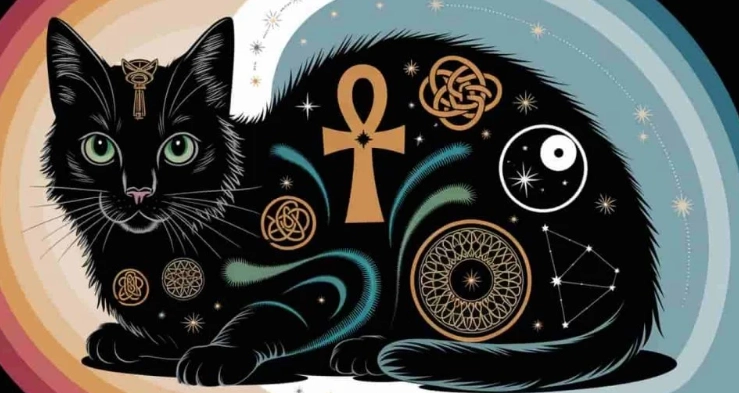
This pop-culture presence is a double-edged sword. It keeps them visible, but it can also pigeonhole them as just a "Halloween animal." The real-world impact is that animal shelters often report lower adoption rates for black cats, especially in the months leading up to Halloween, due to fears they'll be used in pranks or rituals. Many shelters actually suspend black cat adoptions in October as a safety precaution. This, to me, is the saddest modern twist on the old symbolism. The superstition has morphed from "it'll curse me" to "someone might hurt it because of an old story."
I remember when I adopted Binx. The shelter volunteer sighed with relief. "Finally," one worker said. They'd had him for months, and all the other cats with more "interesting" coat patterns had found homes. He was the sweetest one there, but he was just... black. That experience really cemented for me how silly these ingrained biases are.
Answering Your Burning Questions (The FAQ)
Beyond Symbolism: The Real Black Cat
At the end of all this talk about symbolism, it's crucial to remember we're discussing a living animal. The black cat symbolism is a human-made story draped over them. The cat itself is just being a cat. They don't know they're "symbolic." They know they want dinner, a warm lap, and maybe to chase that red dot.
The most important takeaway, especially if you're considering a pet, is to see past the fur color. Black cats are not a monolith. Some are cuddly, some are aloof, some are playful goofballs. Their personality isn't dictated by their coat. In fact, many shelter workers will tell you black cats are often the last to be adopted and the first to be euthanized due to overcrowding—a tragic legacy of centuries-old fear.
So, what does a black cat symbolize today? It can symbolize whatever you let it. It can be a holdover of an irrational fear. It can be a cool Halloween decoration. It can be a spiritual talisman. Or, it can simply symbolize a wonderful, loving pet who happens to be dressed in a sleek, elegant black coat. I know which meaning I choose.
Next time you see one, instead of wondering about luck, maybe just appreciate it for what it is: a beautiful animal with a wildly complicated history. And if you have room in your home and heart, consider giving one a chance. You'll be breaking a silly curse and gaining a fantastic friend.