Quick Navigation
- Meet the Two Stars: American vs. Japanese Bobtail
- What's the Deal with That Tail? Health and Genetics
- Living with a Bobtail: Personality, Care, and the Real Deal
- Finding Your Bobtail Cat: Breeder, Rescue, or Serendipity?
- The Not-So-Glamorous Parts (Let's Be Real)
- Wrapping It Up: Is a Bobtail Cat Right for You?
You know how some cats just have that look? The one that makes you stop and wonder what kind of fascinating creature you're seeing. For me, that happened the first time I laid eyes on a bobtail cat. It wasn't just the short, expressive tail—or lack of a long one—that caught my attention. It was the whole package: a sturdy build, an intelligent gaze, and a vibe that was somehow both wild and deeply affectionate. I remember visiting a friend who had one, a gorgeous American Bobtail named Jasper. Within minutes, Jasper was fetching a crumpled paper ball and dropping it at my feet, looking up expectantly. A cat playing fetch? I was sold.
But here's the thing most people don't realize right away: "bobtail cat" isn't just one thing. It's a bit of an umbrella term that primarily covers two distinct, recognized breeds: the American Bobtail and the Japanese Bobtail. And then there are random-bred domestic cats with short tails, often called "natural bobtails." It can get confusing if you're just starting to look into them. So, let's clear that up first. If you're searching for information on a bobtail cat, you're probably curious about one of these two main breeds, each with a totally different history and feel.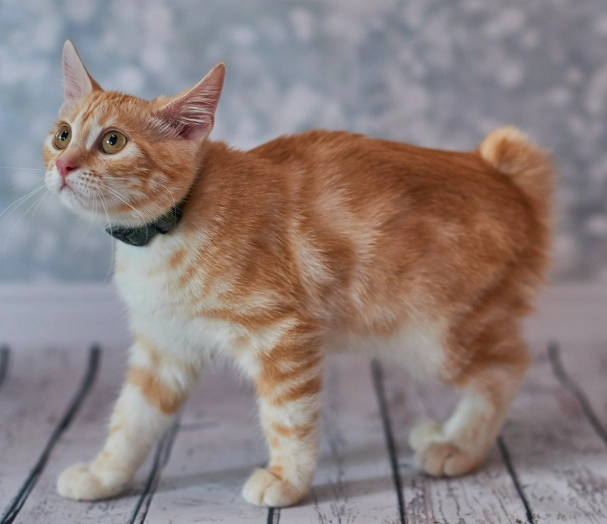
The Big Picture: Think of bobtails as the canine enthusiasts of the cat world. They're often described as dog-like in their loyalty, trainability, and love for interactive games. They form incredibly strong bonds with their people. But don't mistake that for being lazy lap cats—they're playful, smart, and need mental stimulation.
Meet the Two Stars: American vs. Japanese Bobtail
Okay, let's break down the two main players. They're as different as sushi and apple pie, honestly.
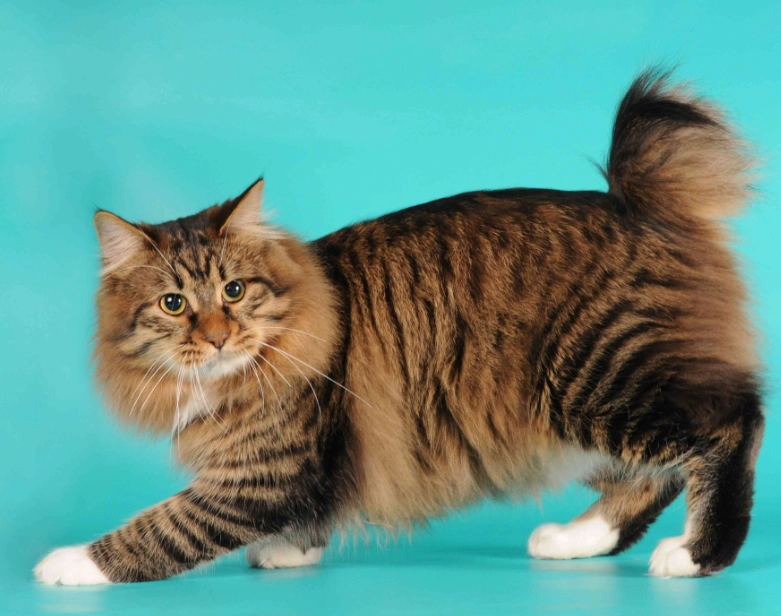
The American Bobtail is the rugged outdoorsman. The breed's origin story is pretty cool—it's believed to have started in the late 1960s with a brown tabby male with a short tail found in Arizona. Breeders worked to develop that natural mutation into the cat we know today. The key takeaway? This breed was developed in the US to look wild (like a bobcat) but have the temperament of a sweet, devoted companion. Mission accomplished, I'd say. Their tails are short, flexible, and can be straight, slightly curved, or have bumps and kinks—no two are exactly alike, which is part of their charm.
The Japanese Bobtail, on the other hand, is steeped in ancient history and is considered a good luck charm in its homeland. You've probably seen the iconic maneki-neko, the beckoning cat figurine—that's based on the Japanese Bobtail! These cats have been documented in Japan for centuries. Their tails are more like a fluffy pom-pom, and they're often described as looking like a rabbit's tail. They are slender, elegant, and have a distinctly triangular head with large, expressive eyes. Their personality is more overtly social and talkative compared to the American's laid-back confidence.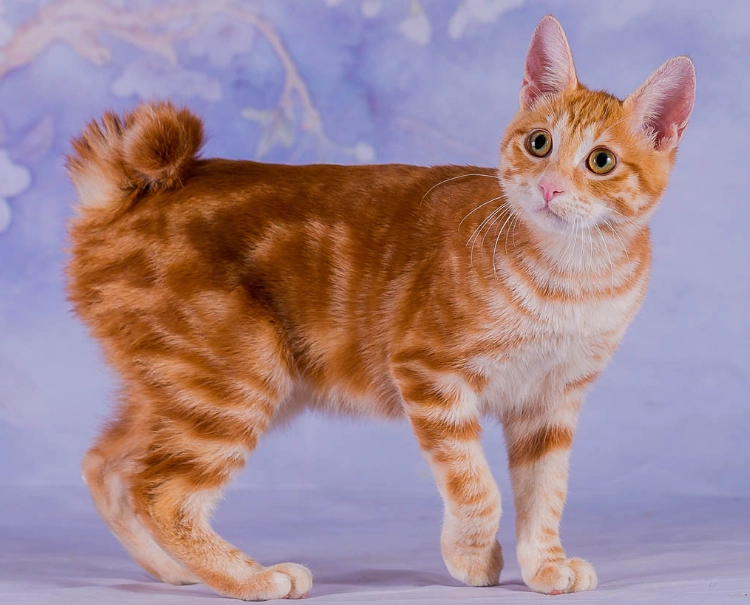
| Trait | American Bobtail | Japanese Bobtail |
|---|---|---|
| Origin | United States (1960s) | Japan (Centuries-old) |
| Build | Stocky, muscular, substantial | Slender, elegant, athletic |
| Coat | Medium-long or short, plush | Short or long (silkier) |
| Tail | Short, flexible, "bobbed" (1-4 inches) | Short, pom-pom like, kinked |
| Personality Vibe | Laid-back, adaptable, dog-like, playful | Social, vocal, active, "clownish" |
| Best For | Families, singles, adaptable to various homes | Active families, people who want a chatty companion |
See? Different worlds.
I lean towards the American Bobtail's temperament myself—that easygoing, go-with-the-flow attitude is perfect for my sometimes chaotic household. But a friend who has a Japanese Bobtail swears she's never had a more entertaining and communicative pet. It really comes down to what kind of feline energy you mesh with.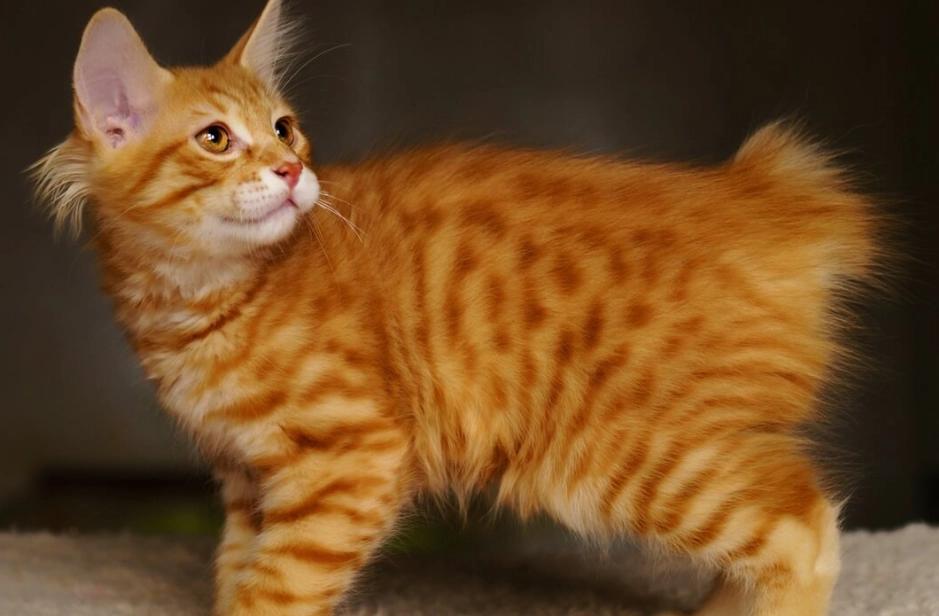
What's the Deal with That Tail? Health and Genetics
This is the question everyone has: Is the short tail a health problem? It's a great and important question. For both recognized bobtail cat breeds, the short tail is the result of a natural genetic mutation, and it is not linked to the severe spinal problems associated with breeds like the Manx (a completely different breed and gene).
The genetics are actually fascinating. In the American Bobtail, it's a dominant gene, meaning only one parent needs to carry it to potentially produce bobtailed kittens. The length and shape are random. In the Japanese Bobtail, it's a recessive gene, and the tail structure is more consistent—that cute little pom-pom. Reputable breeders carefully select for health and temperament to ensure the mutation doesn't cause issues.
When I was researching before getting my own mixed-bobtail rescue, I dug into this a lot. I found that The International Cat Association (TICA) and the Cat Fanciers' Association (CFA) both have strict breed standards that emphasize health. A good breeder will always provide health guarantees and be transparent about genetic testing. For random-bred bobtails, a vet check is crucial to rule out any tail injury or congenital issue.
That said, no breed is without its potential concerns. It's not so much the tail, but other breed-specific tendencies to be aware of.
Potential Health Considerations for a Bobtail Cat
- American Bobtail: Generally a robust breed. They can be prone to hip dysplasia (due to their substantial build) and some heart issues like hypertrophic cardiomyopathy (HCM). A responsible breeder will screen for these.
- Japanese Bobtail: Also considered a healthy breed with a long lifespan. They have fewer documented genetic issues, but again, screening for HCM is a good practice. Their high energy needs an outlet to prevent obesity.
- All Bobtails: Because of the tail structure, some individuals might have slight sensitivity at the base of the tail. It's rare, but something to be gentle about during handling. Always lift a cat by supporting the chest and hindquarters, never by the tail or under the front legs.
The bottom line? A bobtail cat from a reputable source is not inherently unhealthy because of its tail. Do your homework on the breeder or rescue.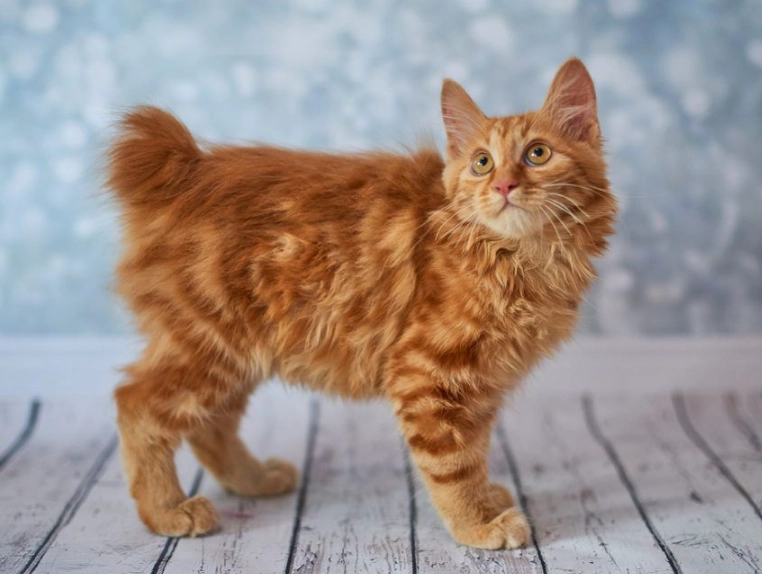
Living with a Bobtail: Personality, Care, and the Real Deal
So, what's it really like to live with one of these cats? Let's move past the breed descriptions and into the day-to-day.
You've probably heard they're "dog-like." But what does that mean in practice? For my friend's cat Jasper (the American Bobtail), it meant he learned his name instantly, came when called, and was leash-trained by the time he was a year old. He also had a favorite stuffed mouse he would carry around the house and "bury" under blankets. It's this combination of intelligence and a desire to interact with you, not just toys by themselves.
Japanese Bobtails take the social aspect up a notch. They tend to be master communicators. They don't just meow; they have a whole repertoire of chirps, trills, and sounds. If you want a quiet apartment, this might not be your breed. If you want a conversationalist, you've hit the jackpot.
The Bobtail Care Checklist
- Grooming: Easier than you think! American Bobtails have a low-shedding, water-resistant coat that rarely mats. A weekly brush is plenty. Japanese Bobtails (especially longhairs) need a bit more frequent brushing to prevent tangles. Both breeds generally keep themselves very clean.
- Diet: They're not fussy, but quality matters. American Bobtails, being bigger-boned, need a diet that supports joint health. Japanese Bobtails, being energetic, need good protein to fuel their antics. Consult your vet—it's the best move.
- Exercise & Play: This is non-negotiable. These are smart cats. Boredom is their enemy. Puzzle feeders, interactive wand toys, fetch sessions, and even clicker training are fantastic. A bored bobtail cat might just invent its own games... with your curtains as the prop.
- Environment: They thrive in environments where they are part of the action. Cat trees by windows, cozy beds in common rooms, and secure access to a catio (a cat patio) are bobtail heaven. They often get along well with cat-friendly dogs and other cats, especially if introduced properly.
Quick Bobtail Cat Q&A
Finding Your Bobtail Cat: Breeder, Rescue, or Serendipity?
This is the big decision point. There are three main paths.
1. Reputable Breeder: This is the route for someone who wants a specific breed (American or Japanese) with predictable traits, a known health history, and breeder support. Expect to be on a waitlist and pay a significant amount. Red flags: breeders who have multiple litters available at once, sell kittens under 12-16 weeks old, don't ask you questions, or won't let you visit the premises. A good resource to start is the breed-specific sections on the TICA website or the CFA website for breeder referrals.
2. Rescue or Shelter: This is how I got my cat! You might find a purebred bobtail cat in rescue (it happens more than you think), but more often you'll find wonderful domestic shorthairs with natural bobtails. These cats are just as loving and unique. Check Petfinder.com and use filters like "Special Needs" or search for "bobtail" in the description. Local shelters are also a great bet.
3. The "Oops" Litter or Friend's Cat: Sometimes you just meet a cat. If a neighbor's cat has kittens with short tails, that's a natural bobtail. Please ensure they get proper vet care, vaccinations, and are spayed/neutered. The ASPCA's general cat care guides are invaluable here, regardless of tail length.
My two cents? Don't discount the rescue route. The love is the same, and you're giving a home to a cat who really needs one.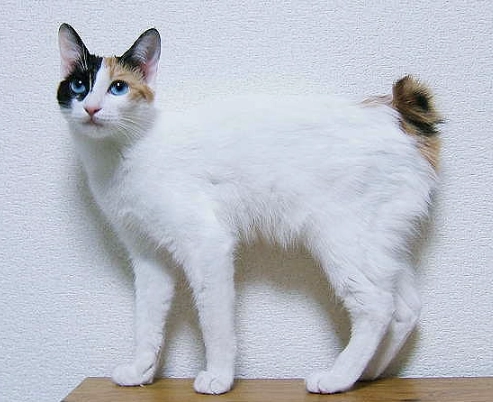
The Not-So-Glamorous Parts (Let's Be Real)
It's not all fetch and cuddles. I want to be honest about the potential downsides, because every breed has them.
First, the intelligence. It's a double-edged sword. A smart cat can learn tricks, but a smart, bored cat can learn how to open cabinet doors, turn on faucets, and dismantle any child-proof lock you install. You need to commit to providing ongoing mental challenges. Think of them as a clever toddler with sharp claws.
Second, some American Bobtails can be stubborn. That easygoing nature can sometimes translate to "I hear you, human, and I have decided to ignore that command." Positive reinforcement is key; they don't respond well to force or negativity.
Third, the Japanese Bobtail's vocal nature can be overwhelming for some. It's not a soft meow; it's a persistent, conversational commentary on life. If you need absolute quiet to work or sleep, this might drive you nuts. I know someone who had to move her Bobtail's bed out of the bedroom because the 5 AM "hello, the sun is rising" chirps were too much.
Finally, the cost. Whether from a breeder or addressing a health issue in a rescue, these cats can be an investment. Pet insurance is something I now strongly recommend for any purebred animal.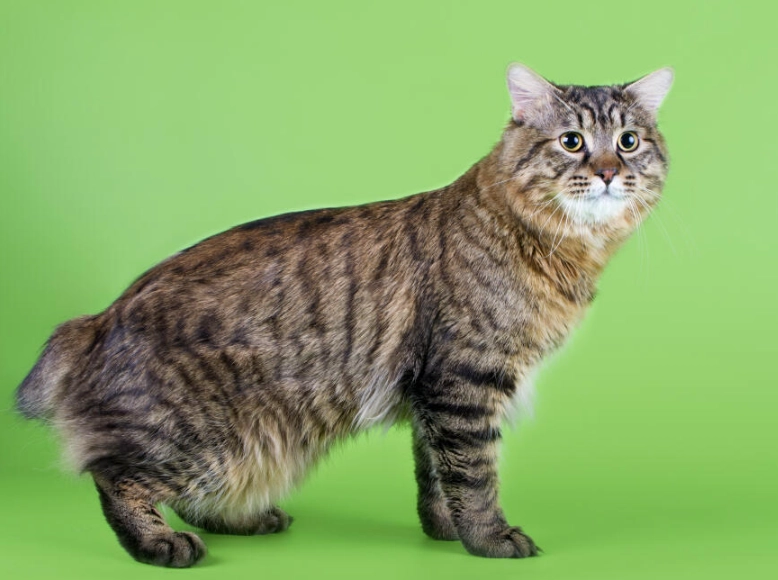
Wrapping It Up: Is a Bobtail Cat Right for You?
So, after all this, who is the ideal bobtail cat person?
You'll likely thrive with a bobtail cat if: you want an interactive, engaging companion (not just a living room decoration); you have time for daily play and interaction; you appreciate a unique look with a rich history; and you're looking for a loyal, family-oriented pet that breaks the typical "aloof cat" stereotype.
You might want to reconsider if: you are away from home very long hours regularly; you prefer a quiet, independent cat that mostly keeps to itself; or you're unwilling to provide consistent mental stimulation and playtime.
At the end of the day, bringing any bobtail cat into your home—whether a majestic American with a wild heart or a chatty Japanese good-luck charm—means welcoming a truly distinctive personality. They're more than just a short tail; they're a whole experience. Do your research, meet some if you can, and be honest about your lifestyle. If it's a match, you're in for one of the most rewarding and entertaining relationships you can have with a pet.
Just maybe hide your hair ties and be prepared to play a lot of fetch.