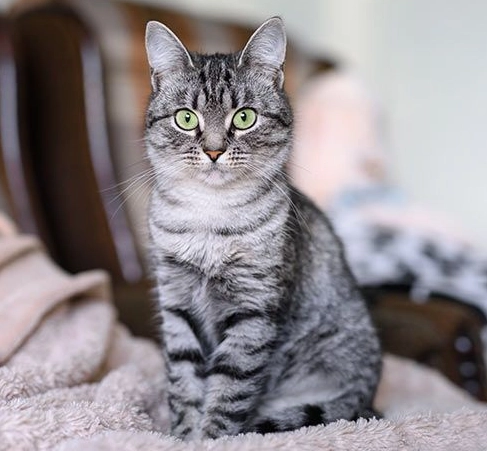
That image is compelling, isn't it? A sleek, tufted-eared wild cat lounging on your couch. The idea of having a lynx as a pet taps into something deep. But let's cut to the chase: for 99.9% of people, the answer is a resounding no. It's not just difficult; it's often illegal, wildly expensive, ethically fraught, and ultimately unfair to the animal. This isn't about getting a quirky pet. It's about attempting to confine a wild predator.
I've spoken with sanctuary owners who've taken in "pet" lynxes. The stories rarely have happy endings. This guide isn't here to sell you a dream. It's here to walk you through the stark reality, so you can understand why that dream is best left as a photo on your screen.
What You'll Learn in This Guide
The Legal Maze: Is It Even Allowed Where You Live?
This is your first and highest wall. Forget national rules; in the U.S., exotic pet laws are a chaotic patchwork of state, county, and city regulations. You might be legal in one town and a felon in the next.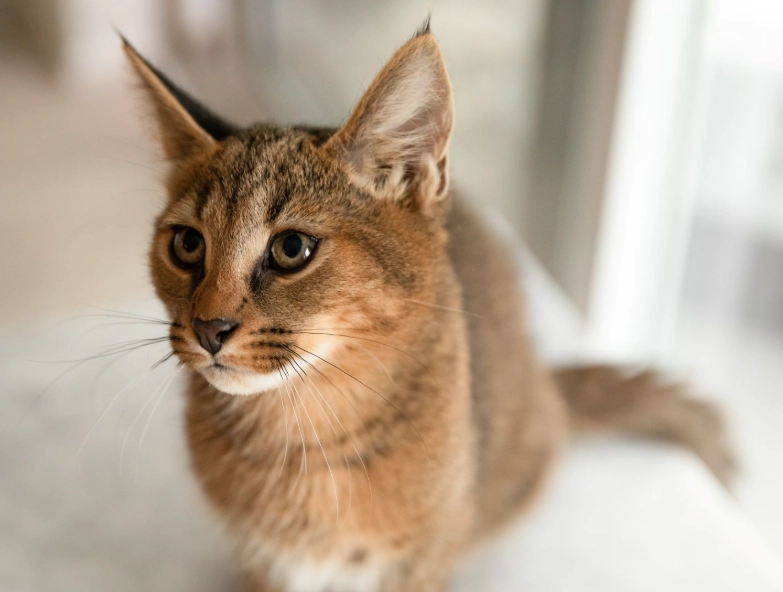
Broadly, states fall into a few categories:
| Legal Category | What It Means | Example States (Check Current Laws!) |
|---|---|---|
| Banned | Private ownership is completely prohibited. | California, Hawaii, New York, Georgia |
| Permitted with License | You need a state or federal permit (USDA), which involves inspections, fees, and proving expertise. | Texas, Pennsylvania, Nevada (varies by county) |
| Partially Restricted | Laws may target specific species or require registration. Local laws often override. | Florida, Illinois |
| No State Restrictions | The state doesn't prohibit it, but cities and counties almost always do. | Alabama, Wisconsin, North Carolina |
Here's the expert nuance everyone misses: even in a "no restriction" state, your county zoning laws likely forbid housing a dangerous animal. Your homeowner's insurance will almost certainly drop you. And if your lynx escapes or injures someone, you face staggering liability. The legal headache never ends.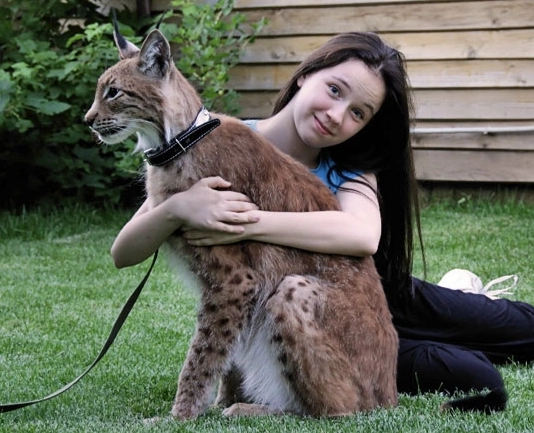
The True Cost: A Financial Black Hole
Let's talk numbers, because this is where fantasy meets bank account. The purchase price from a breeder ($1,500 - $7,000+) is the smallest check you'll write.
Think about housing. A lynx cannot live in your home. It needs a massive, secure, outdoor enclosure. We're talking minimum 1,000 square feet, with 15-foot-high fencing, dig-proof foundations, sheltered areas, and climbing structures. Construction can easily hit $10,000 to $30,000. One sanctuary director told me about a "pet" lynx that arrived after chewing through the owner's wooden garage door. Twice.
Then there's diet. Lynxes are obligate carnivores. They need whole prey or a specialized raw meat diet—rabbits, chickens, quality commercial raw food. This isn't buying a bag of kibble. This is sourcing, storing, and handling hundreds of pounds of meat annually. Budget at least $2,000-$3,000 per year, and that's conservative.
Veterinary care is its own world. You need an exotic vet who knows felid medicine. Check-ups, vaccinations, and emergencies cost 3-5 times more than for a domestic cat. Anesthesia alone is riskier and pricier. Finding a vet willing to treat a full-grown lynx is a challenge in itself.
Add in insurance (if you can get it), enrichment toys (they destroy everything), and potential property damage. You're looking at a lifelong commitment of tens of thousands of dollars.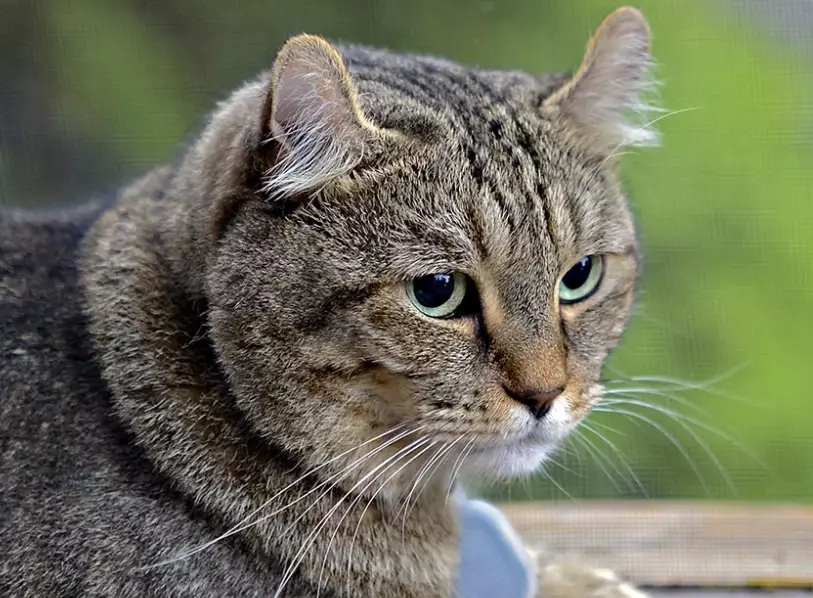
A Realistic Cost Breakdown (First Year)
- Lynx Kitten: $3,000 - $5,000
- Enclosure Build: $15,000 - $25,000
- Specialized Diet (Year 1): $2,500+
- Initial Vet Visits/Vaccines: $800 - $1,500
- Miscellaneous (Toys, Bedding, etc.): $1,000+
- Estimated First-Year Total: $22,300 - $33,500+
And remember, the enclosure is a one-time cost, but food, vet care, and maintenance continue every single year for the lynx's 10-15 year lifespan.
Daily Care Reality: This Is Not a House Cat
Behavior is the biggest shock for unprepared owners. Lynxes are not domesticated. They are solitary, territorial predators. That cute kitten will grow into a 20-40 pound powerhouse with instincts you cannot train away.
Scent marking is a major issue. They spray urine to mark territory. This isn't like a tomcat; the volume and odor are profoundly powerful and nearly impossible to remove from surfaces.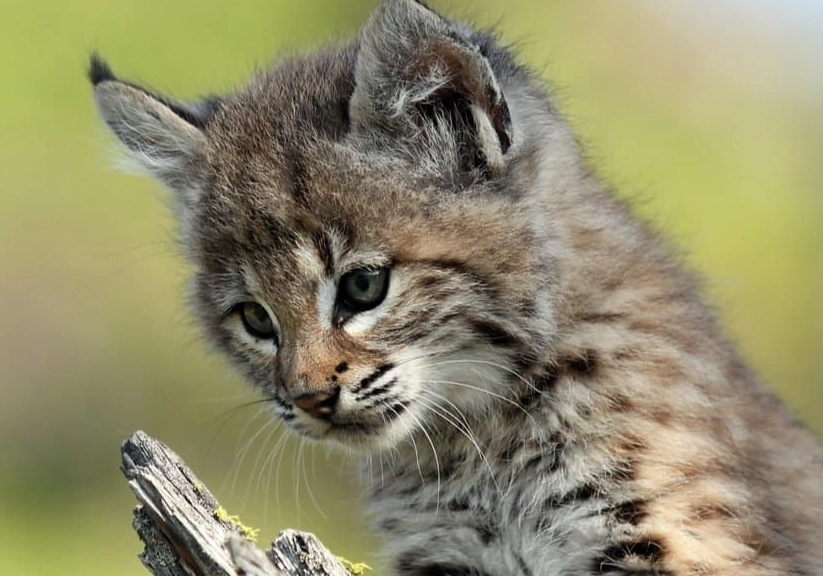
Socialization is limited. They may bond with one or two people but remain aloof or aggressive toward strangers, children, and other pets. Their "play" involves hunting-style pounces, bites, and scratches that can cause serious injury, even without malicious intent.
They are crepuscular (most active at dawn/dusk) and can be vocal, making loud cries, growls, and calls. Your neighbors will not appreciate it.
You cannot simply go on vacation. Finding a qualified, willing pet sitter for a lynx is nearly impossible. Your life becomes tethered to the animal's demanding schedule.
The Ethical Question: Is It Ever Right?
This is the heart of the matter. Even if you navigate the legal and financial hurdles, should you?
Wild animals have complex physical and psychological needs evolved over millennia for life in the wild. A large enclosure, no matter how well-built, is still a cage. It limits their ability to roam, hunt, and express natural behaviors on a scale they are driven to.
Consider the "retirement" problem. What happens in 10 years when you move, have a child, or the care becomes too much? Reputable sanctuaries like Big Cat Rescue in Florida or The Wild Animal Sanctuary in Colorado are overflowing with former "pets" surrendered by owners who couldn't handle them. These animals often arrive with behavioral issues and require lifetime care in sanctuary, a fate they didn't choose.
Owning a lynx often says more about the owner's desire for a status symbol than a genuine commitment to animal welfare. There's a reason major animal welfare organizations like the ASPCA and Humane Society oppose private ownership of wild cats.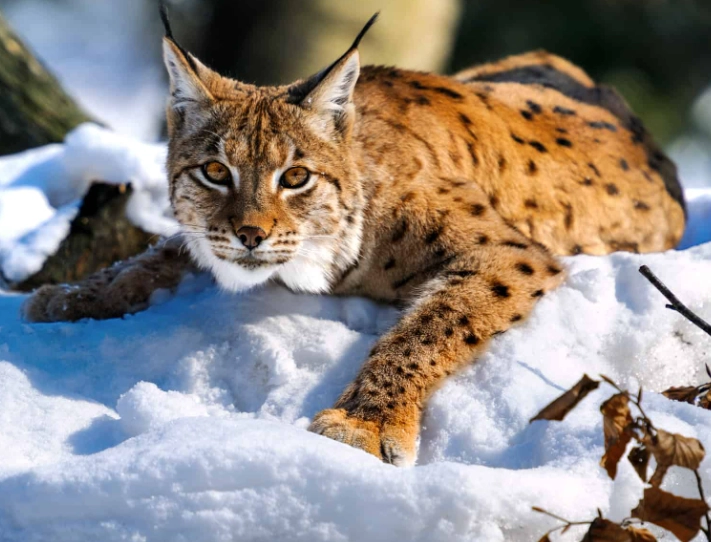
Safer, Kinder Alternatives to a Pet Lynx
If you're captivated by lynxes, there are ways to engage that don't involve captivity.
Support a Sanctuary: Volunteer or donate to an accredited big cat sanctuary. Your money directly cares for animals that needed rescue. You might even get to observe them in a more naturalistic setting than a backyard pen.
Adopt a Domestic Cat that Looks Wild: Breeds like the Maine Coon, Norwegian Forest Cat, or even certain mixes have tufted ears, large size, and a majestic presence. You get the aesthetic with a loving, domesticated companion.
Become a Wildlife Advocate: Support conservation groups working to protect lynxes (like the Canadian Lynx) in their natural habitats. Follow wildlife photographers and documentarians.
I once met a couple who sold their idea of a "pet serval" (another wild cat) to fund trips to Africa for real safaris. They said the memory of seeing cats on the savanna was infinitely more rewarding than the stress of keeping one in their basement.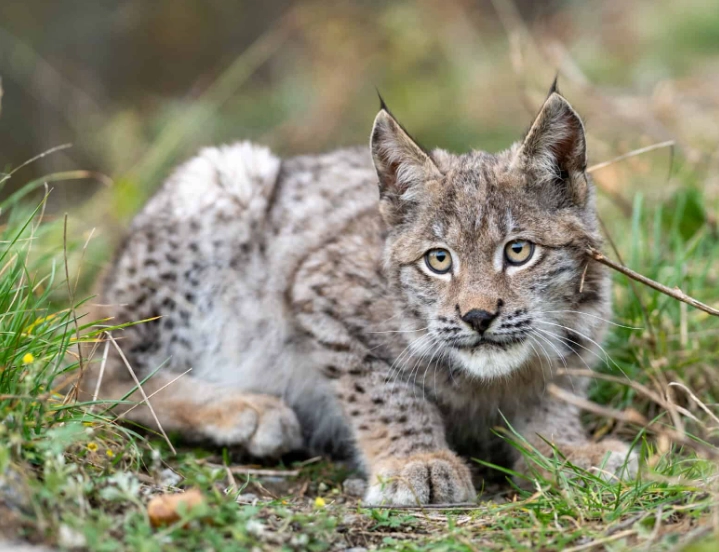
Your Questions, Answered Honestly
The bottom line is stark. The desire to own a lynx usually comes from a place of love for these magnificent animals. But the truest form of that love is appreciating them from a distance, ensuring their wildness remains intact, and supporting their conservation—not trying to fit a piece of the wilderness into your backyard.