Quick Guide
- What Exactly Is a Savannah Cat Anyway?
- The Big Question: Are Savannah Cats Good Pets? Let's Break It Down
- The Deal-Breaker You MUST Check First: Legal Restrictions
- Life With a Savannah: The Day-to-Day Reality
- Common Questions People Are Afraid to Ask
- The Financial Reality: What Does It Really Cost?
- The Verdict: Who Should (and Shouldn't) Get a Savannah Cat
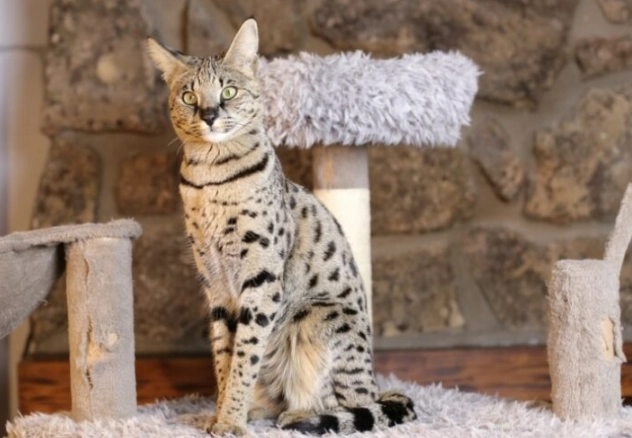
So you've seen the pictures. That stunning, leggy cat with the bold spotted coat and ears that look like they could pick up satellite signals. The Savannah cat. They look like miniature leopards prowling through a living room instead of a savanna. It's impossible not to be captivated. And then the question hits you, the one that brings you here: Are Savannah cats good pets? For me, it's a question that needs more than a simple yes or no. It's a maybe, a sometimes, and a loud, clear "it depends" all rolled into one.
I've talked to breeders, spoken with rescues (yes, there are Savannah cat rescues, which tells you something), and spent hours with owners who adore their cats and owners who were completely overwhelmed. The answer isn't in a brochure. It's in the messy, wonderful, and often challenging reality of living with a creature that's part domestic cat and part wild serval.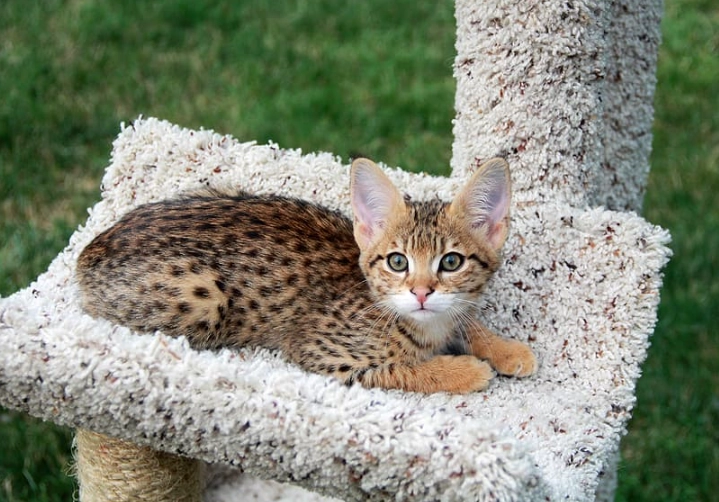
What Exactly Is a Savannah Cat Anyway?
Before we can even begin to answer if they're good pets, you need to know what you're dealing with. A Savannah cat is a hybrid cross between a domestic cat and an African serval (Leptailurus serval). That wild ancestry isn't just for looks; it fundamentally shapes their behavior, needs, and legal status.
The key thing to understand is the "F" number, which stands for filial generation. This tells you how many generations removed the cat is from its wild serval ancestor.
| Generation | Serval Ancestry % | Typical Size | Key Characteristics & Legal Notes |
|---|---|---|---|
| F1 Savannah | ~50% (Serval parent) | 15-25 lbs+ | Most "wild" in behavior and appearance. Heavily regulated/banned in many states. Not for novice owners. |
| F2 Savannah | ~25% | 12-20 lbs | Still very active and demanding. Often subject to the same restrictions as F1s. |
| F3 Savannah | ~12.5% | 10-18 lbs | More manageable but still high-energy. Legal in more areas, but always check local laws. |
| F4 & Beyond | 6.25% or less | 8-15 lbs | Closest to domestic cats in temperament. Most likely to be legal as pets. What many breeders sell as "pet quality." |
See how that changes the question? Are Savannah cats good pets? Well, are we talking about an F1 or an F5? The experience is worlds apart. An F1 might view your home as its territory to patrol and defend, while an F5 might just be a very tall, very chatty, and incredibly playful house cat.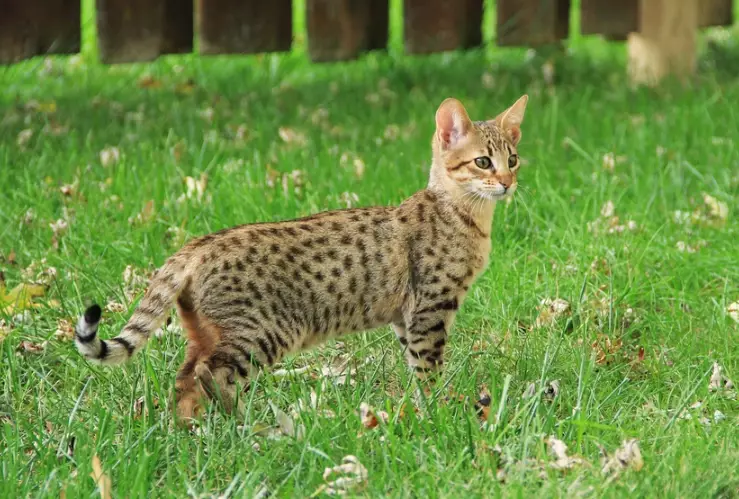
The Big Question: Are Savannah Cats Good Pets? Let's Break It Down
Okay, here's the meat of it. Instead of a vague answer, let's look at what makes a Savannah cat amazing and what makes them a potential nightmare. It all comes down to fit.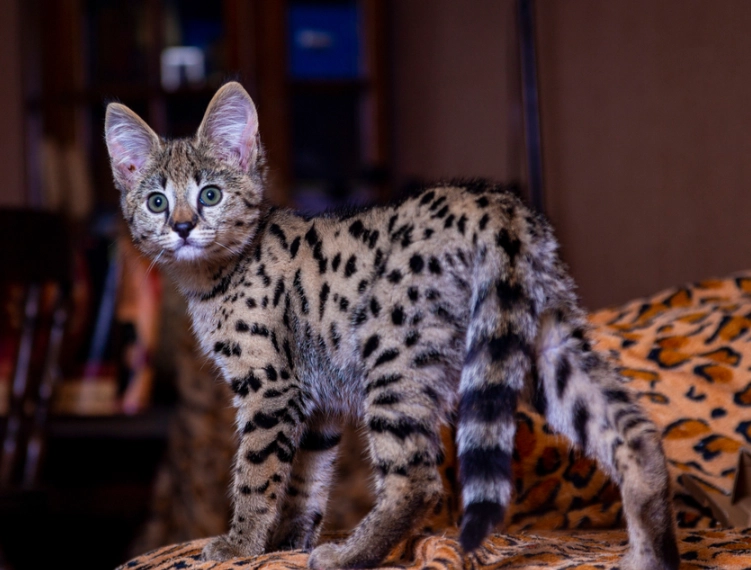
The Good Stuff (The Pros)
Unmatched Intelligence & Personality: These are scarily smart cats. They learn tricks (fetch, sit, high-five) faster than any dog I've ever owned. They form deep, dog-like bonds with their chosen person. One owner told me her Savannah knows how to open lever-style door handles. Another said his greets him at the door every day.
Incredible Athleticism: Watching a Savannah move is like watching nature documentaries. Their vertical leap is insane. They love interactive play and can be amazing agility competitors.
Unique Appearance & Conversation Starter: Let's be honest, they're stunning. Their spotted coats, long legs, and large ears are constantly turning heads.
Often Dog-Like: Many enjoy walks on a harness, playing fetch, and following their owners from room to room. They're involved.
The Tough Stuff (The Cons)
Extreme Energy & Destructive Potential: Boredom is your enemy. A bored Savannah will find a job, and you won't like the job they pick (climbing curtains, dismantling blinds, "redecorating" shelves). They need hours of active engagement daily.
Strong Prey Drive: That serval DNA means small, fast-moving things trigger a chase. This can include other small pets (rodents, birds, sometimes even small dogs or cats), feet under blankets, and dangling jewelry.
Vocal & Demanding: They don't just meow. They chirp, trill, and make loud, insistent demands for food, play, and attention. It's not a quiet, aloof cat.
Expensive & Legally Complex: The initial cost is high ($1,500 to $20,000+). Vet care can be more expensive (some need exotic vets). And then there are the laws...
So, are Savannah cats good pets? If you lead a quiet, sedentary life, value pristine furniture, are gone for 10 hours a day, or live in a small apartment, the answer is almost certainly no. They would be miserable, and you would be driven crazy.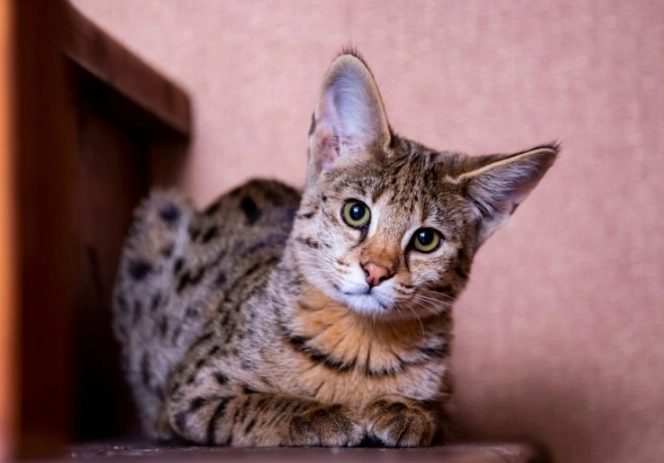
If you have an active lifestyle, ample space (a house is almost a must), the time and creativity to provide constant enrichment, a budget for proper care, and no other small pets, then maybe. You might just be the right kind of crazy for one.
The Deal-Breaker You MUST Check First: Legal Restrictions
This is the most critical step, and so many people skip it. You cannot assume a Savannah cat is legal where you live. Laws vary wildly by country, state, and even city or county.
In the United States, states like Hawaii, Massachusetts, and Georgia have strict bans. Others, like New York, may allow later generations (F5 and beyond) but ban early ones. The USDA does not regulate Savannah cats past the F4 generation, but state and local laws always take precedence. The best starting point for research is often your state's Department of Natural Resources (DNR) or Fish and Wildlife website. For federal information on wildlife and hybrids, you can consult resources like the U.S. Fish and Wildlife Service.
You must make calls. Call your city clerk's office. Call animal control. Get the ordinance in writing. I've heard heartbreaking stories of families who had to rehome a beloved pet after a move or after a new law was passed.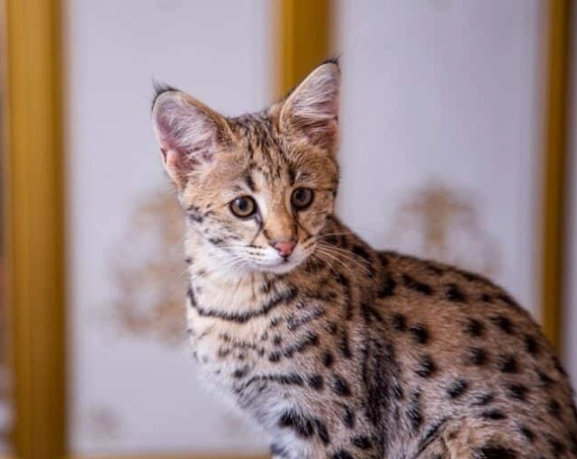
Life With a Savannah: The Day-to-Day Reality
Let's say you've cleared the legal hurdles. What's it actually like? Forget everything you know about typical cat care.
Diet & Nutrition: They're Not Eating Cheap Kibble
Many Savannahs, especially earlier generations, thrive on a raw or high-quality, high-protein diet. Their digestive systems can be sensitive to grains and fillers. You're looking at premium raw food, high-meat canned food, or a formulated diet approved by breeders. This is a significant monthly expense. One owner of an F2 told me her cat's food bill rivals her own grocery bill.
Environment & Enrichment: Your Home is a Jungle Gym
Vertical space is non-negotiable. Think tall, sturdy cat trees (the wobbly ones won't cut it), wall-mounted shelves and walkways, and secure perches by windows. They need to survey their kingdom.
Mental stimulation is just as important as physical. Food puzzles, treat-dispensing toys, clicker training sessions, and daily interactive play with wand toys are essential. I'm talking 30-60 minutes of dedicated, intense play, twice a day. Not just waving a feather around for five minutes.
Social Needs & Other Pets
Savannahs are often social but on their terms. Introducing them to another cat or a dog requires immense patience and proper technique. Their high energy and rough play can overwhelm a timid domestic cat. The best companion is often another Savannah or a similarly active, large-breed cat like a Bengal. Small animals (rabbits, hamsters, pet birds) are almost always at risk due to their prey drive.
They often pick a favorite person. They can be aloof or even wary of strangers. Don't expect a cuddly lap cat—though some later generations do enjoy snuggles, it's usually when they initiate it.
Common Questions People Are Afraid to Ask
The Financial Reality: What Does It Really Cost?
Let's talk numbers, because the sticker shock is real.
- Purchase Price: F5-F7 kittens from a reputable breeder: $1,500 - $5,000. F1-F3 kittens: $5,000 - $20,000+. Pet-quality is less than show-quality.
- Start-Up Costs: Giant cat tree ($200-$600), heavy-duty litter boxes, premium food, harness/leash, microchipping, initial vet visit, insurance.
- Monthly Costs: High-quality food ($80-$150), pet insurance ($40-$100/month), litter, toy replacement.
- Unexpected Costs: Specialized vet care (find one experienced with hybrids before you need them), replacing items they destroy (blinds, screens, furniture).
Reputable breeders will be expensive. They health-test their breeding stock (for issues like HCM - Hypertrophic Cardiomyopathy), socialize their kittens meticulously, and provide support. A cheap Savannah kitten is a giant red flag. It likely comes from a backyard breeder cutting corners on health, socialization, and ethics.
The Verdict: Who Should (and Shouldn't) Get a Savannah Cat
After all this, let's circle back to the core question: Are Savannah cats good pets? Here's my final, brutally honest take.
A Savannah cat could be a good pet for you if:
- You've done exhaustive legal research and confirmed they are legal where you live.
- You have a spacious, catified home (not a small apartment).
- You have hours of active time to dedicate to them daily and enjoy interactive play.
- You are financially prepared for the high initial and ongoing costs.
- You have no small children or fragile elderly people in the home (their play is rough).
- You have no other small pets that could be seen as prey.
- You want a involved, interactive companion, not a decorative nap-artist.
- You are patient, consistent, and understand positive reinforcement training.
A Savannah cat is a BAD pet for you if:
- You want a low-maintenance, independent cat.
- You are gone from home for long work hours.
- You are on a tight budget.
- You prize a perfectly clean, orderly home.
- You live in a state or city where they are banned.
- You expect a guaranteed cuddly lap cat.
- You are not prepared for a 15+ year commitment of this intensity.
For the vast majority of people looking for a pet cat, a Savannah is not the right choice. There are so many wonderful domestic cat breeds and amazing moggies in shelters that would be a better fit for a typical home.
But for that rare individual—someone with the right lifestyle, home, budget, and personality—a Savannah cat can be an incredibly rewarding, life-changing companion. It's a partnership, not just ownership. They challenge you, entertain you, and awe you every single day.
The decision can't be based on a pretty picture. It has to be based on cold, hard facts about their needs and an honest assessment of your own life. If, after reading all this, you're more excited than deterred, then you might just be one of the few who can honestly answer "yes" to the question: are Savannah cats good pets... for me?
Your next step isn't contacting a breeder. It's contacting your local animal control and city hall. Then, if you get the green light, find a reputable breeder through the International Cat Association (TICA) Savannah breed section, and be prepared for a long interview process. The good breeders will grill you as much as you grill them. And that's exactly how it should be.