In This Guide
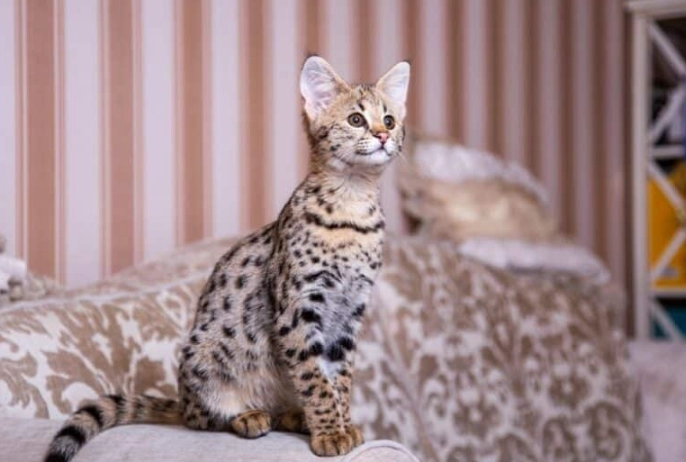
You've seen the pictures. That stunning, wild-looking coat. Those piercing eyes. The Bengal cat breed pops up all over social media, looking like a mini leopard that decided your couch was its new jungle. It's easy to fall in love with the idea. I did, years ago, before I really knew what I was getting into.
But here's the thing nobody tells you right away: a Bengal cat isn't just a pretty house pet with a fancy pattern. Owning one is more like having a permanent, highly intelligent, fur-covered toddler with springs for legs and a curiosity that borders on obsessive. The phrase "bengal cat bengal" gets searched a ton, and I think a lot of those searches are from people who, like me, were dazzled first and asked questions later.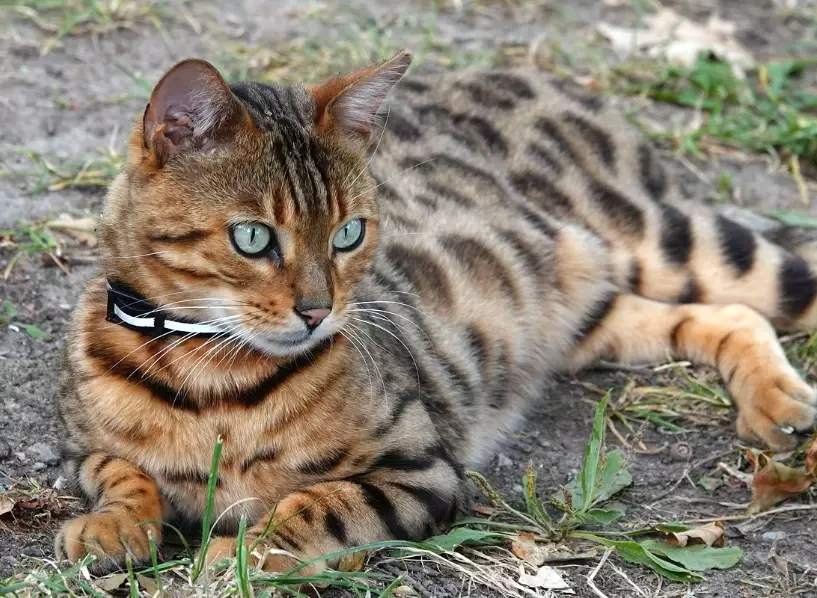
This isn't a quick list of facts. This is the full, unfiltered picture. We're going to dig into what makes a Bengal a Bengal, the good, the bad, the incredibly messy, and the utterly wonderful. My goal is to give you everything I wish I'd known, so you can decide with your eyes wide open if this incredible, demanding breed is the right fit for your life.
What Exactly Is a Bengal Cat? It's Not Just a Spotted Cat
People throw around the term "bengal cat bengal" often, but the breed has a very specific and fascinating origin story. It's not an ancient breed. In fact, it's a relatively modern creation. The breed began in the 1960s and 70s when a breeder named Jean Mill crossed a domestic shorthair cat with a wild Asian Leopard Cat (Prionailurus bengalensis). That's where the name comes from—the scientific name of its wild ancestor.
The goal wasn't to create a wild pet. It was to combine the breathtaking, exotic look of a wild cat with the (hopefully) tractable personality of a domestic one. Early generations (F1, F2) were very close to their wild roots and not suitable as pets. Responsible breeders worked for generations to stabilize the temperament, resulting in the cats we know today, which are several generations removed from the wild ancestor.
This hybrid history explains everything about them. That incredible energy? Wild instinct. That love of water? Many wild cats fish. That intense intelligence and need for stimulation? Survival traits. When you look at a Bengal, you're literally seeing a bit of the wild, carefully woven into a domestic package. Major cat registries like The International Cat Association (TICA) and the Cat Fanciers' Association (CFA) have strict breed standards that focus on both appearance and temperament, ensuring the breed maintains its health and character.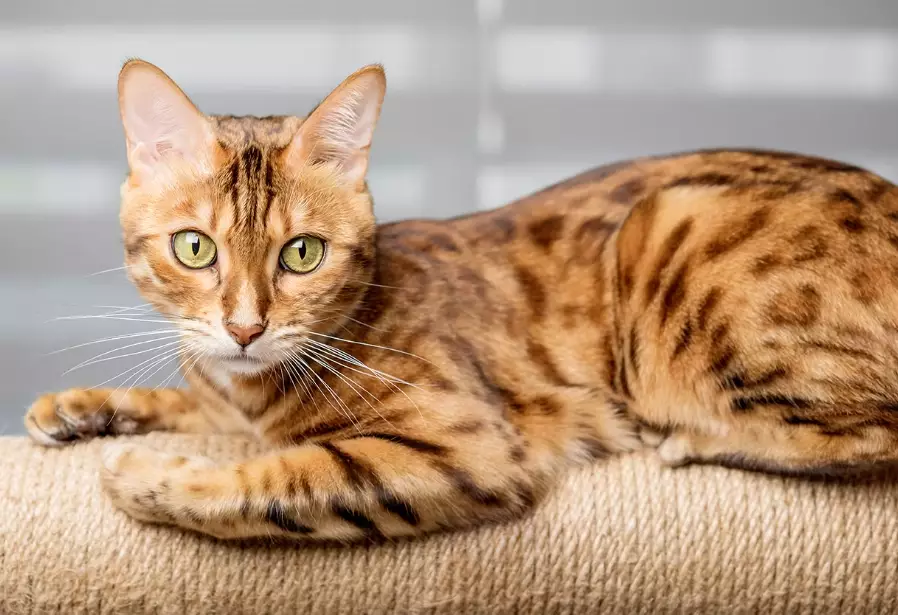
The Bengal Look: More Than Just Spots
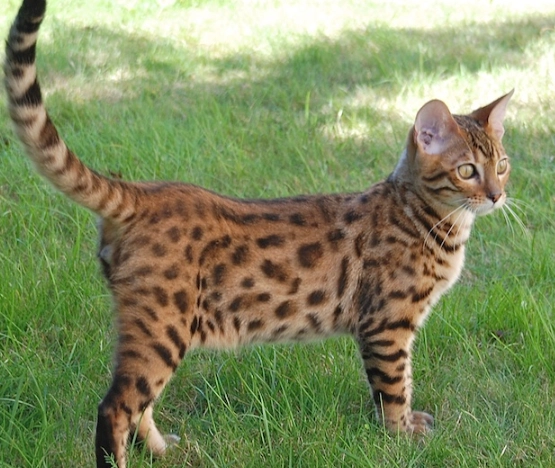
Sure, the spots are iconic. But Bengals have two main pattern types:
- Spotted/Leopard: The classic look. Random spots or rosettes (spots with a darker outline, like a leopard's).
- Marbled: Swirling, flowing patterns that look like marble stone, with horizontal swirls rather than spots.
And the coat itself is unique. It has a soft, dense, and incredibly plush feel. But the real magic is the "glitter." Many Bengals have a translucent, hollow hair shaft that catches the light, making their coat look like it's dusted with gold or pearl glitter. It's breathtaking in sunlight.
Colors range from the classic brown spotted tabby to silvers, snows (seal lynx, seal sepia, seal mink), and even blues and melanistics (solid black, but you can see the pattern in the light).
The Bengal Personality: Living with a Furry Tornado
This is the make-or-break section. The look gets you in the door, but the personality determines if you stay for the long haul.
I remember the first week with my Bengal, Leo. I thought I was prepared. I had toys, a cat tree, the works. By day three, I found him on top of the kitchen cabinets, calmly surveying his kingdom. He had figured out how to open the lower kitchen cabinet, use the drawers as stairs, and make the final leap. I was equal parts horrified and impressed.
The Amazing Bits (The Pros)
- Dog-Like Loyalty & Interaction: They often choose a favorite person and follow them everywhere. They want to be involved in everything you do—cooking, working, showering. Forget personal space.
- Brilliantly Intelligent: They learn tricks (fetch, sit, high-five) easily. They can figure out puzzle feeders, door handles, and faucets. This intelligence needs an outlet, though, or they'll create their own (destructive) fun.
- Highly Playful & Energetic: They retain a kitten-like playfulness well into adulthood. A wand toy session isn't a gentle bat; it's a full-on predatory pounce.
- Often Love Water: Many will play with dripping faucets, join you in the shower (or at least watch from the tub ledge), and splash their water bowls. Bath time is rarely the struggle it is with other cats.
- Conversational: They have a wide range of vocalizations—chirps, trills, meows—and will "talk" to you about their day. It's not constant yowling, but expressive communication.
The Challenging Bits (The Cons)
- Demands Constant Stimulation: A bored Bengal is a destructive Bengal. They will knock things off shelves, unravel toilet paper, and open drawers not out of spite, but out of sheer, unbridled boredom.
- Can Be Very Vocal: That conversational trait can turn into loud, persistent demands for play, food, or attention, often at 5 AM.
- High Prey Drive: They may not be safe with small pets like birds, hamsters, or fish. They will hunt insects with terrifying efficiency.
- Needs Vertical Space & Outlet: A simple cat tree might not cut it. They need tall climbing structures, cat shelves on walls, and safe outdoor access (like a catio) is a huge bonus.
- Not Always a Cuddler: They'll sleep on you or next to you, but many aren't "lap cats" in the traditional, sit-for-hours sense. Their affection is shown through interaction and play.
Caring for Your Bengal Cat: A Daily Commitment
Caring for a bengal cat bengal isn't overly complicated, but it's intense. It's less about complex grooming and more about managing their boundless energy and mind.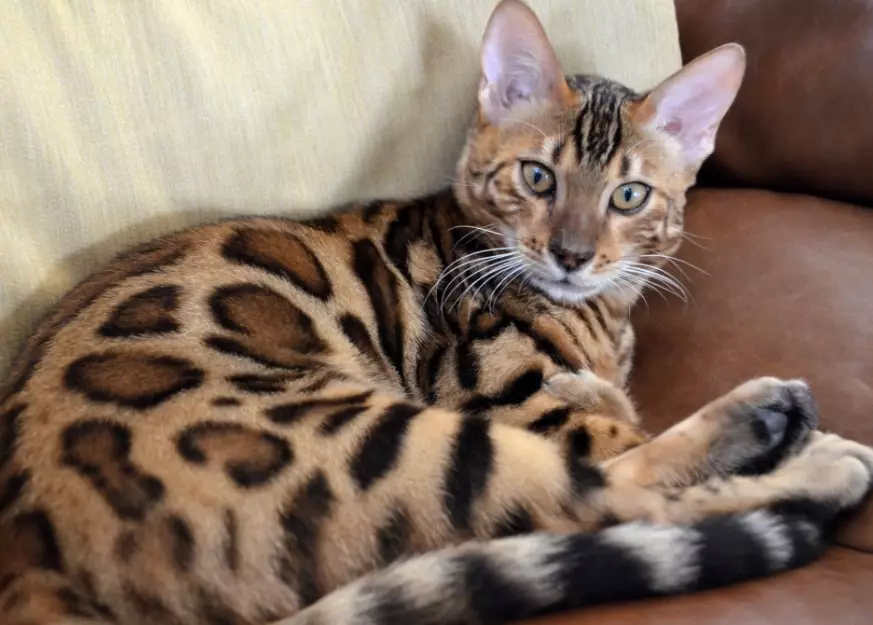
Diet & Nutrition: Fuel for the Engine
These cats are athletes. They need high-quality, protein-rich food to support their metabolism. Many owners and breeders recommend a diet high in animal protein. Some opt for high-quality grain-free kibble, while others go for wet food or even a responsibly researched raw diet. The American Association of Feline Practitioners (AAFP) has guidelines on feline nutrition that are worth consulting with your vet. Always ensure fresh water is available, especially since some are prone to urinary issues.
A common question: How much should I feed my Bengal? It varies by age, activity level, and metabolism. An average adult might eat 1/2 to 3/4 cup of high-quality dry food daily, split into meals, plus possible wet food. The best advice? Don't free-feed. Use meal times and puzzle feeders to engage their brains and prevent obesity.
Exercise & Enrichment: Non-Negotiable
This is the most critical part of care. A 10-minute play session won't cut it.
- Scheduled Play: Aim for two or three intense 15-20 minute play sessions daily. Use wand toys that mimic prey (feathers, furry lures) to trigger their chase instinct.
- Puzzle Feeders & Food Toys: Make them work for their food. It's mental exercise.
- Catification: Create a "superhighway" of shelves, perches, and cat trees, especially leading up to windows. A window perch with a bird feeder outside is kitty TV.
- Harness Training: Many Bengals take well to leash and harness training, providing safe outdoor exploration. Start young and be patient.
- Consider a Friend: Having another active, playful cat (often another Bengal) can provide a built-in playmate. But introduce them properly!
Grooming & Health
Their short, plush coat is low-maintenance. A weekly brush with a soft bristle brush removes loose hair and distributes skin oils. They generally groom themselves meticulously. Nail trimming and ear cleaning as needed are the usual.
Health-wise, Bengals are generally robust but can be predisposed to certain conditions. Reputable breeders screen for these:
| Health Concern | What It Is | Notes |
|---|---|---|
| Hypertrophic Cardiomyopathy (HCM) | A form of heart disease where the heart muscle thickens. | The most common heart disease in cats. Responsible breeders screen their breeding cats with echocardiograms. |
| Progressive Retinal Atrophy (PRA) | A degenerative eye disease leading to blindness. | A genetic test exists. Good breeders test for it. |
| Patellar Luxation | Knee cap dislocation. | Can occur, usually mild. A vet can check during exams. |
| PK Deficiency | A genetic anemia. | Another testable genetic condition. Reputable breeders avoid it. |
Regular vet check-ups (at least annual) are crucial. Ensure you discuss a vaccination schedule with your vet, following guidelines from bodies like the AAFP Feline Vaccination Advisory Panel.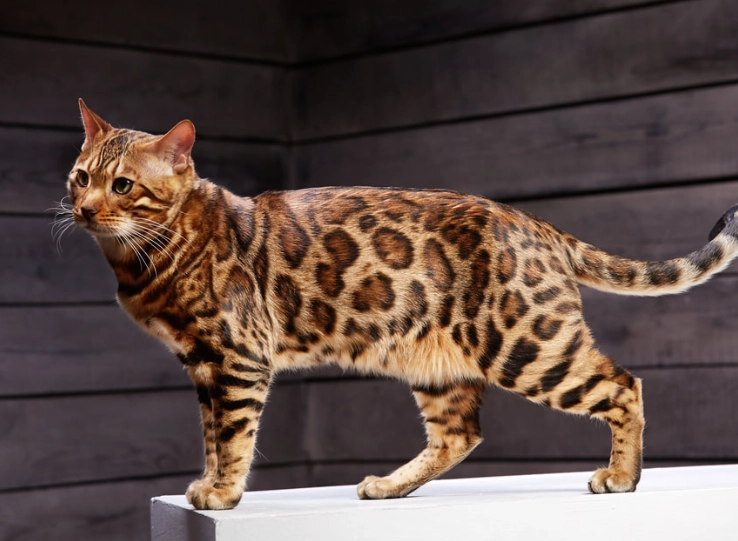
Finding & Choosing a Bengal Kitten: Do NOT Skip This Part
This is where many people go wrong, leading to heartbreak and supporting unethical practices.
AVOID: Pet stores, online classifieds (like Craigslist), backyard breeders, and anyone who has kittens "always available," won't let you visit their home, or pressures you to pay quickly.
SEEK: A reputable breeder. Here's what they do:
- They are registered with TICA or CFA and actively show their cats.
- They prioritize health, temperament, and conformation to the breed standard.
- They perform genetic health testing on parent cats (HCM scans, PRA/PK tests) and show you proof.
- They raise kittens in their home, socializing them with people, sounds, and handling.
- They ask YOU questions. They want to ensure their kittens go to suitable, forever homes.
- They provide a written contract, health guarantee, and take-back clause if you can't keep the cat.
- The kittens stay with their mother until at least 12-16 weeks old.
Price: A pet-quality bengal cat bengal from a reputable breeder typically costs between $1,500 and $3,000 USD. Show-quality or rare colors cost more. If the price seems too good to be true, it is. You're likely buying from a kitten mill, and the cat may have health or behavioral issues.
Consider adoption! Bengal cat rescues exist. Sometimes people acquire these cats without understanding their needs and give them up. An adult rescue Bengal can be a wonderful option, and its personality is already known.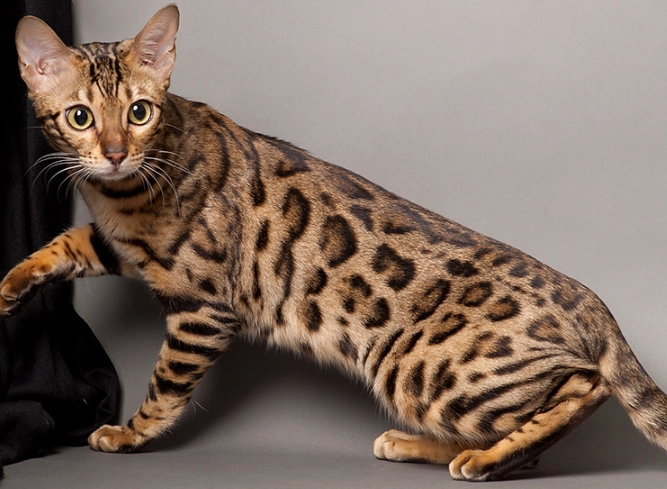
Your Bengal Cat Questions, Answered
Q: Are Bengal cats hypoallergenic?
A: No cat is 100% hypoallergenic. Some people with mild allergies report fewer reactions to Bengals because their fine, pelt-like coat may produce less of the Fel d 1 allergen (which is in saliva and skin, not just fur). But this is not guaranteed. Always spend time with a Bengal before bringing one home if you have allergies.
Q: Are Bengal cats good with kids and other pets?
A: With proper socialization, they can be great with respectful, older children who understand how to interact with an active cat. They can do well with cat-friendly dogs and other active cats, but their high prey drive makes them a threat to small animals like rabbits or birds.
Q: Do Bengal cats shed a lot?
A: They are considered low to moderate shedders. Their coat is short and dense, so you'll find hairs, but not typically in the large clumps associated with long-haired breeds. Weekly brushing helps immensely.
Q: Can a Bengal cat be an indoor-only cat?
A: Absolutely, and they should be. Their exotic looks make them targets for theft, and their curiosity can lead them into danger. The key is making the indoor environment supremely enriching—catios, harness walks, and plenty of vertical space are perfect compromises for safety and stimulation.
Q: Why does my Bengal cat bangal meow so much at night?
A: Likely boredom or pent-up energy. Ensure you have a vigorous play session right before your bedtime to tire them out. A timed feeder for a small early morning meal can also distract them from waking you up.
The Final Word: Is a Bengal Cat Right for You?
Let's circle back. The search for "bengal cat bengal" often comes from a place of fascination. I get it. But fascination isn't enough to sustain a 15-year commitment to a living creature with such specific needs.
You might be a good fit for a Bengal if: you have an active lifestyle, want a highly interactive pet, have time for daily play and engagement, can provide a stimulating environment, and appreciate a cat with a big personality (and voice). You understand it's a commitment, not a decoration.
You should probably reconsider if: you are gone for long hours daily, prefer a quiet, low-maintenance pet, have a pristine home you don't want climbed on, are on a tight budget (vet bills for any breed can be high), or are not prepared for potential behavioral challenges.
Owning my Bengal has been one of the most rewarding and frustrating experiences of my life. He's knocked over my coffee more times than I can count. He's woken me up at ungodly hours. He's a handful.
But he's also the first to greet me at the door, chirping a hello. He makes me laugh every single day with his antics. The bond feels different—more like a partnership than ownership. When that spotted, glittering head butts my hand for attention, all the hassle feels worth it.
If, after all this, you're still nodding along, thinking "Yes, that's the adventure I want," then welcome. Do your homework, find that ethical breeder or rescue, and buckle up. You're in for a wild, wonderful, and unforgettable ride with your very own bengal cat bengal.