You see a white cat, and a flood of images might come to mind: elegant, mystical, maybe a bit distant. For years, I believed the stereotype that white cats were aloof. Then I met Mochi, a fluffy white domestic shorthair who redefined everything. He wasn't aloof; he was selectively attentive, incredibly sweet on his own terms, and yes, completely deaf. His personality wasn't dictated by his color, but his deafness profoundly shaped how he interacted with the world. That's the core truth most articles miss. A white cat's personality isn't a monolith. It's a fascinating puzzle where genetics, potential health quirks (like deafness), breed background, and pure individual spirit intersect.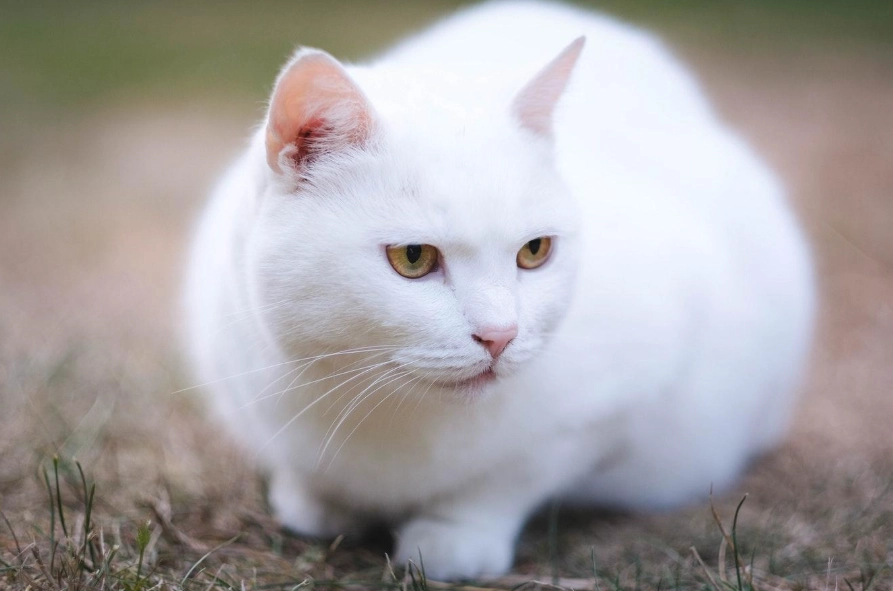
Let's move past the fairy-tale clichés and get into what really makes a white cat tick.
What's Inside This Guide
The Genetics Behind the White Coat: It's Not Just One Gene
First, a crucial fact: "white" isn't a color in cats the way black or orange is. It's a masking effect. A cat appears white because a gene is suppressing all other color pigments. There are two main ways this happens, and understanding this is key to predicting potential health links.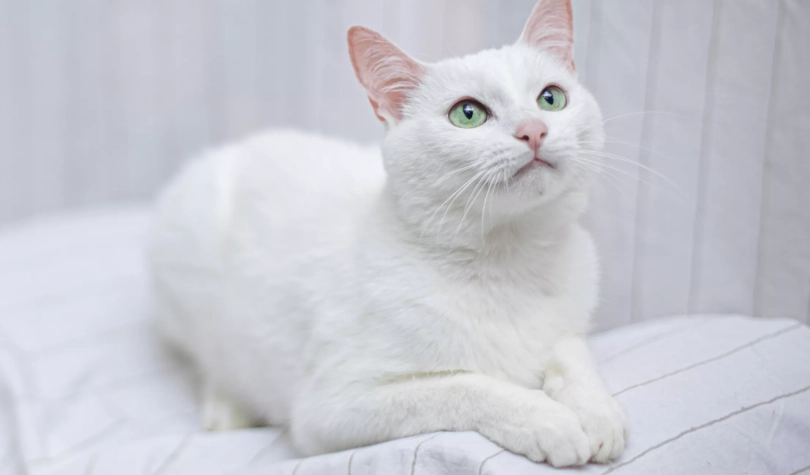
Expert Side Note: Many people think all white cats are albinos. This is almost never the case. True albinism in cats (a complete lack of pigment, resulting in pale blue or pink eyes and pale skin) is caused by a different, much rarer gene. The vast majority of white cats you see are dominant white or white spotting cats.
Here’s a breakdown of the two primary genetic paths to a white coat:
| Gene Type | How It Works | Key Health Association | Eye Color Possibilities |
|---|---|---|---|
| Dominant White (W) | This dominant gene completely masks all other color genes. It's like a coat of white paint over the cat's true genetic color. | Strongly linked to congenital sensorineural deafness, especially when combined with blue eyes. The gene can affect the development of the inner ear. | Blue, green, gold, odd-eyed (one blue, one green/gold). |
| White Spotting (S) | This gene creates white patches. In its most extreme form, the spots are so large they merge, making the cat appear entirely white. | Generally not linked to deafness, unless the white spotting is so extensive it covers the ears' pigment. The deafness link is specific to the Dominant White gene. | Typically match the underlying coat color (green, gold, copper). Blue eyes are rare unless other genes are at play. |
So, when you look at a white cat, you're often looking at a genetic mystery. Is it a dominant white cat with a hidden tabby pattern? Or a heavily spotted cat who won the genetic lottery for a full white coat? This distinction matters, especially for breeders and adopters concerned about deafness.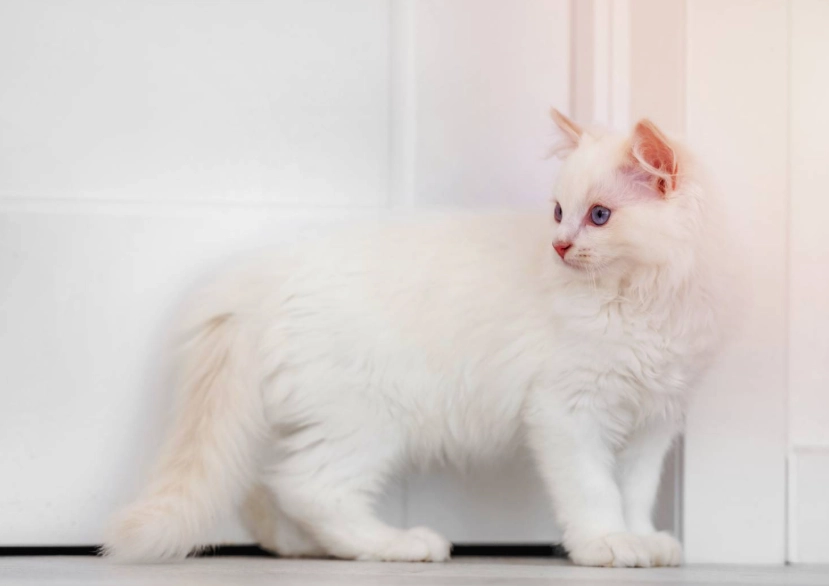
The Deafness Connection: It's Not Just About Blue Eyes
This is the big one, the health factor that most directly influences behavior and, by extension, perceived personality. The link between white coats, blue eyes, and deafness is well-documented, but the nuances are often glossed over.
The culprit is the Dominant White (W) gene. During embryonic development, this gene can interfere with the migration of melanocytes (pigment cells). These cells are needed not just for coat and eye color, but also for the proper development of the stria vascularis in the inner ear, which is essential for hearing.
Here’s the breakdown you need, based on research from institutions like the Cornell Feline Health Center:
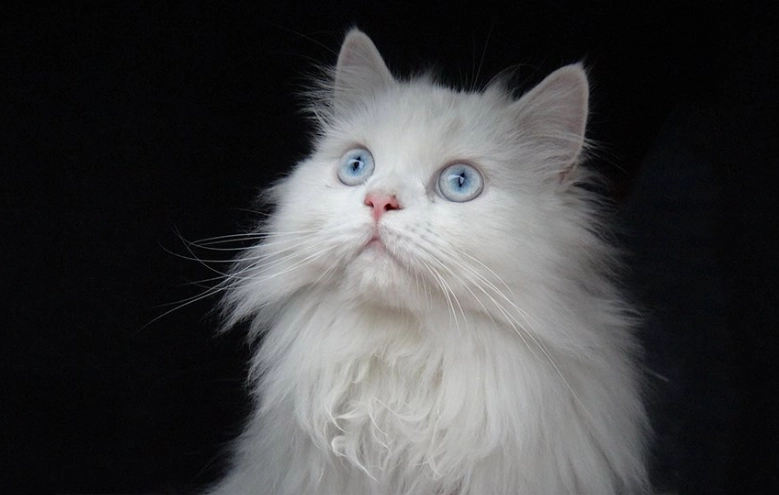
- White cat, two blue eyes: 60-80% chance of being deaf.
- White cat, one blue eye (odd-eyed): 30-40% chance of being deaf, typically on the blue-eyed side.
- White cat, no blue eyes: 10-20% chance of being deaf.
Notice the spectrum. It's not a guarantee, even for blue-eyed cats. I've known a blue-eyed white cat with perfect hearing. But the odds are significant enough that you must be prepared.
How Deafness Shapes Behavior (And Gets Mislabeled as Personality)
A deaf cat lives in a vibration-centric world. This doesn't make them "dumb" or "spaced out," but it does alter their behavior in ways often mistaken for personality traits.
They startle easily. If you approach from behind and they don't feel the floor vibrations, a gentle touch can make them jump. This isn't skittishness; it's a logical reaction to an unseen (and unheard) stimulus.
They sleep very deeply. Without sound to disturb them, they can be hard to wake. Don't mistake this for laziness.
They may be more visually alert or clingy. Mochi was a classic "follow the human" cat. He kept me in his sightline because that was his primary way of knowing what was happening. This constant companionship felt like incredible affection (and it was), but it was also a survival strategy.
They vocalize differently. Deaf cats can't hear themselves, so their meows are often louder, more frequent, or have an unusual pitch. It's not them being "demanding" or "weird"; they're just communicating in the only way they know, without auditory feedback.
Labeling these adaptive behaviors as "aloof," "needy," or "loud" misses the point entirely. You're not seeing a white cat personality; you're seeing a deaf cat's brilliant adaptation.
Personality Myths vs. Observable Traits
Let's dismantle the biggest myths head-on.
Myth 1: White cats are more aloof or regal. This is pure projection. There's zero scientific link between coat color and aloofness. A cat's temperament is far more influenced by breed (a white Siamese will be vocal and social; a white Persian will likely be placid), early socialization, and individual disposition. The "regal" look is aesthetic, not behavioral.
Myth 2: White cats are less intelligent. An absurd and harmful myth, often unfairly linked to deafness. Deaf cats are not intellectually impaired. They learn just as quickly, but through hand signals, light flashes, and tactile cues instead of voice commands. Mochi learned "come," "dinner," and "no" via sign language faster than some hearing cats learn verbal cues.
Myth 3: All white cats are the same. This is like saying all people with blonde hair have the same personality. A white cat from a feral colony will have a wildly different disposition from a white Ragdoll bred for docility.
So, what can you observe? Look for the trinity of influence:
- Genetic Heritage: What breed or mix is likely in their background?
- Hearing Status: Is their behavior explained by deafness adaptation?
- Individual Quirks: Just like us, every cat is a unique individual.
A Practical Care Guide for White Cats
Owning a white cat isn't just about admiring their beauty; it's about proactive, tailored care. Here’s what you actually need to do, beyond the generic cat advice.
1. Sun Protection is Non-Negotiable
This is the most critical and overlooked aspect. White fur provides zero UV protection. The ears, nose, and eyelids (areas with thin fur and pink skin) are highly susceptible to squamous cell carcinoma, a aggressive skin cancer.
My Biggest Mistake (So You Don't Make It): I thought keeping Mochi indoors was enough. I didn't account for the sunny spot on the living room rug where he napped for hours. He developed a small, crusty lesion on his ear tip. It was benign, but the vet biopsy was a wake-up call. Sun damage is cumulative and happens through windows too.
Action Plan:
- Indoor Life is Safest: Strongly recommend keeping white cats indoors.
- Create Shade: If they have enclosed outdoor access (catio), ensure ample shaded areas.
- Vet-Approved Sunscreen: For cats with any sun exposure, apply pet-safe sunscreen (zinc oxide and titanium dioxide are toxic if ingested) to ear tips and nose. Your vet can recommend a brand.
- Regular Checks: Monthly, feel their ear edges for any scabs, bumps, or non-healing sores.
2. Living with a Deaf Cat
If your white cat is deaf, your home needs slight modifications.
Vibration is your friend. Stomp lightly on the floor to get their attention before petting. Use a flashlight to signal them from across a room at night.
Visual cues replace sound. Teach hand signals for commands. Always approach from the front so they see you coming.
Safety first. A deaf cat should never be allowed to roam freely outdoors. They can't hear traffic, predators, or other dangers. Ensure windows and doors are secure.
3. Grooming and Tear Stains
White fur shows everything. Regular brushing is essential to prevent matting and keep their coat bright. Some white cats, especially flat-faced breeds, are prone to tear staining.
Wipe the corner of their eyes daily with a soft, damp cloth. For stubborn stains, a vet can recommend a safe whitening shampoo or wipe. Never use human products like hydrogen peroxide or makeup removers.
Your White Cat Questions, Answered
 The personality of a white cat is a story written in genetics, shaped by potential sensory differences, and ultimately authored by the cat itself. By understanding the science behind the stunning coat—the deafness link, the sun sensitivity—you move beyond stereotypes. You stop looking for a "white cat personality" and start appreciating the remarkable individual in front of you. You learn to communicate on their terms, protect their unique vulnerabilities, and celebrate the quiet, vibration-filled, or brilliantly vocal world they inhabit. That's the real secret. It's not about their color; it's about seeing them clearly.