Let's cut to the chase. You're probably here because you've heard two magical words: hypoallergenic cat. Or maybe you saw a picture of a fluffy giant with expressive eyes and a mane worthy of a lion. The Siberian Forest cat is that breed, and the hype is real—but it's also nuanced. I've shared my home with a Siberian named Misha for eight years, and I can tell you, they're not just a pretty, fluffy face. They're intelligent, dog-like in loyalty, and yes, for many allergy sufferers, a game-changer. But owning one comes with specific needs most generic cat articles gloss over.
Your Quick Guide to All Things Siberian
- What Exactly Is a Siberian Forest Cat?
- The Hypoallergenic Truth: Science vs. Marketing
- Siberian Personality: More "Puppy-Cat" Than Aloof Feline
- Grooming the Triple Coat: A Non-Negotiable Routine
- Siberian Cat Health: What Breeders Don't Always Highlight
- Finding a Reputable Siberian Cat Breeder: A Step-by-Step Filter
- Your Siberian Cat Questions, Answered Honestly
What Exactly Is a Siberian Forest Cat?
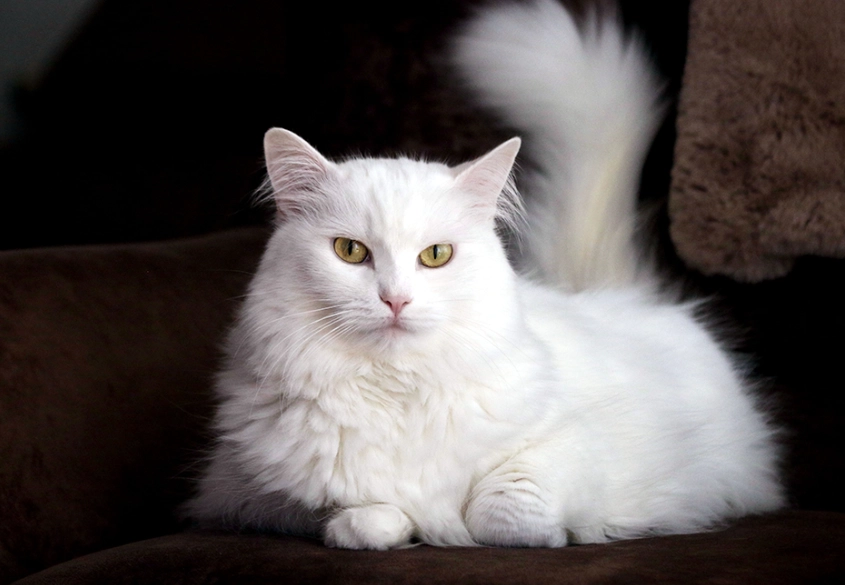
This isn't a breed cooked up in a lab for looks. The Siberian is a natural forest cat from Russia, with a history stretching back centuries. Think of them as the rugged, weatherproof survivalists of the cat world. Everything about them is built for the harsh Russian climate. Their most famous feature? A glorious triple-layer coat. It's not just for show. You have a dense, soft undercoat for insulation, a middle "awn" hair layer for volume, and long, slightly oily guard hairs on top that are water-resistant. This coat is why they shed in massive clumps twice a year (more on that later) and why grooming is critical.
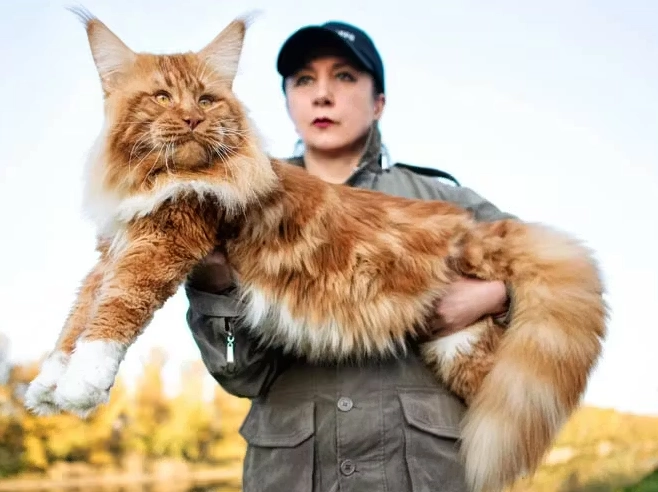
They're a substantial cat. Males can easily weigh 15-20 pounds, females 10-15, and it's mostly muscle. They mature slowly, reaching full size around 5 years old. Their eyes are large, round, and can be any color, independent of their coat. The paw tufts between their toes, called "snowshoes," are another adorable functional trait.
The Hypoallergenic Truth: Science vs. Marketing
This is the big one. Siberians are often called hypoallergenic. I need to be brutally honest: No cat is 100% allergen-free. The primary cat allergen, Fel d 1, is produced in saliva and sebaceous glands. All cats produce it. However, multiple studies, including one often cited from the PLOS ONE journal, suggest that some Siberian cats produce significantly lower levels of Fel d 1 protein than other breeds.
The keyword is some. Levels vary from cat to cat, even within the same litter. This is where the "hypoallergenic" label gets tricky. For many mild to moderate allergy sufferers, a Siberian can mean symptom-free living. For others with severe allergies, it might only reduce symptoms.
What You Must Do Before Bringing One Home
Do not buy a Siberian based on online claims alone. Any ethical breeder will allow, and even encourage, an allergy test visit. This isn't a 10-minute petting session. You need to spend at least an hour in the home, handling the cats, rubbing your face in their fur, and seeing how your body reacts. Some breeders will even send you a fur sample. If a breeder refuses this, see it as a major red flag.
My own experience? My partner has mild cat allergies. With most cats, he gets itchy eyes and sneezes within minutes. With Misha, he has zero reaction. But I've met Siberians that triggered him. The variation is real.
Siberian Personality: More "Puppy-Cat" Than Aloof Feline
If you want an independent cat that ignores you, look elsewhere. Siberians are famously people-oriented. They form deep bonds and want to be involved in everything you do—cooking, working, watching TV. Misha follows me from room to room and "talks" with a range of chirps, trills, and meows. They're not loud, but they are communicative.
Intelligence and playfulness are hallmarks. They excel at puzzle toys and can learn tricks like fetch, sit, and high-five. Many enjoy water—don't be surprised if yours tries to join you in the shower or plays with dripping taps. They are generally excellent with children and other pets, including dogs, due to their confident and adaptable nature.
But here's a potential downside their fans rarely mention: separation anxiety. Their strong attachment means they can become stressed if left alone for very long periods regularly. They often do best in homes where someone is around often or with another pet for company.
Grooming the Triple Coat: A Non-Negotiable Routine
This is the most critical piece of practical care. That beautiful coat is a maintenance commitment. Forget the "brush once a week" advice for shorthairs. For a Siberian, you need a multi-tool approach.
- Undercoat Rake (Metal): Your primary weapon. This gets through the topcoat to remove the dense undercoat, preventing mats at the skin level. Use 2-3 times a week.
- Slicker Brush: For finishing, smoothing the topcoat, and removing loose hairs. Use after the rake.
- Wide-Tooth Comb: Essential for checking for and gently working out any tangles, especially behind the ears and in the "pants" (hind leg fur).
During spring and fall sheds, be prepared for fur-mageddon. Daily grooming sessions are necessary. The goal isn't just to reduce hair on your sofa; it's to prevent painful mats that can pull on the skin and require shaving.
Bathing? It's not as crazy as it sounds. A bath every 4-6 months with a cat-specific shampoo can help manage shedding and allergens. Start young to get them accustomed to it. Most Siberians, with their water fascination, tolerate it better than other breeds.
| Grooming Tool | Primary Purpose | Frequency |
|---|---|---|
| Metal Undercoat Rake | Remove loose undercoat, prevent mats | 2-3 times per week (Daily during sheds) |
| Slicker Brush | Smooth topcoat, remove surface hair | After raking, 2-3 times per week |
| Wide-Tooth Comb | Detect & detangle small knots | Weekly check |
| Cat Nail Clippers | Maintain claw health | Every 2-3 weeks |
Siberian Cat Health: What Breeders Don't Always Highlight
Siberians are generally robust, with a lifespan of 12-15 years or more. Being a natural breed, they have fewer genetic issues than some highly engineered ones. However, no breed is immune. Responsible breeders screen for the following:
Hypertrophic Cardiomyopathy (HCM): This is a heart disease that affects many cat breeds. Reputable Siberian breeders will have their breeding cats regularly screened via echocardiogram by a veterinary cardiologist and provide proof. Ask for these records.
Polycystic Kidney Disease (PKD): Less common in Siberians than Persians, but ethical breeders test for it via DNA test to ensure their lines are clear.
PK Deficiency: A metabolic disorder. Again, breeders should test for it.
The biggest health issue I've personally dealt with? Obesity. Siberians are large and love food. It's easy to overfeed them, thinking they need more because they're big. But those extra pounds put immense strain on their joints and heart. Measure their food, feed a high-protein diet, and use puzzle feeders to slow them down.
Finding a Reputable Siberian Cat Breeder: A Step-by-Step Filter
This is where your journey succeeds or fails. Avoid pet stores and classified ads like Craigslist.
- Start with Registries: Look for breeders listed with The International Cat Association (TICA) or the Cat Fanciers' Association (CFA). This is a baseline, not a guarantee.
- Interview The Breeder: They should interview you just as much. Expect questions about your home, lifestyle, and plans for the cat. A good breeder cares where their kittens go.
- Ask for Proof: Demand to see health screening certificates (HCM scans, PKD/PK DNA tests) for both parent cats. No excuses.
- Visit the Cattery: If possible, visit. Kittens should be raised in the home (not a barn or isolated shed), be well-socialized, and the environment should be clean.
- Contract & Guarantee: A reputable breeder provides a written contract that includes a health guarantee, a return clause (they will always take the cat back), and a requirement to spay/neuter if sold as a pet.
Be prepared to wait. A good breeder often has a waiting list. The upfront cost is significant ($1,200 - $2,500+), but it covers years of health testing, quality care, and support.
Your Siberian Cat Questions, Answered Honestly
I have severe allergies. Will a Siberian cat definitely solve my problem?
There's no guarantee. The only way to know is direct exposure. Arrange an extended visit with a breeder's adult cats (kittens produce fewer allergens, so they aren't a good test). Have your allergy medication on hand. It's the single most important step you can take, far more reliable than any online advice.
How do I stop my Siberian from matting behind the ears?
That spot is a magnet for mats because it's a friction area and hard for them to groom. You need to be proactive. Run a wide-tooth comb through that area every other day. If you feel a small knot, gently work it apart with your fingers and the comb before it tightens. Never pull or cut it out with scissors—you risk cutting the skin. For established mats, a dematting tool or a visit to a professional groomer is safer.
Are Siberian cats good for first-time owners?
They can be, but with a caveat. Their affectionate nature is wonderful for a novice. However, the grooming commitment is substantial and often underestimated. If you're not prepared for regular, thorough brushing and dealing with heavy shedding seasons, it can become overwhelming. First-time owners need to go in with their eyes open about the coat care, not just the cuddles.
My Siberian follows me everywhere and cries when I leave. Is this normal?
Unfortunately, it can be. Their deep bond makes them prone to separation distress. To manage it, never make a big deal out of arrivals and departures. Provide high-value distractions when you leave, like a food puzzle toy stuffed with treats. Consider a pet camera to talk to them or a second companion animal (even another cat) if your lifestyle involves long hours away. Increasing interactive playtime before you leave can also help tire them out.
What's the best diet for a large, active Siberian cat?
Prioritize high animal protein, moderate fat, and low carbohydrates. Look for named meat sources (chicken, turkey, fish) as the first ingredients. Wet food is excellent for hydration, but high-quality dry kibble can be part of the mix. The biggest mistake is free-feeding. Use a measured amount based on their ideal weight (ask your vet), not their current weight if they're overweight. Split it into 2-3 meals a day to prevent gorging and boredom.
Bringing a Siberian Forest cat into your life is a significant decision. It's a commitment to a creature that is more companion than pet, with a specific set of needs tied directly to its magnificent, high-maintenance coat and devoted heart. Do your homework, meet the cats, and choose a breeder who is a partner, not just a seller. If you do, you'll likely gain a loyal, chatty, and endlessly entertaining family member who just might let you breathe a little easier, too.