You see a sleek, panther-like cat with copper eyes, and you think "mysterious" or "aloof." That's the first mistake people make about the Bombay. I've lived with one for eight years, and let me tell you, the Bombay cat personality is the exact opposite of mysterious. It's an open book—a book that wants to sit on your lap, follow you to the bathroom, and play fetch until your arm falls off. If you're looking for an independent, low-maintenance cat that minds its own business, stop reading now. But if you want a shadow, a conversationalist, a velvety heat-seeking missile of affection, you're in the right place.
What's Inside This Guide?
What is the Bombay Cat Personality Really Like?
Forget the generic "friendly and playful" description. Every cat breed claims that. The Bombay's temperament is defined by a specific, intense need for social integration. They don't just want to be near you; they need to be part of whatever you're doing. Working on your laptop? Expect a paw on the keyboard. Cooking dinner? They'll supervise from the kitchen island. Reading a book? That book is now a cat bed.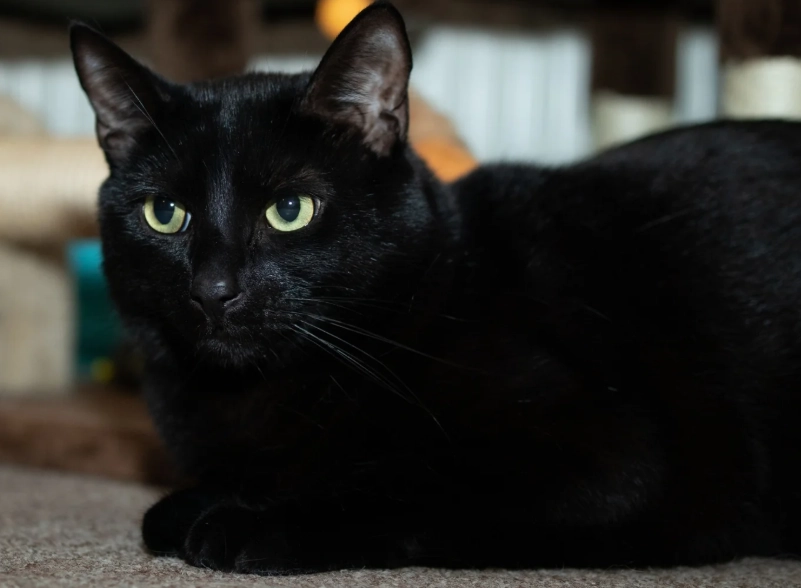
This stems from their breeding goal. In the 1950s, breeder Nikki Horner aimed to create a domestic cat that resembled a miniature black leopard but had the easygoing, people-oriented demeanor of a Burmese. She succeeded spectacularly. The Cat Fanciers' Association (CFA) breed standard explicitly notes they are "remarkably people-oriented."
Here's the breakdown you won't find on most pet store sites:
- The Velcro Factor: High. Separation anxiety isn't just possible; it's probable if they're left alone for long stretches regularly. My Bombay, Jinx, starts yowling mournfully if I'm even five minutes late for dinner. It's not hunger; it's routine disruption.
- Vocalization Style: Not loud yowlers like Siamese, but incredibly conversational. They have a soft, chirpy voice and will "talk back" when you speak to them. It's a dialogue, not a monologue.
- Energy & Play: Moderately high energy in bursts. They retain kitten-like playfulness well into adulthood but are not hyperactive. Their play is often interactive—fetch, chase the wand toy—not solo antics.
- Intelligence & Curiosity: Very smart and problem-solving oriented. This means they learn tricks easily (Jinx knows 'sit' and 'high five') but also figure out how to open cabinet doors and drawers. You need to cat-proof like you would for a toddler.
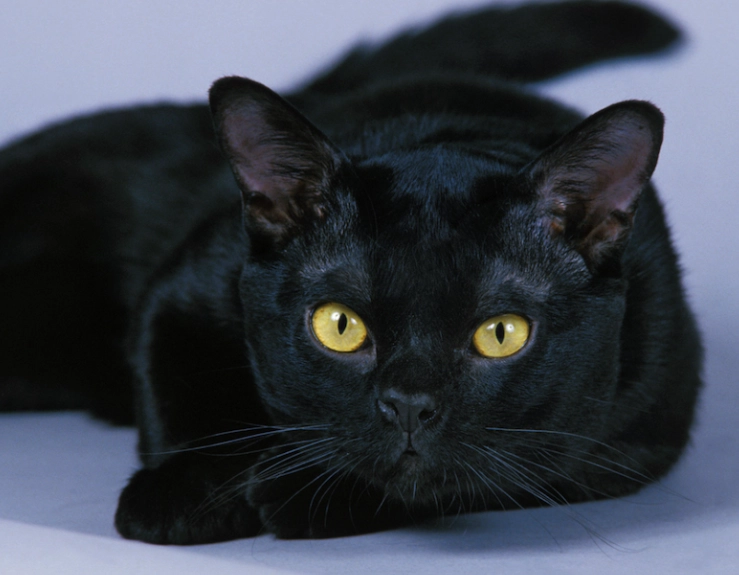
The Key Takeaway: Think of a Bombay not as a cat who tolerates humans, but as a social companion who happens to be in a cat's body. Their personality is more akin to a dog's in its loyalty and need for engagement, but delivered with feline grace and a purr that sounds like a small motor.
Are Bombay Cats Good with Kids and Other Pets?
This is a crucial question for families. The short answer is yes, but with important context.
Bombays are generally excellent with gentle, respectful children. Their patient and affectionate nature means they often seek out kids for cuddles and play. However, their thin, sleek coat and lack of an undercoat (a trait from their Burmese ancestry) means they feel more delicate than a fluffy Persian. A young child who doesn't understand "gentle hands" might accidentally hurt them, and the cat may react by hiding, not aggression.
With other pets, they typically excel. Their social drive extends to other animals. They often thrive with a feline or even canine companion, especially if you work long hours. A second pet gives them the constant companionship they crave. The introduction must be slow and proper, but once accepted, a Bombay will often try to groom and cuddle with the new housemate.
The one potential snag? Small pets like birds or rodents. That high prey drive from their "mini-panther" genetics is still there. They will watch and stalk. It's not a personality flaw; it's instinct. Manage it with secure habitats and never leave them unsupervised.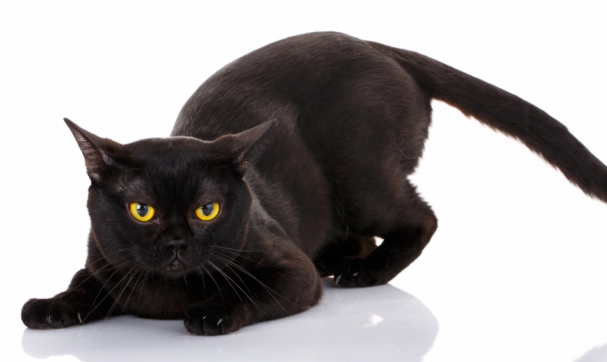
Introducing a Bombay to a Resident Cat: The Expert Tip Everyone Misses
Most guides tell you to do a slow introduction with scent swapping. That's correct. But here's the nuance for Bombays: use their social need as an advantage. After the initial separation phase, feed them on opposite sides of a closed door, but place their food bowls right up against the door. They associate the positive experience (eating) with the smell and faint sound of the other cat at very close proximity. This accelerates positive association faster than just swapping blankets. I've used this with three different cat introductions, and it cuts the acclimation time by half.
Bombay Cat Pros and Cons: The Unvarnished Truth
Let's be brutally honest. No breed is perfect for everyone. This table isn't sugar-coated.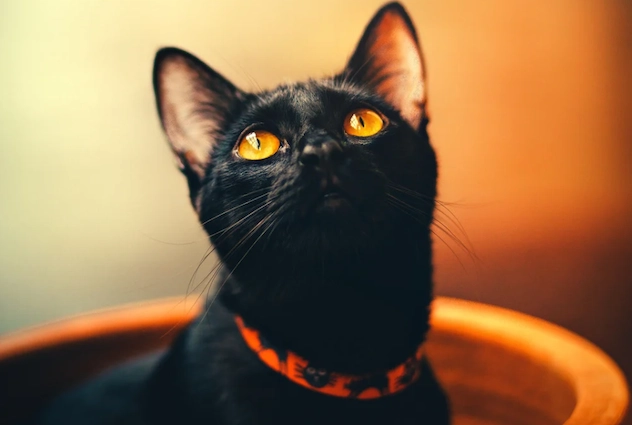
| Pros (The Amazing Bits) | Cons (The Reality Check) |
|---|---|
| Unmatched Affection: They are lap cats, shoulder cats, bed cats. Their love is physical and constant. | Separation Anxiety: They can become distressed, destructive, or vocal if left alone too much. Not ideal for frequent travelers. |
| Great with Families: Gentle, playful, and tolerant with kids and other pets when properly introduced. | Demands Attention: They can be "underfoot" and needy. If you value pristine personal space, reconsider. |
| Playful & Dog-Like: Many learn to fetch and walk on a harness. They engage in interactive play for years. | Can Be Mischievous: High intelligence + boredom = opened cabinets, knocked-over items, and general mischief. |
| Generally Quiet Voice: Soft, pleasant chirps and trills, not ear-piercing yowls. | Prone to Weight Gain: Love food + sedentary lifestyle = chunky panther. You must manage diet and exercise. |
| Stunning Appearance: The patent-leather black coat and copper eyes are breathtakingly beautiful. | Not Hypoallergenic: Despite short hair, they shed and produce dander. They are not a solution for cat allergies. |
See that last con? That's a big one. So many sites vaguely hint that short-haired cats are "better for allergies." It's misleading. According to resources like the International Cat Association, no cat is truly hypoallergenic, and allergen production isn't linked to coat length. If allergies are a concern, spend time with a Bombay before committing.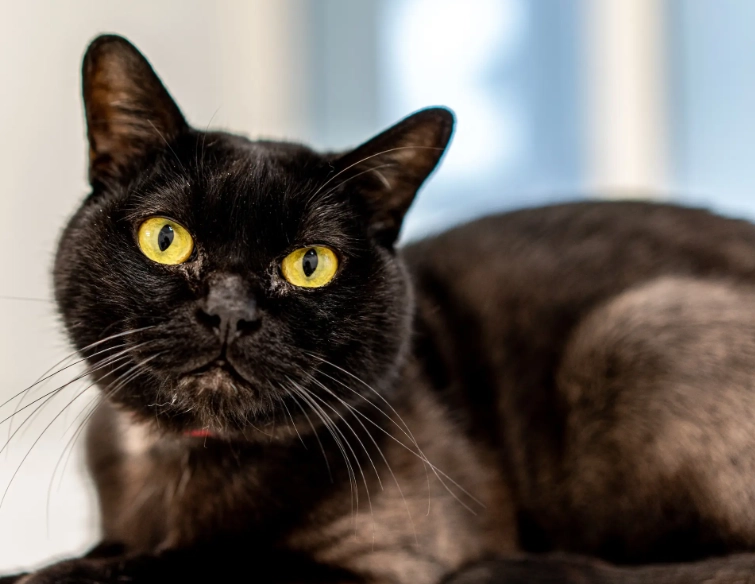
3 Common Mistakes First-Time Bombay Owners Make
After talking to breeders and fellow owners, these are the pitfalls that cause the most trouble.
Mistake 1: Treating Them Like a "Normal" Cat. You can't just put out food and water and expect a Bombay to entertain itself all day. They require mental and social stimulation. Without it, they develop behavioral issues—excessive vocalization, clinginess, or destructiveness. Plan for at least 30-45 minutes of dedicated interactive time daily.
Mistake 2: Ignoring Early Weight Management. Bombays have a hearty appetite and a sedentary side. It's incredibly easy for them to become overweight, which stresses their joints and leads to diabetes. Don't free-feed. Measure their kibble, incorporate wet food for moisture, and use puzzle feeders to slow them down and engage their brains.
Mistake 3: Underestimating the Need for Vertical Space. They are curious and love to survey their kingdom. If you don't provide cat trees, wall shelves, or window perches, they will create their own on your bookshelves and countertops. Giving them approved high places satisfies their climbing instinct and keeps them off your kitchen counters.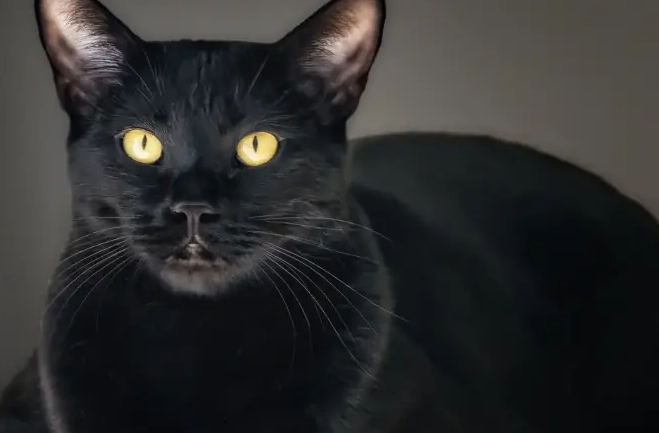
How to Care for a Bombay's Unique Personality Needs
Caring for a Bombay goes beyond food and litter. It's about catering to their psychological wiring.
- Combat Boredom & Anxiety: Food puzzles are non-negotiable. A simple ball they have to bat to release kibble works wonders. Leave the TV or radio on for background noise when you're out. Consider a pet camera with a treat dispenser and voice function to check in.
- Harness Training for Mental Stimulation: Many Bombays take to harnesses well. A safe, supervised backyard exploration or even a walk around the apartment hallway provides immense novel stimulation. It tires them out mentally more than physically.
- Establish a Routine: They thrive on predictability. Feed, play, and have cuddle sessions at roughly the same times. This reduces anxiety about when the next good thing is coming.
- Grooming is Bonding: Their short coat is easy—a weekly rubber brush session is enough. But use this time as a bonding ritual. They love the attention, and it reduces hairballs and loose hair around the house.
Your Bombay Cat Behavior Questions, Answered
My Bombay cat follows me everywhere, even to the bathroom. Is this normal, or is something wrong?
Completely, 100% normal. This is the quintessential Bombay trait. They aren't following you out of insecurity (usually); they're following you because you are their flock, and the flock sticks together. In their mind, anything you're doing is potentially interesting or a chance for affection. It's a sign of a well-bonded, socially healthy Bombay. The only time to worry is if the following is accompanied by constant, distressed meowing or destructive behavior when you briefly leave a room, which points to more severe separation anxiety.
Are Bombay cats aggressive or mean?
Aggression is not a trait of the breed standard. They are known for their gentle, even temperament. However, any cat can become fearful or defensive if mistreated, threatened, or in pain. A Bombay is more likely to become withdrawn or anxious than lash out aggressively. If a Bombay shows sudden aggression, rule out medical issues first (pain from dental disease, arthritis) and then environmental stressors (a new pet, loud noises, lack of resources).
I work 9-hour days. Is a Bombay cat a bad choice for me?
It's not ideal, but it's workable with significant adjustments. A solo Bombay alone for 9+ hours daily will likely be unhappy, leading to problems. The solution is twofold: 1) Get a second cat, preferably another social breed or a kitten, to be their companion. This is the single best thing you can do. 2) Radically enrich their environment—multiple interactive toys on timers, a fish tank to watch (with a secure lid!), a bird feeder outside the window, and dedicated playtime before and after work. Without these measures, you're setting up both yourself and the cat for a stressful life.
Why does my Bombay cat chirp and trill so much?
That's their happy voice! Chirps and trills are often signs of excitement, curiosity, or a friendly greeting. It's how a mother cat calls her kittens. Your Bombay is essentially saying, "Hello! I'm here! What's that? Let's interact!" It's a sign of contentment and engagement with their world. If the vocalization becomes constant, piercing, or sounds like a mournful yowl, it could indicate boredom, hunger, or a call for attention that's not being met.
Do Bombay cats get along with dogs?
Often, yes, exceptionally well. Their dog-like personality extends to getting along with dogs, especially calm, cat-friendly dogs. The key, as always, is a proper, slow introduction with controlled scent swapping and safe visual contact. A Bombay's confidence and social nature often mean they are less fearful than other cats. Many owners report their Bombay becoming fast friends with the family dog, even sleeping and playing together. Just ensure the dog has a solid "leave it" or "gentle" command.
So, is a Bombay the right cat for you? If your home is full of people, activity, and you want a feline presence that's deeply intertwined with your daily life, then absolutely. They repay affection tenfold. But if you envision a cat as a moving piece of art that requires minimal input, the demanding, talkative, shadow-like Bombay cat personality might feel overwhelming. They're not pets; they're family members who insist on a front-row seat to your life. And for the right person, that's exactly perfect.