Let's cut straight to the point. If you're picturing a bright, solid orange tabby like Garfield when you ask "Can Abyssinian cats be orange?", the simple answer is no, not in that way. A purebred Abyssinian will never be a flat, uniform orange. But if you're imagining a warm, reddish-gold coat shimmering with bands of color that gives an overall impression of burnt orange or cinnamon—then yes, absolutely. That's their signature look. The confusion is super common, and it all boils down to a specific genetic trick and a precise term: ruddy.
I've been around cats and cat shows for over a decade, and I've lost count of how many people point at a stunning ruddy Abyssinian and say, "What a beautiful orange cat!" It's an honest mistake, but understanding the difference is key to truly appreciating the breed and avoiding scams if you're looking to buy one.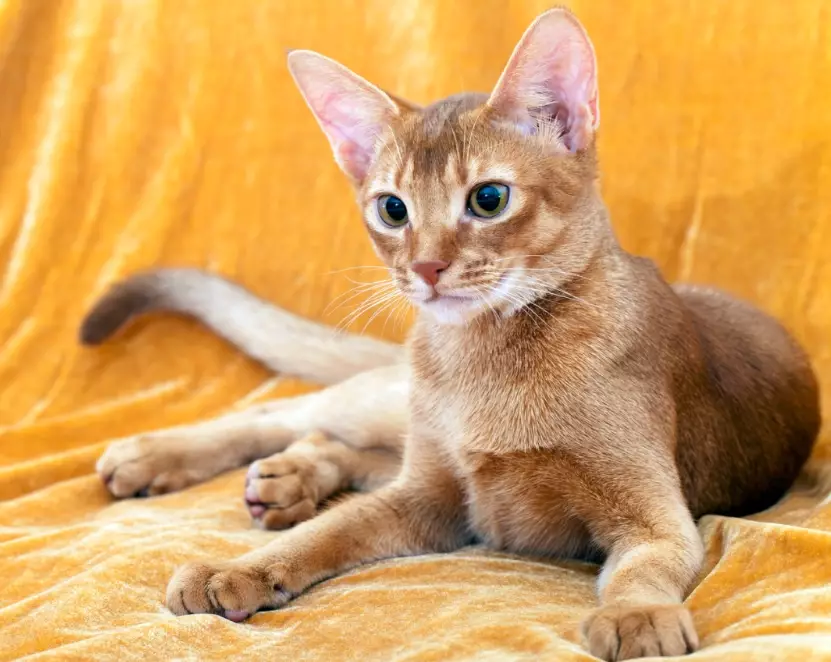
What You'll Discover in This Guide
The Short Answer: Ruddy, Not Orange
The most iconic and common Abyssinian color is called ruddy (sometimes "usual" or "tawny"). It's not a solid color. It's a ticked tabby pattern. Each hair has alternating bands of light and dark pigment, with a dark tip. The base color is a rich, warm reddish-brown or burnt orange, while the ticking is black or dark brown. From a distance, this creates that stunning, glowing copper-orange hue that catches the light. Up close, you see the intricate banding that gives the coat its depth and wild, cougar-like appearance.
Calling a ruddy Abyssinian "orange" is like calling a masterpiece painting "just blue." It misses the complexity. Major cat registries like The Cat Fanciers' Association (CFA) and The International Cat Association (TICA) have strict breed standards. "Orange" as a solid color isn't in their playbook for Abyssinians.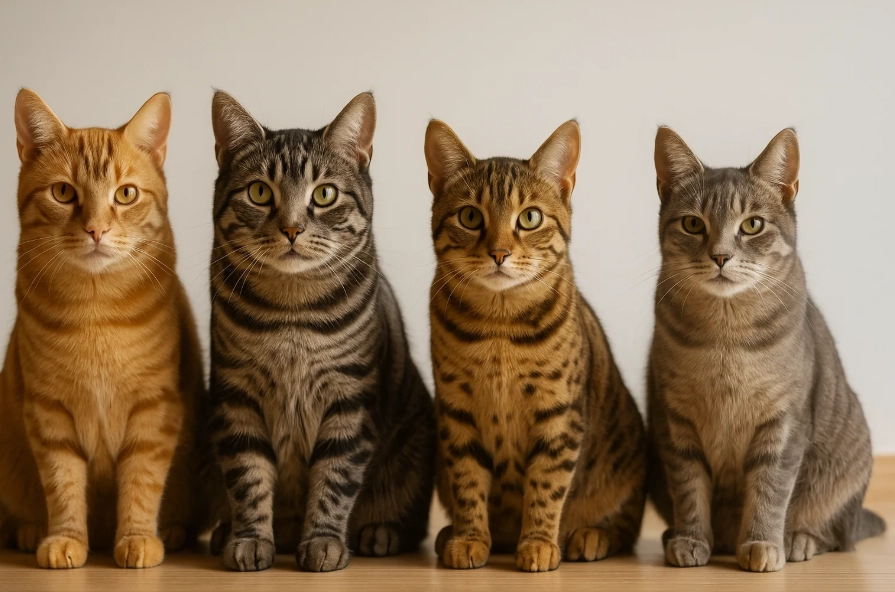
Key Takeaway: Think of the Abyssinian's color as layered warmth, not a flat orange paint job. The magic is in the ticking.
The Genetics Behind the Illusion: Why They Look "Orange"
This is where it gets interesting. The "orange" gene in cats (technically the O gene on the X chromosome) is responsible for pheomelanin production, which creates red/orange pigment. In a classic orange tabby, this gene is working full-time, often combined with a tabby pattern gene that creates stripes, swirls, or spots.
The Abyssinian's look is controlled by a different set of genetic instructions:
- The Agouti Gene (A): This is the master switch for banded hairs. Every Abyssinian has two copies of the dominant agouti allele (A/A), which turns on the ticking pattern on every single hair.
- The Ticked Tabby Pattern (Ta): A specific modifier gene suppresses the formation of the classic stripes (mackerel) or bullseyes (classic) on the body, restricting any bold markings primarily to the face, neck, legs, and tail. The body just shows the agouti ticking.
- Color Modifiers: Other genes then determine the shade of the bands. For a ruddy Aby, these genes produce that deep reddish base with black ticking.
So, while the ruddy color utilizes reddish pigments that might be related to the orange spectrum, it's packaged and expressed in a completely unique way dictated by the agouti and ticked tabby genes. It's a sophisticated genetic recipe, not a simple splash of orange.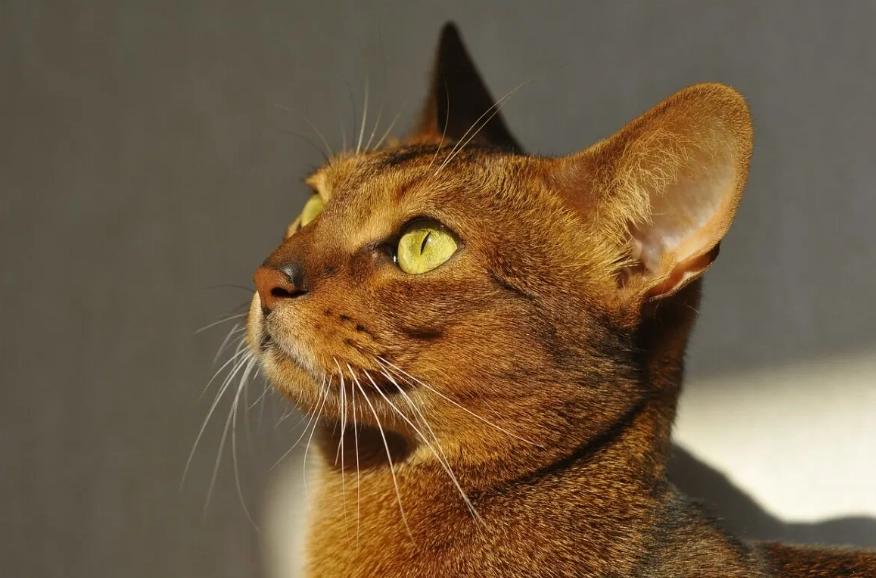
The Official Abyssinian Color Spectrum
Beyond the famous ruddy, Abyssinians come in several other stunning, recognized colors. None are solid; all are variations of the ticked tabby pattern. Here’s the breakdown you’d see at a cat show or from a reputable breeder.
| Color Name | Base Coat Color | Ticking Color | Overall Visual Effect | Nose Leather & Paw Pads |
|---|---|---|---|---|
| Ruddy (Usual) | Warm burnt orange / reddish-brown | Black or dark brown | Rich copper, cinnamon, glowing orange-brown | Tile red (brick) with black outline |
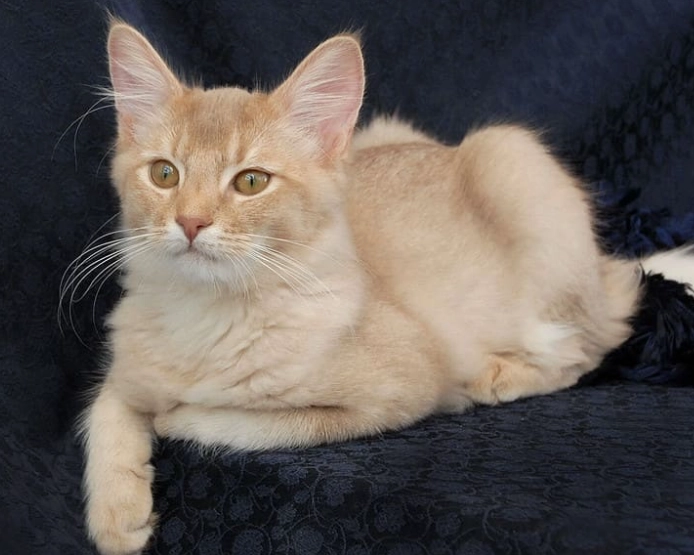
| Sorrel (Red) | Bright apricot, copper-red | Chocolate brown | Lighter, more vibrant "red" copper; often mistaken for orange | Pink |
| Blue | Soft beige-gray ("blue") | Steel blue-gray | Cool, elegant slate with warm undertones | Mauve (pinkish-gray) |
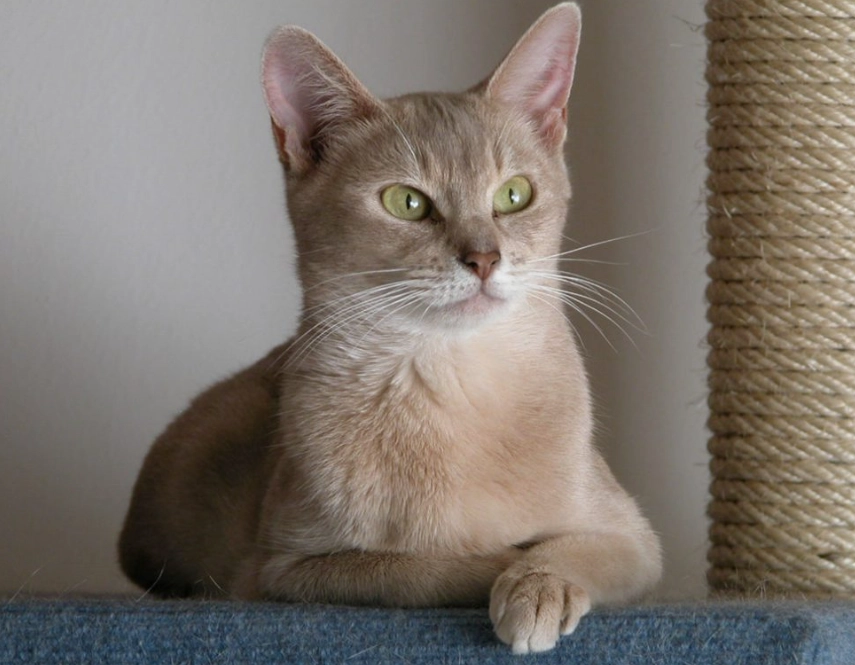
| Fawn | Light creamy beige | Light cocoa brown | Delicate, washed-out cinnamon | Salmon pink |
You might occasionally hear about rarer colors like chocolate, lilac, or silver in some registries or breeding lines. Sorrel is the one that most often triggers the "orange cat" question because its base coat is so vividly coppery-red. But again, zoom in—you'll see the chocolate brown ticking, not a solid block of color.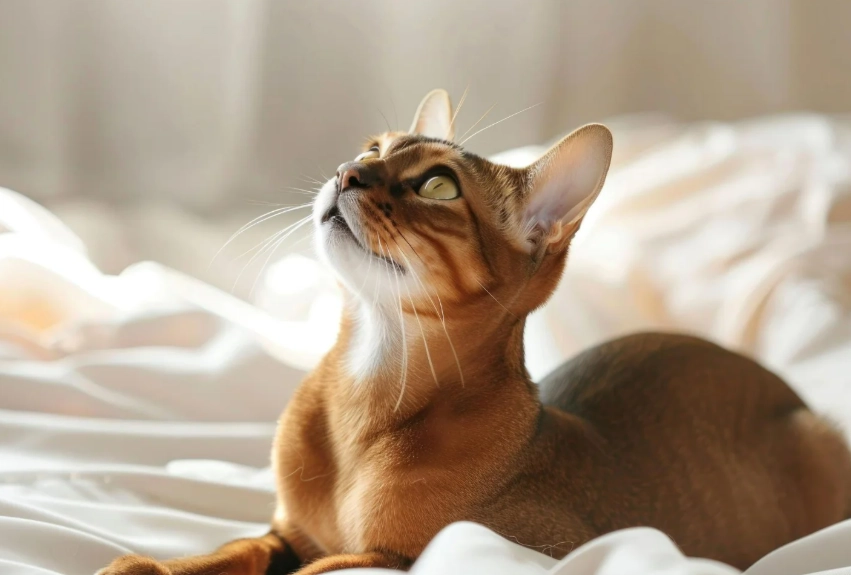
Abyssinian vs. Orange Tabby: A Practical Side-by-Side Guide
Let's make this actionable. You see a cat with a warm-colored coat. How do you tell if it's an Abyssinian or just an orange Domestic Shorthair? Look for these specific clues.
Coat Pattern & Texture
Abyssinian: No stripes, spots, or bullseyes on the main body. The pattern is even, fine ticking. The coat is short, fine, and lies close to the body. It has a distinct silky feel and a noticeable sheen.
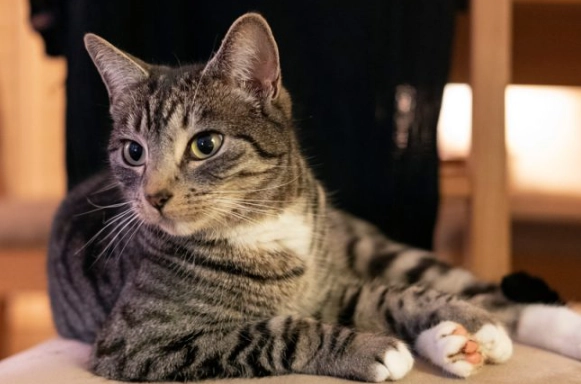
Orange Tabby: Will display a clear tabby pattern on the body: mackerel (narrow stripes), classic (swirls), spotted, or sometimes ticked (but rarely as uniformly as an Aby). The texture can vary widely.
Head & Face Markings
Abyssinian: Has classic tabby "M" on the forehead, dark lines extending from eyes, and a delicate "eyeliner" look. Cheeks often have darker shading. The overall expression is alert and exotic.
Orange Tabby: Also has the "M" and eye lines, but these can be bolder or less refined. The facial structure is less likely to be the specific wedge shape of the Aby.
Body Type & Ears
Abyssinian: Medium-sized, slender, and muscular with a distinctly arched back. Legs are long and fine-boned. Ears are large, pointed, and widely set, giving a constantly alert appearance.
Orange Tabby: Body type can be anything—stocky, cobby, long, or average. Ears are usually proportional and not a standout feature.
Here’s a real-world scenario: A friend once adopted a kitten from a shelter labeled "Abyssinian mix." It had a reddish coat. But as it grew, bold classic tabby swirls appeared on its sides, and its ears remained small and rounded. It was a beautiful orange classic tabby, likely with no Abyssinian ancestry at all. The shelter had mistaken color for breed.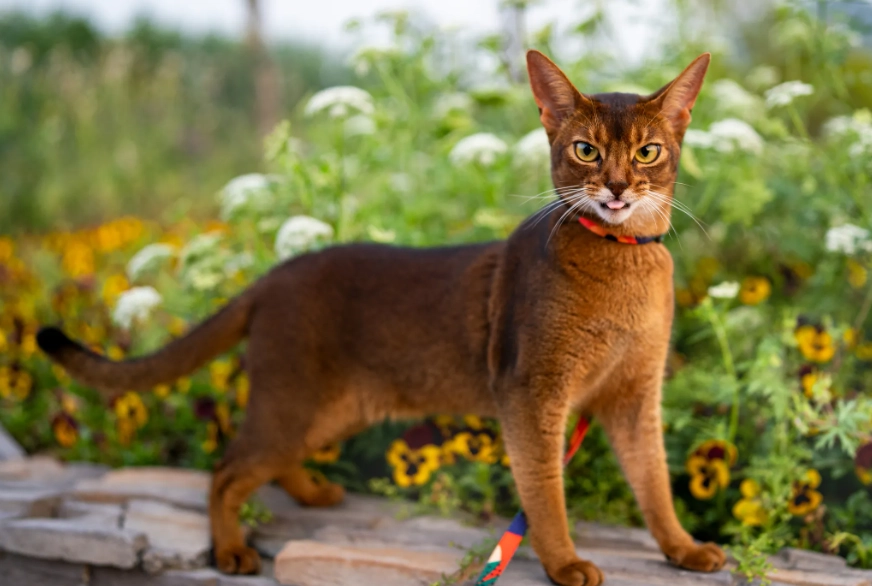
Your Questions, Answered
My cat looks exactly like an Abyssinian but is a solid, bright orange with no ticking. What is it?
You almost certainly have a Domestic Shorthair with a similar body type and color, but not the Abyssinian's defining agouti ticking gene. Purebred Abyssinians simply don't come in a solid, non-agouti coat. It's genetically impossible within the breed standard. This is a common mix-up, and it's why understanding the pattern is more important than the base color hue.
Can Abyssinians have any white on them, like an orange and white bicolor cat?
No. Any significant white spotting (a "bib," paws, or belly) is a major fault in the show ring and indicates the cat is not a purebred Abyssinian according to CFA and TICA standards. The breed standard calls for a clear, warm coat color without white lockets or patches. If you see an "Abyssinian" with white, it's a mix or a different breed altogether.
 I want a cat with that specific ruddy "orange" look. What should I ask a breeder?
First, ask to see the kitten's parents. Both should be registered Abyssinians with clear ruddy coloration. Ask specifically: "Are both parents genetically tested and clear of health issues like PK deficiency and renal amyloidosis?" Reputable breeders test for these. Then, in person, examine the kitten in good light. Run your hand against the grain of the fur. You should see the distinct, alternating bands of dark and light on individual hairs, especially on the back. If the coat looks flat or shows stripes on the body, walk away.
Are there any health issues linked to the ruddy/sorrel colors?
The color itself isn't linked to health problems. However, Abyssinians as a breed have some genetic predispositions, such as a higher risk for Progressive Retinal Atrophy (PRA) and Renal Amyloidosis. A responsible breeder will screen their breeding cats for these conditions, regardless of coat color. Don't be shy about asking for proof of these health clearances; a good breeder will provide them willingly.
 So, can Abyssinian cats be orange? They master the art of looking orange through their brilliant ruddy and sorrel coats—a sophisticated play of light, pigment, and genetics. But they'll never be the simple, solid orange tabby of cartoon fame. That unique ticked coat is their fingerprint, a beautiful deception that makes them one of the most visually striking and beloved cat breeds in the world. If you're captivated by that warm, wild look, now you know exactly what to look for—and what to call it.