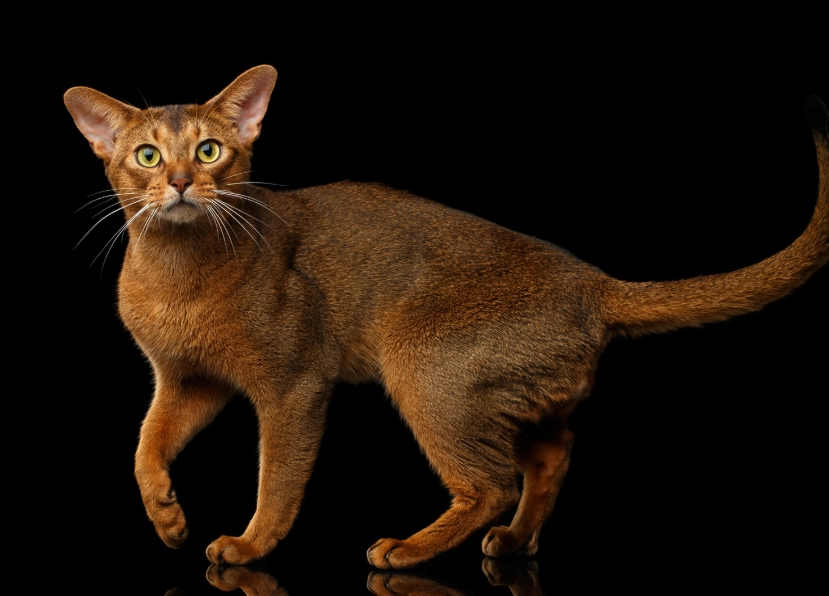
You've seen pictures. A sleek, muscular cat with mesmerizing aqua eyes, draped in a coat so dark it seems to drink the light. "Tonkinese cat black," you search, hoping to find your next feline companion. But here's the first curveball many websites gloss over: in the strict, purebred world, there is no genetically "black" Tonkinese. What you're likely admiring is a Natural Mink or Dark (Seal) Mink Tonkinese – a cat so deeply colored it appears black, especially in certain lighting. This isn't just semantics; it's the key to understanding their unique beauty, genetics, and how to find one. I've been involved with Tonkinese for over a decade, and the confusion around their colors is one of the first things I clarify with potential owners.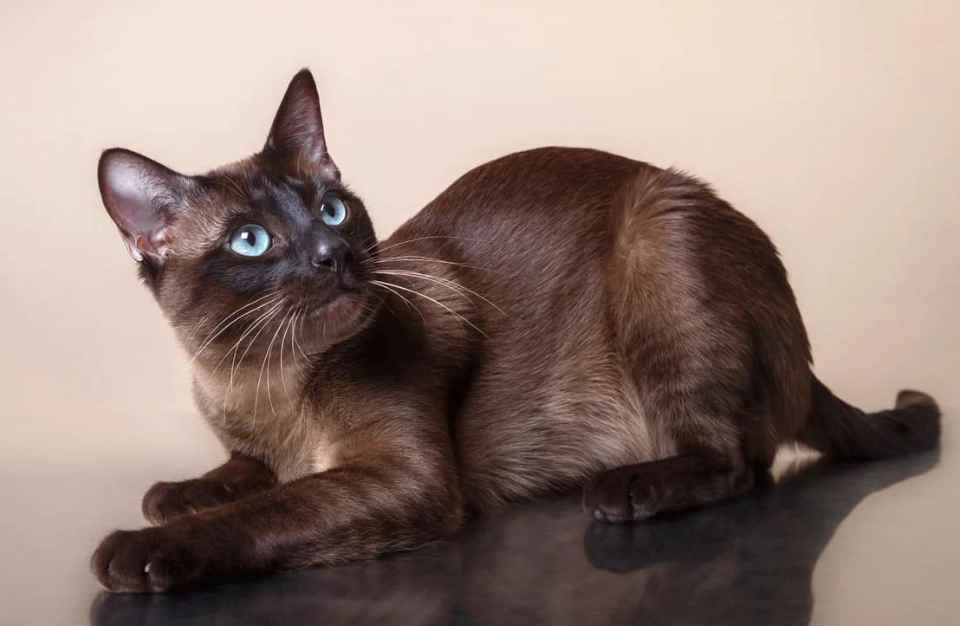
What's Inside This Guide?
The Genetics Behind the "Black" Illusion
Let's get technical for a moment, because it's fascinating. The Cat Fanciers' Association (CFA) and The International Cat Association (TICA) recognize Tonkinese in four base colors: Natural, Blue, Champagne, and Platinum. The "black" look comes from the Natural Mink variety.
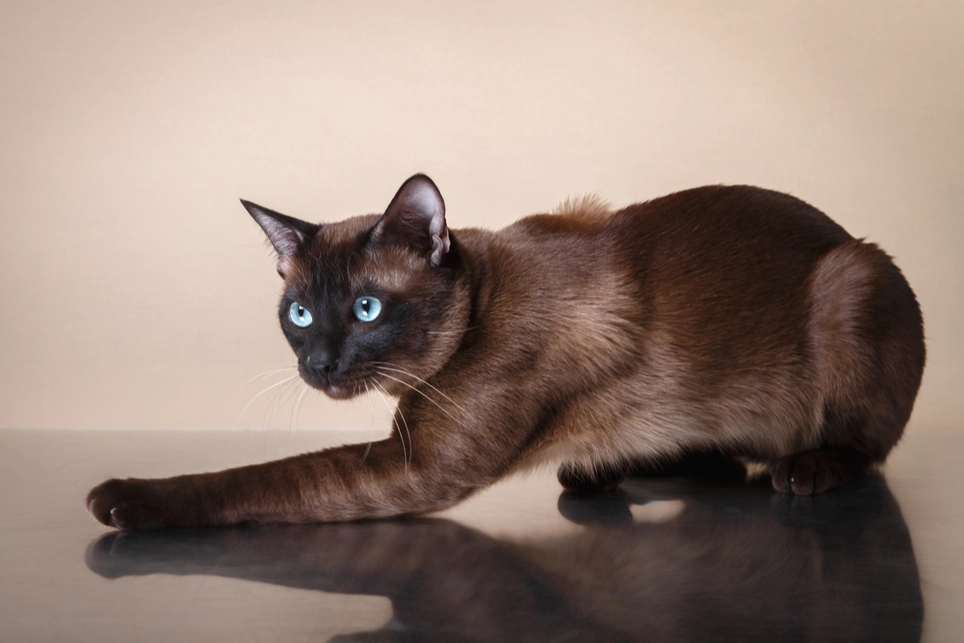
Think of it like this: a Tonkinese's coat color is determined by two factors—the Burmese gene (cb) and the Siamese gene (cs). A "mink" coat, the signature of the breed, occurs when a cat inherits one of each (cb/cs). The Natural Mink has a rich, warm dark brown base. In low light, this can look utterly black. But in bright sunlight, you'll see subtle brown undertones, like dark chocolate or espresso. It's never a jet-black like you'd see on a Bombay cat.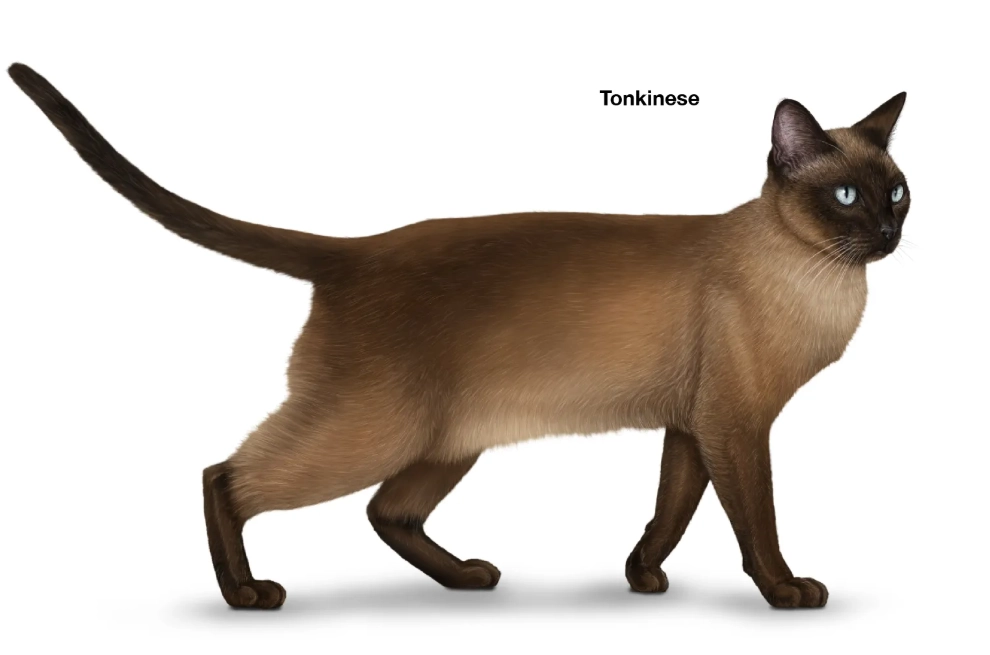
Pro Tip from a Breeder: Many novice breeders mistakenly advertise "black" Tonkinese kittens. A reputable breeder will always use the correct terminology—Natural Mink or Seal Mink. If someone is adamant about selling a "black" one, it's a red flag. They might be crossing with other breeds or don't understand their own breeding program's genetics.
Here’s a quick breakdown of what creates that stunning, dark coat:
| Term You See | Genetic Makeup | What It Actually Looks Like | Eye Color |
|---|---|---|---|
| Natural (Seal) Mink | Carries one Burmese (cb) and one Siamese (cs) color gene. | Dark warm brown to near-black. Visible brownish tones in sun. | Aqua, a stunning greenish-blue. |
| Natural (Seal) Point | Carries two Siamese (cs/cs) genes. | Lighter body with distinct dark brown points (face, ears, legs, tail). | Blue, like a Siamese. |
| Sable (or Seal) Solid | Carries two Burmese (cb/cb) genes. | Uniform dark brown with minimal contrast, but still not pure black. | Gold to green-gold. |
The aqua eyes of the Mink are a dead giveaway. No truly black-pigmented cat has aqua eyes. That eye color is the magical byproduct of the mink genetics.
Beyond Color: Appearance & The Tonkinese Temperament
Okay, so the coat is a deep, mysterious brown. But what about the cat underneath? The dark coat accentuates every line of the Tonkinese's moderate, muscular build. They feel heavier than they look—a solid bundle of energy wrapped in silk.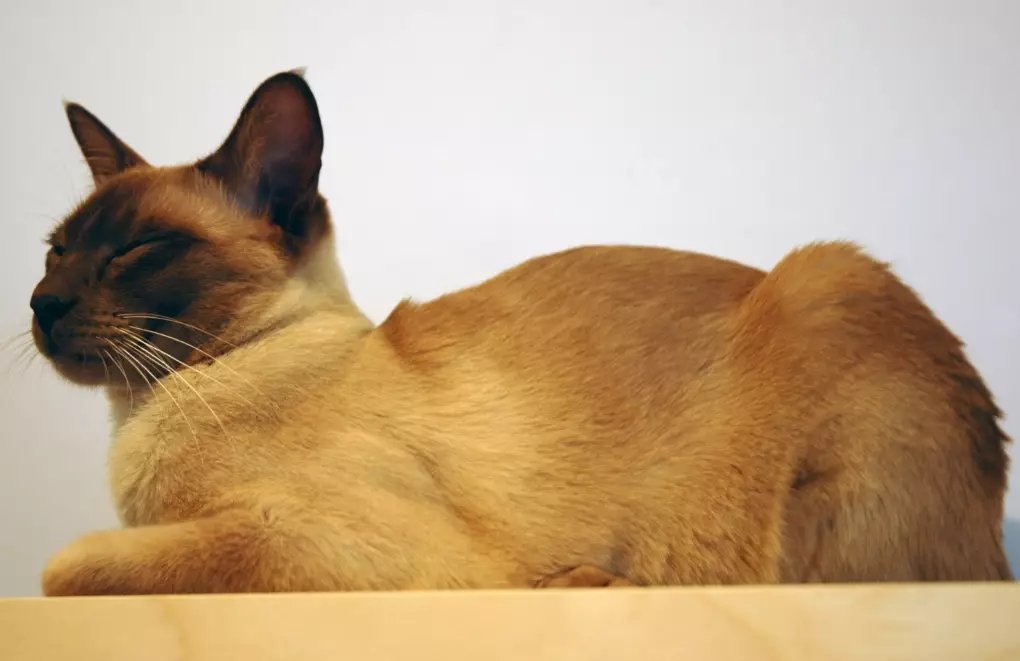
A Personality That Shines Brighter Than Any Coat
Forget the aloof cat stereotype. Owning a Tonkinese is like having a small, furry dog that purrs. Their personality is their biggest selling point, and color has zero influence on it.
- They talk, but it's a conversation. Not the loud, demanding yowl of a Siamese, but a soft, chirpy murmur. They'll tell you about their day, ask about yours, and comment on the bird outside. My old boy, Mocha (a Natural Mink, of course), had a specific trill for "my food bowl is visually 10% empty."
- Velcro cats with brains. They need to be where you are. On your keyboard, in your lap, supervising your shower. This isn't just affection; it's curiosity. They learn tricks easily—fetch, harness walking, even simple puzzle games. Boredom is their enemy.
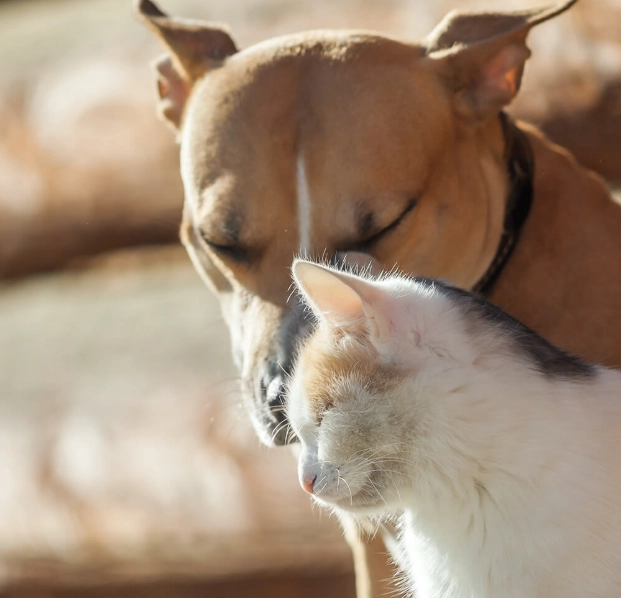
- A social glue. They often mediate multi-pet households. I've seen them befriend dogs, coax shy cats out of hiding, and gently play with rabbits. They hate being the only animal for long periods.
Here’s the unvarnished truth few admit: this neediness can be overwhelming. If you work 12-hour days or crave a pet that's decorative and independent, a Tonkinese will be miserable, and so will you. They are commitment.
Finding and Bringing a Dark Tonkinese Home
You're sold on the personality. Now, how do you find your shadowy soulmate?
Step 1: Find a Reputable Breeder. This is non-negotiable. Start with the breed club listings, like the Tonkinese Breed Association or TICA's breeder directory. Email them. Ask specific questions:
"Do you have Natural Mink kittens planned in your next litters?"
"Can I see the pedigree and photos of the sire and dam?"
"What genetic testing do you perform?" (PRA, GM2 are key for Tonks).
"What is your policy on early spay/neuter?"
A good breeder will interview you just as thoroughly. Expect to be on a waitlist. Quality takes time. Price? For a pet-quality Natural Mink kitten from health-tested parents, expect $1200 to $2000+.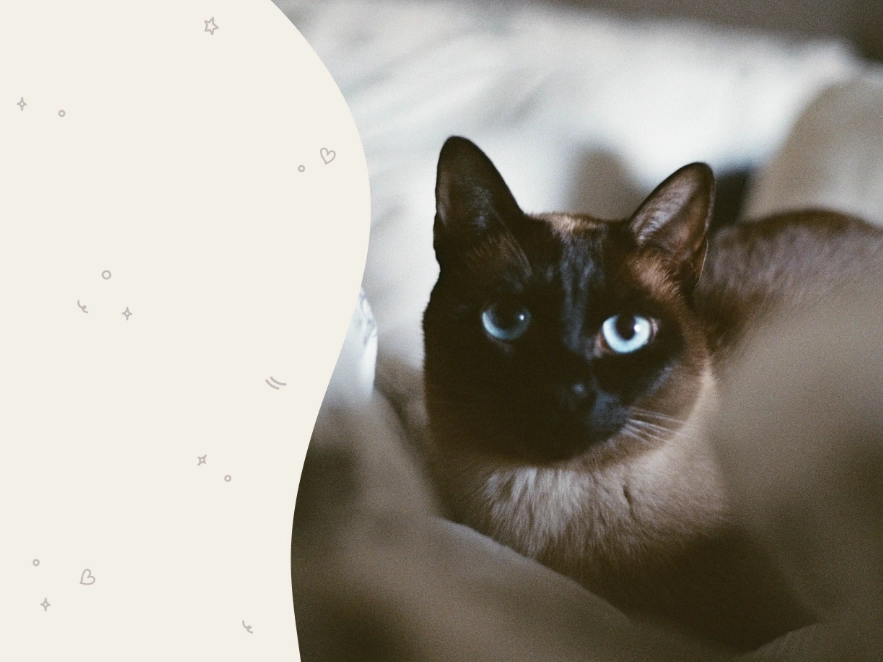
Step 2: Kitten Proofing for a Genius. These cats are clever and athletic. Secure top-heavy furniture. Hide wires. Get a sturdy, tall cat tree—they are climbers. Invest in interactive toys before they arrive. A bored Tonkinese invents their own fun, which usually involves your curtains.
Step 3: The First Days. Give them a quiet room to settle. Spend time in there just reading or working, letting them approach. Use food and gentle play to build trust. They often adapt quickly, but don't force it.
Care Essentials for Your Ebony Companion
Caring for a dark Tonkinese isn't vastly different, but a few points are worth emphasizing.
Grooming: Their short, close-lying coat is low-maintenance. A weekly rub-down with a silicone grooming mitt removes loose hair and makes their coat gleam. The dark color hides minor dandruff, but you'll feel it. Baths are rarely needed unless they get into something.
Diet: They are active and muscular. Feed a high-quality, protein-rich diet. Watch portion sizes; they love food and can gain weight if sedentary. I recommend puzzle feeders to engage their brains at mealtime.
Health: Generally robust. Reputable breeders test for Progressive Retinal Atrophy (PRA) and GM2 Gangliosidosis. Dental issues can pop up, so introduce tooth brushing early. Their lifespan is typically 15-18 years, with many reaching their early 20s.
Enrichment, Enrichment, Enrichment. I can't stress this enough. This is the single most important part of care beyond food and vet visits. Rotate toys. Teach tricks. Build a catio or harness train for safe outdoor exploration. Get a second cat (another Tonk or a similarly social breed) if you're away often. A lonely, under-stimulated Tonkinese is a recipe for anxiety-based behaviors like over-grooming or vocalization.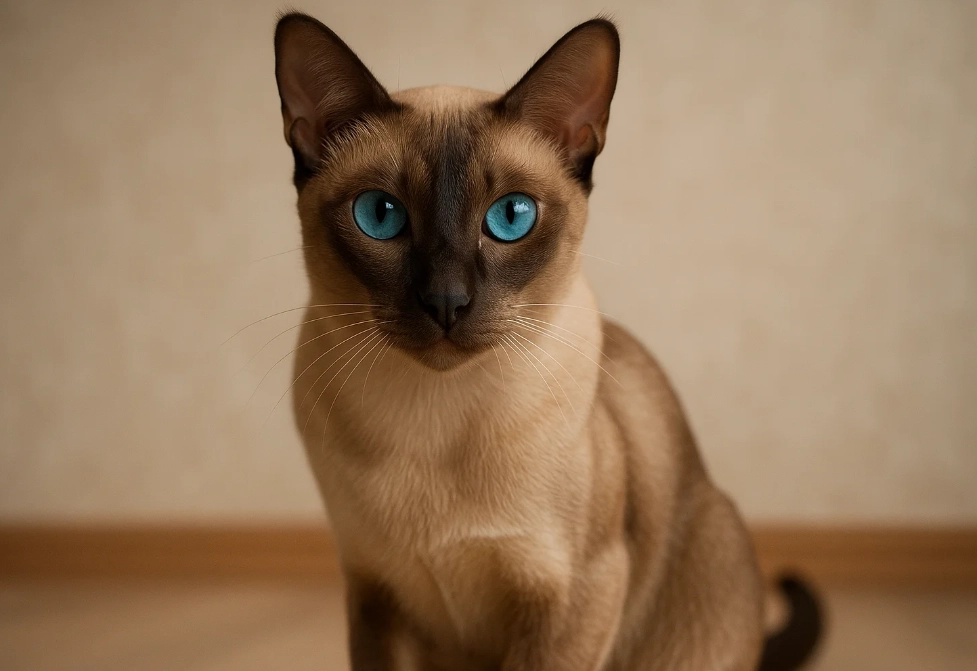
Your Questions, Answered (The Deep Stuff)
 I have allergies. Is a Tonkinese, especially a dark one, a good hypoallergenic choice?
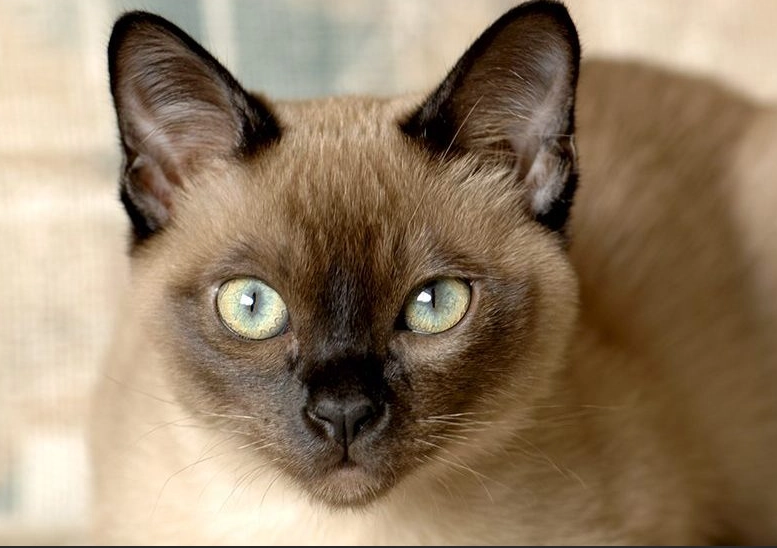 The "Tonkinese cat black" is a masterpiece of feline genetics—a dark, sleek package containing one of the most vibrant personalities in the cat world. Understanding that the color is a deep, warm brown mink, not a true black, is your first step toward appreciating its uniqueness. Finding one requires patience and a commitment to ethical breeding. Bringing one home means welcoming a chatty, clever, affectionate shadow into every part of your life. If you can meet their need for companionship and stimulation, you'll gain a friend whose loyalty and antics will outshine the darkest of coats for years to come.