If you're searching for "Tonkinese cat temperament," you're likely past the "what do they look like" stage and deep into the "what are they really like to live with" phase. Good. That's the important question. Owning a cat is a 15-20 year commitment, and personality matters far more than coat color in the long run. Let's cut to the chase: the Tonkinese temperament is often described as the "best of both worlds"—a blend of the Siamese's extroverted chatter and the Burmese's laid-back, cuddly nature. But that's a simplistic summary. In reality, it creates a uniquely demanding, incredibly rewarding, and sometimes hilariously dramatic companion.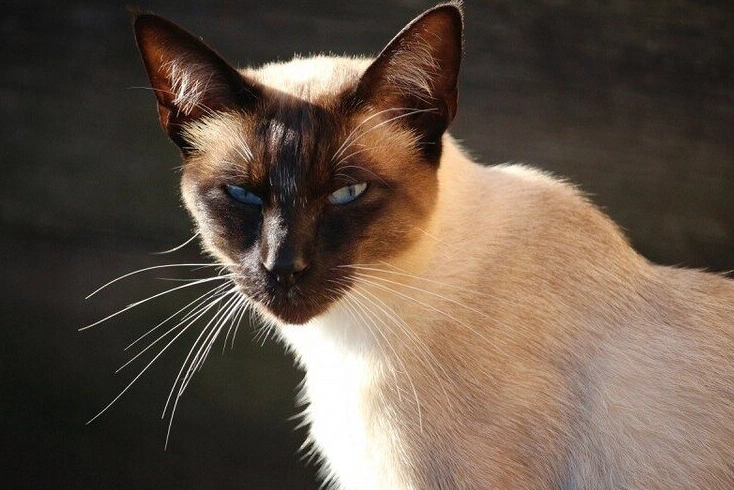
I've lived with Tonkinese cats for over a decade, and the first thing I tell prospective owners is this: forget the idea of an aloof, independent cat. A Tonkinese isn't a piece of furniture that purrs. They are a participant in your life, a supervisor of your chores, and a commentator on your daily activities. Their temperament is built on three pillars: sociability, playfulness, and communication. If that sounds like a lot, it is. But if it sounds wonderful, you're probably their ideal human.
What You'll Discover About Tonkinese Cats
The Core Traits of the Tonkinese Temperament
Let's break down what "social, playful, and vocal" actually means in day-to-day life.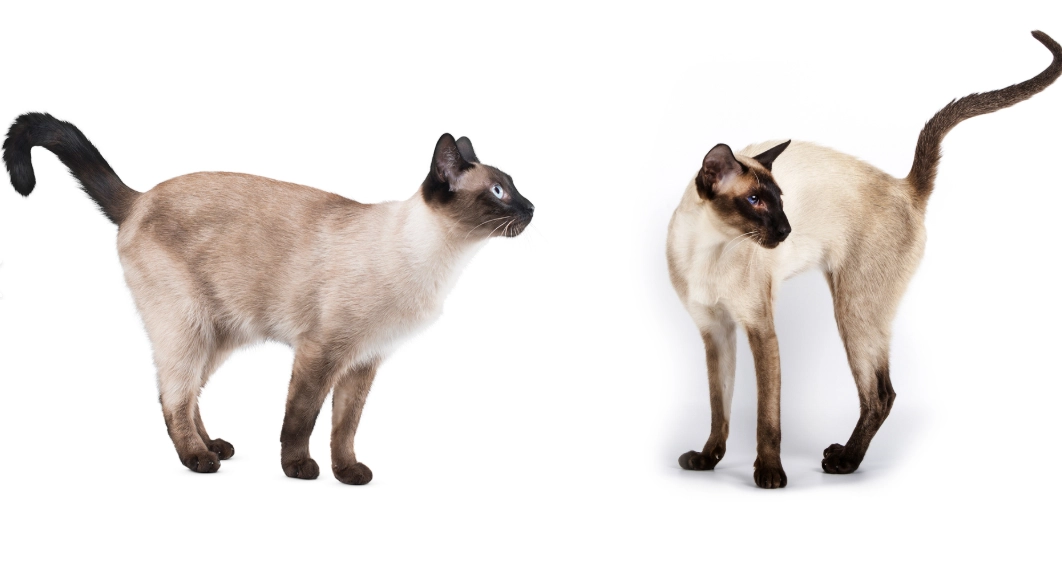
Social to the Core: Your Shadow with Fur
Tonkinese cats form intense bonds. They don't just like being near you; they need to be involved. You'll find them perched on the edge of the bathtub, sitting on the kitchen counter (politely out of the way, but watching), and following you from room to room. This isn't occasional behavior; it's their default state. A common misconception is that this makes them "needy" in a negative way. I see it as being highly companion-oriented. They are bred for partnership.
A friend of mine made the mistake of thinking her home office was a cat-free zone. Her Tonkinese, Milo, spent days scratching at the door and crying. The solution wasn't to ignore him; it was to put a cat tree by her desk. Now he "works" with her, content just to be present. This trait makes them poor candidates for people who are gone 12 hours a day. Loneliness can quickly turn into anxiety or destructive behavior.
Playful Intelligence: The Canine of the Cat World
Their playfulness isn't just kittenish antics that fade at age two. It's a lifelong, intelligent engagement with their world. Tonkinese cats are brilliant problem-solvers. They excel at fetch (often initiating the game themselves), learning tricks (like high-five or spin), and figuring out puzzle feeders in minutes. This intelligence demands stimulation.
I rotate toys weekly to prevent boredom. A simple cardboard box with holes cut in it can provide an hour of entertainment, but interactive wand toys are the gold standard for bonding. The key is engagement—they want to play with you, not just near you. This dog-like quality is a huge part of their charm but also a responsibility.
Vocal, Not Noisy: A Conversationalist
Here's where experience offers a nuance. People hear "vocal like a Siamese" and expect constant, loud yowling. The Tonkinese voice is usually different. It's softer, more melodic, and often used specifically for communication. They have a distinct chirp or trill for greeting you at the door, a different tone to ask for food, and a quiet murmur when curled up on your lap.
They talk with you, not at you. If you speak to them, they'll likely answer. This conversational aspect is delightful for many owners. It's less about noise and more about dialogue. However, if their needs aren't met—a empty food bowl, a closed door, lack of play—that conversational tone can escalate into persistent, unhappy calls. They're telling you something is wrong.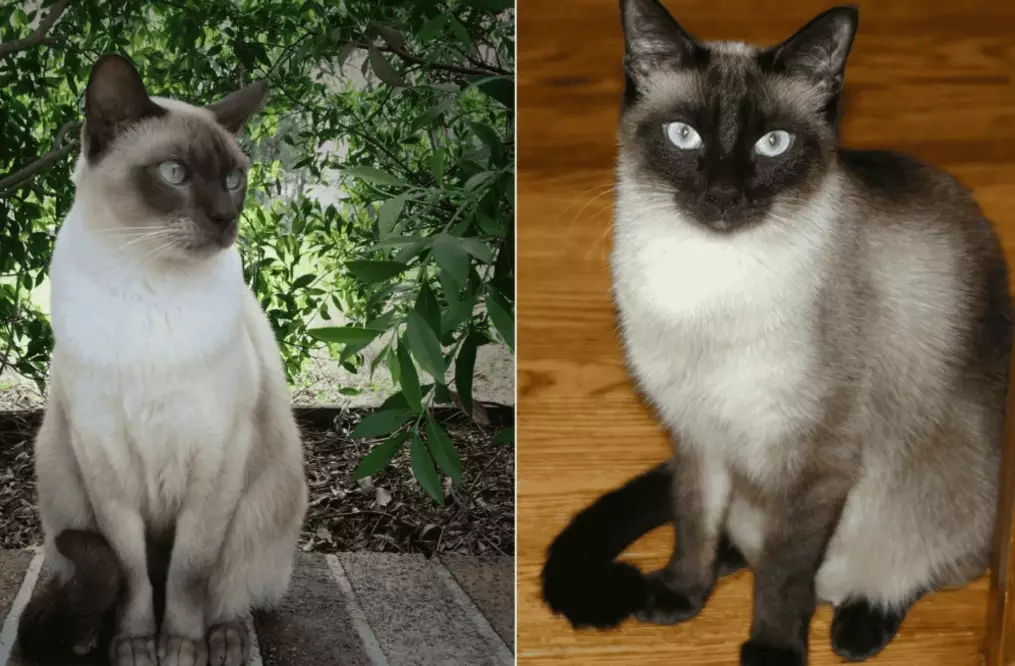
How the Tonkinese Compares to Its Ancestors
Understanding the Siamese and Burmese temperaments helps predict what you're getting into. This table isn't just academic; it shows why the Tonkinese is often the perfect middle ground for people who find pure Siamese too intense or pure Burmese too sedentary.
| Trait | Siamese | Tonkinese | Burmese |
|---|---|---|---|
| Energy Level | Very High. Can be relentless. | High, but with an "off switch" for cuddles. | Moderate to High. Playful but less frantic. |
| Vocalization | Loud, frequent, dramatic. A known talker. | Moderate, conversational, softer voice. | Quiet to Moderate. Soft, sweet voice. |
| Social Need | Extremely people-oriented, can be demanding. | Highly social, thrives on interaction but can be slightly more independent than Siamese. | Extremely affectionate, "velcro" cat, loves laps. |
| Play Style | Acrobatic, intelligent, needs constant challenge. | Intelligent, playful, enjoys games like fetch and puzzles. | Playful, but often content with simpler games and cuddles. |
| Best For | Experienced owners who crave constant interaction. | Active families or individuals who want an involved, playful companion. | Those seeking an exceptionally cuddly and gentle lap cat. |
The breed standard from organizations like the Cat Fanciers' Association (CFA) and The International Cat Association (TICA) emphasizes this balanced, moderate temperament, which is a direct result of the hybrid blend.
Are Tonkinese Cats Good with Children and Other Pets?
Generally, yes. Their social and playful nature makes them excellent family cats. However, context matters.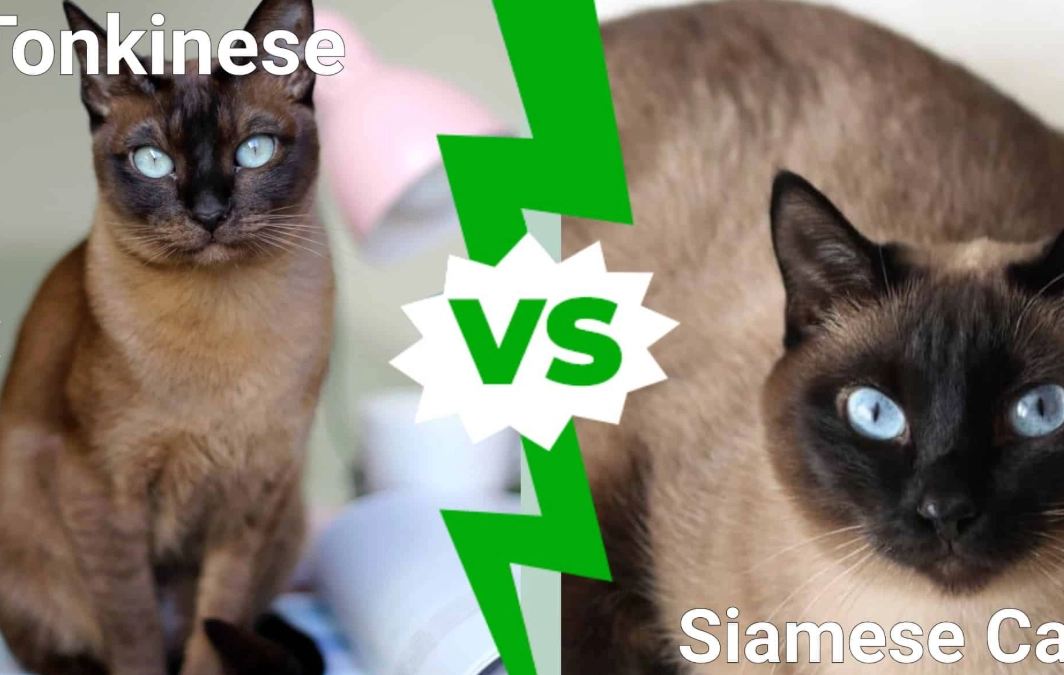
With respectful children who understand how to handle pets gently, a Tonkinese will be a tireless playmate. They are less likely to scratch or hide than more timid breeds. Their sturdy build (inherited from the Burmese) can handle a bit of clumsy affection better than a delicate-boned cat. I've seen them become a specific child's devoted guardian, sleeping in their bed every night.
With other pets, they often thrive. They usually do well with another cat, especially if it's another active, social breed. Introducing a second Tonkinese kitten is a classic solution for single-cat households with long work hours. They also frequently get along with cat-friendly dogs. Their bold, inquisitive nature means they're more likely to approach a new dog than flee, but proper, slow introductions are non-negotiable.
The one scenario that can backfire is pairing a highly energetic Tonkinese kitten with a much older, sedentary cat who wants peace. The Tonkinese will pester them to play, causing stress.
The Potential Challenges: It's Not All Cuddles
No breed is perfect. Being honest about the challenges is what separates a good pet owner from a great one.
Separation Anxiety: This is the big one, and it's rarely discussed enough. Their deep attachment means prolonged solitude is their kryptonite. A Tonkinese left alone regularly for 8+ hours may develop behaviors like excessive vocalization, inappropriate urination, or destructive scratching. It's not spite; it's distress. If you have a demanding job, seriously consider getting two, or be prepared to invest in a pet sitter/doggy daycare for cats.
Boredom = Trouble: An under-stimulated Tonkinese is a creative one. They'll invent their own games, like "how many items can I knock off the shelf" or "let's unravel the entire toilet paper roll." They need daily interactive play sessions, not just automated toys.
They Can Be Clingy: If you desire a cat that does its own thing 90% of the time, look elsewhere. A Tonkinese will want to be in your business. Some people find this constant presence overwhelming.
Meeting Their Needs: Environment & Enrichment
Setting up your home for a Tonkinese is about creating opportunities for their three core drives: socializing, playing, and exploring.
Vertical Space is Non-Negotiable: Cat trees, wall shelves, and window perches are essential. They love to survey their kingdom from up high. A tall cat tree by a window is like a television for them.
Interactive Play Schedule: Aim for two 15-minute play sessions daily. Use wand toys to mimic prey (feathers, mice). End with a small treat to simulate the "kill." This satisfies their hunting instinct.
Puzzle Feeders & Training: Ditch the food bowl. Use puzzle feeders for kibble. Spend 5 minutes a day teaching a trick using clicker training. This mental work tires them out as much as physical play.
Secure High-Value Areas: They are clever and persistent. If you don't want them on the kitchen counter, you need consistent training and providing a better, approved alternative (like a nearby stool).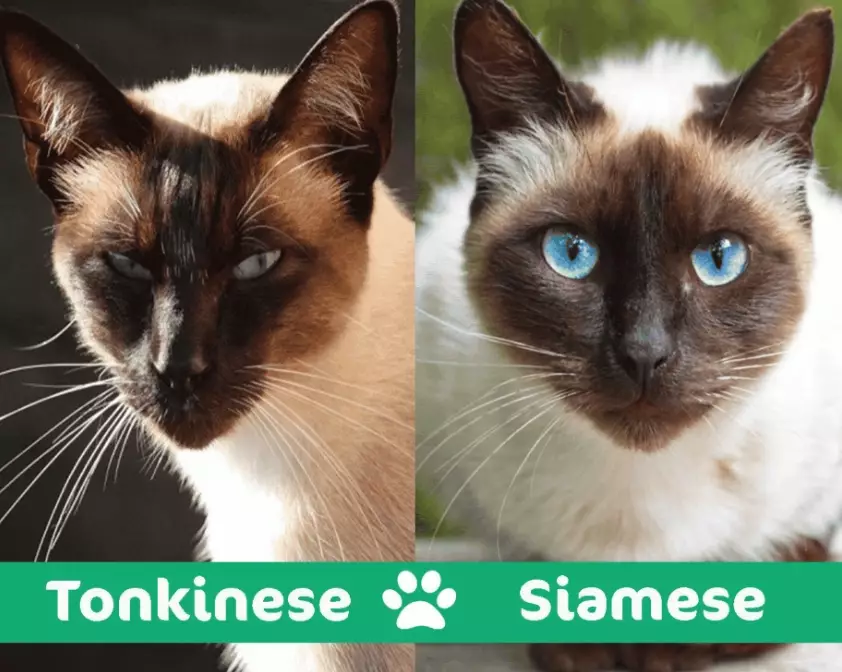
Your Tonkinese Temperament Questions Answered
My Tonkinese follows me everywhere. Is this normal?
Completely normal. It's the hallmark of the breed's social temperament. They see you as part of their colony and want to be involved in all activities. Instead of seeing it as clingy, reframe it as them choosing you as their favorite person. Ensure they have a comfortable spot in every room you frequent, like a small bed in your office, to encourage calm companionship.
Are Tonkinese cats too loud for apartment living?
It depends on the individual cat and your management. Their voice is typically softer than a Siamese. The main issue in apartments isn't volume, but potential persistent meowing if they're bored or lonely. Proactive enrichment (play, puzzles, a window view) and possibly a feline companion are the best soundproofing. A tired, happy Tonkinese is a quiet one.
I work from home. Is a Tonkinese the perfect "office cat"?
Yes and no. They will love being with you all day, which is a plus. However, be warned: they may not understand "focus time." They might walk on your keyboard, bat at your pen, or demand lap time during a video call. Set clear boundaries from the start. Provide a dedicated, cozy bed or cat tree right next to your desk. When they settle there, reward them with a treat. They'll learn that calm proximity earns rewards, while interrupting the keyboard does not.
How do Tonkinese cats typically react to strangers?
They are rarely shy. Most will approach a new visitor with curiosity rather than fear. They are likely to give a few investigative sniffs and may even jump up next to a friendly guest. Their social nature extends beyond just their immediate family. This makes them poor "watchcats" but wonderful hosts.
Do Tonkinese kittens have a different temperament than adults?
Kittens are, of course, more energetic and chaotic. The core traits are there from the start—playful, social, curious. As they mature (around 2-4 years), their energy may mellow slightly, and their cuddly, lap-loving Burmese side often becomes more pronounced. The intelligent, conversational, and involved personality, however, is a lifelong commitment.
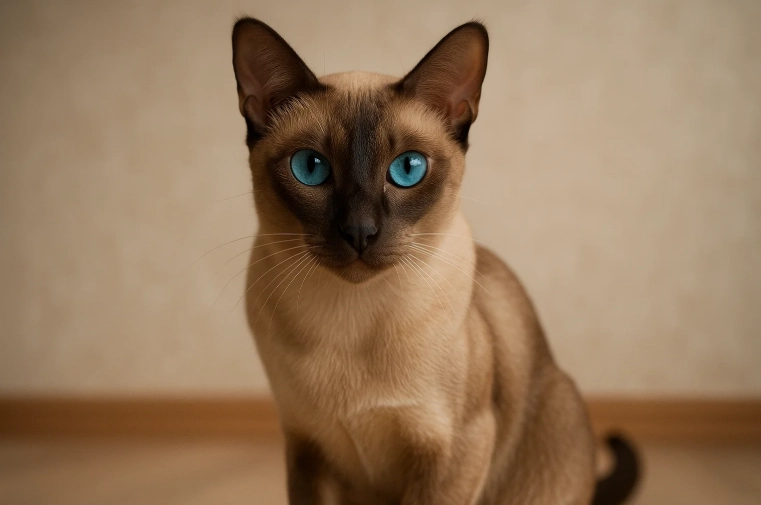 So, what is the temperament of a Tonkinese cat? It's the temperament of a true companion. They are not background pets. They are foreground personalities. They will make you laugh with their antics, warm your heart with their devotion, and yes, sometimes try your patience with their need for attention. Choosing a Tonkinese means choosing to have a small, furry, intelligent, and deeply social being as a central part of your daily life. If you're ready for that level of engagement, you'll be rewarded with one of the most uniquely interactive and loving relationships the cat world has to offer.