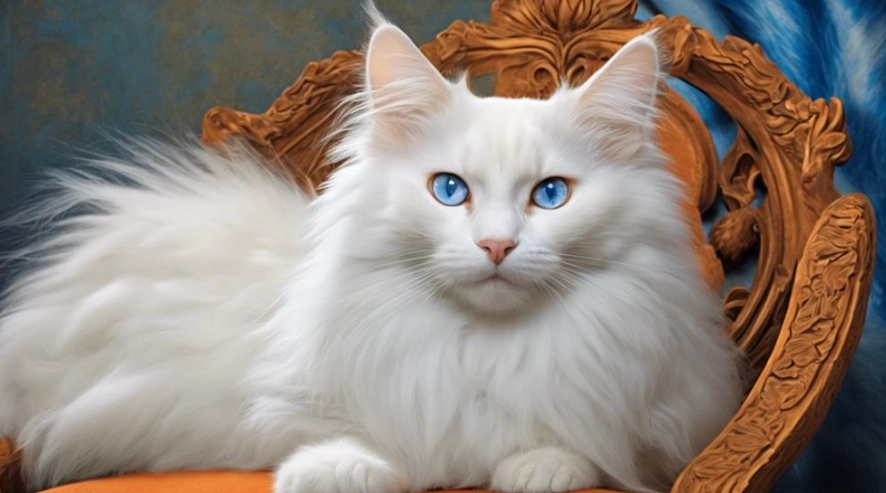
You're probably looking at pictures of fluffy, blue-eyed cats and wondering, "Are those Birmans or Ragdolls?" It's a common question. Both breeds are stunning, known for their gentle nature and silky fur, which makes telling them apart tricky for newcomers. I've lived with both breeds over the years, and while they share a family resemblance, the differences become obvious once you know what to look for. This isn't just about coat color or eye shape; it's about understanding their unique histories, personalities, and the specific care each one needs. Choosing between them isn't about picking the "better" cat, but the right cat for your specific life. Let's cut through the confusion.
What You'll Discover in This Guide
Tale of Two Legends: Origin Stories
Their beginnings tell you a lot about their vibe. The Birman's story is wrapped in myth. Legend says they were temple cats in Burma, guardians of priests. The story goes that a priest was killed, and his loyal cat placed its paws on him, its white feet becoming stained with gold. All Birmans today are said to carry that marking—white paws called "gloves." It's a beautiful story, but the modern Birman was developed in France in the early 20th century, nearly going extinct after WWII. Breeders rebuilt the breed from a handful of cats. This gives Birmans an air of ancient, mystical elegance.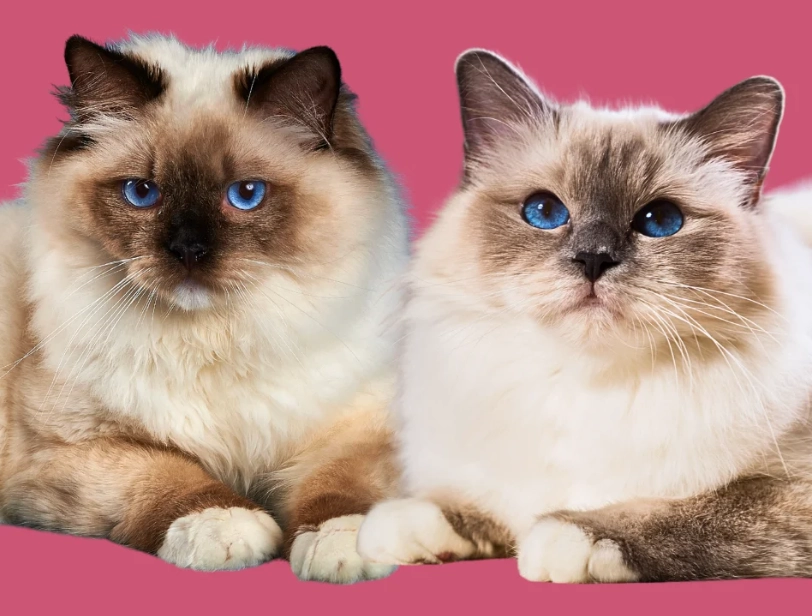
The Ragdoll's origin is more modern and… pragmatic. It started in 1960s California with a breeder named Ann Baker. She claimed her foundation cat, Josephine, was in a car accident and her offspring developed unique, docile traits. The science behind that is dubious, but the result was a breed selectively bred for one thing: an incredibly relaxed, floppy temperament. The name "Ragdoll" comes from how they go limp when picked up. Their history is less about ancient temples and more about deliberate creation for companionship. The Cat Fanciers' Association (CFA) and The International Cat Association (TICA) have detailed breed standards for both, which is where the physical specs really get defined.
Side-by-Side: The Visual Breakdown
This is where most people get stuck. At a glance, they're both semi-longhaired, pointed cats (darker color on ears, face, paws, tail). But the devil's in the details.
The most unmistakable difference is the paws. A Birman's paws are always pure white, like little socks. They're symmetrical and must not extend too far up the leg. This is non-negotiable for the breed standard. A Ragdoll's paws, however, match the color of their points. If they have seal points (dark brown), their paws are seal. No white gloves.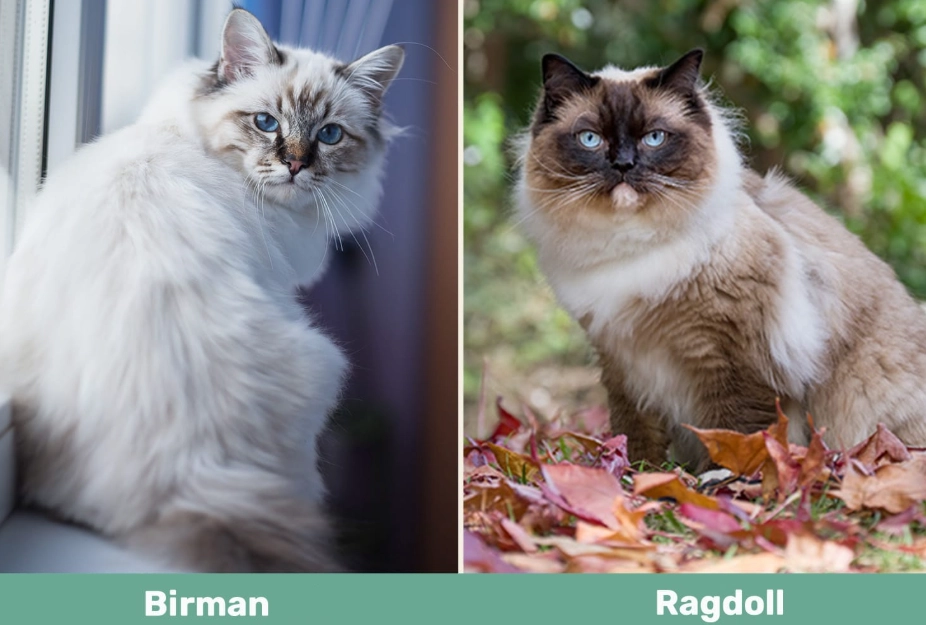
Body structure is next. Ragdolls are one of the largest domestic cat breeds. Males can easily hit 15-20 pounds. They have a substantial, rectangular body with a broad chest and sturdy bones. They feel heavy. Birmans are more moderately sized and balanced. They're still solid cats, but they have a more traditional, elegant build without the extreme bulk of a Ragdoll.
Finally, look at the face. Birmans have a strong Roman nose and rounder, fuller cheeks, giving them a sweet, expressive look. Ragdolls have a distinctive wedge-shaped head with a flatter plane between the ears and larger, oval eyes. Their expression is often described as "sweet" but can seem softer and more placid.
| Feature | Birman | Ragdoll |
|---|---|---|
| Paws (The Key Sign) | Pure white "gloves" on all four feet. | Colored to match point color. No white gloves. |
| Body Type | Moderate, balanced, substantial but not huge. | Large to very large, heavy-boned, rectangular body. |
| Head Shape | Strong Roman nose, rounder cheeks. | Wedge-shaped head, flatter profile. |
| Coat Texture | Silky, single-layer, minimal matting. | Plush, rabbit-like, dense, can mat more easily. |
| Eye Shape | Round, deep blue. | Large, oval, vivid blue. |
Pro Tip from Experience: The coat feel is a dead giveaway you can't get from a photo. Run your fingers through it (if the cat allows!). A Birman's coat is remarkably silky and tends to lie flat. It's a single coat, so it's less prone to tangles. A Ragdoll's coat is denser, plush, and more "stand-off"—it feels like a plush toy. This density means it requires more vigilant brushing to prevent mats, especially under the arms and around the ruff.
The Personality Debate: Lap Cat vs. Shadow Cat
Both are famously gentle, people-oriented cats. They're not the aloof, independent types. But their approach to affection differs.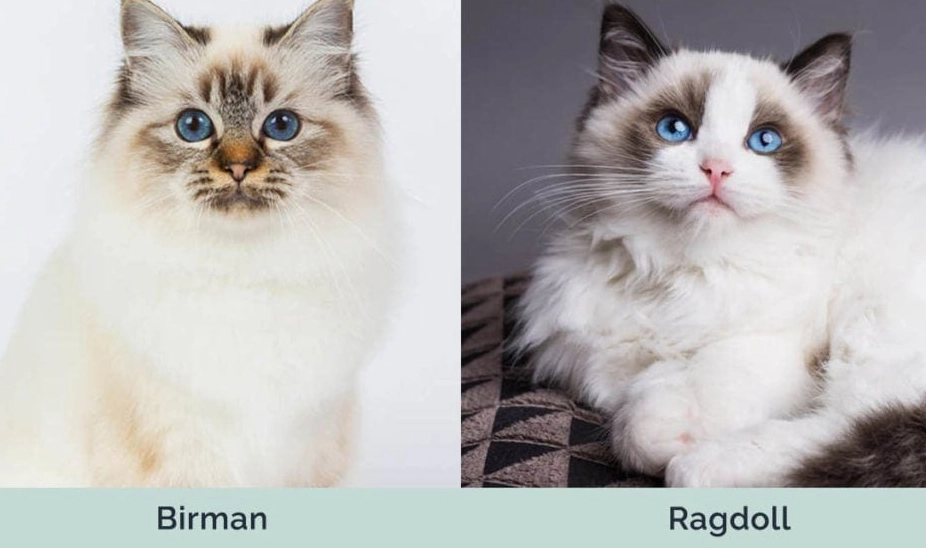
Ragdolls are the quintessential "lap cats." They are bred for that floppy, relaxed demeanor. Many will happily be carried around like a baby. They tend to be extremely tolerant, often recommended for families with gentle children. Their play style is usually calm. They're not typically the cats you'll find scaling your curtains. That said, the "ragdoll limpness" varies. My friend's Ragdoll does go completely floppy, but mine would just settle in comfortably—not all are literal ragdolls.
Birmans are what I call "shadow cats." They want to be with you, involved in everything you do, but not necessarily on you. You'll be cooking, and they'll be perched on a nearby chair. You'll be working, and they'll be on the corner of the desk. They follow you from room to room. Their affection is more interactive and conversational. I've found Birmans to be a bit more playful and inquisitive than Ragdolls. They might fetch, and they enjoy interactive toys. They have a soft, melodic voice and aren't afraid to use it to comment on your activities.
How They Handle Change and Strangers
This is a subtle but important point. Ragdolls, due to their docile nature, can sometimes be overly passive. A very timid Ragdoll might hide from loud guests or sudden changes. Birmans, while not aggressive, often have a slightly more confident curiosity. They might observe a new guest from a safe distance before deciding to investigate. Neither breed is typically a "scaredy-cat," but their reactions stem from different places—Ragdoll from placidity, Birman from cautious interest.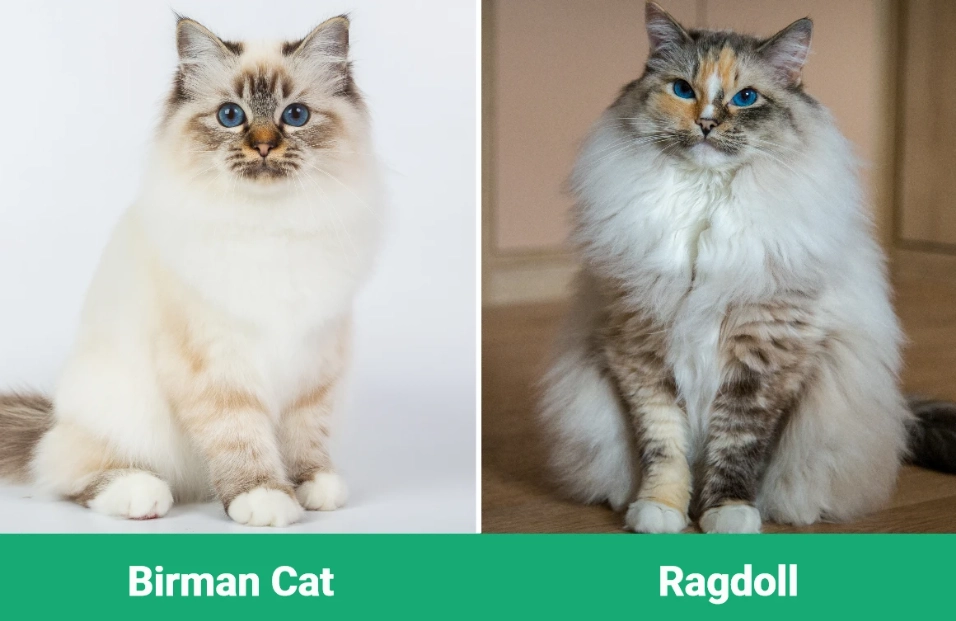
Daily Care & Long-Term Health
You can't talk about differences without discussing the daily grind.
Grooming: As mentioned, the Ragdoll's dense coat is higher maintenance. Plan on brushing 2-3 times a week minimum to prevent mats. The Birman's silky coat is more forgiving; a good once-a-week brush is often sufficient. Both shed, but the Ragdoll's undercoat means more volume during shedding seasons.
Activity & Space: Neither is a hyperactive breed, but Birmans tend to be a bit more agile and may appreciate taller cat trees. Ragdolls, due to their size, are often less inclined to jump to extreme heights. A sturdy, wide-based cat tree is better for them. Both need regular play sessions to stay fit, especially Ragdolls, who can become overweight.
Health Considerations: Reputable breeders screen for genetic issues. Both breeds can be predisposed to Hypertrophic Cardiomyopathy (HCM), a heart condition. Ask breeders for proof of HCM screening. Ragdolls have a specific genetic marker for HCM that can be tested for. According to resources like the Cornell Feline Health Center, responsible breeding is key. Ragdolls may also be more prone to bladder stones. Birmans have a relatively robust health profile but watch for dental issues. The lifespan for both is similar, typically 12-16 years with good care.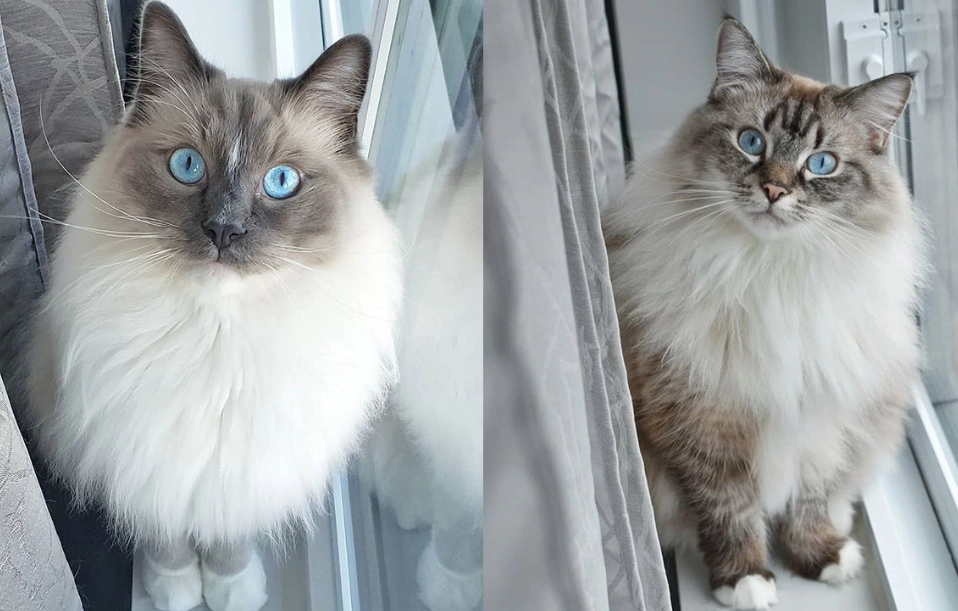
- Birman Care Checklist: Weekly brushing, dental care attention, interactive playtime, secure window perches.
- Ragdoll Care Checklist: Frequent brushing (2-3x/week), weight monitoring, large litter boxes (they're big cats!), low-sided beds for easy access.
Which Cat Is Right for You?
This isn't a quiz with a right answer. It's about matching energy.
You might lean towards a Birman if: You want a devoted companion who participates in your day without being a permanent lap fixture. You appreciate a chatty cat with a playful side. You prefer slightly easier grooming. You live in a home with multiple levels they can explore.
You might lean towards a Ragdoll if: Your dream is a giant, floppy cat who will happily cuddle for hours. You have a calm household with gentle children. You don't mind a more intensive grooming routine. You want a cat with an almost dog-like loyalty and placid temperament.
For both: Be prepared for a significant upfront cost ($1,000 - $2,500+ from a reputable breeder). Always choose a breeder who prioritizes health testing and socializes kittens in a home environment. Visit them if possible. The personality of the individual kitten matters more than any breed generalization—tell the breeder about your lifestyle.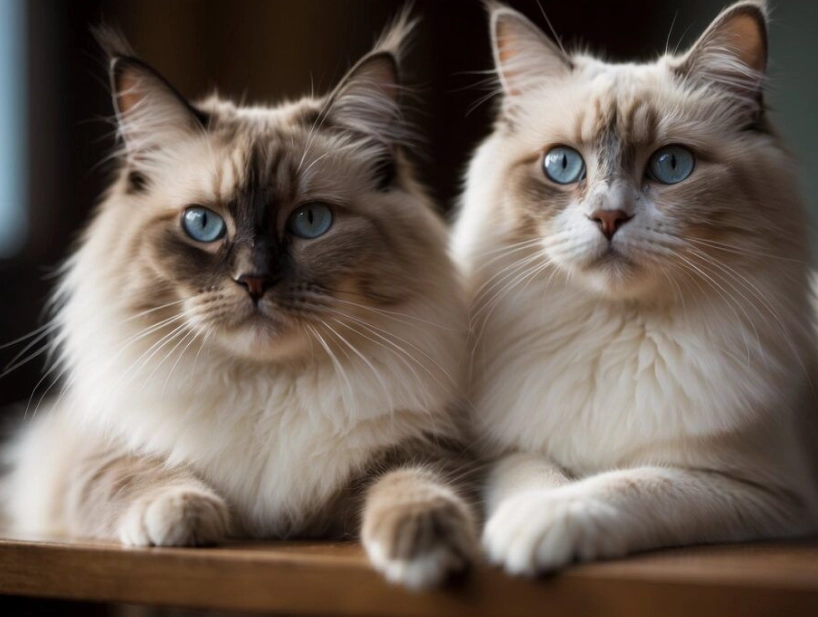
Your Questions, Answered
So, Birman or Ragdoll? Look past the stunning blue eyes and fluffy coat. Ask yourself what kind of companionship you're really seeking. The quiet, constant shadow or the gentle, heavyweight cuddler? Both will fill your home with love, but in their own uniquely wonderful way. Do your homework, meet breeders, and let the right personality choose you as much as you choose it.