You see a sleek, grey cat with mesmerizing green eyes. Is it a purebred Russian Blue? Probably not. More likely, it's a Russian Blue mix, one of the most charming and misunderstood cats you can bring into your home. I've lived with cats for over twenty years, and my Russian Blue mix, Smokey, taught me more about feline subtlety than any purebred ever could. These aren't just "diluted" versions of the pedigree. They're unique individuals with a blend of traits that can make them perfect companions—if you know what you're getting into.
What's Inside?
What Exactly Is a Russian Blue Mix Cat?
Let's cut through the noise. A Russian Blue mix is a cat with one Russian Blue parent and one parent of a different, often unknown, breed or no specific breed at all (a domestic shorthair). This is crucial. It means predicting their traits is part genetics, part lottery. You might get the plush double coat and the quiet voice, but the other parent contributes heavily. That other half could be a vocal Siamese, a laid-back Ragdoll, or a street-smart tabby. The mix creates a one-of-a-kind cat.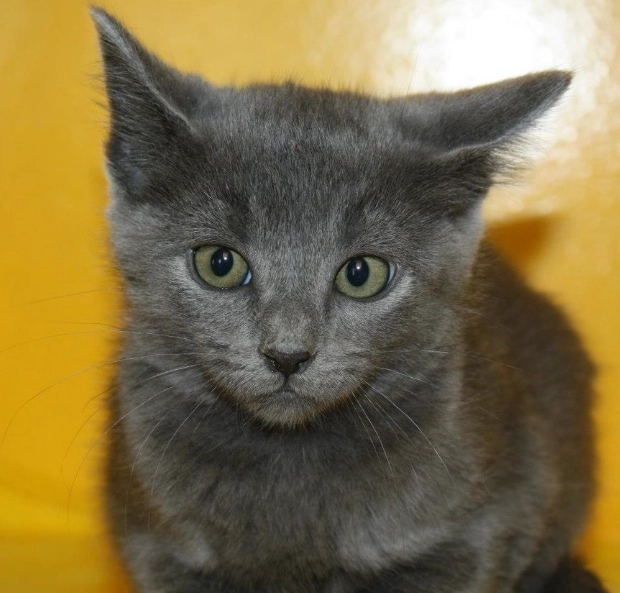
Many people end up with a "Russian Blue mix" by accident. Shelters and rescues often label elegant grey cats as such to help them get adopted. Sometimes they're right; sometimes it's just a good guess. Unless you have papers from a breeder documenting a deliberate outcross, assume you have a wonderful mystery cat with some Russian Blue-like qualities.
The Look: Endless Variations on a Grey Theme
Forget the breed standard. A Russian Blue mix can look wildly different. The classic sign is the dense, plush, blue-grey coat. But it might not be solid. You might see faint tabby stripes ("ghost striping"), especially in kittens, or small white patches on the chest or paws. The eyes are usually green, but the shade can range from pale yellow-green to deep emerald, and they might not turn fully green until the cat is 1-2 years old.
The body type is often a give-away. They tend to be muscular and elegant, not bulky. They have a light, almost tip-toe walk. But if the other parent was a stocky British Shorthair, your mix might be more cobby. It's this variation that makes them so interesting.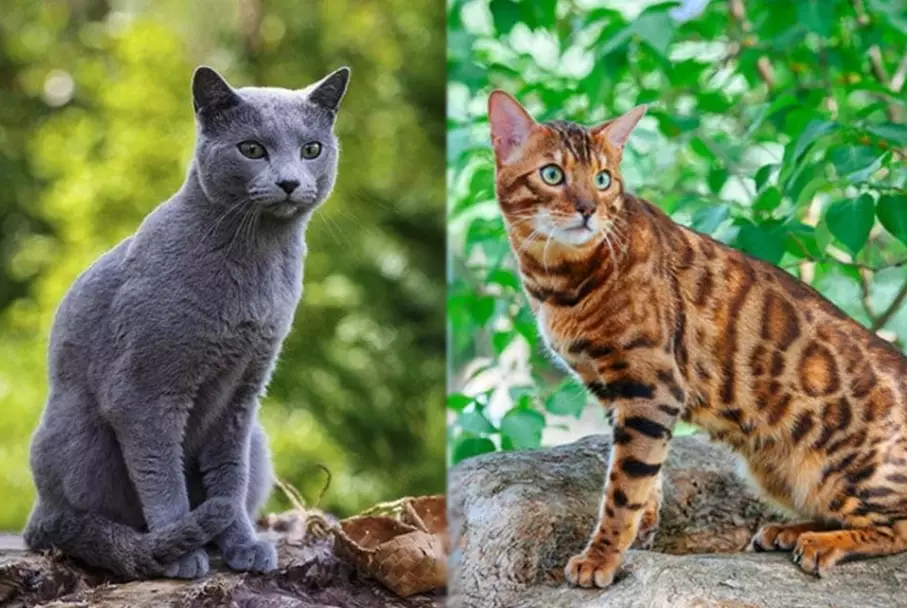
| Feature | Purebred Russian Blue | Typical Russian Blue Mix Range |
|---|---|---|
| Coat Color | Uniform blue-grey with silver tipping | Blue-grey, often with ghost tabby markings or small white spots |
| Coat Texture | Very dense, plush double coat | Often softer and denser than average, but can vary |
| Eye Color | Vivid green | Green, yellow-green, hazel; may change with age |
| Build | Fine-boned, muscular, graceful | Can be slender to moderately sturdy |
| Paw Pads | Lavender or mauve | Often mauve, but can be pink or mixed |
Personality: Debunking the "Shy Alien" Myth
Every article says Russian Blues are shy with strangers. With mixes, this is where the biggest misconception lies. Yes, many inherit a cautious, observant nature. They might hide when the doorbell rings. But calling them universally shy does a disservice. What they often are is selectively social and deeply bonded to their person or family.
My Smokey ignores guests completely for the first hour. Then, he'll casually stroll into the room, assess the safest person (usually the one trying least to engage him), and park himself nearby. He's not seeking pets; he's just including himself. With me, he's a shadow—chatty with little chirps, following me from room to room, and demanding lap time on his schedule. This loyalty is the hallmark. They are not party cats, but they are profoundly connected companions.
How Their Intelligence Manifests (And Becomes a Problem)
They're smart. Not just "fetch a toy" smart, but "figure out how cabinet latches work" smart. This intelligence means they need mental stimulation. A bored Russian Blue mix will invent their own fun, which usually involves opening drawers, batting items off shelves, or learning to turn on faucets. Puzzle feeders are not a luxury; they are a necessity. I rotate three different food puzzles to keep Smokey's brain engaged. Without them, he'd be a nuisance.
Their play style is often gentle and strategic. They might not wrestle wildly but will stalk and pounce with precision. They also tend to have a soft, melodic voice and "talk" more with chirps and trills than loud meows, though a mix with a Siamese ancestor might disagree!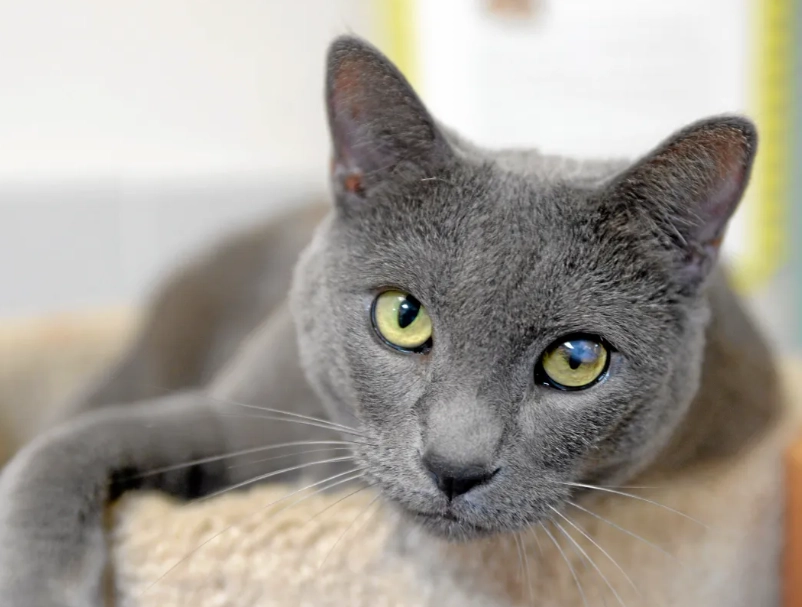
A Realistic Care & Health Guide
Caring for a mix is generally easier than for a purebred, thanks to hybrid vigor. But they have specific needs rooted in their Russian Blue heritage.
Grooming: It's Not Just About Brushing
That gorgeous dense coat sheds. A lot. Especially during seasonal changes. A weekly brush with a slicker brush or a fine-toothed comb is essential to remove loose undercoat and prevent matting. Here's the non-consensus tip: Bathing them is usually unnecessary and stressful. Their coat is naturally good at staying clean. Instead, use grooming wipes or a damp microfiber cloth for spot cleaning. Over-bathing strips their skin of essential oils.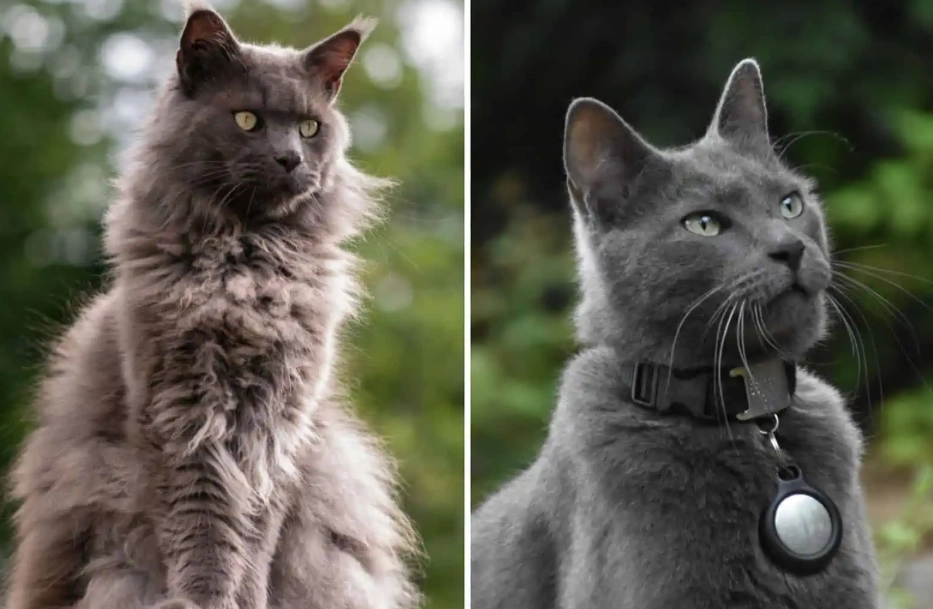
Diet and Nutrition: Fueling a Lean Hunter
They are prone to becoming lazy couch potatoes if you let them. A high-protein, meat-first diet is key to maintaining their lean muscle mass. Look for wet food or a quality dry kibble where the first three ingredients are named animal proteins (chicken, salmon, turkey). Avoid fillers like corn, wheat, and soy. I made the mistake of buying a popular grocery store brand early on, and Smokey's coat lost its luster within weeks. Switching to a better diet fixed it.
Common Health Considerations
Generally robust, but be aware of tendencies. Pure Russian Blues can be prone to certain genetic issues, and while mixes dilute the risk, it's not zero.
- Urinary Health: Some lines may have a predisposition to urinary crystals or cystitis. Ensure plenty of water intake—a cat water fountain can encourage drinking.
- Dental Health: Like many cats, they need dental care. Introduce tooth brushing early, or use dental treats and water additives approved by your vet.
- Obesity: This is the biggest health threat. They love food and can gain weight if portions aren't controlled. Measure meals, don't free-feed.
Regular vet check-ups are non-negotiable. A good vet will monitor their weight and overall condition.
How to Find and Adopt a Russian Blue Mix
You won't find them at reputable Russian Blue breeders. Ethical breeders do not sell "mix" kittens. Your best and most ethical sources are shelters, rescues, and sometimes foster networks.
Shelters & Municipal Pounds: Search Petfinder or Adopt-a-Pet.com. Use filters for "Domestic Shorthair" and color "Gray" or "Blue." Read the descriptions carefully. Volunteers often note if a cat has breed-like traits. Phrases like "soft grey coat," "green eyes," "shy but sweet," or "elegant" are clues.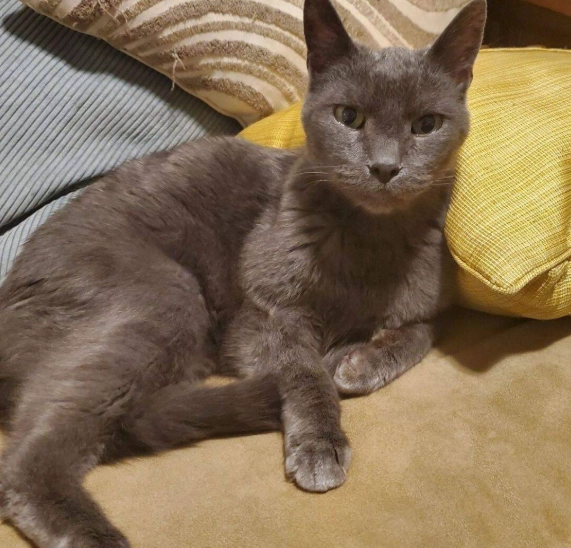
Breed-Specific Rescues: Some Russian Blue rescue organizations, like the breed rescue networks listed on the Cat Fanciers' Association (CFA) website, occasionally take in mixes or cats that appear to be mixes. It's worth inquiring.
What to Look For When You Meet Them: Don't just fall for the looks. Spend time in the visitation room. A healthy Russian Blue mix kitten or cat should be alert, curious (even if from a distance), with clear eyes and a clean coat. Watch how they interact with their littermates or other cats. Are they playful? Observant? A good rescue will be transparent about any known health or behavioral issues.
The adoption process typically involves an application, a possible home visit or virtual interview, and an adoption fee (usually $100-$250) which covers vaccinations, spay/neuter, and a microchip. Be patient. Finding the right match is worth the wait.
Your Questions, Answered
Russian Blue mix cats are often called hypoallergenic. Is that true?
No cat is truly hypoallergenic. Russian Blues and their mixes produce less of the Fel d 1 glycoprotein, a common allergen, in their saliva. Their dense coat may also trap dander. However, they still groom and shed. People with mild allergies might tolerate them better, but there's no guarantee. Always spend time with a cat before adopting if allergies are a concern.
My Russian Blue mix kitten has tabby stripes. Will they disappear?
Probably. Many Russian Blue mixes are born with faint tabby markings (ghost stripes). These often fade as the kitten matures, usually by the first year, leaving a more solid blue-grey coat. Sometimes a faint pattern remains on the tail or legs. It's a normal part of their development and adds to their unique charm.
Are they good with dogs and young children?
It depends heavily on the individual cat's socialization and the other parent's traits. Their cautious nature means introductions to dogs must be slow and controlled. With calm, respectful children who understand not to chase or grab, they can form beautiful bonds. With loud, unpredictable toddlers, they may become stressed and hide. Supervised, positive interactions from a young age are critical for success.
How can I tell if my grey cat is really a Russian Blue mix?
Without a DNA test (like Basepaws or Wisdom Panel), you can't know for sure. Look for a combination of traits: the plush double coat, green eyes, mauve paw pads, a graceful build, and a reserved-yet-affectionate personality. If your cat "checks most of the boxes," you likely have a mix or a cat that strongly resembles one. In the end, the label matters less than the wonderful companion you have.
My mix seems aloof and doesn't like to cuddle. Did I get a dud?
Absolutely not. This is a classic expectation mismatch. They show affection differently. They might follow you everywhere, sleep at the foot of your bed, or "guard" you from across the room. They often prefer proximity over prolonged physical contact. Forcing cuddles will push them away. Let them initiate contact on their terms. You'll find their loyalty manifests in quieter, more subtle ways that are just as meaningful.