An Oriental cat Black isn't just a cat; it's a statement. A living sculpture of sleek lines, enormous ears, and a coat so dark it seems to absorb light. But beneath that dramatic exterior lies a personality that's even more intense. If you're drawn to this breed, you need to know what you're signing up for. This isn't a low-maintenance pet. It's a highly intelligent, incredibly social, and profoundly vocal companion that demands engagement. This guide cuts through the generic breed descriptions to give you the real, detailed picture—from their quirky needs to the health specifics a black coat can mask.
What's Inside?
- What is an Oriental Cat Black?
- Oriental Black Cat Personality: More Than Just a Pretty Face
- Caring for Your Oriental Cat Black: A Practical Guide
- Health Considerations for Black Oriental Shorthair Cats
- Finding and Choosing an Oriental Kitten
- Living with an Oriental: The Realistic View
- Your Oriental Cat Black Questions Answered
What is an Oriental Cat Black?
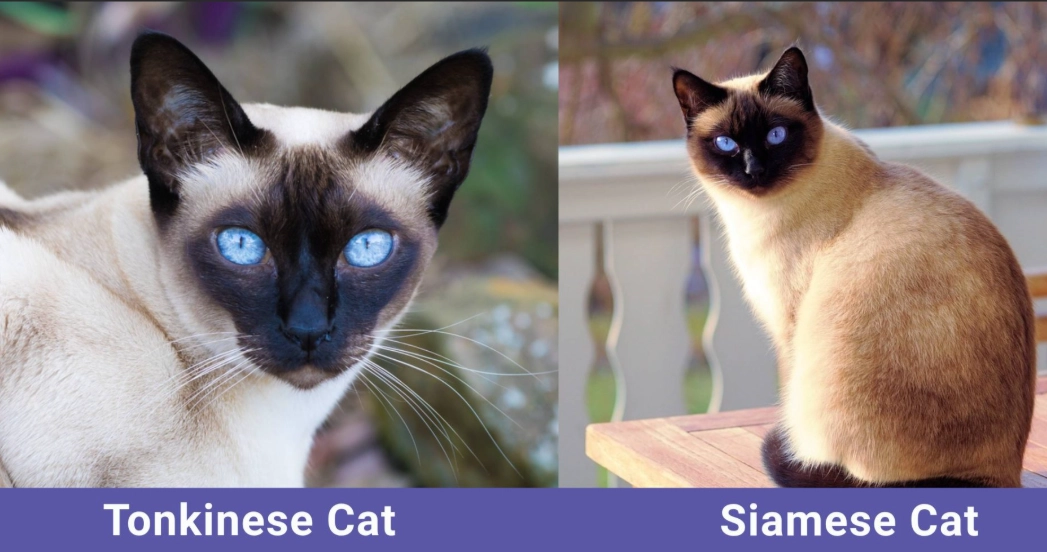
Think of the Oriental as the Siamese's close cousin, sharing the same ancestry but coming in a rainbow of solid colors and patterns. The Black Oriental Shorthair is one of the most striking variants. Breed standards, like those from the Cat Fanciers' Association (CFA), describe them as svelte, muscular, and elegant. The key is the contrast: jet-black, short, glossy fur lying tight against the body, making those angular lines and large, wide-set ears pop even more.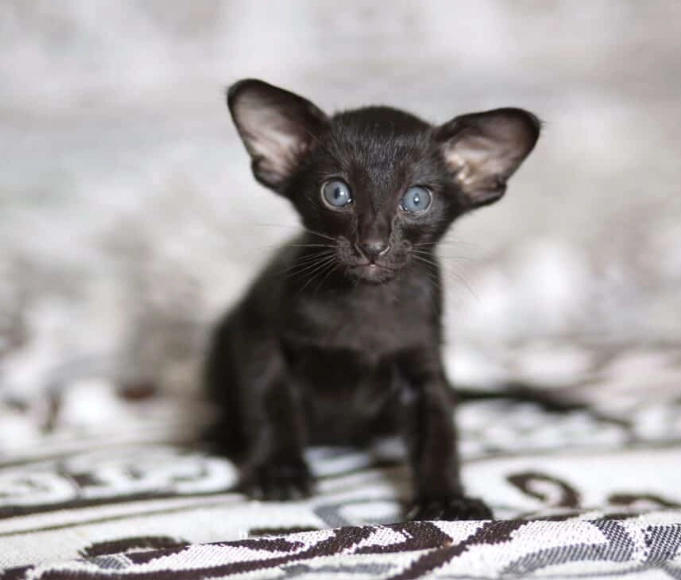
Here’s a quick snapshot of the breed essentials:
| Trait | Description |
|---|---|
| Breed Group | Natural (Siamese-derived) |
| Size | Medium |
| Weight | 5-10 pounds (females smaller) |
| Coat | Short, fine, glossy, lying close to the body |
| Color | Solid jet black from root to tip (no ghost patterns) |
| Eyes | Almond-shaped, vivid green (yellow/gold accepted in kittens/juveniles) |
| Life Span | 12-15+ years with excellent care |
A common misconception is that they're fragile. They're not. They're surprisingly sturdy and muscular for their slender appearance. The "black" specification is crucial for show quality—it should be a dense, coal black without any rusty tinge or white hairs. In pet-quality cats, you might see a faint ghost tabby pattern in sunlight, which is normal but not desirable for the show ring.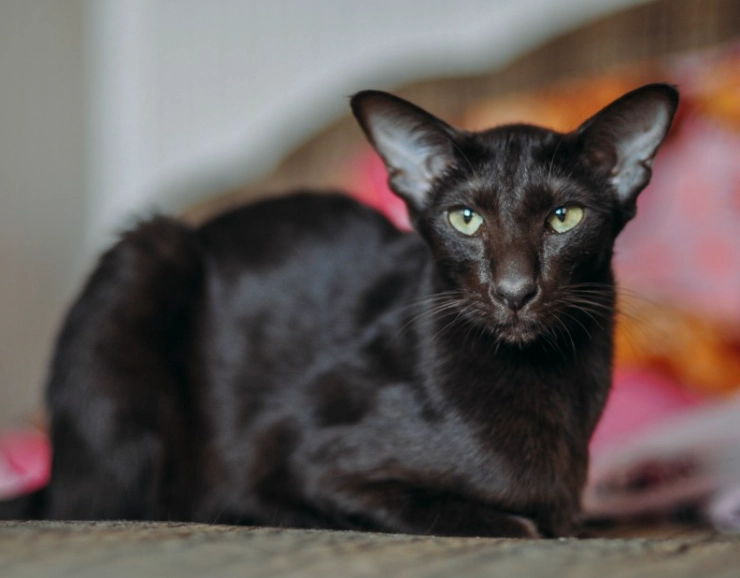
Oriental Black Cat Personality: More Than Just a Pretty Face
Forget aloofness. The Oriental personality is the polar opposite.
They are extroverts. I've had people tell me their Oriental follows them from room to room, "helping" with chores. They want to be in the middle of everything. Leaving one alone for long stretches is a recipe for a bored, destructive, and unhappy cat.
They are conversationalists. They don't just meow. They chirp, trill, and produce a range of loud, insistent opinions about dinner time, your work schedule, or the state of the world. If you crave quiet, look elsewhere. This is a breed that holds up its end of the conversation, whether you're ready or not.
They are intelligent and curious. This is a cat that learns to open doors, plays fetch, and figures out puzzle feeders in minutes. Their curiosity isn't casual; it's investigative. They will inspect every grocery bag, every new object, and every slightly ajar cabinet.
Here's the subtle error many new owners make: they get a single Oriental. These are profoundly social cats that often do best with a feline companion, preferably another active, playful breed. A solo Oriental in a quiet home can develop behavioral issues born from loneliness and under-stimulation.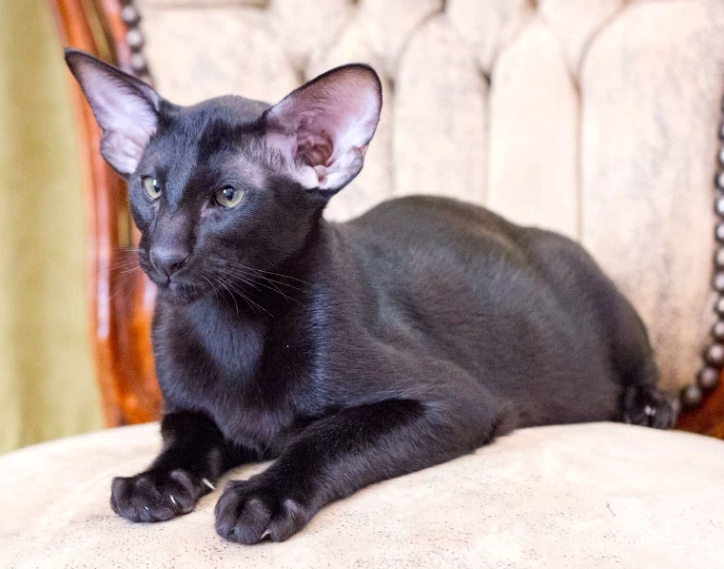
Caring for Your Oriental Cat Black: A Practical Guide
Care is straightforward but requires consistency. The black coat adds one specific, often overlooked requirement.
Diet and Nutrition
They have high metabolisms. Feed a high-quality, protein-rich diet appropriate for their life stage. Because they're active, they can be prone to becoming too thin if underfed. Consult your vet, but expect to feed an adult cat roughly 1/3 to 1/2 cup of high-quality dry food twice daily, adjusted for activity. Always have fresh water available. A water fountain can encourage drinking.
Grooming and Skin Care
The short coat is easy. A weekly rub-down with a silicone grooming mitt or soft brush removes loose hair and spreads skin oils for that signature shine.
The non-consensus point about black coats: Sun exposure. Black fur absorbs more UV rays. While all cats can get sunburned on sparsely furred areas (ears, nose), a black Oriental spending hours in a sunny window is at risk for solar dermatitis, which can lead to skin damage and even cancer. If your cat is a sun worshipper, consider applying a pet-safe sunscreen to their ear tips and nose, or use window film that blocks UV rays. It's a small step most guides don't mention.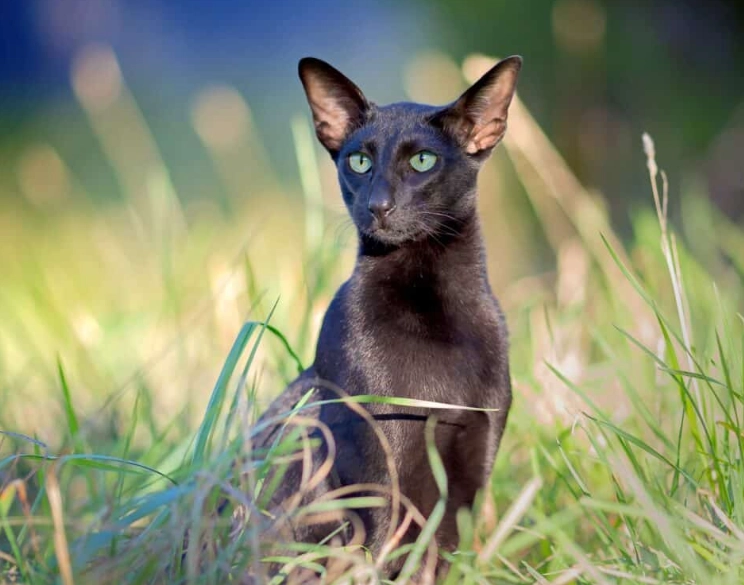
Environmental Enrichment
This is non-negotiable. A bored Oriental is a problem.
- Vertical Space: Tall, sturdy cat trees, wall shelves. They love to climb and survey their kingdom.
- Interactive Play: Two dedicated 15-minute play sessions daily with wand toys, laser pointers (with a physical "catch" at the end), or balls. Mimic prey movements.
- Puzzle Feeders: Use these for portions of their kibble to engage their brains.
- Companionship: Seriously consider getting two if you're away from home regularly.
- Brush coat with a soft mitt.
- Check and clean ears if needed.
- Trim nails.
- Engage in interactive play sessions (daily).
- Refresh water and clean food bowls.
- Rotate/clean toys to maintain novelty.
Health Considerations for Black Oriental Shorthair Cats
Generally healthy, but they share some genetic predispositions with their Siamese relatives. Reputable breeders screen for these.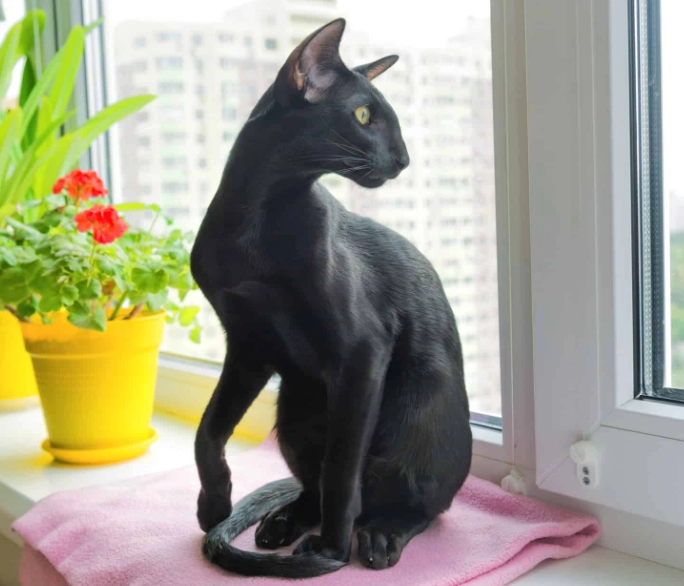
Common Issues:
- Dental Disease: Prone to gingivitis. Start tooth brushing early and schedule regular veterinary dental check-ups.
- Amyloidosis: A liver condition seen in some Oriental/Siamese lines. Ask your breeder about testing in their lineage.
- Progressive Retinal Atrophy (PRA): A genetic eye disease leading to blindness. Responsible breeders test for this.
- Respiratory Issues: Some lines may be more prone to upper respiratory infections or asthma.
Preventive Care: The cornerstone of health. This means annual vet check-ups, keeping vaccinations current, and maintaining a healthy weight. Because they are so lean, weight loss can be an early sign of illness that's easier to miss. A digital kitchen scale for monthly weigh-ins at home isn't overkill.
Finding and Choosing an Oriental Kitten
This is where you must be patient and discerning.
Avoid pet stores and online marketplaces. The risk of supporting unethical breeding or getting a sick kitten is too high.
Find a Reputable Breeder: Look for breeders registered with major associations like CFA or The International Cat Association (TICA). They should:
- Welcome visits to their home to see the kittens and mother cat.
- Ask you as many questions as you ask them.
- Provide health clearances for the parents (e.g., for PRA, heart issues).
- Keep kittens until at least 12-16 weeks old for proper socialization.
- Offer a written health guarantee and contract.
Price Range: Expect to pay between $800 and $2,500 for a pet-quality Oriental kitten from a reputable breeder. Show-quality cats are more. The price reflects the health testing, quality care, and socialization invested.
When you visit, observe. The kittens should be curious, alert, and handled regularly. The environment should be clean. A good breeder is a lifelong resource for advice.
Living with an Oriental: The Realistic View
I've lived with Orientals for over a decade. The first week, I questioned my sanity due to the constant chatter. Now, I can't imagine a quiet house.
They redefine "shadow." You will trip over them. They sleep under the covers, head on the pillow. They will yell at you if you're late with dinner by even five minutes. Their intelligence is both a joy and a challenge—you must cat-proof your home like you would for a toddler.
But the reward is a connection that feels almost dog-like in its devotion. They greet you at the door. They learn tricks. They are endlessly entertaining. The sleek black cat draped over your shoulder isn't just a pet; it's a personality you live with, a member of the family with a very loud voice and an even bigger heart.
It's not for everyone. But if you want a cat that's truly a partner in crime, the Oriental Black might just be your perfect match.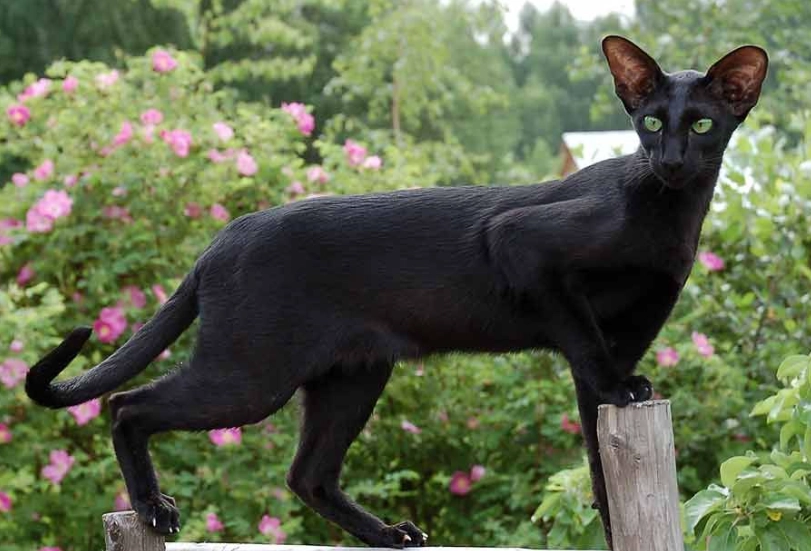
Your Oriental Cat Black Questions Answered
My Oriental cat yells all night. What can I do?
Are black Oriental cats more prone to overheating?
How do I find a specific black Oriental kitten? Breeders seem to have mostly lynx points or other colors.
Can Oriental cats be left alone during a 9-5 workday?
Is the grooming really that minimal? My black cat's fur shows every speck of dust.