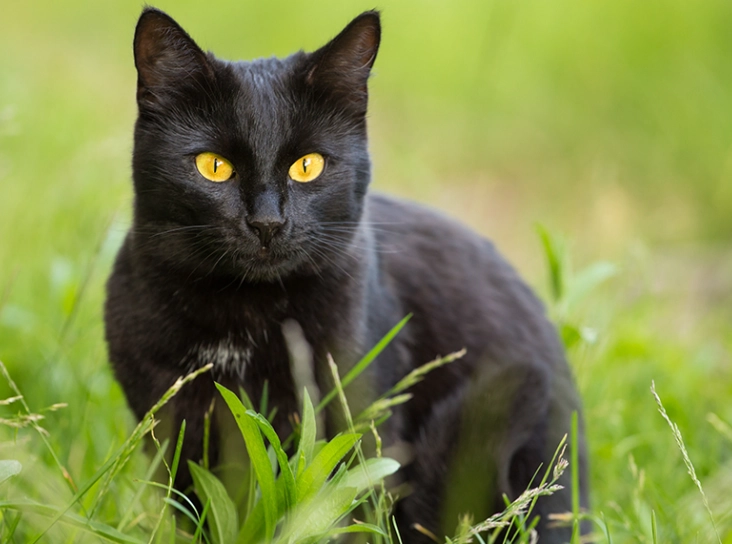
You see a cat that looks like it walked straight out of a jungle. Glossy, jet-black fur. Copper or gold eyes that seem to see right through you. A muscular, compact body that moves with liquid grace. That's a Bombay cat. But here's the thing everyone gets wrong: their specialness isn't just skin deep. It's not about looking like a tiny black panther (though that's a huge part of the appeal). What makes them truly exceptional is the personality packed inside that sleek exterior. They're a designer breed with a very specific purpose, and if you're looking for a cat that acts more like a shadow, a comedian, and a loyal dog all rolled into one, you're asking the right question.
What's Inside: Your Quick Guide to the Bombay
Not from India: The Surprising Origin Story
First, let's clear up a major misconception. The Bombay cat is not from Bombay (now Mumbai). Not even close. This breed is a purely American creation, the brainchild of a breeder named Nikki Horner in Louisville, Kentucky, during the 1950s and 60s.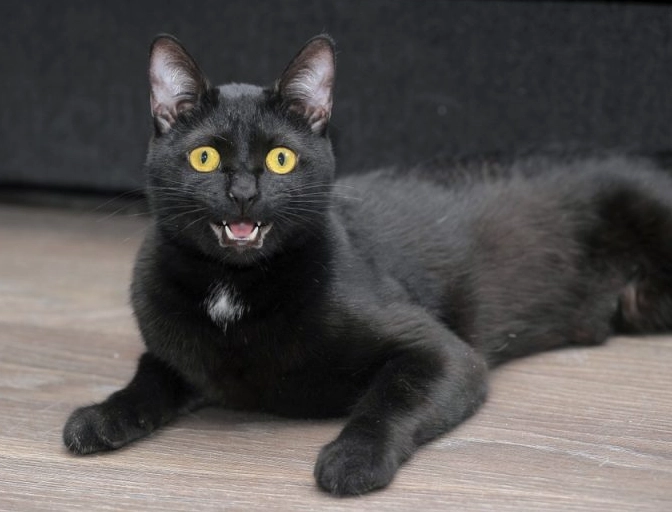
Horner had a very clear vision. She wanted to create a domestic cat that resembled the Indian black leopard. Not just a black cat, but a specific type of black cat. She meticulously crossed a sable Burmese (known for its stocky build, round head, and outgoing personality) with a black American Shorthair (which contributed the deep, patent-leather black coat). It took several generations of selective breeding to lock in the traits she was after.
The Cat Fanciers' Association (CFA) granted the Bombay championship status in 1976. This origin story is crucial to understanding why they're special. They weren't an accident. They were engineered for a specific look and temperament. Every Bombay cat today is a living testament to that successful, focused breeding program. It's a breed built on intention.
The Personality Core: Why They're Called "Velcro Cats"
This is where the magic happens. If you think you know cats, a Bombay will redefine your expectations. Their personality is a potent, sometimes overwhelming, blend of their parent breeds.
Think of it this way: They have the social, people-oriented drive of a Burmese, but without the constant, loud vocalization. They have the adaptable, easy-going nature of an American Shorthair, but turned up to eleven on the affection scale.
They are famously, almost notoriously, attached to their people. The term "Velcro cat" was invented for breeds like this. You will not have a Bombay and also have personal space. They want to be on your lap, on your keyboard, on your shoulder, following you to the bathroom. For some, this is a dream. For others, it's a shock.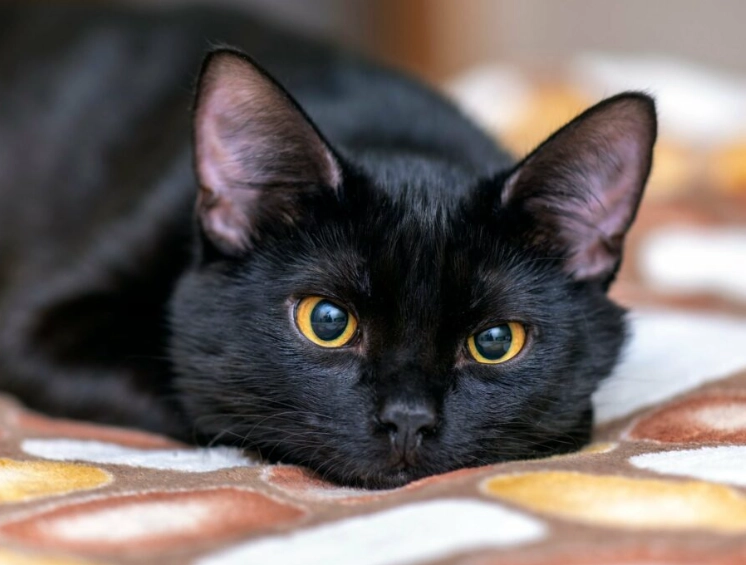
I remember cat-sitting for a friend's Bombay, Leo. I'd be working at the desk, and within minutes, a heavy, warm weight would settle on my feet under the desk. Not just sitting nearby—physically touching. If I got up for water, a little black shadow would detach itself and pad silently behind me. It was less like caring for a pet and more like being accompanied by a very quiet, very persistent little familiar.
They are also unusually playful well into adulthood. Don't expect them to become couch potatoes at age three. They retain a kitten-like curiosity and energy, often excelling at fetch, learning tricks, and figuring out puzzle toys. This intelligence means they get bored easily. A bored Bombay is a Bombay getting into things.
Social Butterflies, Not Wallflowers
They typically do very well in multi-pet households and with children, precisely because they crave interaction. They often become the peacemaker or the playful instigator. Their dog-like tendency extends to greeting visitors at the door. Don't be surprised if your Bombay is the first to investigate your guests, rather than hiding under the bed.
This intense social need is their double-edged sword. It's what makes them incredible companions, but it also means they are prone to separation anxiety. Leaving a Bombay alone for long, regular periods is a recipe for a stressed, destructive, and unhappy cat. They are ideal for people who work from home, retirees, or families where someone is usually around.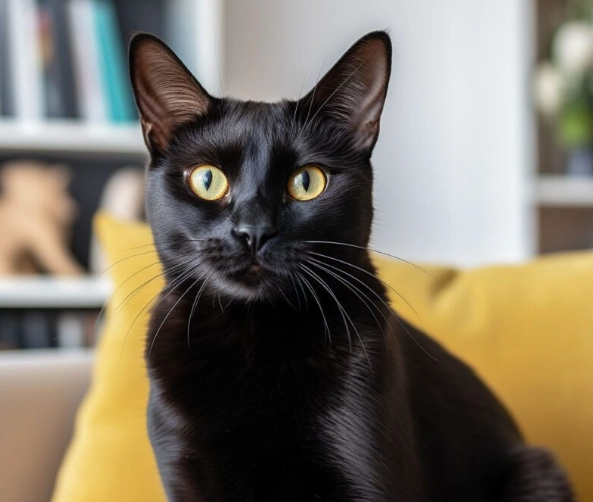
Achieving the Panther Look: More Than Just Black Fur
The breed standard is unforgivingly specific. It's not enough to be a black cat. To be a show-quality Bombay is to be the epitome of a "miniature panther."
- Coat: The coat must be short, satin-like, and lie close to the body. The color is described as "patent leather black" from roots to tip. Any hint of rustiness, smoke, or white lockets is a fault. The shine is paramount—it should gleam.
- Eyes: The eyes are round, set wide, and must range from gold to deep, brilliant copper. No green allowed. The eye color develops slowly; kittens are born with blue eyes that change to gray and then finally to their adult copper.
- Build: They are medium-sized but feel surprisingly heavy for their size—"brick wrapped in silk" is a common quip. They are muscular and compact, with a rounded head and a sweet, expressive face that belies their wild appearance.
This consistent, dramatic look is a huge part of their appeal. In a world of varied tabbies and calicos, the Bombay offers pure, unadulterated feline elegance. It's a look that turns heads and sparks conversations. But remember, that stunning coat requires a stable, healthy cat. Dull fur or poor muscle tone is often the first sign of a diet or health issue.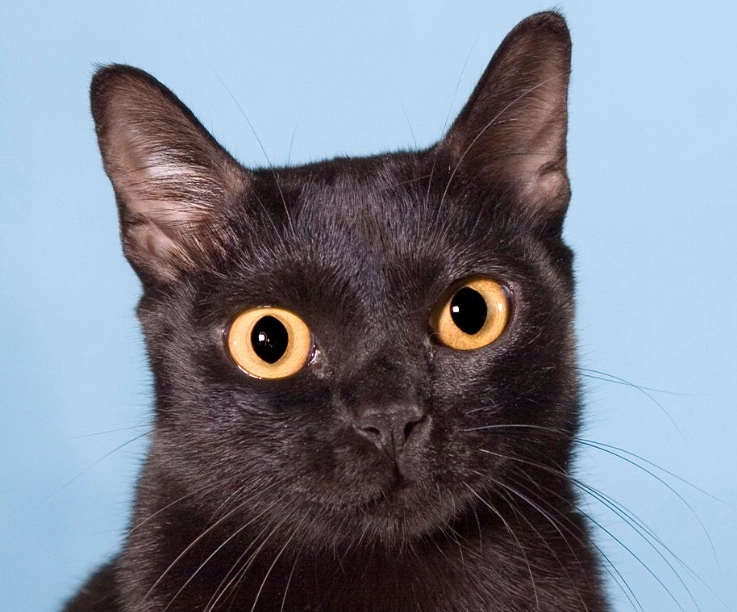
Caring for Your Miniature Panther: A Practical Guide
Owning a Bombay isn't particularly harder than owning any other cat, but their specific traits demand a tailored approach.
Diet and Exercise: Fueling the Engine
These are active, muscular cats. They need high-quality, protein-rich food to maintain their energy and that signature sleek physique. Think of them as athletes. A diet heavy in fillers like corn or wheat will leave them sluggish and may dull their coat.
Exercise is non-negotiable. Two 15-minute interactive play sessions a day are a minimum. Laser pointers (with a tangible treat at the end to avoid frustration), wand toys, and fetch are all winners. A cat tree near a window provides mental stimulation. Without this outlet, their energy will find less desirable channels—like scaling your curtains at 3 AM.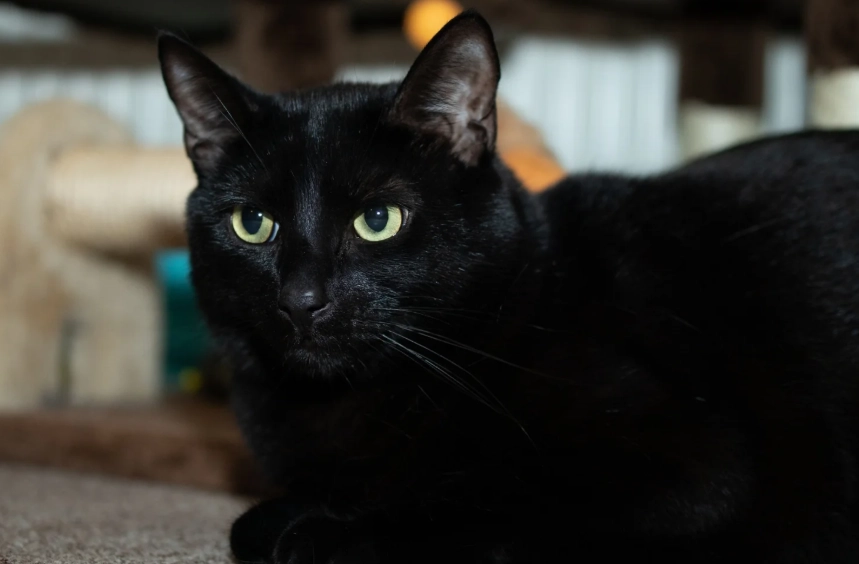
Grooming: Easier Than You Think
Here's a bonus: their short coat is low-maintenance. A weekly rub-down with a soft grooming mitt or a fine-toothed comb is enough to remove loose hair and distribute skin oils, keeping that patent leather shine. They shed, but it's less noticeable than with long-haired cats because the hairs are short and fine.
Health Considerations: What to Watch For
Generally robust, but due to their Burmese ancestry, they can be predisposed to certain conditions:
- Hypertrophic Cardiomyopathy (HCM): A form of heart disease. Reputable breeders screen their breeding cats for this.
- Craniofacial Defect: A severe, sometimes fatal skull deformity that can occur if two cats with the Burmese "head fault" gene are bred. This is why you must use an ethical breeder who understands genetics.
- Obesity: Their love of food and tendency to be less active if bored can lead to weight gain. Portion control is key.
The biggest health tip? Get pet insurance early, while they're young and healthy. It's the single best way to manage the unexpected.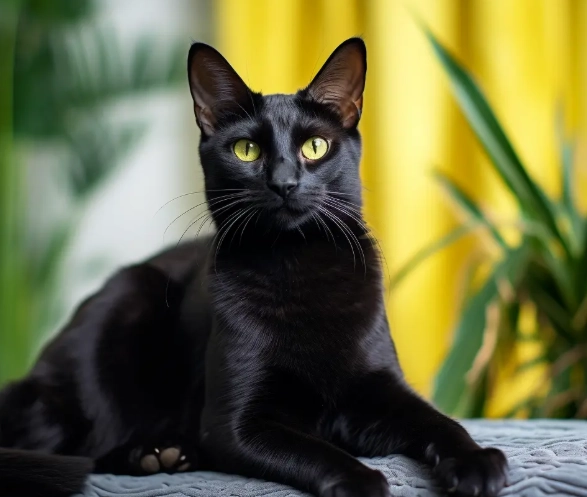
Is a Bombay Cat Right for You? The Honest Checklist
Let's be blunt. A Bombay is not a low-engagement pet. Run through this list before you fall for the eyes.
You'll likely thrive with a Bombay if you:
- Want a constant, affectionate companion.
- Are home a lot or have a household that's rarely empty.
- Enjoy interactive play and don't mind a cat involved in your daily activities.
- Appreciate a dramatic, elegant appearance.
- Have other pets or children for them to socialize with.
You should probably reconsider if you:
- Value your personal space and prefer an independent cat.
- Work long hours outside the home regularly.
- Want a quiet, placid "decoration" of a cat.
- Are unprepared for potential vet bills (like any purebred).
- Get frustrated by persistent attention-seeking.
If you're still nodding along, the next step is critical: finding an ethical breeder. Avoid pet stores and backyard breeders. Look for breeders registered with CFA or TICA who perform health screenings, raise kittens in their home, and ask you as many questions as you ask them. Expect to be on a waitlist and pay a premium—this reflects the care taken.