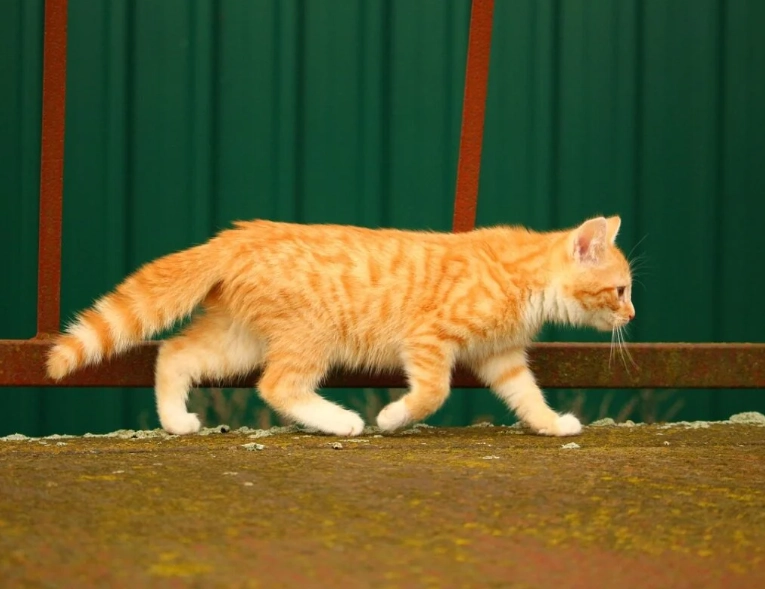
When you picture an Abyssinian cat, the classic "ruddy" coat—a warm, burnt sienna ticked with black—likely comes to mind. But what about a white Abyssinian? Or a cool, silvery grey one? These variations exist, and they spark immense curiosity and sometimes confusion among cat enthusiasts. I've lived with Aby cats for over a decade, and the questions I get most often aren't about their famed personalities, but about these elusive coat colors. "Are they real?" "Are they healthy?" "Where can I find one?" This guide cuts through the myths and provides a clear, expert-backed look at white and grey Abyssinians, covering everything from genetics to the daily reality of living with one.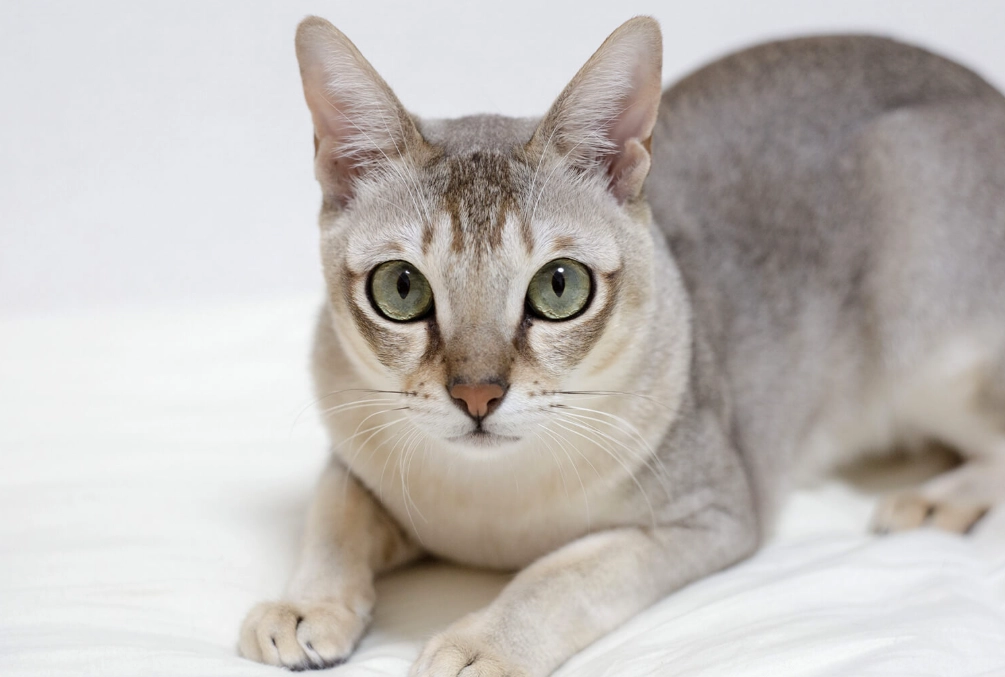
What You'll Discover in This Guide
Understanding White & Grey Abyssinian Coat Colors
Let's get the terminology straight first. In the cat fancy, "white" and "grey" aren't always what they seem. The Cat Fanciers' Association (CFA) recognizes several Abyssinian colors, but pure, solid white is not one of them. When people refer to a "white Aby," they're usually talking about one of two things:
The "Silver" Abyssinian
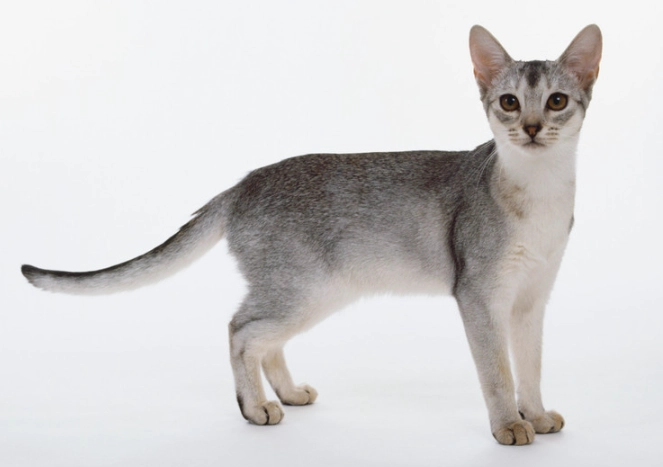
This is the most common "light" variant. It's not white, but a stunning cool-toned coat. The undercoat is a pure, pale silver to white, and the ticking (the bands of color on each hair) can be black (creating a Black Silver), blue (Blue Silver), or fawn (Fawn Silver). The effect is a glittering, ethereal cat that looks like moonlight on frost. The TICA (The International Cat Association) breed standard describes the ideal undercoat as "pure white." So, from a distance, a Silver Aby can indeed appear white with dark markings.
Then there's the true anomaly: a solid white Abyssinian. This would result from the dominant white gene or the white spotting gene at its maximum expression, completely masking the underlying tabby pattern. Such cats are exceedingly rare in purebred Abyssinian lines because responsible breeders typically avoid introducing this gene, as it's not part of the breed's traditional standard and can be linked to deafness, especially in blue-eyed white cats. If you see one, it's more likely a random-bred cat with some Aby-like features, or from a breeder whose practices you should scrutinize heavily.
As for "grey," in Abyssinians, this is officially called Blue. It's a dilution of the ruddy color. The base is a warm beige or cream, ticked with various shades of slate blue, giving an overall impression of a soft, muted grey-blue coat. It's a recognized and beautiful color in all major associations.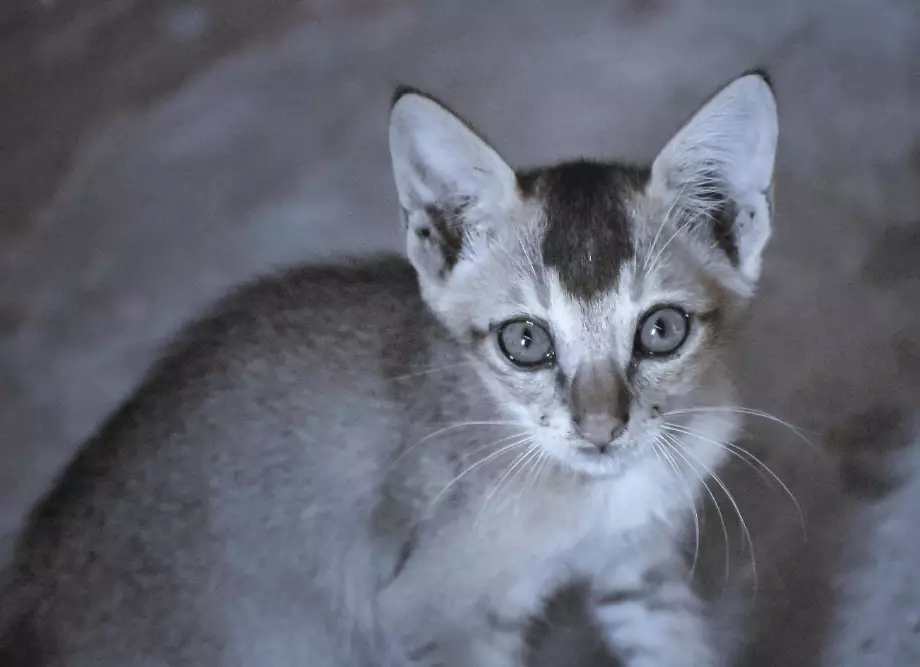
How Coat Color Genetics Work in Abyssinians
Abyssinians have a special form of tabby pattern called "ticked." Unlike a classic tabby with stripes, each hair has alternating light and dark bands. The color you see depends on which genes are acting on this pattern. The Silver series gene inhibits the production of yellow pigment (pheomelanin), leaving only the black pigment (eumelanin) and a pale base. The Dilute gene (recessive) softens black to blue and cinnamon to fawn. A white cat requires entirely different genetic machinery that overrides everything else.
Here’s a simple breakdown of what creates the light-colored looks:
Silver Gene + Ticked Pattern + Color Gene = Silver Abyssinian (Appears white-grey).
Dilute Gene + Ruddy Gene = Blue Abyssinian (Appears soft grey).
Dominant White Gene = Solid White Cat (Rare and non-standard).
Personality & Care: Beyond the Coat Color
Here's the most important thing any experienced owner will tell you: coat color has zero impact on personality. A silver Aby is just as much a whirlwind of energy, curiosity, and affection as a ruddy one. They're all clever, athletic, and deeply interactive. They're not couch potatoes. They're the cats that will help you "work" by batting your pen off the desk, learn to open cabinets, and demand a role in every household activity.
Care needs are also identical across colors, with one subtle, practical exception related to grooming.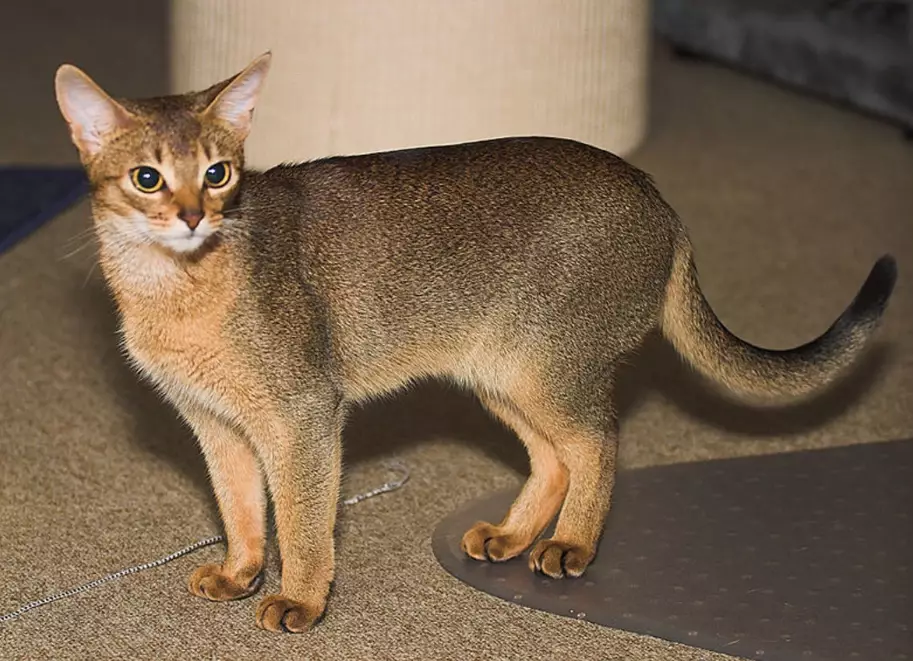
Grooming Your Light-Colored Aby
Their short, dense coat is famously low-maintenance. A weekly rub-down with a grooming mitt is usually enough. However, I've noticed my blue Aby shows loose hairs and dander slightly more on dark furniture than my ruddy did. It's a minor thing, but if you wear a lot of black clothing or have a dark sofa, be prepared for a bit more visible shedding. It doesn't mean they shed more—the hair is just more conspicuous.
A bath once every few months can help if they get greasy, which some Abys do. Use a gentle, cat-specific shampoo. For silvers, a brightening shampoo is unnecessary and can dry their skin; their brilliance comes from genetics, not product.
Specific Health Considerations for Light-Colored Abys
Abyssinians, as a breed, have a few known genetic predispositions. Reputable breeders test for these, and the color of the cat doesn't change its risk profile for the core breed issues like Pyruvate Kinase Deficiency (PKD) (a form of anemia) or Progressive Retinal Atrophy (PRA). Always ask a breeder for proof of genetic testing for these conditions, regardless of coat color.
However, there is one health consideration that is directly tied to color genetics:
The Deafness Link in White Cats
If you are ever offered a truly solid white Abyssinian (with little to no ticking visible), you must inquire about hearing. The dominant white gene (W) is associated with congenital sensorineural deafness, particularly in cats with blue eyes. Not all white cats are deaf, but the incidence is significantly higher. A responsible breeder of any breed producing white cats should have their kittens BAER-tested (Brainstem Auditory Evoked Response) to check hearing. This is a major red flag if ignored.
For Silver and Blue Abys, there are no extra health concerns tied to their color. Their main issues are the same as any Aby: a tendency towards gingivitis early in life, so dental care is non-negotiable, and a higher-than-average risk for renal amyloidosis later in life. A high-quality diet, plenty of water intake (consider a fountain), and regular vet check-ups are your best defenses.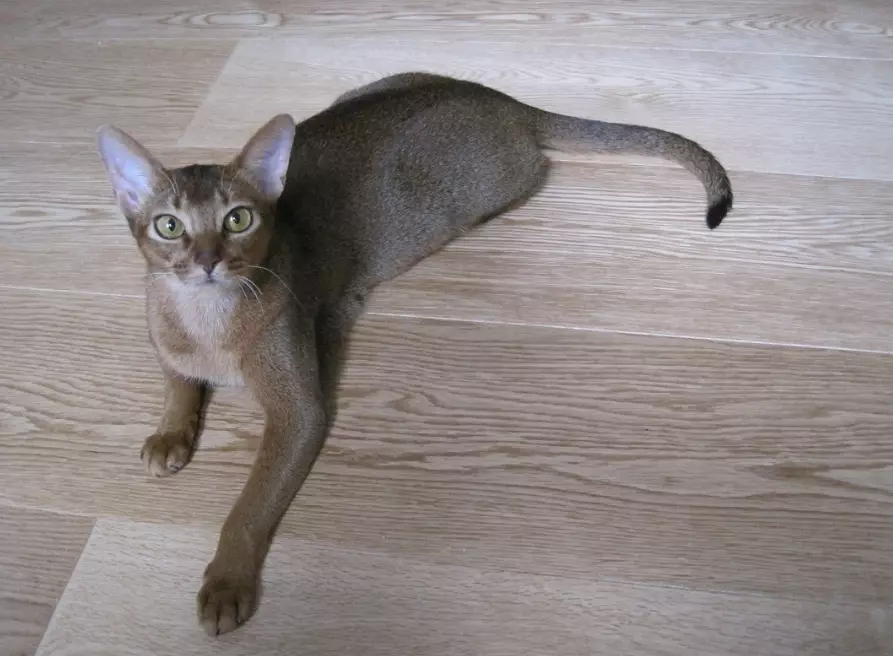
The Realities of Finding a White or Grey Abyssinian
You won't find a Silver or Blue Abyssinian at a shelter. It's possible, but astronomically rare. These are purebred cats from dedicated breeders.
Finding a Reputable Breeder: Start with the breed clubs. The Abyssinian Cat Club of America or the CFA and TICA websites have breeder directories. Email them. Don't lead with "I want a silver." Lead with "I'm interested in the Abyssinian breed and would like to learn about your breeding program." Ethical breeders breed for health and temperament first, color second. They may have silvers or blues in their lines, but they might not have kittens available in that color every cycle. Be prepared to wait, sometimes over a year.
Cost: Silver and Blue Abyssinians are often in higher demand due to their striking looks. You can expect to pay a premium, sometimes $200-$500 more than for a ruddy kitten from the same breeder. Prices typically range from $1,500 to $3,000+.
Red Flags: A breeder who has multiple litters of "rare white Abyssinians" available immediately. A breeder who doesn't ask you any questions. A breeder who cannot provide genetic test results for the parents. A breeder who sells kittens before 12-16 weeks of age.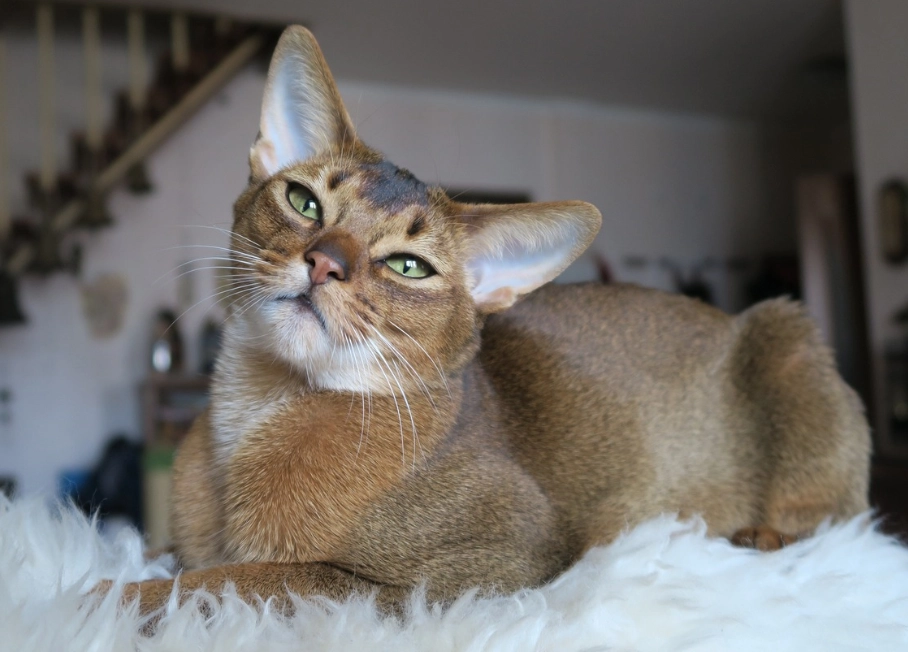
Your Top Questions, Answered
 How do I keep my Silver Abyssinian's coat looking bright and not yellow?