You’ve fallen for those stunning blue eyes and silky fur. The gentle, affectionate personality of the Birman cat seems perfect. But there’s that nagging question, the one that stops many potential cat lovers in their tracks: are Birman cats hypoallergenic? If you or someone in your household gets sneezy, itchy, or congested around cats, this isn't just a casual query—it's the deciding factor.
Let's get straight to the point you came for. No, Birman cats are not considered a fully hypoallergenic breed. The term "hypoallergenic" itself is a bit of a misnomer when it comes to cats; it suggests no allergies, which is almost never the case. However—and this is a big however—Birmans possess several traits that *may* make them more tolerable for some people with mild to moderate allergies compared to other breeds. Your experience will depend entirely on your individual sensitivity and how you manage your environment.
I’ve lived with cats for over a decade and helped friends navigate pet allergies. The biggest mistake I see is people relying on breed labels alone. It’s far more complicated, and understanding the "why" behind the reactions is your first step to a possible life with a Birman.
What’s Inside?
The Short Answer: Are Birmans Hypoallergenic?
The internet is full of conflicting lists. Some place Birmans on "hypoallergenic" lists, others don't. This confusion happens because people focus on shedding alone.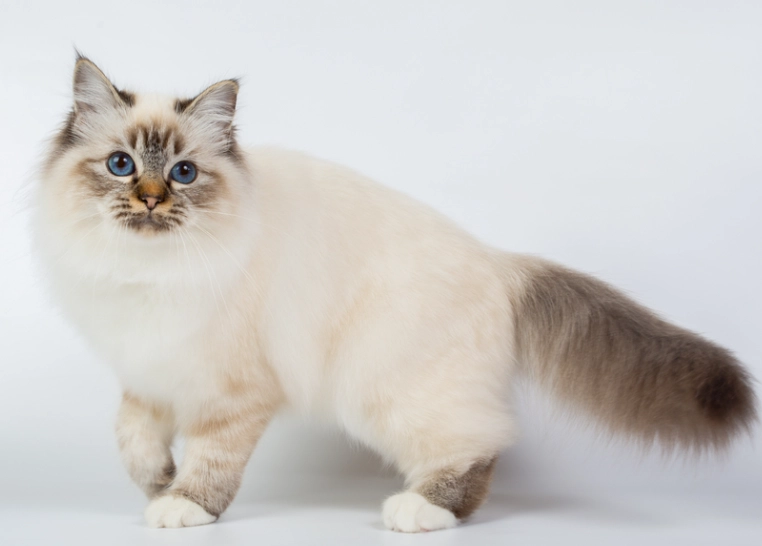
Here’s the reality check: All cats produce the Fel d 1 protein, the primary allergen responsible for 95% of cat allergies in humans, according to research from institutions like the Journal of Allergy and Clinical Immunology. This protein is in their saliva, skin oils (sebaceous glands), and, to a lesser extent, their urine. When a cat grooms itself, the saliva—and thus Fel d 1—dries on its fur and becomes airborne dander.
So, the core issue isn't just hair; it's the protein on the hair and skin cells. Since all Birmans produce Fel d 1, they cannot be allergen-free. However, factors like the amount of protein produced, grooming habits, and coat type influence how much allergen is released into your home.
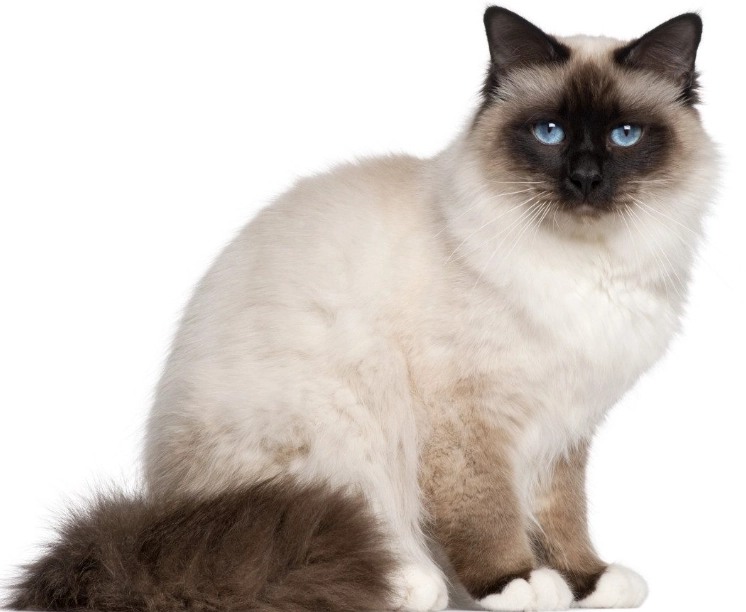
Birmans are often mentioned alongside more tolerable breeds because of their single-layer, silky coat. They lack a dense undercoat, which means less loose fur and potentially less dander being sloughed off into the environment. But let’s not oversell it. I’ve met people who react terribly to "low-shedding" cats and are fine with heavy shedders. Individual biology is king.
What Makes a Cat Hypoallergenic Anyway?
We need to clear up the vocabulary. When vets or breeders say "hypoallergenic cat," they usually mean a cat that is less likely to provoke an allergic reaction, not one that guarantees safety. It's about reduced risk, not elimination.
Several factors contribute to this "lower likelihood":
- Coat Type: Cats with a single coat (like the Birman) or very fine, tight curls (like the Cornish Rex) may trap dander closer to the skin or shed less of it into the air.
- Grooming Habits: Cats that groom less frequently spread less saliva-coated dander. This is a tricky one, as Birmans are typically fastidious groomers.
- Fel d 1 Production Levels: Some individual cats, regardless of breed, simply produce less of the protein. Some breeds, like the Siberian, are anecdotally and in some preliminary studies said to have a lower average output, but it varies widely cat-by-cat.
- Gender and Neutering: Intact male cats generally produce the highest levels of Fel d 1. Neutered males and females produce less.
Key Takeaway: Don't shop for a breed label. You're shopping for an individual cat with a specific set of allergen-producing characteristics. The Birman's profile—single coat, often moderate grooming—puts it in a "potentially better" category, but it's not a magic bullet.
The Birman Coat: A Double-Edged Sword for Allergies
Let’s get specific about the Birman’s famous fur. It’s long, silky, and feels like rabbit fur. The lack of a woolly undercoat is the main point in its favor. Without that dense second layer, there’s less fur to mat, less fur to shed in huge clumps, and theoretically, less substrate for dander to hitch a ride on.
But here’s the nuance most articles miss: that beautiful, long, single coat requires maintenance. If you don’t brush a Birman regularly, the loose hair and dander that *are* shed don’t just fall to the floor. They get trapped in the long fur, creating a moving allergen reservoir. When the cat jumps on your lap or the sofa, it’s releasing a concentrated cloud.
I learned this the hard way with a friend’s Birman. She brushed him once a week and wondered why her husband was still sneezing. When they switched to a quick daily brushing ritual (outside or in a well-ventilated area), his symptoms improved noticeably. The brush captures the allergens before they disperse.
Compare this to a short-haired domestic shorthair that sheds a lot. The fur and dander are everywhere, constantly, which is terrible. But a well-groomed Birman’s allergens might be more contained and manageable through proactive cleaning.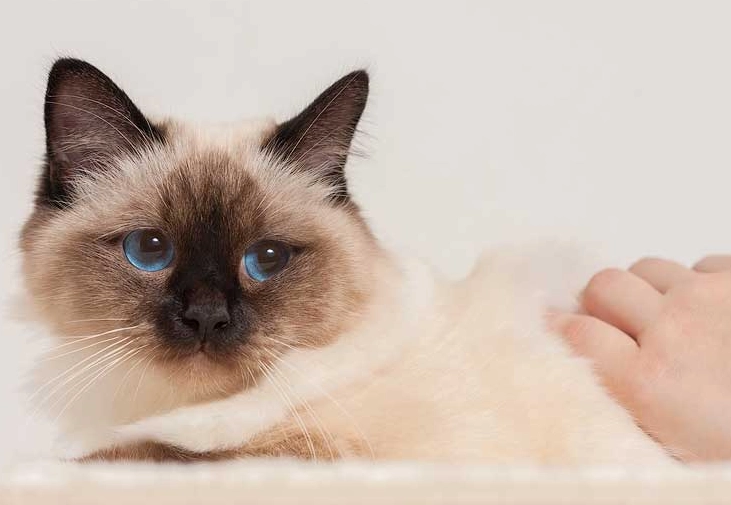
Why Grooming Matters More Than You Think
Brushing isn’t just about keeping your cat mat-free. It’s the most direct form of allergen removal you can perform on the source. Think of it as preventative medicine for your sinuses.
Aim for 4-5 times a week. Use a fine-toothed comb or a slicker brush to get down to the skin. Do this in a room you can easily clean (like a bathroom) or outside. Immediately seal the hair in a bag and dispose of it. Wipe down the cat with a damp cloth or pet-specific allergen-reducing wipes after brushing. This captures residual dander and saliva on the surface of the fur.
Bathing is the gold standard for reducing allergens, lowering Fel d 1 levels on the coat for up to a week. Most cats hate it, but Birmans, with their placid temperament, often tolerate it better than most. If you can manage a monthly bath with a gentle, oatmeal-based cat shampoo, you’ll significantly cut down on airborne allergens. Start young if you get a kitten.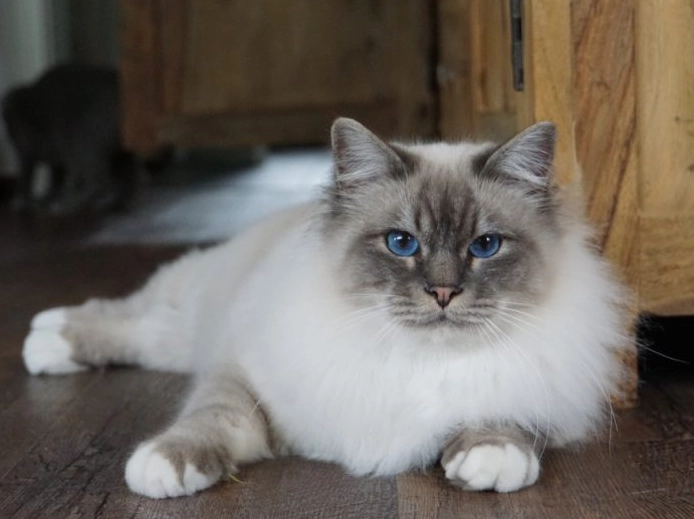
How to Test Your Reaction Before Committing
Never, ever buy or adopt a Birman (or any cat) based on online research alone. You must do a live allergy test. Here’s a step-by-step plan that’s more revealing than a quick petting session at a shelter.
- Find a Source: Locate a Birman breeder or a rescue with an adult Birman. Explain you have allergies and need an extended visit. Responsible breeders understand this.
- Plan a Long Visit: Spend at least 2-3 hours in the cat’s environment. Allergic reactions can be delayed. Pet the cat extensively, let it rub against your clothes, and even bury your face in its fur (if you’re brave).
- Simulate Real Life: Sit on the furniture where the cat sleeps. This is where allergen concentration is highest.
- Observe Your Symptoms: Do your eyes itch within 30 minutes? Do you develop a headache or chest tightness over two hours? Mild sneezing might be manageable; asthma-like symptoms are a red flag.
- Consider a "Foster-to-Adopt" Trial: Some rescues allow this. It’s the ultimate test, letting you implement cleaning routines and see your long-term reaction.
This process saved a colleague of mine from a heartbreaking return. She reacted strongly to one Birman kitten but had almost no reaction to its sibling from the same litter. Individual variation is that significant.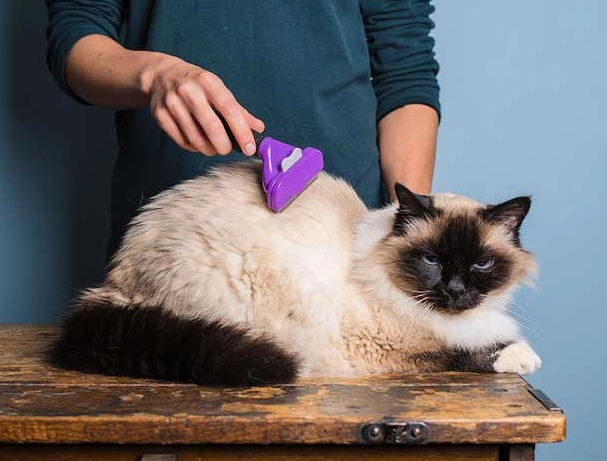
Your 5-Point Allergy Management Plan
Let’s say you’ve tested and your reaction is mild. Success with a Birman isn’t about luck; it’s about strategy. Here’s your battle plan to minimize allergens.
| Strategy | Action Steps | Why It Works |
|---|---|---|
| 1. Create an Allergy-Free Zone | Make your bedroom strictly off-limits to the cat. Use a high-efficiency particulate air (HEPA) purifier in there. Install a good quality air filter in your HVAC system. | Guarantees you 8 hours of low-allergen sleep, which reduces systemic inflammation and lets your body recover. |
| 2. Win the War on Dander | Vacuum daily with a HEPA-filter vacuum cleaner. Use a damp mop on hard floors. Wash all cat bedding, blankets, and your own bedding in hot water weekly. | Fel d 1 is sticky. Dry dusting just stirs it up. Vacuuming and wet cleaning physically remove it. |
| 3. Optimize Cat Care | Brush daily outside. Consider monthly baths. Feed a high-quality diet to promote healthy skin (less dander). Always have a neutered male or female. | Reduces allergens at the source. Healthy skin sheds less. Neutering lowers Fel d 1 levels. |
| 4. Personal Care | Wash your hands after handling the cat. Avoid touching your face. Change clothes after long cuddle sessions. | Prevents you from transferring allergens directly to your eyes and nose. |
| 5. Medical Support | Consult an allergist. They may recommend daily non-drowsy antihistamines, nasal sprays, or even allergy shots (immunotherapy). | Treats your body’s overreaction, giving you a higher tolerance threshold. |
This isn’t a pick-and-choose list. The synergy is what makes it work. The HEPA filter grabs what the vacuum misses; the brushing makes the washing easier. It’s a system.
I’ll be honest: it’s work. If you’re not prepared to be diligent about this routine, a cat—even a Birman—might not be feasible for a severe allergy sufferer.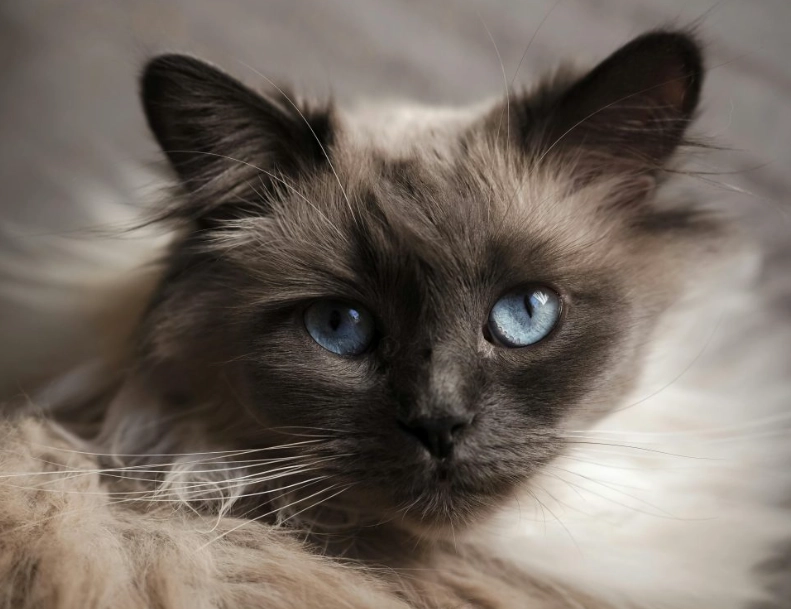
Your Burning Questions Answered
Can I live with a Birman if I have severe cat allergies?
It's highly risky and generally not advised. Severe allergies, especially those involving asthma, require strict avoidance. The emotional and physical cost of a constant, severe reaction will be high for both you and the cat. In these cases, consider hairless breeds like the Sphynx (who still produce dander but are easier to bathe) or explore other pets. An allergist's guidance is non-negotiable here.
Are male or female Birman cats better for allergies?
All else being equal, a spayed female is typically the best bet. Intact males produce the highest levels of Fel d 1. Neutering a male reduces his allergen production to levels closer to a female's, but some studies suggest females still have a slight edge. The most important factor is getting the cat neutered or spayed.
What about "hypoallergenic" cat food or sprays that reduce Fel d 1?
This is a promising area, but manage your expectations. Products like Purina Pro Plan LiveClear are backed by research showing the egg-based antibody in the food can neutralize Fel d 1 in the cat's saliva, reducing active allergens on the fur by about 47% on average. It works, but it's not 100%. Allergen-reducing sprays and wipes can help between baths. Think of these as tools in your toolkit, not standalone solutions. They work best alongside the environmental controls we discussed.
Is there a definitive test to see how much Fel d 1 a specific Birman kitten produces?
Not yet in a practical, affordable way for breeders. While labs can test fur or saliva samples for Fel d 1 concentration, it's not a standard service offered by most breeders. Your best bet is still the extended physical exposure test with the specific cat or, ideally, its parents (since levels can be heritable). When talking to breeders, ask if they've placed cats with allergic families before and what the feedback was.
How long does it take to know if my allergies will adjust to my Birman?
Some people experience a "honeymoon period" where symptoms lessen over a few weeks as their body gets used to their specific cat. However, many others do not, and symptoms may even worsen with constant exposure. Don't count on building tolerance. If your symptoms are disruptive after the first month, even with rigorous management, they are unlikely to disappear. This is the point where you need to have a serious conversation with your doctor and your family about the cat's long-term placement.
So, are Birman cats hypoallergenic? The label doesn’t fit perfectly. They are a breed with features that *may* make cohabitation with allergies more possible than with some others. But the real answer lies in your body’s unique response and your unwavering commitment to managing your home environment. See that beautiful Birman not just as a pet, but as a partnership that requires a clear-eyed strategy. Do the legwork, test thoroughly, and plan militantly. For the right person with the right preparation, those sapphire eyes could be worth every bit of the effort.