Quick Navigation
- Decoding the Bengal Personality: It's Not Just "Wild Blood"
- What Really Influences a Bengal's Cuddliness?
- The Many Forms of Bengal Affection (It's Not Just Lap-Sitting)
- How to Encourage Your Bengal to Be More Cuddly
- Bengal Cats and Families: Are They Cuddly with Kids and Other Pets?
- Common Questions (The Stuff You're Actually Searching For)
- A Realistic Look: The Potential Downsides
- Final Verdict: Should You Get a Bengal If You Want a Cuddly Cat?
So you've fallen for those stunning rosettes, that sleek muscular build, the undeniable wild look of the Bengal cat. Pictures online show them looking like tiny jungle predators, all energy and intensity. And then you find yourself wondering, late at night maybe, while scrolling through breeder websites... are Bengal cats cuddly at all? Can a cat that looks like it belongs on a safari ever be a lap cat?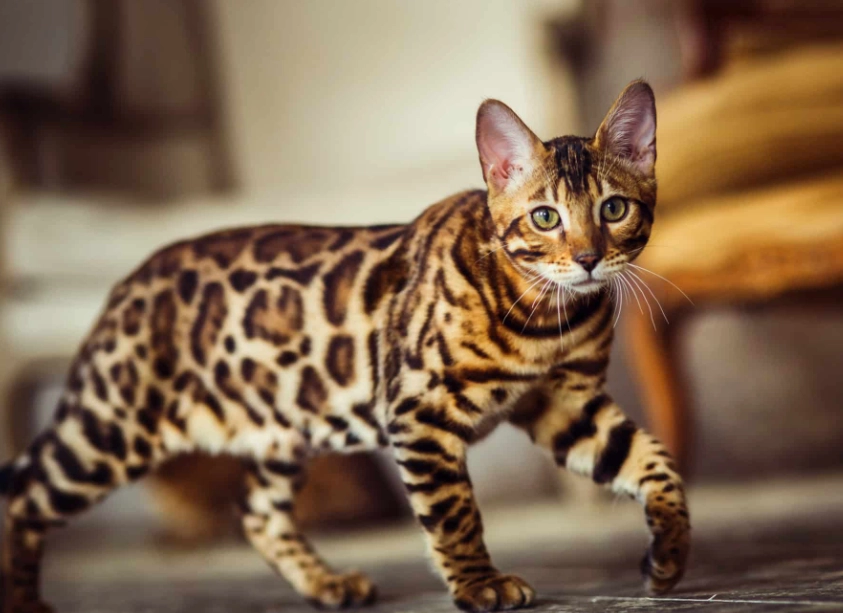
It's the million-dollar question for anyone considering bringing one of these spotted dynamos home. You want a pet, not just a living piece of art to watch from across the room. I get it completely. I've had friends who got Bengals expecting aloof, independent wildcats, and others who were promised dog-like devotion. The reality, as it often is with cats, sits somewhere in the fascinating, frustrating, and wonderful middle.
Let's cut to the chase first.
The short answer is: Yes, Bengal cats can be incredibly cuddly and affectionate. But their cuddliness doesn't always look like a Persian cat snoozing on your lap for hours. It's often an active, engaged, and sometimes demanding form of affection. Calling them "not cuddly" is a massive oversimplification. It's more accurate to say their affection is conditional and expressed on their own unique terms.
I remember visiting a friend with a Bengal named Leo. Leo wasn't the type to curl up quietly. He'd follow you from room to room, chirp at you, and then, when he decided it was time, he'd climb onto your chest, put his paws on your shoulders, and head-butt you so forcefully you'd worry about your nose. It was intense, slightly invasive, and honestly, one of the most heartwarming displays of cat love I've seen. That's the Bengal paradox in action.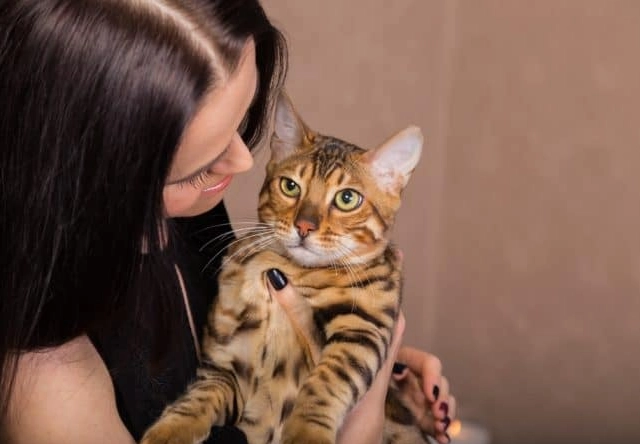
Decoding the Bengal Personality: It's Not Just "Wild Blood"
To really understand if a Bengal cat will be cuddly, you have to ditch the simple stereotypes. Everyone talks about the Asian Leopard Cat (ALC) ancestry—and it's crucial, the International Cat Association (TICA) has strict breeding standards about this—but that's only part of the story. Modern Bengals are many generations removed, and responsible breeding has focused heavily on temperament.
The personality is a cocktail of traits:
- High Intelligence & Curiosity: They get bored easily. A bored Bengal is a destructive Bengal. Their need for mental stimulation is non-negotiable.
- Energy to Burn: They are not couch potatoes. Expect acrobatics, high-speed hallway races, and a fascination with water (toilets, sinks, showers… nothing is safe).
- Strong Social Drive: This is the key to the cuddle question. Most are not aloof. They are often velcro cats who want to be involved in everything you do—cooking, working, showering. Their affection is participatory.
- Vocal Communication: They don't just meow. They chirp, trill, and have full-on conversations. A chatty Bengal is often an engaged, and potentially cuddly, Bengal.
So, when asking "are Bengal cats cuddly," you're really asking if a highly intelligent, energetic, social creature will choose to express its bond through physical closeness. And for many, the answer is a resounding yes, but with caveats you can't ignore.
What Really Influences a Bengal's Cuddliness?
It's not random. Several concrete factors will determine whether your specific spotted friend turns into a snuggle bug or a busy, affectionate-but-distant supervisor.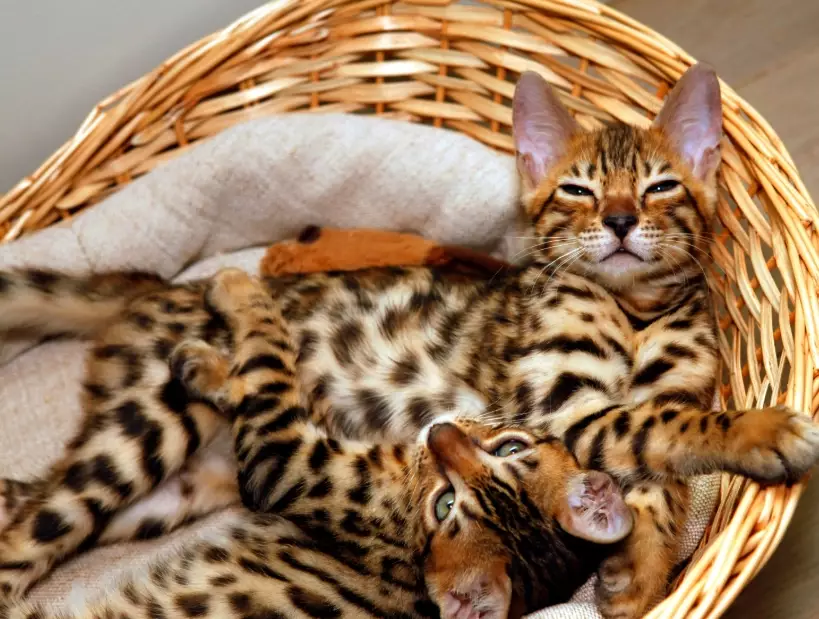
1. Breeding and Bloodline (The Foundation)
This is arguably the biggest factor. A reputable breeder prioritizes temperament. They socialize kittens extensively from birth, exposing them to various sounds, people, and handling. Kittens from these environments are far more likely to be confident and seek human contact.
Conversely, poorly bred Bengals from lines focused only on coat pattern can be skittish, fearful, or overly aggressive. The "wild" behavior people fear usually stems from poor breeding or inadequate early socialization, not the ALC ancestry itself. Always, always visit the breeder, meet the kitten's parents if possible, and see how the kittens interact with people. The Cat Fanciers' Association (CFA) also provides resources on responsible breeding practices.
A good breeder makes all the difference.
2. Socialization: The Critical Window
Between 2 and 7 weeks old is the golden period. Kittens handled gently and frequently during this time are wired to see humans as a source of safety and comfort. A well-socialized Bengal kitten is more likely to seek laps, enjoy being held, and tolerate (or even enjoy) petting and grooming.
Ask your breeder specifically about their socialization protocol. Do they have children or other pets interacting with the kittens? Do they expose them to household noises? The answers matter more than you think.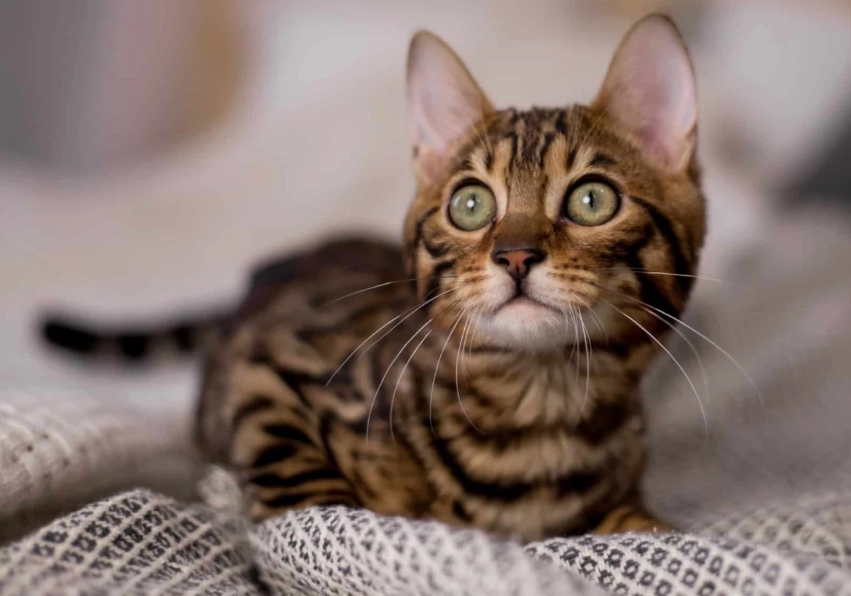
3. Individual Purr-sonality (Yes, They Vary!)
Even within the same litter, you'll get variations. One kitten might be a bold, outgoing climber, another a more observant, thoughtful type who prefers cuddles after play. Gender is a minor factor—some say males are more laid-back and clingy, while females are more fiercely independent—but it's not a hard rule. The individual cat's character is king.
4. Your Own Behavior and Home Environment
Bengals are mirrors in a way. They respond to your energy. A calm, engaging, and predictable home fosters a secure cat. A chaotic, loud, or neglectful environment can create anxiety, which manifests as hiding, aggression, or destructive behavior—the opposite of cuddly.
How you interact sets the tone. Do you force cuddles? Big mistake. Bengals have a strong sense of autonomy. Affection must be on their terms. You invite, you don't insist.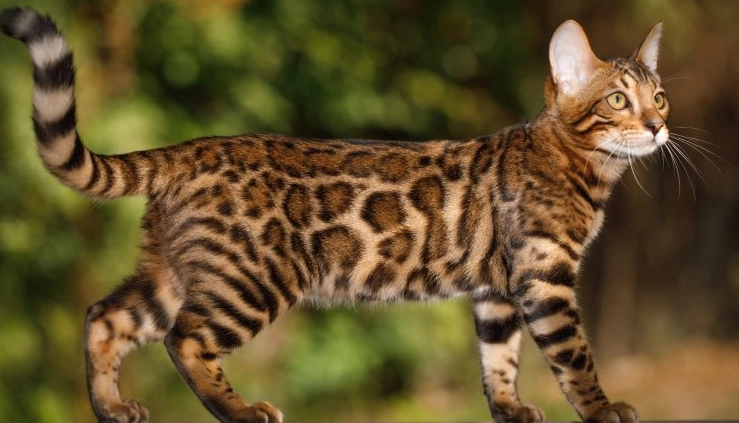
My friend's story: She made the classic error of constantly picking up her new Bengal, Sasha, for cuddles. Sasha started dodging her. It took weeks of backing off, using play and treats to build positive associations, and letting Sasha initiate contact before she'd willingly climb onto a lap. Patience isn't just a virtue with Bengals; it's a requirement.
The Many Forms of Bengal Affection (It's Not Just Lap-Sitting)
This is where people get hung up. They define "cuddly" as a cat sleeping motionless on them. If that's your only metric, you might be disappointed. Bengal cats show love in dynamic ways:
- The "Shadow": Following you everywhere, just to be near you. Bathroom? They're in. Kitchen? Supervising. Home office? On the desk, preferably on the keyboard.
- Head Butting & Face Rubbing: This is scent marking, a sign you are "theirs." A Bengal pressing its head against you is a major compliment.
- Kneading & Purring Machines: When they do settle, the purr is often loud and the kneading enthusiastic, sometimes painful with those strong paws!
- Grooming You: Licking your hand or hair is a huge sign of trust and social bonding.
- Playful Nips & Wrestling: Their play is interactive. They might gently nip your hand during play—it's not aggression, but it's a reminder of their physicality.
- The Morning or Evening Cuddle Ritual: Many Bengals have specific, predictable times for intense affection, often when you first wake up or when winding down for bed.
So, are Bengal cats cuddly? If you expand your definition of cuddly to include these active, engaged behaviors, then absolutely. Their love language is "quality time" and "physical touch," but it's a very active form of touch.
How to Encourage Your Bengal to Be More Cuddly
You can't force it, but you can set the stage beautifully. Think of it as creating an irresistible offer of comfort and security.
Rule #1: Tire. Them. Out.
A Bengal with pent-up energy is a nuisance. A tired Bengal is a potential cuddle bug. Dedicate at least two intense 15-20 minute play sessions daily. Use wand toys that mimic prey (feathers, fluttering toys). Get them jumping, running, pouncing. After a good play session, offer a small treat. This mimics the hunt-catch-eat-groom-sleep cycle. A content, tired cat is much more likely to seek a warm lap for the "groom-sleep" part.
Rule #2: Make Yourself the Ultimate Comfort Zone
Associate your lap and your presence with good things. When they approach, offer gentle petting on their terms (cheeks, under the chin). Avoid looming over them or grabbing. Sit with a soft blanket on your lap—texture matters. Have a designated "cuddle spot" on the couch with a cozy throw.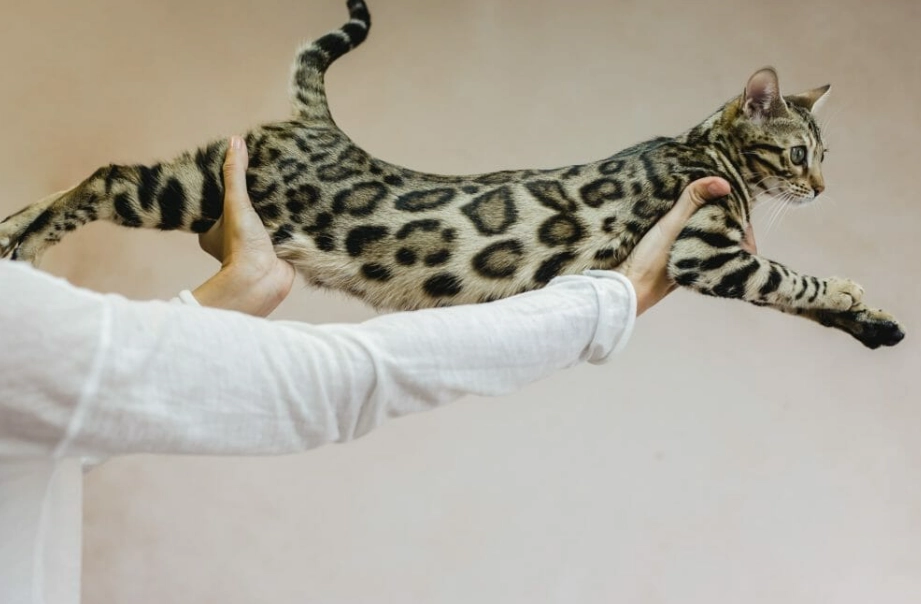
Rule #3: Respect the "No"
If they wiggle, tail twitch, or move away, let them go immediately. Forcing contact breaks trust. Every positive, cat-initiated interaction builds the bond. Every forced one damages it.
Rule #4: Environmental Enrichment is Non-Negotiable
A mentally stimulated Bengal is a happy, balanced Bengal. Provide cat trees (tall ones!), puzzle feeders, window perches for bird-watching, and even safe outdoor access like a catio (highly recommended by International Cat Care). Boredom leads to stress, and stress is the enemy of affection.
It's about partnership, not ownership.
Bengal Cats and Families: Are They Cuddly with Kids and Other Pets?
This depends heavily on the individual cat's socialization. A well-socialized Bengal raised with gentle, respectful children can be an incredibly playful and tolerant companion. Their high energy can match a child's, but supervision is crucial—their play can be rough. Teach kids to read cat body language and never disturb a sleeping or eating cat.
With other pets, they often do best with a companion who can match their energy. Another active cat or even a dog can be a great playmate. The key is slow, proper introductions. A tired Bengal who plays with a fellow pet is often a more relaxed, affectionate Bengal with you.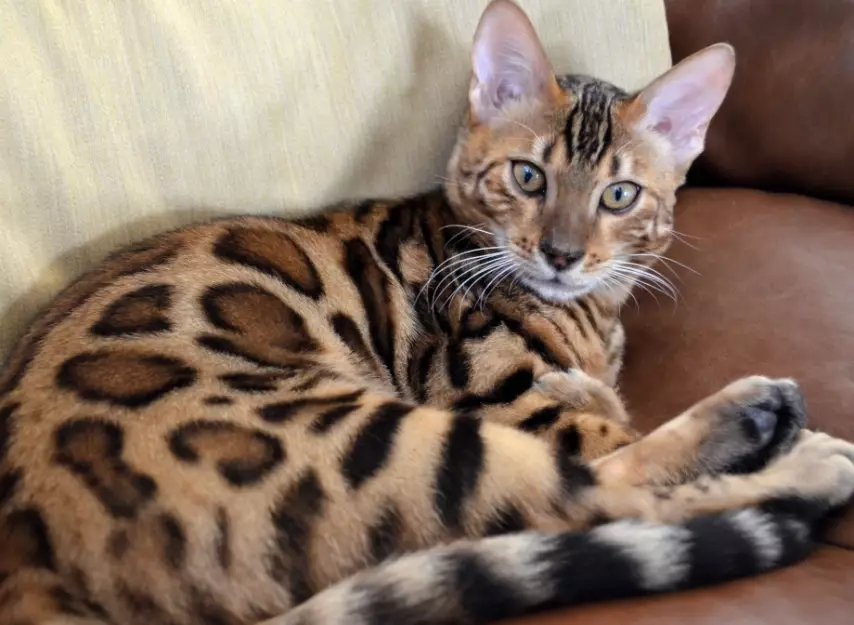
Common Questions (The Stuff You're Actually Searching For)
Are Bengal cats cuddly as kittens but then grow out of it?
Sometimes, yes. The super-cuddly, sleepy kitten phase fades as they hit adolescence (around 6-10 months). They become teenagers—all limbs, energy, and defiance. Affection may seem to decrease. This is normal! Don't panic. Continue with consistent play, routine, and respect. The adult bond that forms after this stage (around 2-3 years) is often deeper and more stable. Many owners say their Bengals become more consistently affectionate as mature adults.
Do Bengal cats like to be held and picked up?
This is a major point of contention. Most Bengals tolerate being held for short periods if they are in the right mood and you do it correctly (supporting all four feet). Very few enjoy lengthy cradling like a baby. They feel restrained. The ones who do enjoy it are usually from exceptional lines or have been trained positively from kittenhood. Assume yours will not be a "hold me" cat, and be delighted if it is.
Are male or female Bengal cats more cuddly?
Anecdotally, neutered males have a reputation for being slightly more easygoing and "clingy" than females, who can be more fiercely independent. But I've met incredibly affectionate females and aloof males. The individual's personality and your bond outweigh gender by a long shot. Don't choose a kitten based solely on this.
My Bengal follows me everywhere but runs when I try to pet it. Why?
Classic Bengal! This is the "shadow with boundaries" syndrome. They want proximity and involvement, but on their terms. They love you, they just don't want to be smothered. Try petting only when they initiate contact first, and keep sessions very short. Over time, they may seek more.
A Realistic Look: The Potential Downsides
It's not all purrs and rosettes. To be fair, their brand of affection can be draining.
- They can be needy. That social drive means they may vocalize loudly if left alone too long or if they feel ignored.
- The 5 AM love attack is real. Their internal clock is precise, and their method of waking you for breakfast or cuddles is rarely subtle.
- Their play is physical. Those nips and bunny kicks, while playful, can hurt. You need to train them (with redirection to toys) and have a high pain tolerance.
- They are master manipulators. Their intelligence means they learn how to get what they want—opening doors, turning on taps, demanding play with persistent chirps.
Owning a Bengal is a high-commitment relationship. It's rewarding, but it's work.
Final Verdict: Should You Get a Bengal If You Want a Cuddly Cat?
Let's summarize with a quick table to help you decide:
| You SHOULD get a Bengal if... | You should NOT get a Bengal if... |
|---|---|
| You want an interactive, engaging companion who is part of your daily life. | You want a decorative, low-maintenance pet that is mostly seen, not heard. |
| You define "cuddly" as active companionship—following, chatting, involved affection. | You define "cuddly" strictly as a sedentary lap cat for hours on end. |
| You have the time and energy for daily interactive play and mental enrichment. | You have a very busy, often away-from-home lifestyle with little time for pet interaction. |
| You appreciate a cat with a big, bold personality and don't mind some quirks. | You prefer a predictable, calm, and traditionally "easy" cat temperament. |
| You are patient and understand cat behavior, willing to let the cat set the pace for physical affection. | You are likely to force cuddles or get frustrated if the cat isn't physically demonstrative on your schedule. |
So, are Bengal cats cuddly? The answer is a nuanced, resounding yes—but with a style all their own. They are not for the passive pet owner. They are for the person who wants a relationship, a dynamic partnership with a creature of stunning beauty and formidable intelligence.
Their affection is earned, not given by default. It's shown in leaps and bounds, in chirps and head-butts, in the quiet (or not-so-quiet) presence beside you. If you can provide the structure, stimulation, and respect they need, you may just find yourself with the most loyally, actively, and wonderfully cuddly companion you've ever had. Just don't expect them to ask permission before joining you in the shower.