What You'll Find Inside
If you're drawn to sleek, black cats with a mysterious aura, the British Bombay cat might have caught your eye. I've owned one for over a decade, and let me tell you, they're not just your average feline. This guide dives deep into what makes this breed unique, from its origins to daily care, based on my experience and expert insights. We'll cut through the fluff and get straight to the practical details you need.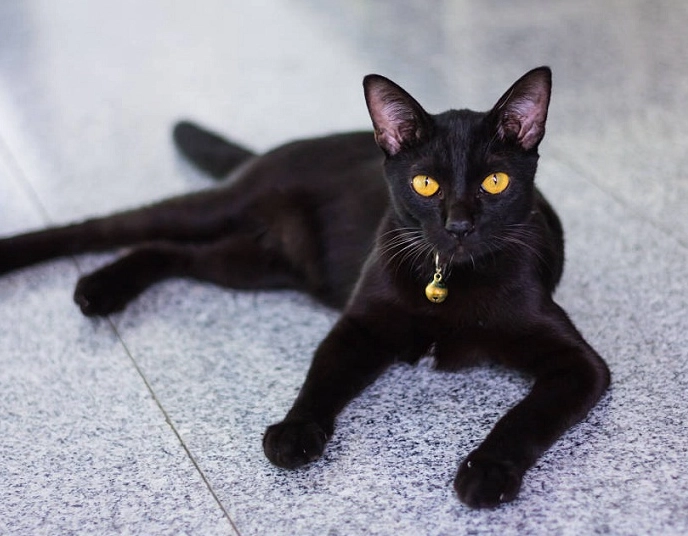
First off, what exactly is a British Bombay cat? It's essentially the Bombay cat breed as it's known and bred in the UK. The Bombay itself was developed in the US in the 1950s by crossing sable Burmese with black American Shorthairs, aiming for a panther-like appearance. In Britain, breeders have adapted the standard slightly, often emphasizing a more robust build and a calmer temperament suited to indoor living. The International Cat Association (TICA) and the Cat Fanciers' Association (CFA) recognize the Bombay, but UK breeders sometimes tweak traits for local preferences.
What is a British Bombay Cat?
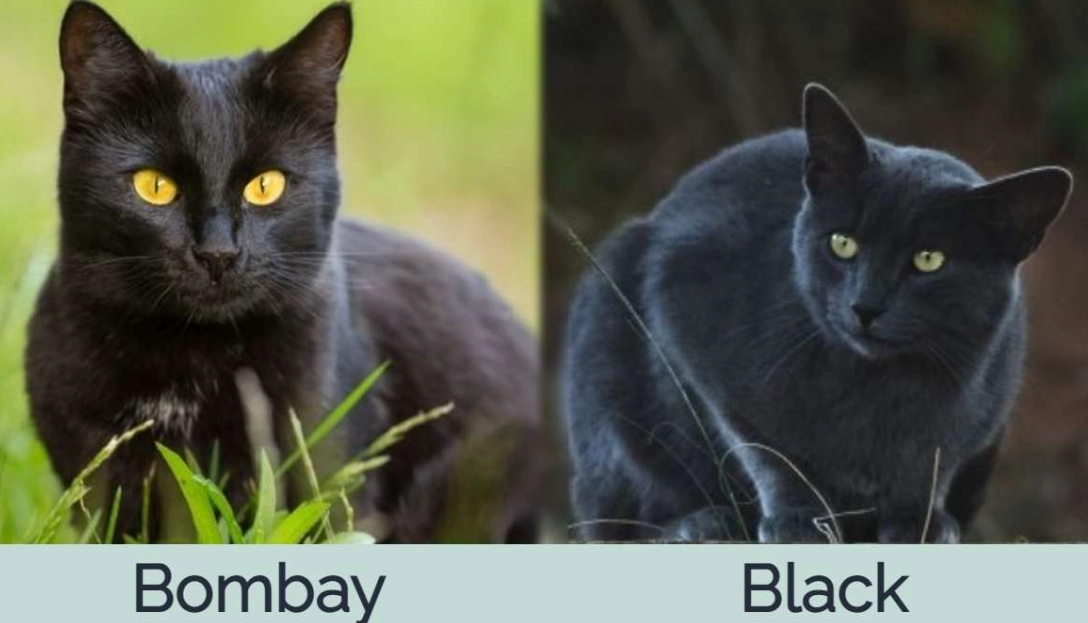
When people search for "British Bombay cat," they're often looking for that iconic black cat with copper eyes, but with a twist for UK homes. It's not a separate breed officially, but the term has stuck among enthusiasts here. The key features? A glossy, jet-black coat that feels like satin, muscular body, and those piercing eyes that seem to stare right through you. They're medium-sized, typically weighing 8-15 pounds, with a surprising heft when you pick them up.
Origins and History: From Kentucky to Kent
The Bombay breed was created by American breeder Nikki Horner in Louisville, Kentucky. She wanted a cat that resembled a miniature black panther. In the UK, breeders imported these lines and selectively bred for traits that thrive in British climates—think less humidity-related skin issues and a thicker coat. I visited a cattery in Surrey once, and the breeder mentioned how they prioritize health testing for hypertrophic cardiomyopathy (HCM), a common heart condition in related breeds. That's something many online sources gloss over.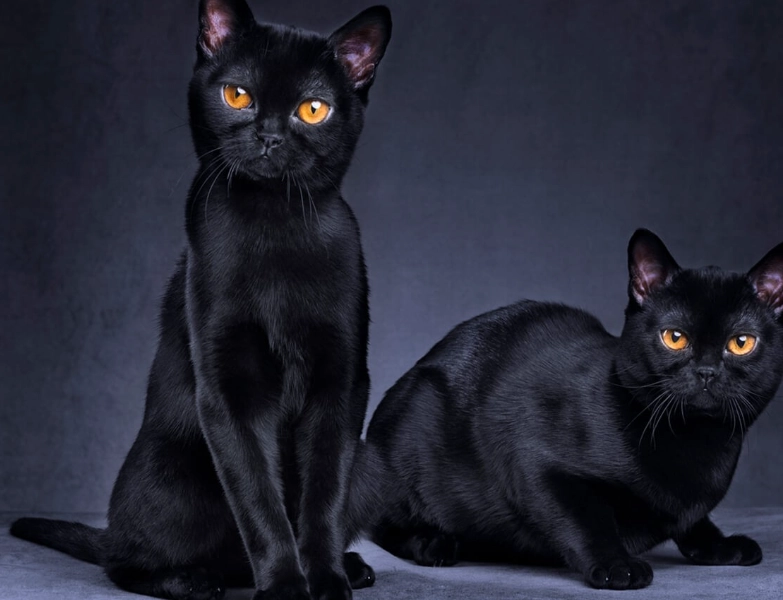
One misconception: British Bombay cats aren't more aggressive or wild. In fact, my cat, Loki, is a couch potato who loves nothing more than curling up on a warm radiator. But I've seen new owners assume they need tons of space because of the "panther" label. Wrong. They adapt well to apartments, as long as you provide mental stimulation.
British Bombay Cat Personality and Temperament
This is where the breed shines. British Bombay cats are often described as dog-like. They follow you around, greet you at the door, and some even learn to fetch. Loki brings me his favorite toy mouse every morning—it's adorable, but also a bit annoying at 5 AM. Their temperament is generally affectionate and social, but they can be velcro cats. If you're someone who values personal space, think twice.
They're great with families, but here's a nuance: they might get jealous of other pets. I introduced a second cat too quickly, and Loki sulked for weeks. It took slow, supervised introductions to smooth things over. Kids? Generally fine, but teach them to handle the cat gently—Bombays have a low tolerance for rough play and might hide if stressed.
Quick Tip: British Bombay cats thrive on routine. Feed them at the same times daily, and they'll be happier. Break the routine, and you might get the silent treatment—yes, cats can hold grudges.
Vocalization is moderate. They're not as chatty as Siamese, but they'll meow to communicate needs. Loki has a specific chirp for "I'm hungry" and a deeper meow for "open the door." It took me years to decode that, but it makes life easier.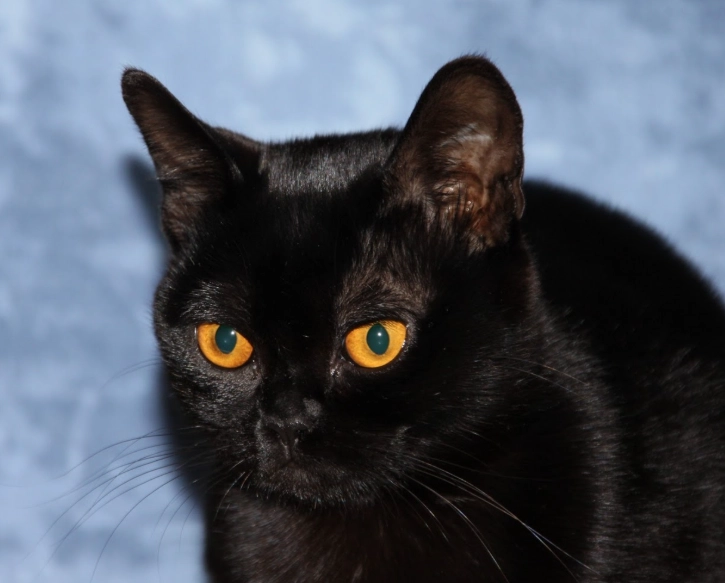
How to Care for a British Bombay Cat: A Step-by-Step Guide
Caring for a British Bombay cat isn't rocket science, but there are pitfalls. Let's break it down into grooming, diet, and exercise.
Grooming: Keeping That Black Coat Shiny
That beautiful black coat shows every speck of dust and dander. Weekly brushing is a must. I use a rubber grooming mitt—it's gentle and removes loose hair without irritating the skin. Baths? Rarely needed unless they get into something messy. But here's a mistake I made early on: using human shampoo. It dried out Loki's skin, leading to flakiness. Stick to cat-specific products.
Nail trimming every two weeks, and dental care is crucial. Bombay cats are prone to gum disease. I brush Loki's teeth twice a week with a feline toothpaste. It sounds extra, but it's prevented costly vet visits.
Diet and Nutrition: What to Feed for Optimal Health
These cats have a tendency to gain weight if overfed. A high-protein, low-carb diet works best. I feed Loki a mix of wet and dry food, with wet food making up 70% of his meals. It helps with hydration. Avoid cheap fillers like corn and wheat—they can cause allergies.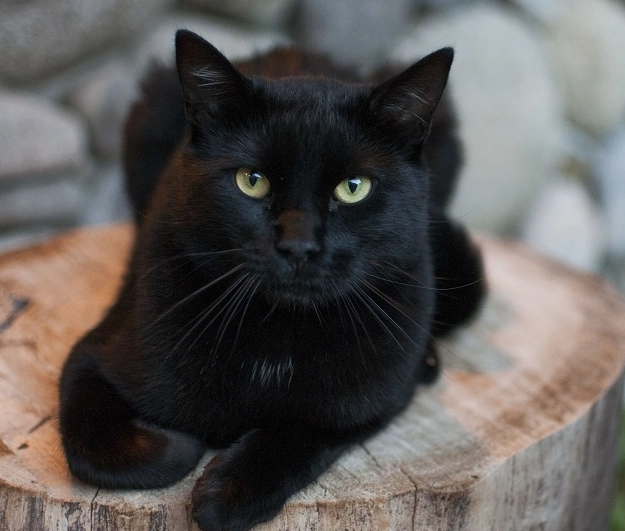
| Life Stage | Daily Calories (Approx.) | Food Type Recommendations |
|---|---|---|
| Kitten (0-1 year) | 200-300 kcal | Kitten-formulated wet food, rich in DHA |
| Adult (1-7 years) | 180-250 kcal | High-protein wet food, occasional dry kibble |
| Senior (7+ years) | 150-200 kcal | Senior formula with joint support, easily digestible |
Consult your vet for specifics, as needs vary. I learned this the hard way when Loki started gaining weight—turns out, I was over-treating him with snacks.
Exercise and Play: Keeping Them Entertained
British Bombay cats are active but not hyper. Daily play sessions of 15-20 minutes prevent boredom. Interactive toys like feather wands or laser pointers (used safely) work wonders. But don't just leave toys lying around; rotate them to keep interest high. Loki's favorite is a simple cardboard box—go figure.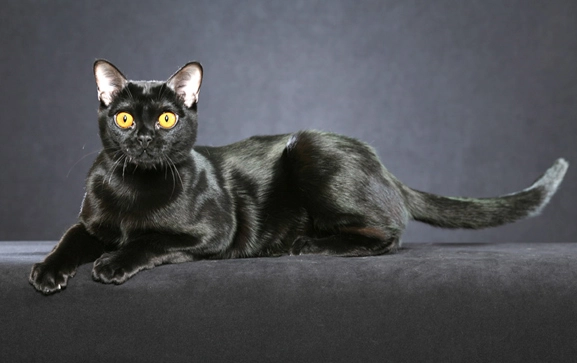
Indoor enrichment is key. Consider cat trees near windows for bird-watching. I set up a shelf system in my living room, and Loki spends hours perched there. It saves my furniture from scratching too.
Common Health Issues in British Bombay Cats
Overall, they're a healthy breed, but prone to certain conditions. Regular vet check-ups are non-negotiable.
- Hypertrophic Cardiomyopathy (HCM): A heart disease common in Burmese-related breeds. Screening via ultrasound is recommended annually for adults. My vet caught early signs in Loki at age 6, and medication has managed it well.
- Gingivitis and Dental Disease: Their compact jaw structure can lead to dental issues. Daily brushing or dental treats help. I use water additives recommended by the Feline Health Center at Cornell University.
- Obesity: As mentioned, they love food. Monitor weight closely. A body condition score of 5 out of 9 is ideal.
- Respiratory Issues: Some lines may have brachycephalic traits, leading to snoring or breathing difficulties. Not all Bombays have this, but it's worth asking breeders about.
Preventive care includes vaccinations, flea control, and annual blood work. Pet insurance can be a lifesaver—I pay around £20 a month for Loki, and it's covered unexpected costs.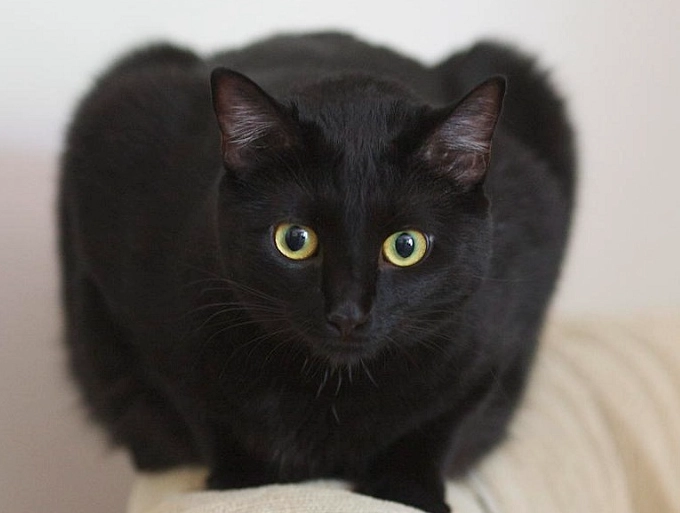
Is a British Bombay Cat Right for You?
Deciding on a British Bombay cat depends on your lifestyle. They're perfect for indoor living, but require attention. If you work long hours, consider a pair to keep each other company. They're not low-maintenance; that glossy coat and social nature demand time.
Cost-wise, expect to pay £500-£1200 for a kitten from a reputable UK breeder who health tests. Adoption is rarer, but check shelters—sometimes black cats are overlooked. Ongoing costs: food (£30-£50/month), vet bills (£200-£500/year), and toys/litter.
I'd recommend this breed to first-time cat owners who are committed, but with a caveat: be prepared for a clingy companion. If you travel often, ensure you have a reliable pet sitter. Loki once refused to eat when I was away for a weekend—cats can be sensitive.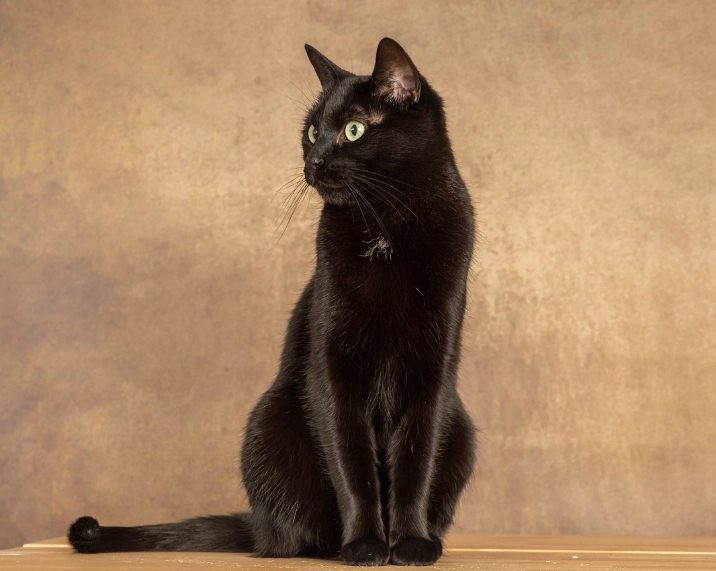
FAQ: Your Burning Questions Answered
Wrapping up, the British Bombay cat is a fascinating breed that offers companionship and elegance. They're not for everyone, but if you're willing to invest time in grooming, health care, and play, they'll reward you with loyalty and charm. Do your research, connect with breeders or rescue groups, and prepare for a decade or more of black-cat magic. For more authoritative info, check resources from The International Cat Association (TICA) or consult with a feline-specialist vet in your area.