Quick Navigation
- That Initial Sticker Shock: How Much Does a Bengal Cat Actually Cost to Buy?
- Beyond the Purchase: The Real, Ongoing Cost of Owning a Bengal
- The Factors That Make One Bengal More Expensive Than Another
- The Hidden Costs and "Gotchas" of Bengal Ownership
- Are They Worth It? Weighing Cost Against the Bengal Experience
- Bengal Cat Cost FAQ: Your Burning Questions Answered
- Final Thoughts: Making a Smart Decision
So you've fallen for those stunning leopard-like spots and that wildcat energy. Who wouldn't? Bengal cats are showstoppers. But then the big question hits your wallet before it hits your heart: are Bengal cats expensive? I remember asking myself the same thing years ago, staring at photos online, completely smitten but also nervous about the price tag everyone whispered about.
The short, honest answer? Yes, they can be. Significantly more than your average domestic shorthair from a shelter. But slapping a single "expensive" label on the whole breed is like saying all cars are expensive—it doesn't help you budget for a Honda versus a Ferrari. The real cost of a Bengal cat is a layered cake. The purchase price is just the first slice. To understand if a Bengal cat is expensive for you, we need to dig into everything: the initial shock, the yearly upkeep, the hidden fees, and the priceless stuff money can't buy.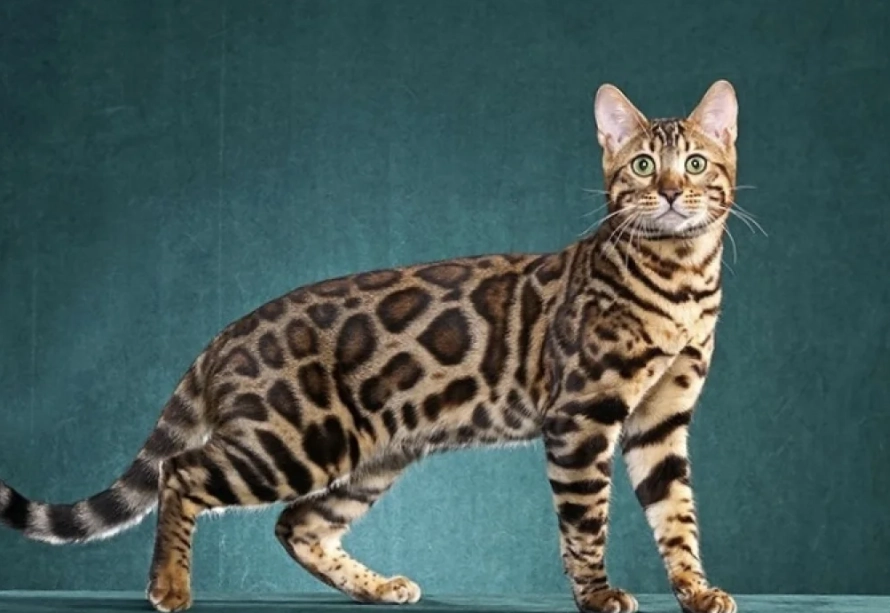
Let's break it down, no sugar-coating.
That Initial Sticker Shock: How Much Does a Bengal Cat Actually Cost to Buy?
This is where most people's jaws drop. You're not looking at a few hundred dollars. You're entering a realm where prices are dictated by genetics, aesthetics, and breeder reputation. The range is massive.
The Bengal Price Spectrum: From Pet Quality to Show-Stopper
Think of it in tiers. A reputable breeder (and we must talk about why reputation is non-negotiable) will often price their kittens based on potential.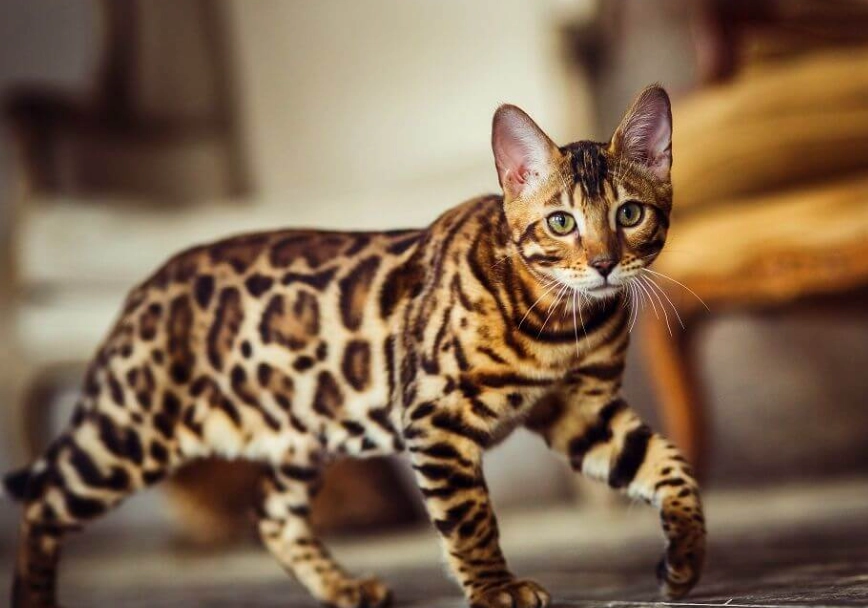
| Kitten "Grade" or Purpose | Typical Price Range (USD) | What You're Paying For |
|---|---|---|
| Pet Quality | $1,500 - $2,500 | A healthy, beautiful, socialized kitten with stunning markings, but perhaps not "perfect" for the show ring (slight off-standard markings, pet-only spay/neuter contract). This is the most common entry point. |
| Breeding Quality | $2,500 - $4,000+ | Exemplary conformation, outstanding coat pattern/color, and breeding rights. Sold with a strict contract to approved breeders only. |
| Show Quality | $3,000 - $5,000+ | The cream of the crop. Near-perfect adherence to breed standards, destined for the cat show circuit. Often comes from champion bloodlines. |
| Foundation or Early Generation (F1-F3) | $5,000 - $10,000+ | Kittens closer to their wild Asian Leopard Cat ancestry (like F1s, F2s). These are rare, often not sold as pets due to specific care needs and legal restrictions, and command premium prices. |
Seeing those numbers, it's clear why people ask are Bengal cats expensive to buy. You're easily looking at a down payment on a car. But why?
What's Driving That High Purchase Price?
It's not just greed. Reputable breeding is a slow, costly passion project.
- Health Testing is King: Top breeders test parents for genetic issues like PK Def and PRA-b, plus HCM screenings via echocardiograms. This costs thousands per cat. A breeder skipping this is a red flag, not a bargain.
- The Care Investment: From birth to adoption (usually 12-16 weeks), kittens get premium food, vet checks, vaccinations, deworming, microchipping, and constant socialization. That adds up fast.
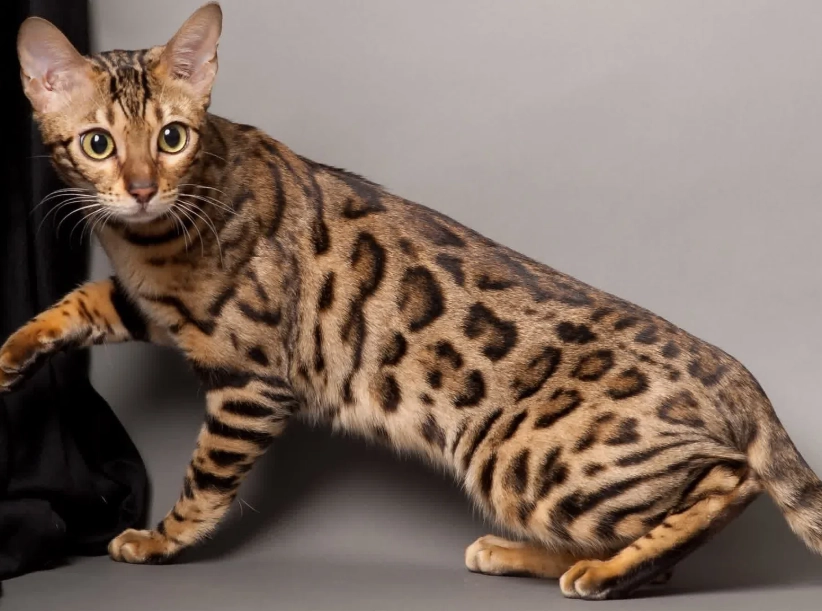
- Rarity & Demand: They're a specialized hybrid. A queen (mother cat) has small litters, and a responsible breeder won't overbreed her. Simple economics: high demand, limited ethical supply.
- Bloodline Pedigree: Kittens from lines with multiple Grand Champions in their pedigree cost more. You're paying for generations of selective breeding for health, temperament, and beauty.
A Critical Warning: If you see Bengals advertised for $500-$800, run. Seriously. These are almost certainly kitten mills, backyard breeders, or scams. The cat will likely be unsocialized, sick, not genetically tested, and may not even be a purebred Bengal. That "bargain" will cost you tenfold in vet bills and heartache. The International Cat Association (TICA) and the Cat Fanciers' Association (CFA) are great places to find breeder directories and breed standards.
I once made the mistake of inquiring about a "cheap" Bengal. The photos were blurry, the breeder was pushy for a deposit, and they couldn't provide health records for the parents. I walked away. A few months later, I saw posts from someone who didn't—their kitten had severe respiratory issues from day one.
Beyond the Purchase: The Real, Ongoing Cost of Owning a Bengal
Okay, so you've paid the breeder. Now what? This is where many new owners get blindsided. Are Bengal cats expensive to live with? Let's talk monthly and yearly budgets.
First-Year Setup & Initial Costs (One-Time & First-Year Essentials)
- Vet Initial Visit & Boosters: $150 - $300 (Even if breeder gave first shots).
- Spay/Neuter: $200 - $500 (If not already done by breeder). Crucial for pet-quality cats.
- Premium Cat Tree & Scratching Posts: $200 - $600. Bengals are climbers and destroyers of flimsy furniture. A sturdy, tall tree is non-optional, not a luxury. I learned this after my couch arms were shredded.
- Secure Carriers, Harnesses, Leashes: $100 - $200. Many Bengals enjoy supervised outdoor adventures.
- Interactive Toys, Puzzles, Water Fountains: $100 - $300. These cats are smart and bored easily. A bored Bengal is a destructive Bengal.
- Litter Boxes & High-Quality Litter: $100 - $150. You might need more than one.
Recurring Annual Costs (The Yearly Reality Check)
- High-Protein, High-Quality Food: $400 - $800/year. Bengals do best on grain-free, meat-rich diets (wet, dry, or raw). Cheap kibble often leads to poor coat condition and energy spikes.
- Annual Vet Check-ups & Vaccinations: $200 - $400/year. Prevention is cheaper than treatment.
- Parasite Prevention (Flea/Tick/Heartworm): $150 - $250/year.
- Pet Insurance: $300 - $600/year. This is a personal choice, but for a cat with a potential for genetic issues or high energy leading to accidents, I consider it essential. A single emergency surgery can cost $3,000-$7,000. Companies like AKC Pet Insurance or Healthy Paws offer plans worth comparing.
- Toys, Treats, Litter Replacement: $200 - $400/year. They go through toys.
- Cat Sitter/Boarding: $20 - $40/day when you travel. Bengals often don't do well alone for long periods.
Add it up. The first year can easily add $2,000-$4,000 on top of the purchase price. Every year after is typically $1,200-$2,500. So, are Bengal cats expensive to maintain? Absolutely. They're a premium product with premium upkeep needs.
The Factors That Make One Bengal More Expensive Than Another
Not all Bengals cost the same. If you're looking at breeders, you'll see wild price variations. Here’s why:
Generation (The F-Scale)
This refers to how many generations removed from the wild Asian Leopard Cat (ALC).
F1: 50% ALC (one wild parent). Extremely rare as pets, legal restrictions apply, ultra-expensive.
F2: 25% ALC (grandparent). Still very wild in temperament.
F3 and beyond (SBT): At least 4 generations from the ALC. This is the typical "pet Bengal" with a more predictable, social temperament. SBT (Stud Book Tradition) is what most reputable breeders produce.
Coat Color and Pattern
The classic brown spotted/rosetted is most common. Rarer colors/patterns command higher prices:
- Silver Bengals: Often more expensive.
- Charcoal, Blue, Melanistic: Less common, higher price.
- Large, distinct rosettes (like paw-print or doughnut shapes) vs. small spots.
Breeder Reputation and Location
A breeder with decades of experience, multiple show champions, and a stellar reputation for health and socialization will charge more. Location matters too—breeders in high-cost-of-living areas often have higher prices.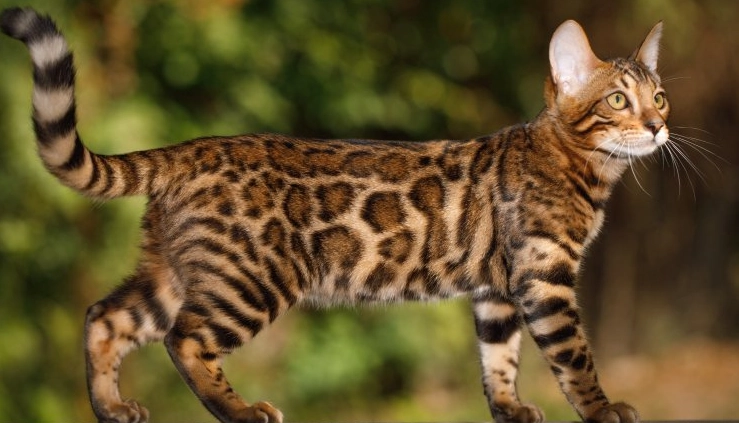
When I finally got my Bengal, Leo, I chose a mid-range pet-quality kitten from a TICA-registered breeder who was obsessive about health testing. He wasn't the cheapest, nor the most expensive. But seeing the clean bills of health for his parents gave me peace of mind that was worth every extra penny.
The Hidden Costs and "Gotchas" of Bengal Ownership
Nobody talks about these enough.
The Energy Tax
This isn't a financial cost, but a life-energy one. Bengals need intense play, interaction, and mental stimulation. If you work 12-hour days and want a couch potato, a Bengal will be miserable (and ruin your house). You're paying with your time and attention.
The Home-Proofing Bill
They open cabinets, turn on faucets, and figure out childproof locks. You may need to secure your home like you have a toddler. That means latches, secure screens on windows (they can tear through flimsy ones), and putting away anything breakable.
Potential for Specialized Vet Care
While generally healthy, some lines can be prone to specific issues. Even without genetic problems, their adventurous spirit can lead to injuries. Having an emergency fund or insurance is critical. The Cornell Feline Health Center is a fantastic resource for understanding feline health.
So, asking are Bengal cats expensive isn't just about money. It's about lifestyle cost.
Are They Worth It? Weighing Cost Against the Bengal Experience
This is the million-dollar question. After all this talk of cost, is the Bengal cat experience worth the price? From my experience and talking to dozens of owners, it comes down to what you value.
You're not buying a living room ornament. You're bringing home a tiny, spotted whirlwind of personality. The payoff isn't just visual.
- Dog-Like Devotion & Playfulness: Many Bengals fetch, walk on leashes, and follow you from room to room. The companionship level is off the charts.
- Intelligence That Astounds: Watching them solve puzzle feeders or learn tricks is endlessly entertaining. It's like living with a fuzzy little genius.
- A True Conversation Starter & Family Member: Their beauty is undeniable, but their engaging personality is what makes them family.
But here's a bit of a negative take, to keep it real: they are not for everyone. The constant need for engagement can be exhausting. If you crave a quiet, predictable home, the Bengal's chaotic energy might feel like a burden, not a blessing. For the right person, though, the cost fades into the background compared to the joy.
Bengal Cat Cost FAQ: Your Burning Questions Answered
What is the absolute cheapest way to get a Bengal cat?
Adoption or rescue, but it's rare and requires patience. Organizations like the Bengal Cat Rescue occasionally have purebred Bengals needing homes, often adults, for an adoption fee typically between $200-$500. You save on the purchase price and often get a cat whose personality is already known. The downside? You have little choice over age, color, or background, and you must be ready to handle a cat that may have been rehomed for behavioral reasons (often just high energy misunderstood).
Besides the cat, what's the single biggest expense?
Long-term, it's either high-quality food or potential veterinary care. Short-term, it's the non-negotiable, heavy-duty cat tree and environmental enrichment. Skimping here leads to much costlier furniture repair.
Do Bengal cats have higher vet bills than other cats?
Not necessarily for routine care. But their propensity for getting into mischief (eating things they shouldn't, high jumps gone wrong) and potential breed-specific genetic screening recommendations can lead to higher overall healthcare costs. Pet insurance is a very common and wise choice among Bengal owners.
Can I expect any cost savings over time?
Not really. The ongoing costs are consistent. The only potential "savings" is investing in durable, high-quality items upfront (like a great cat tree) so you don't have to replace cheap ones every year.
How much should I budget for a Bengal cat per month?
After the first year, a realistic budget is $100 - $250 per month, averaging out food, litter, insurance, and setting aside savings for vet care. This doesn't include annual check-ups or unexpected emergencies.
Final Thoughts: Making a Smart Decision
So, are Bengal cats expensive? The resounding answer is yes, in every sense of the word. They demand a significant financial investment, a substantial time commitment, and an adaptable home.
The purchase price from a good breeder is just the entry fee. The real question you need to ask isn't "can I afford to buy one?" but "can I afford to own one, happily and responsibly, for the next 12-16 years?"
If you look at the costs and feel dread, a Bengal is not for you, and that's perfectly okay. There are wonderful, less demanding breeds and amazing shelter cats waiting. But if you look at the costs, do the math, and still feel your heart pull towards that wild-looking, brilliant companion—and you're ready for the whirlwind—then the expense transforms. It becomes the ticket to one of the most uniquely rewarding relationships you can have with a pet.
Do your homework. Find a breeder who prioritizes health over profit. Ask the hard questions. Budget honestly. If you do all that, you won't just be buying a cat; you'll be investing in a decade-plus of unforgettable, spotted adventures. And from where I'm sitting, with Leo purring on my keyboard as I type this, that can be worth every single penny.