Quick Guide
- Why Male Tortoiseshell Cats Are So Rare (The Genetics)
- What Actually Determines the Tortie Cat Male Price?
- Realistic Price Ranges: What Can You Expect to Pay?
- How to Actually Find a Male Tortoiseshell Cat
- The Real Cost: Lifetime Care of a Male Tortie Cat
- Common Questions (And Straight Answers)
- Final Thoughts: It's About the Cat, Not the Price
So you're curious about the tortie cat male price. Let's be real, you probably stumbled upon a picture of one of these stunning, patchwork felines and fell in love. Then you heard the rumor: male tortoiseshell cats are incredibly rare. And your next thought, naturally, was "How much does one cost?"
I get it. I've been there. The allure of owning something unique is powerful. But here's the thing everyone needs to understand right from the start: asking about a tortie cat male price is like asking about the price of a four-leaf clover you found in a field. The standard price tags you see for Persian or Siamese kittens simply don't apply. The cost is almost secondary to the sheer biological lottery of finding one.
This isn't just a shopping guide. If you're serious about the possibility, you need to know the why behind the price, the how of finding one ethically, and the real cost of caring for any cat, rare or not. We're going to dig into all of it.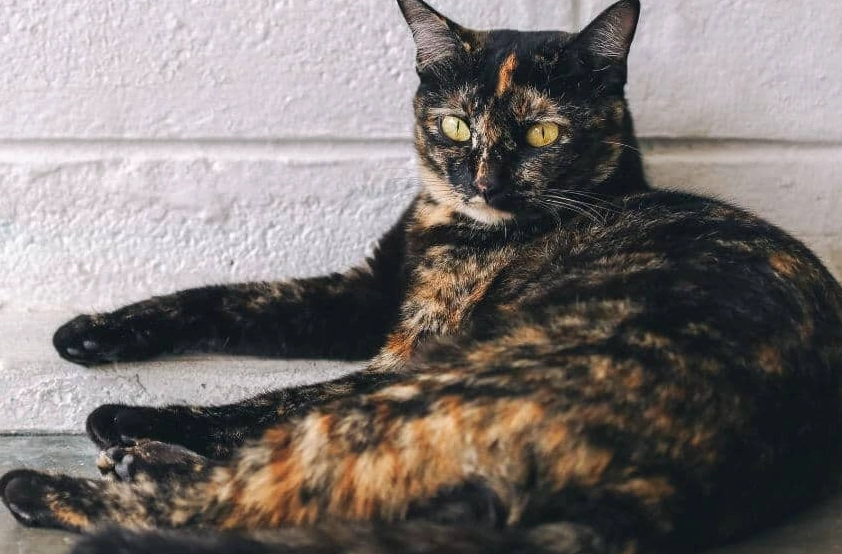
Why Male Tortoiseshell Cats Are So Rare (The Genetics)
You can't talk about the tortie cat male price without understanding why they're a genetic marvel. This is the core of everything.
Coat color in cats is carried on the X chromosome. The classic tortoiseshell or calico pattern (a mix of orange/red and black/chocolate) requires two X chromosomes carrying different color genes. Females (XX) can have one X with the orange gene and one with the black gene, resulting in that beautiful, brindled patchwork.
Males are typically XY. They only have one X chromosome. So, a male cat can be orange OR black, but not both. That's the simple rule.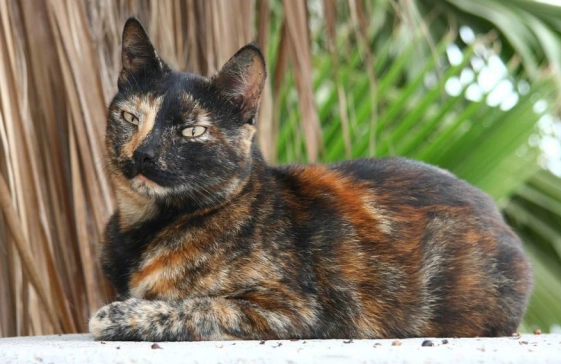
So how do male torties exist?
They have a genetic condition called Klinefelter's Syndrome. They are XXY. That extra X chromosome gives them the genetic blueprint needed to express both orange and black fur. It's estimated that only about 1 in every 3,000 tortoiseshell cats is male. Let that sink in.
This condition also means most male torties are sterile. They cannot father kittens. This is a crucial point that affects their value and the ethics of breeding them, which we'll get to.
The Cat Fanciers' Association (CFA), one of the largest pedigree cat registries, has extensive resources on feline genetics and color patterns, which confirms this rare occurrence. It's fascinating biology, not just a sales pitch.
What Actually Determines the Tortie Cat Male Price?
Forget a single number. The final tortie cat male price is a cocktail of factors. Some are standard for any purebred cat, others are unique to this situation.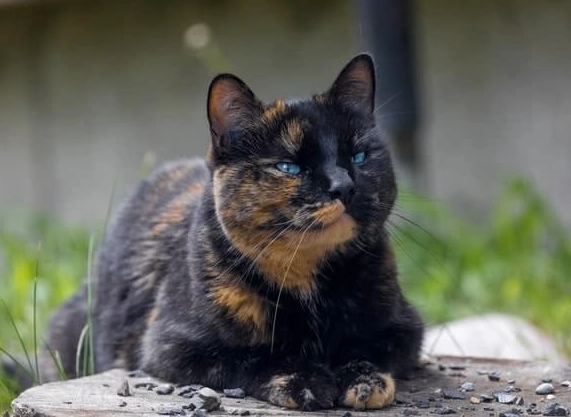
The Big Factors in the Price Tag
- Purebred vs. Domestic Shorthair: This is the biggest divider. A purebred male tortie (like a Persian, British Shorthair, or American Shorthair that happens to be tortie and male) will command a much higher price than a non-pedigree "domestic shorthair" male tortie. You're paying for the breed standard, predictable traits, and the breeder's reputation.
- The Breed Itself: A male tortie Persian is going to have a different price point than a male tortie Scottish Fold. The base price of the breed heavily influences the final cost.
- Quality of Coloration & Pattern: Even among torties, some patterns are more sought-after. A clear, bright, well-distributed patchwork might be valued more than a muddier, blended coat. Breeders and enthusiasts pay close attention to this.
- Age & Availability: A kitten will be more expensive than an adult. But with male torties, an adult from a rescue might be your only realistic option.
- Breeder Reputation & Ethics: A reputable breeder who health-tests their cats, provides excellent care, and is transparent about the kitten's genetic background will charge more. This is a good thing. The low tortie cat male price from a backyard breeder is a massive red flag.
- Geographic Location: Prices vary by country and region. Demand and cost of living play a role.
And then there's the "unicorn factor." Some breeders or sellers might see the extreme rarity and inflate the price to astronomical levels, especially if they market to collectors rather than pet lovers. This is where things can get unethical fast.
My personal take? A breeder who focuses solely on producing male torties for profit is a breeder to avoid. The condition isn't something that should be deliberately targeted.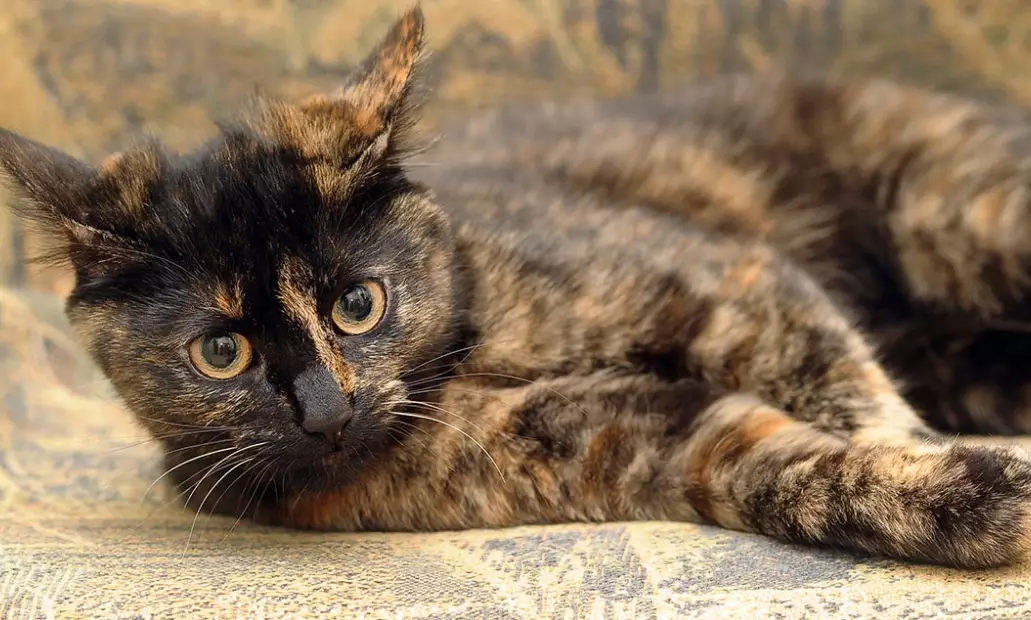
Realistic Price Ranges: What Can You Expect to Pay?
Alright, let's talk numbers. These are broad estimates based on research, breeder listings (for purebreds), and adoption realities. Remember, these figures are for the initial acquisition. The lifetime cost of care is a whole other section.
| Source / Type | Estimated Price Range (USD) | What's Typically Included | Notes & Real Talk |
|---|---|---|---|
| Reputable Purebred Breeder (e.g., Male Tortie Persian, British Shorthair) |
$1,500 - $4,000+ | Kitten, first vaccinations, deworming, health guarantee, registration papers, often spay/neuter contract. | This is the high end. The price is for the breed first, the color second. The breeder may not even have a male tortie in a given year. You're on a waiting list for a genetic surprise. |
| Non-Pedigree "Designer"/Backyard Breeder (Claiming "Rare Male Tortie") |
$500 - $2,000 | Kitten, sometimes shots, rarely any health testing or guarantee. | Extreme caution advised. This price range is a minefield. These sellers often exploit the rarity without proper care for genetics or health. The low tortie cat male price here is a trap. |
| Animal Shelter or Rescue Group | $50 - $200 | Cat, spay/neuter, microchip, vaccinations, deworming, often a vet check. | This is the most likely and ethical source. Most male torties end up here because they were unexpected in a litter. The adoption fee is a donation to cover care costs, not a purchase price. You're saving a life. |
| Specialty or Breed-Specific Rescue | $100 - $400 | Same as above, but often with more specific breed knowledge and foster care. | A fantastic middle ground. They understand the breed traits of a purebred tortie (if applicable) but operate on an adoption model. |
See the massive gap? The purebred route is a planned, expensive endeavor with a tiny chance of outcome. The shelter route is a lucky find that requires patience and vigilance.
I've seen online listings advertising a "tortie cat male price" of $5,000. Honestly, unless it's a show-quality champion from an elite lineage, that feels exploitative. It preys on the "collector" mentality, which has no place in pet ownership.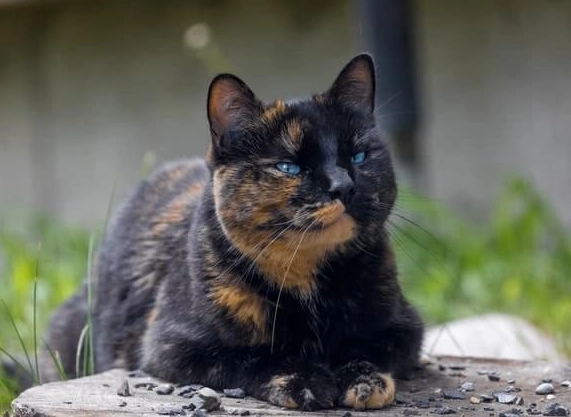
How to Actually Find a Male Tortoiseshell Cat
You don't just Google "buy male tortie kitten" and click checkout. The search requires a mindset shift.
Strategy 1: The Ethical Breeder Route (Long Game)
If you want a specific breed and are open to the genetic chance:
- Find Reputable Breeders: Use the breeder directories on sites like The International Cat Association (TICA) or the Cat Fanciers' Association (CFA). Look for breeders of the breed you love (e.g., Persians).
- Communicate Honestly: Contact them. Express your love for the breed and your fascination with tortoiseshell coloring. Ask if they've ever produced a male tortie and what their policy/experience is. Do NOT lead with "I only want a male tortie, how much?" That signals the wrong intentions.
- Get on a Waitlist: For good breeders, you get on a list for a kitten. You may specify a preference for a tortoiseshell female. If a male tortie is born, they will contact interested parties on their list who appreciate the rarity. You wait, potentially years.
Strategy 2: The Rescue & Shelter Route (Patience Game)
This is how most people who own a male tortie found him.
- Broaden Your Search: Use Petfinder, Adopt-a-Pet.com. Search for "tortoiseshell" cats, but do NOT filter by sex. The algorithms often mislabel male torties as female. Look at every tortie picture.
- Master the Visual ID: Learn what a male tortie looks like. In the description, if it says "male" but the picture is a clear tortie, that's your target. Be ready to act fast.
- Network with Rescues: Tell local rescue volunteers you are interested in adopting a male tortoiseshell cat if one ever comes in. They'll remember you.
- Check Frequently: This is a numbers and patience game. You're waiting for a statistical anomaly to show up in the shelter system.
Red Flags to Run From:
- A seller who has multiple male tortie kittens available. This is biologically implausible and suggests fraud or terrible practices.
- Anyone who cannot provide details about the mother cat, vet records, or living conditions.
- Pressure to pay a deposit immediately, especially without seeing the cat in person (via video call at minimum).
- A focus solely on the cat's rarity and potential "investment" value rather than its health and temperament.
Resources like the American Veterinary Medical Association (AVMA) offer great guidance on how to choose a pet and a provider responsibly, which applies here.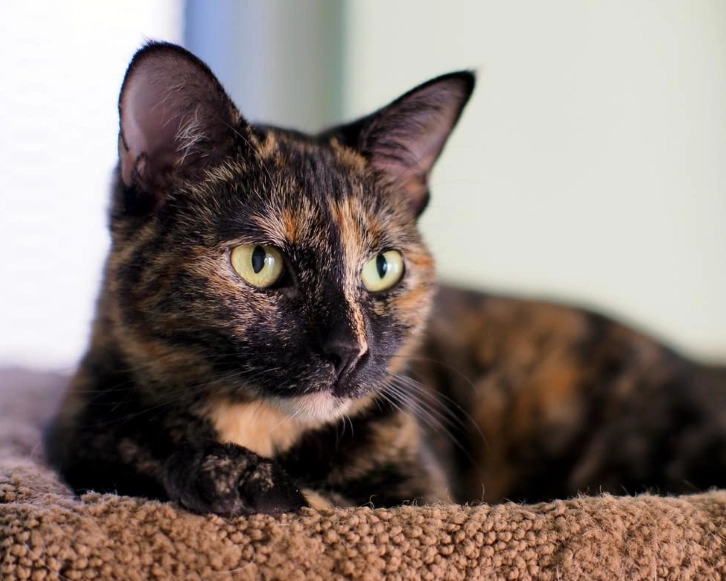
The Real Cost: Lifetime Care of a Male Tortie Cat
Honestly, the initial tortie cat male price is just the entry fee. Whether you pay $100 or $3,000, the next 15+ years of costs are largely the same. This is the budgeting most people overlook.
Let's break down the ongoing expenses. This isn't meant to scare you, but to prepare you. A cat is a living being, not a trophy.
| Expense Category | Estimated Annual Cost (Mid-Range) | What It Covers |
|---|---|---|
| High-Quality Food | $300 - $600 | Dry kibble, wet food, treats. Special diets (for urinary issues, allergies) cost more. |
| Routine Veterinary Care | $200 - $400 | Annual check-ups, booster vaccinations, parasite prevention (fleas, ticks, heartworm). |
| Litter & Supplies | $150 - $300 | Litter, litter boxes, scratching posts, toys, beds, grooming tools. |
| Pet Insurance OR Medical Savings Fund | $250 - $600 | Highly recommended. Insurance premiums or money you set aside monthly for emergencies. A single blockage or injury can cost $2,000+. |
| Miscellaneous & Unexpected | $100 - $300 | Boardingsitters, new carriers, replacing destroyed furniture, dental cleanings (which can be $500+). |
Do the math. That's roughly $1,000 to $2,200 per year, every year.
Now, are there any extra costs specific to a male tortie cat? Potentially, yes, related to the Klinefelter's syndrome.
Some studies and veterinary resources suggest XXY males may have a slightly higher predisposition to certain health issues, though the data isn't conclusive. They might be more prone to joint problems or certain hormonal imbalances. The biggest factor is that they must be neutered. For their health and behavior, neutering is non-negotiable. The surgery is standard, but it's a necessary part of your initial vet budget.
The key is to have a vet you trust. Establish care early and discuss your cat's unique genetics with them. The Cornell Feline Health Center is an invaluable, authoritative resource for cat health information that both you and your vet can rely on.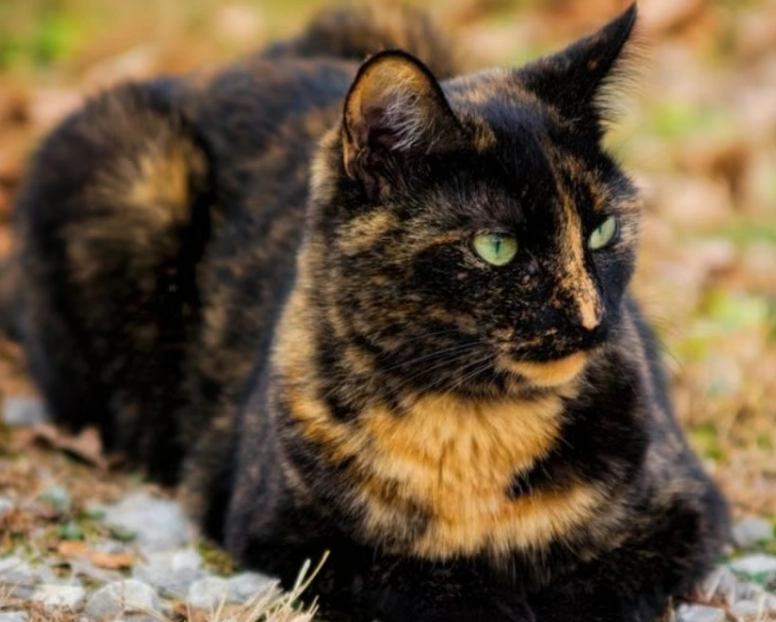
Bottom Line: If the initial tortie cat male price stretches your budget to its limit, you may not be ready for the long-term financial commitment of responsible pet ownership. The adoption fee or purchase price should be a fraction of what you're prepared to spend on their life.
Common Questions (And Straight Answers)
Final Thoughts: It's About the Cat, Not the Price
Chasing the tortie cat male price as a primary goal misses the point of pet ownership. You're seeking a companion for potentially two decades.
The most ethical, rewarding, and likely path to sharing your life with one of these special cats is through adoption. Check those shelter listings, be patient, and be ready. You might just save a wonderful, rare life that needs a home.
If you go the purebred breeder route, do it for love of the breed first. Let the tortoiseshell male be a wonderful, unexpected bonus if it happens.
And whatever you do, budget for the life, not just the purchase. The true cost of a male tortie cat isn't the number on a check. It's the years of food, vet visits, playtime, and companionship. That's the investment that really matters.
Good luck in your search. I hope you find the perfect feline friend, whether he's a patchwork marvel or a sleek solid color. The right cat finds you, often when you least expect it.