That little panther prowling your living room isn't a miniature wildcat—it's likely a Black American Shorthair cat, one of the most common and yet profoundly misunderstood feline companions. I've lived with two of these glossy shadows, and let me tell you, the internet's generic descriptions barely scratch the surface. They're not just "friendly" or "easy-going"; they're a specific blend of dignified independence and sneaky affection that makes them perfect for so many homes. But there are nuances, mistakes new owners make, and care specifics for that stunning black coat that most guides gloss over.
What's Inside?
- What Exactly Is a Black American Shorthair Cat?
- The Real Personality: More Than Just a Lap Cat
- How to Care for Your Black American Shorthair Cat
- Health Issues You Need to Know About
- Training and Behavior: They're Smarter Than You Think
- Beyond the Superstition: Myths and Adoption Tips
- Finding Your Shadow: How to Choose a Kitten or Cat
What Exactly Is a Black American Shorthair Cat?
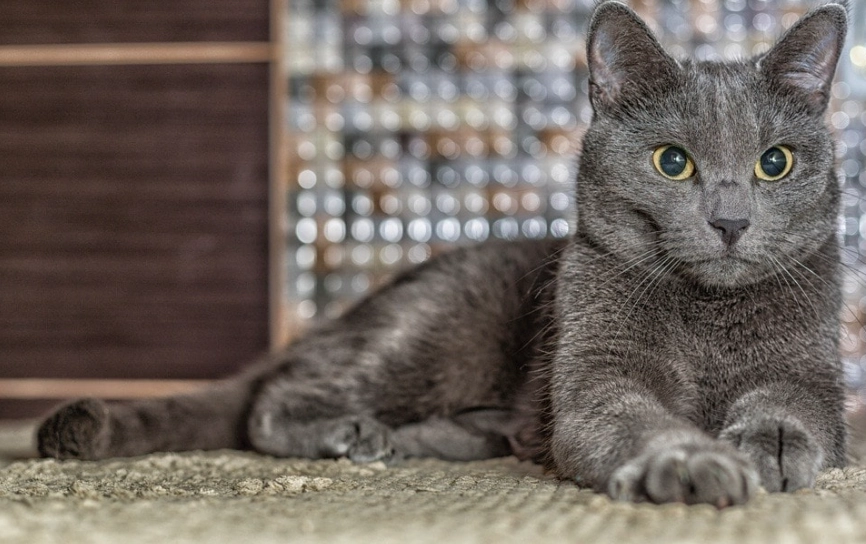
Let's clear this up first. "Black American Shorthair" isn't a separate breed. It's an American Shorthair cat—a purebred with a strict standard set by cat registries like the Cat Fanciers' Association (CFA)—that happens to have a solid black coat. The key is the breed. A random black cat from a shelter is a Domestic Shorthair (a wonderful pet, but not a pedigreed American Shorthair).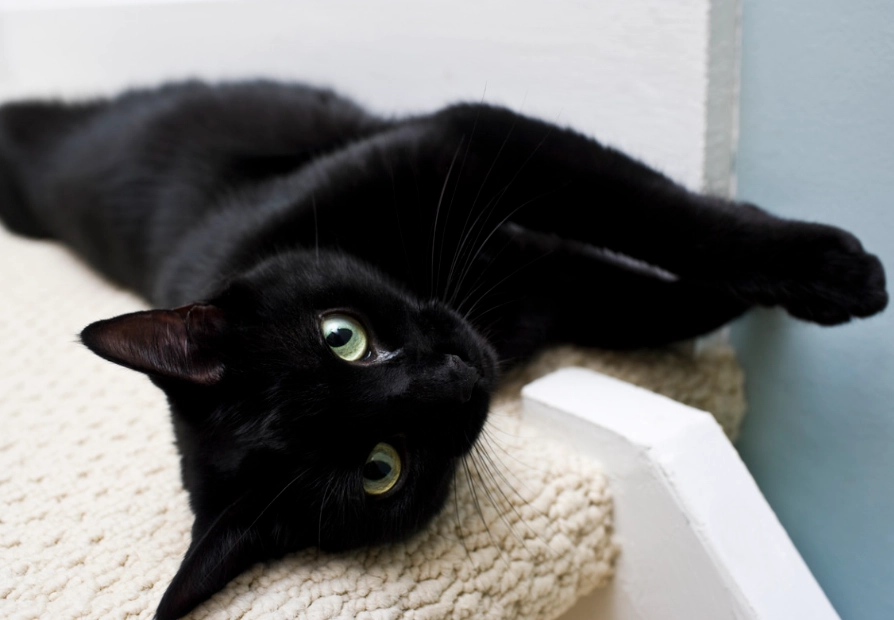
The breed standard is specific. We're talking about a medium to large, powerfully built cat, not a dainty one. Males can weigh 11-15 pounds, females 8-12 pounds. They have a broad chest, muscular shoulders, and a strong jaw. The head is round with full cheeks. For the black variety, the coat must be coal black from root to tip, with no rusty tinge, no white hairs, and no ghost tabby markings. The paw pads and nose leather are black. The eyes are one of their most stunning features—a brilliant gold or copper that pops against the dark fur.
This breed has history. They're descended from cats that came over on European ships to protect cargo from rodents. The International Cat Association (TICA) notes their working origins, which explains their robust health and practical, no-fuss nature.
The Real Personality: More Than Just a Lap Cat
Forget the aloof cat stereotype. American Shorthairs, including the black ones, are famously even-tempered and adaptable. But "friendly" is too vague. Here's the real breakdown from living with them.
They're affectionate on their own terms. Don't expect constant lap-sitting. My black male, Onyx, would follow me from room to room, plopping down a few feet away. He wanted to be near me, involved, but not necessarily on me. He'd demand pets when I was working, then wander off when satisfied. It's a companionship of proximity.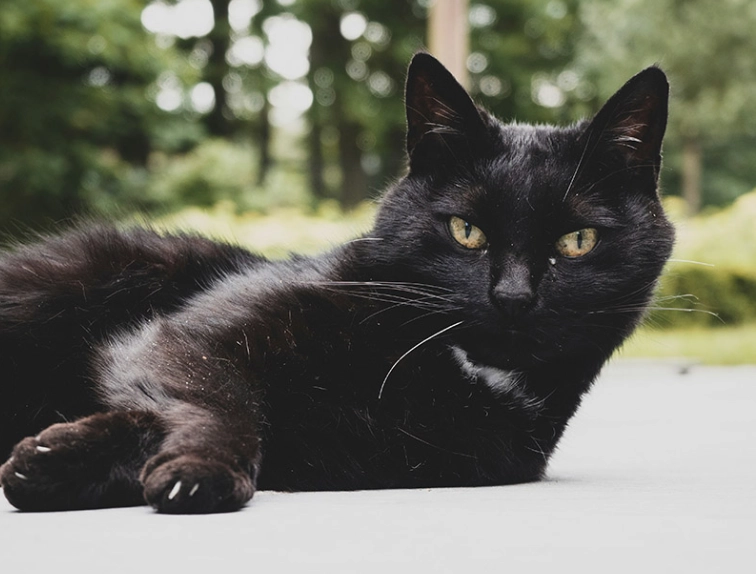
They're playful but not hyper. A good 15-20 minute play session with a wand toy or a chased ball twice a day usually satisfies them. They retain a playful mouse-hunting pounce well into adulthood. I've watched mine stare at a bug on the window with terrifying focus for minutes, then lose interest completely—a hilarious contrast.
They're fantastic with families. Their sturdy build means they can handle gentle, respectful children. They're not typically skittish or easily stressed by normal household noise. With other pets, they tend to be tolerant, especially if introduced properly. They're not usually the instigators of conflict.
The one trait nobody talks about enough? Their quiet intelligence. They figure things out. Cupboard doors, puzzle feeders, your daily schedule. They're observers.
How to Care for Your Black American Shorthair Cat
They're called "low-maintenance," but that's relative. A Persian they are not, but that beautiful black coat and overall health need specific attention.
Grooming: The Secret to That Patent-Leather Shine
Weekly brushing is perfect. Use a stainless steel comb or a rubber grooming brush like a Kong ZoomGroom. It removes loose hair, distributes skin oils, and feels like a massage to them. The big mistake? Over-bathing. You almost never need to bathe a healthy American Shorthair. It can dry out their skin. For a show-ready shine, some breeders use a chamois cloth to buff the coat after brushing.
Black fur shows dandruff more easily. If you see flakes, it's often a diet issue, not a grooming one. Look at their food.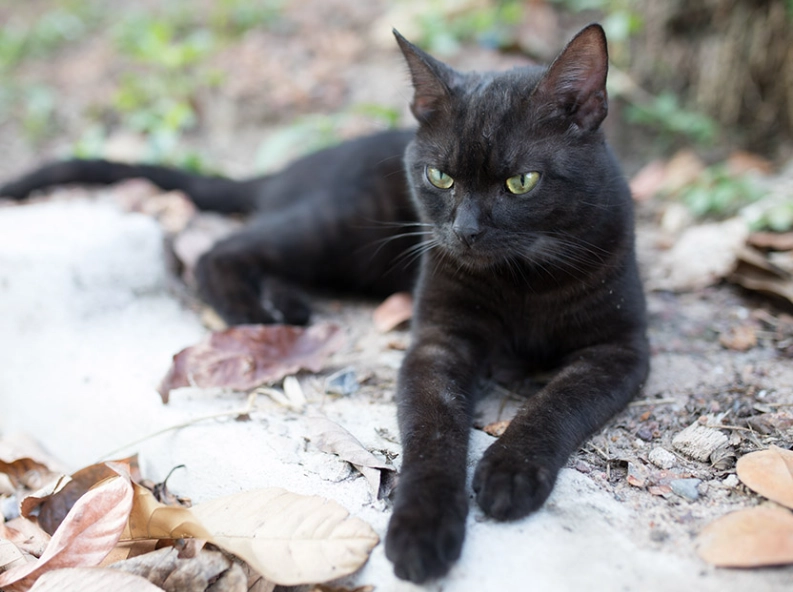
| Care Aspect | Specifics for Black American Shorthair | Common Mistake to Avoid |
|---|---|---|
| Brushing | Once a week with a comb. Increases during spring/fall shedding. | Using a harsh slicker brush that only touches the topcoat. |
| Bathing | Rarely needed. Only if they get into something dirty. | Bathing monthly "to keep them shiny," which strips natural oils. |
| Nail Trimming | Every 2-3 weeks. Black nails make the quick hard to see—shine a flashlight behind the nail. | Cutting too short and hitting the quick, causing pain and bleeding. |
| Eye & Ear Care | Wipe corners of eyes with a damp cloth if needed. Check ears monthly for dirt. | Using cotton swabs inside the ear canal, which can push debris deeper. |
Diet and Nutrition
This is the most critical part of coat health. That deep, shiny black comes from within. Feed a high-quality, protein-rich diet. Look for named meat sources (chicken, salmon, turkey) as the first ingredients. Foods rich in omega-3 and omega-6 fatty acids support skin and coat health. Many owners swear by adding a little wet food to their diet for extra hydration.
Portion control is key. This breed has a good appetite and can become overweight if free-fed. Measure their meals. An adult typically does well on 1/4 to 1/2 cup of high-quality dry food twice a day, adjusted for activity level. Your vet can give you a precise calorie count.
Health Issues You Need to Know About
American Shorthairs are generally healthy, with a lifespan of 15-20 years. The black color itself doesn't cause health problems. However, the breed has some known predispositions.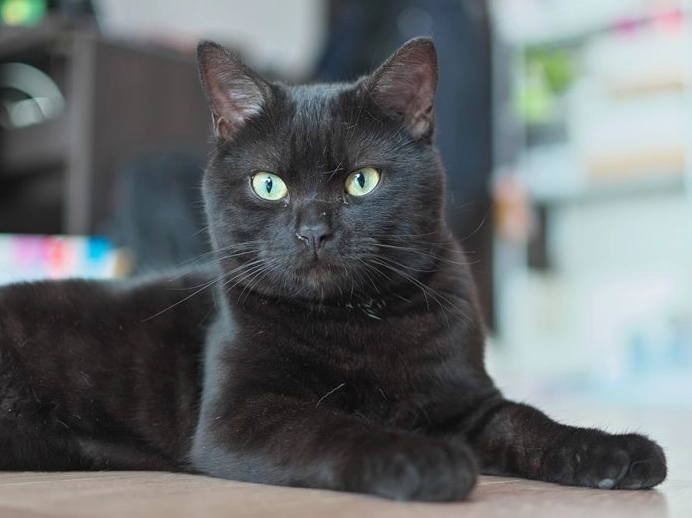
Hypertrophic Cardiomyopathy (HCM): This is a thickening of the heart muscle and is the most significant genetic concern. Reputable breeders screen their breeding cats for HCM via echocardiograms. When getting a kitten, ask for proof of parent screening. The American Veterinary Medical Association (AVMA) recognizes HCM as a common feline heart disease.
Dental Disease: They can be prone to gingivitis and plaque buildup. Start a dental care routine early—tooth brushing (with cat toothpaste), dental treats, or water additives. Annual vet check-ups should include a dental exam.
Other than that, watch for the usual feline issues: obesity, which stresses joints, and urinary tract health. Ensure they drink plenty of water. A cat water fountain can encourage this.
Routine vet care is non-negotiable: annual exams, core vaccinations, and parasite prevention. Spaying/neutering is essential unless you are a responsible breeder.
Training and Behavior: They're Smarter Than You Think
You can train them. Really. They are food-motivated and intelligent.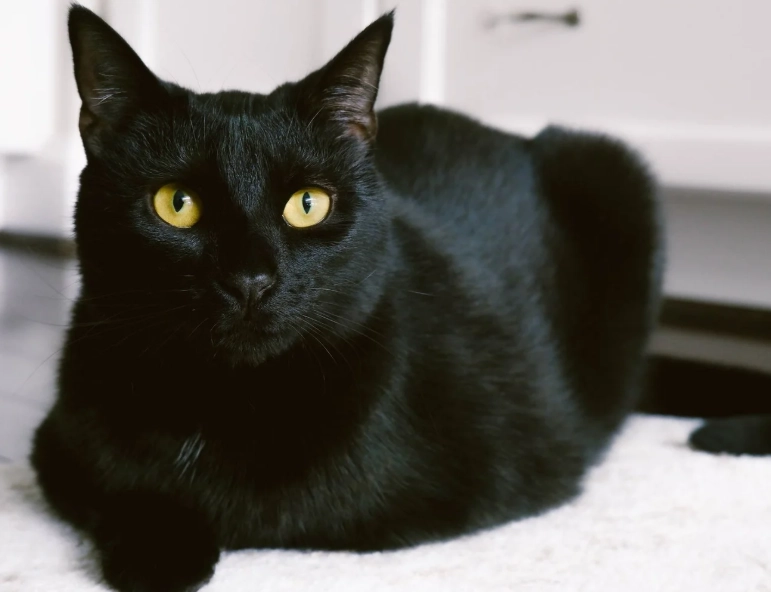
Clicker training works wonders for teaching fun tricks like "sit," "high-five," or coming when called. It also provides mental stimulation. Keep sessions short, 2-3 minutes, and always end on a success.
Provide vertical space. Cat trees, shelves, perches by windows. They enjoy surveying their domain from up high. Scratching posts are a must—sisal rope ones are often favorites. Place them near where they sleep or in high-traffic areas.
Address any behavioral issues early. If they start scratching furniture, redirect to a post. If they seem bored, introduce puzzle feeders or hide treats around the house. They rarely develop severe behavioral problems if their basic needs (play, territory, scratching) are met.
Beyond the Superstition: Myths and Adoption Tips
The "black cat bad luck" superstition is nonsense, but it sadly affects adoption rates. Shelters often report that black cats wait longer for homes. It's a travesty because they are just as loving, playful, and loyal as any other cat.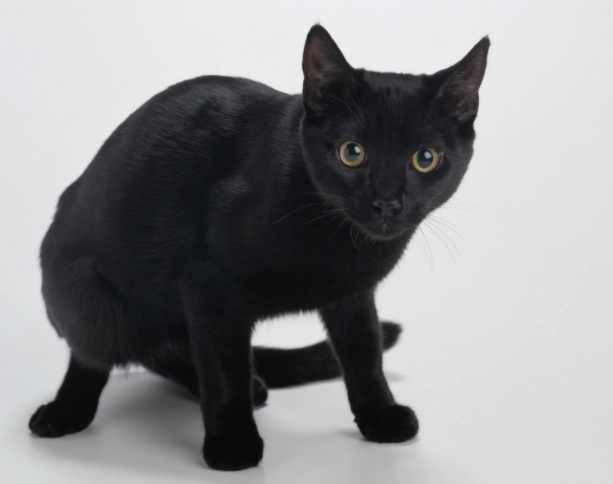
If you're adopting a black Domestic Shorthair from a shelter (which I highly recommend), you're getting a cat with that wonderful, sturdy, friendly shorthair temperament, just without the pedigree paperwork. The experience will be remarkably similar.
Photographing black cats for adoption: This is a pro tip. Take pictures in bright, natural light. Get down on their level. A toy or treat can grab their attention and make their stunning eyes light up. Capture their personality—a playful pounce, a gentle head bump.
Finding Your Shadow: How to Choose a Kitten or Cat
From a Breeder: If your heart is set on a pedigreed Black American Shorthair, do your homework. Find a CFA or TICA registered breeder who prioritizes health and temperament. They should: • Provide health clearances for HCM and other genetic conditions. • Raise kittens in the home, socialized with people. • Ask you questions to ensure you're a good fit. • Never have kittens available 24/7; expect a waiting list. Visit the cattery if possible. A good breeder is a resource for the cat's entire life.
From a Shelter/Rescue: You can find purebreds sometimes, but more often you'll find amazing black Domestic Shorthairs. Spend time with the cat. Look for one that is curious, approaches you, and seems comfortable being handled. Ask about their known history and behavior.
Kitten or adult? Kittens are a whirlwind of energy. Adults (1+ years) have settled personalities—what you see is what you get. For many people, a calm, affectionate adult black cat is the perfect choice.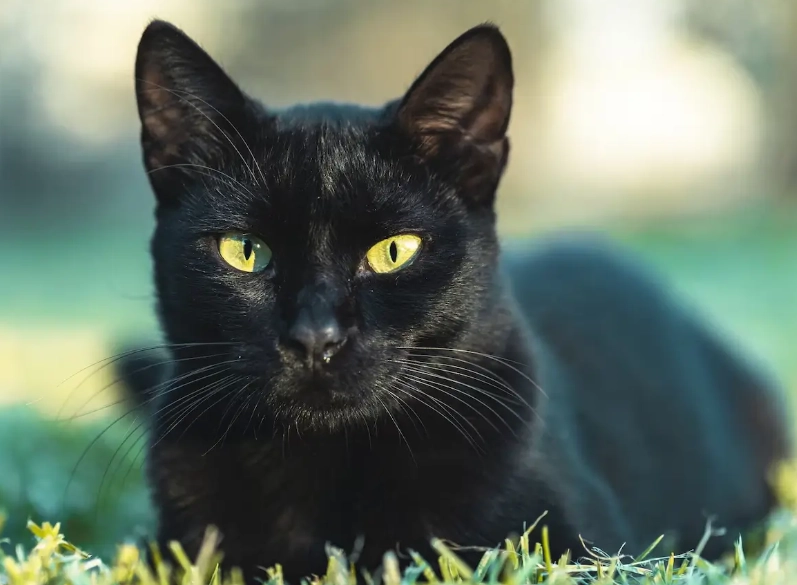
Your Black American Shorthair Questions Answered
Is a Black American Shorthair Cat the Right Pet for Me?
They're a fantastic choice for first-time owners, families with respectful children, and people who want an affectionate but independent companion. Their easy-going nature and moderate energy level fit well in apartments and houses. However, if you're looking for a constantly lap-bound, ultra-high-energy cat that needs hours of play, you might find them too self-sufficient.
What's the #1 Secret to Keeping a Black Cat's Coat Shiny?
It's not just about brushing. The real secret is diet. A high-quality, protein-rich diet with omega-3 and omega-6 fatty acids is non-negotiable for that patent-leather shine. Topical products can't compensate for poor nutrition from the inside out. Look for foods where named meat (like chicken, salmon) is the first ingredient.
Do Black American Shorthairs Have Unique Health Problems?
Their color doesn't cause specific diseases, but their breed type has predispositions. The most critical one to watch is Hypertrophic Cardiomyopathy (HCM). Reputable breeders screen their breeding stock for this. Also, because dental issues are common, establishing a teeth-cleaning routine early is more important than with some other breeds.
How Can I Help My Black Cat Get Adopted If They're in a Shelter?
Photography is everything. Take pictures in bright, natural light to capture the green or gold hues in their eyes and the subtle sheen of their coat. Avoid dark corners. In the description, emphasize their wonderful personality traits—their loyalty, playful moments, and affectionate nature—to directly combat the outdated "black cat superstition" narrative.
At the end of the day, a Black American Shorthair—whether a pedigreed champion or a beloved shelter rescue—offers a unique kind of friendship. They're the quiet companion in the sunbeam, the sleek shadow that follows you, and the gentle purr at the end of a long day. They ask for little but give so much in return. Just be prepared for the occasional surprise when you almost sit on them because they've perfectly camouflaged themselves on your black office chair.