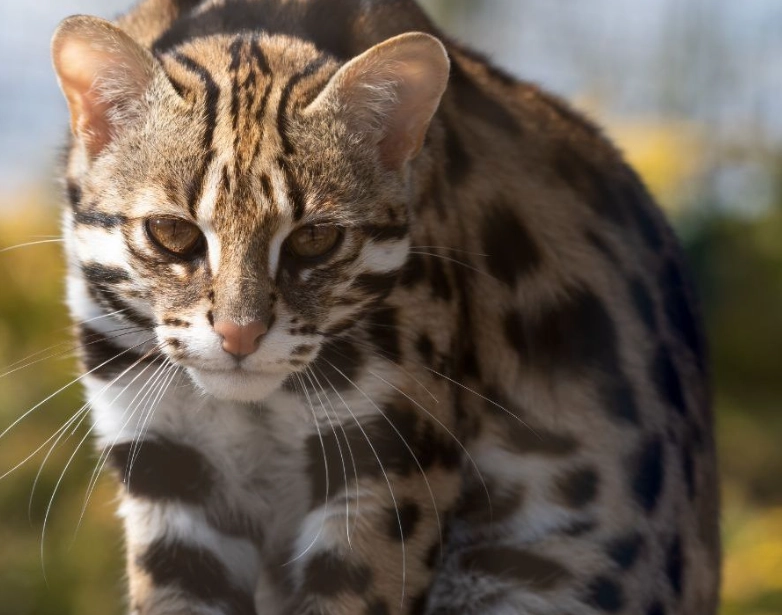
If you've ever wondered about the actual size of a leopard cat, you're not alone. The term "leopard cat" can be confusing—it sounds like it might be a miniature leopard, but that's not quite right. I've spent years observing small wild felids, and one of the most common misconceptions is underestimating them. So, let's clear it up: a wild Asian leopard cat (Prionailurus bengalensis) is typically larger and more robust than the average domestic house cat. They're not the tiny, delicate creatures some pictures might suggest. Their size is a perfect adaptation to their life in the forests and grasslands of Asia.
Quick Navigation
Leopard Cat Size and Weight: The Numbers Explained
Let's get specific. When we talk about leopard cat size, we're looking at three key metrics: body length, tail length, and shoulder height, culminating in total weight. These aren't random numbers; they come from field studies and records from institutions like the IUCN Red List and wildlife research papers.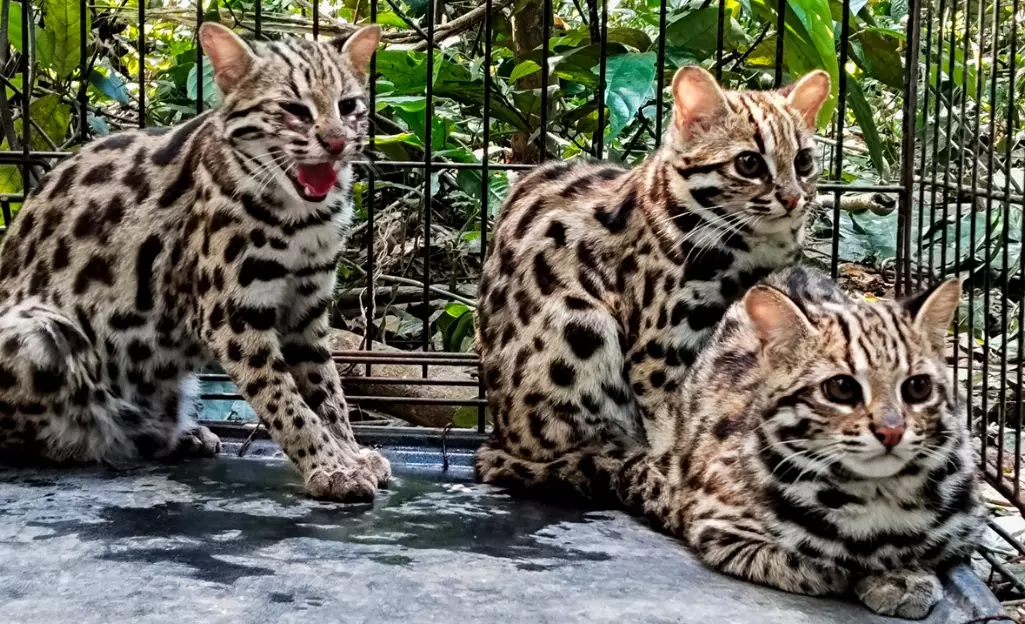
The Core Range: An adult leopard cat's body (head to base of tail) measures between 45 to 65 cm (18 to 26 inches). Its distinctive, thick tail adds another 20 to 30 cm (8 to 12 inches). At the shoulder, they stand about 25 to 30 cm (10 to 12 inches) tall. Put it all together, and their total length (nose to tail tip) can reach nearly 1 meter (40 inches).
Weight is where things get really interesting and show more variation. A healthy adult leopard cat typically weighs between 2 to 5 kg (4.4 to 11 lbs). But here's the nuance most generic articles miss: this range isn't evenly distributed. Most adult cats you'd encounter fall firmly in the 3 to 4 kg (6.6 to 8.8 lbs) bracket. The 5 kg specimens are outliers, often large males from northern populations.
Size Variations Across Their Range
Leopard cats have one of the widest distributions of any Asian wild cat, from the Russian Far East down to Indonesia. Unsurprisingly, their size follows a pattern known as Bergmann's rule—animals tend to be larger in colder climates. This isn't just textbook theory; it's visibly apparent.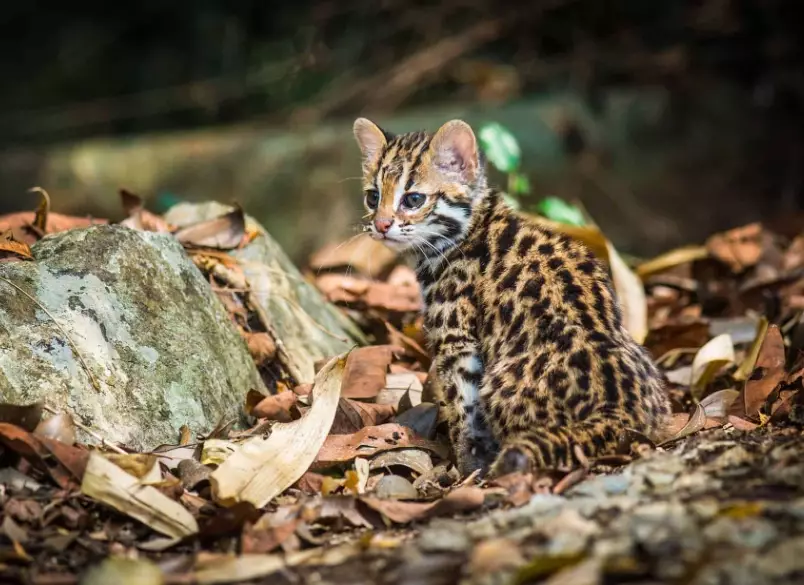
| Region / Subspecies | Typical Weight Range | Size Notes |
|---|---|---|
| Russian Far East / North China (P. b. euptilura) |
3.5 - 5 kg (7.7 - 11 lbs) | The largest subspecies. Thicker fur, more robust build to conserve heat. |
| Mainland Southeast Asia (P. b. bengalensis) |
3 - 4.5 kg (6.6 - 9.9 lbs) | The "standard" or most common size reference. |
| Sunda Islands (e.g., Borneo, Java) (P. b. sumatranus etc.) |
2 - 3.5 kg (4.4 - 7.7 lbs) | Generally smaller and more slender, an adaptation to tropical forests. |
I remember reviewing camera trap data from a project in Thailand versus one in Nepal. The cats in the cooler Himalayan foothills were consistently, noticeably stockier and heavier-boned than their cousins in the central Thai forests, even though both were technically the same subspecies. It's a subtle but key detail for accurate identification.
How Does a Leopard Cat's Size Compare to a House Cat?
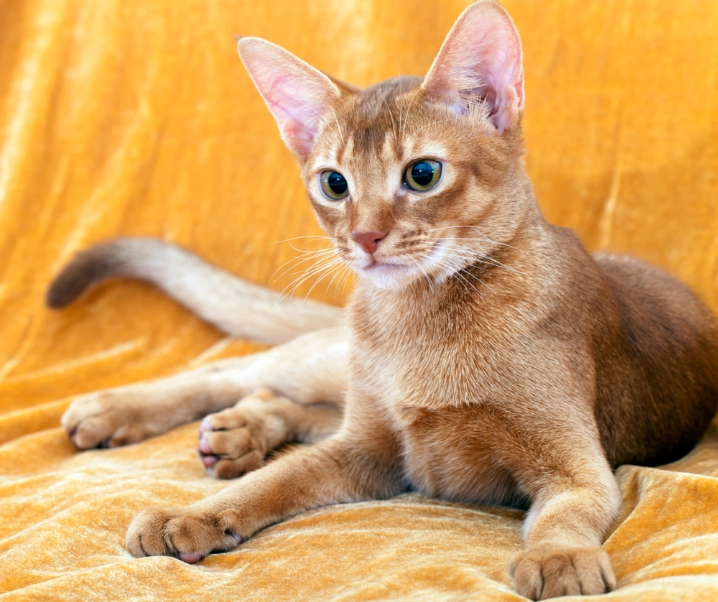
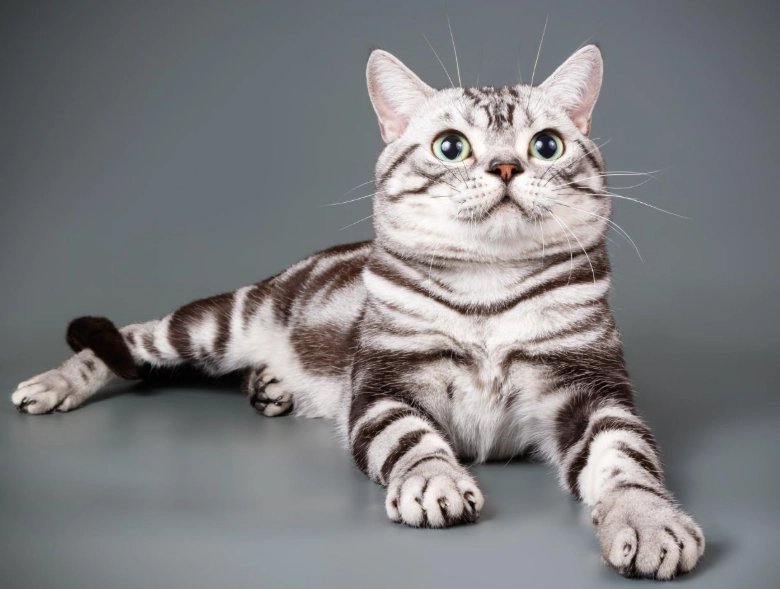
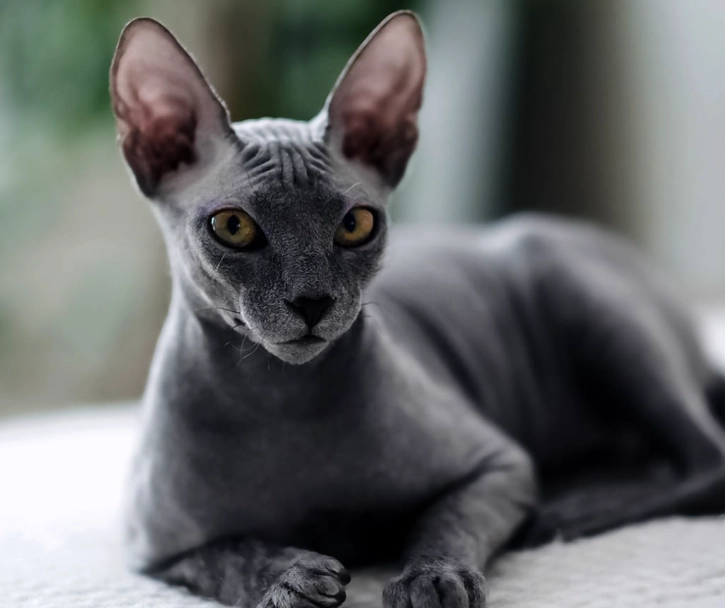
This is the comparison everyone wants. The short answer: a leopard cat is deceptively bigger. A common mistake is to see a spotted cat and think "house cat." Side-by-side, the differences are pronounced.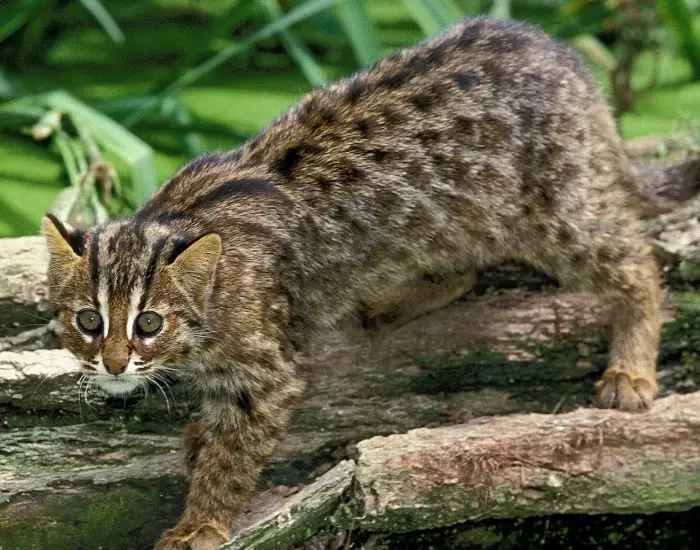
Body Structure: A leopard cat has longer legs relative to its body. Its build is rangier and more athletic, less compact than a typical domestic shorthair. The chest is deeper, suggesting greater lung capacity for stamina.
The Tail Tale: This is a dead giveaway. A leopard cat's tail is thick, muscular, and about half the length of its body. It's a balancing tool for climbing and navigating narrow branches. A domestic cat's tail is often thinner and proportionally shorter.
Weight Reality Check: The average domestic cat weighs 4-5 kg (9-11 lbs). So, a large male leopard cat might weigh the same as a chunky tabby. But here's the non-consensus part: density matters more than the number on the scale. A 4 kg leopard cat is pure, lean muscle and bone. A 4 kg house cat often carries a layer of body fat, especially if it's an indoor pet. The leopard cat will feel heavier, stronger, and more substantial for its size.
Think of it like comparing a marathon runner and a person of the same weight who goes to the gym occasionally. The scale might say the same, but the body composition and strength are worlds apart.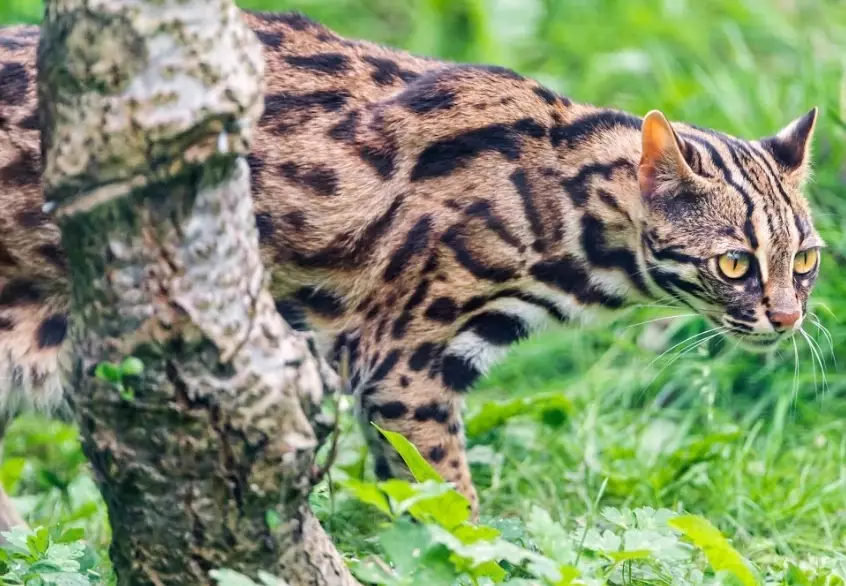
What Factors Affect a Leopard Cat's Size?
Beyond geography, several other elements influence how big an individual leopard cat gets.
Sexual Dimorphism: Males are larger than females. It's not a dramatic difference, but it's consistent. A male might be 10-25% heavier than a female from the same area. This is common in wild felids, related to competition for territory and mates.
Prey Availability & Season: A leopard cat living in a rich, protected forest with abundant rodents and birds will reach its full genetic size potential. One struggling at the edge of farmland may be smaller. In temperate zones, weight can fluctuate seasonally—they might bulk up slightly before winter.
Age: Like all cats, leopard cats aren't born big. Kittens are tiny, around 100 grams at birth. They grow rapidly, reaching near-adult size by 8-10 months, but may continue to fill out (gain muscle mass, not skeletal size) until they are about 1.5 to 2 years old.
A point rarely discussed: hybridization with domestic cats. In areas where habitats overlap, interbreeding can occur. These hybrids can blur size lines, sometimes falling between wild and domestic dimensions. It's a conservation concern that complicates pure size data.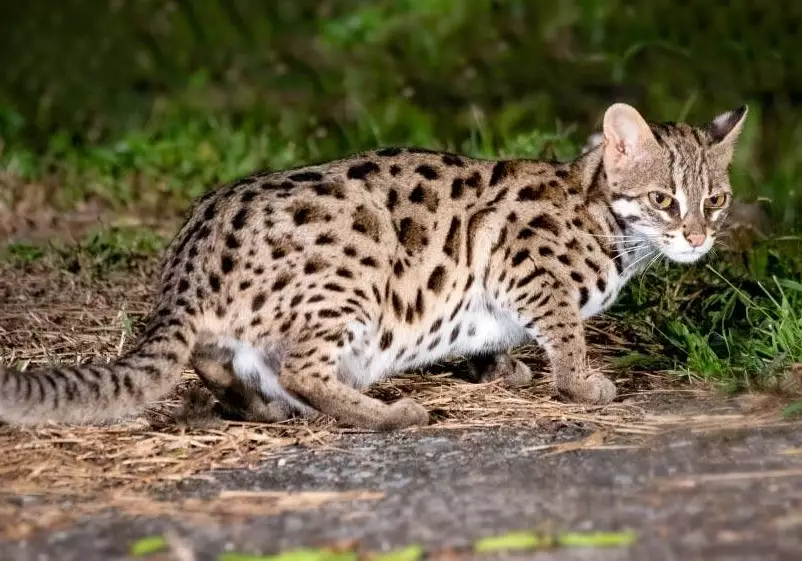
Why Size Matters: Leopard Cat Size in the Wild
Their size isn't an accident. It's a precision tool for survival.
Predation: Their medium-small size makes them perfect predators of animals like rats, mice, birds, and lizards. They're agile enough to climb trees for nests and powerful enough to take down a hare or a young muntyac. Their weight provides the force behind a killing bite, but their lean frame allows for stealth and speed.
Prey Avoidance: Being larger than a weasel but smaller than a leopard means they can exploit a niche. They can escape from larger predators like dholes or eagles by climbing trees or slipping into dense thickets where bigger pursuers can't follow. Their size is their escape plan.
Thermoregulation: As mentioned, the larger size in northern populations (more mass, lower surface-area-to-volume ratio) helps retain heat. The smaller size in the tropics helps dissipate it.
From a conservation standpoint, understanding their size helps in setting appropriate camera traps, designing enclosures for rescued animals, and even identifying remains or skins in the illegal wildlife trade. A skin stretched to 80 cm is almost certainly from a large leopard cat, not a domestic one.