Key Insights
- The Foundation: What Makes a Ragdoll a Ragdoll?
- The Invisible Cost Breakdown: Where Does Your Money Actually Go?
- Beyond the Basics: Other Factors That Inflate the Price
- The Red Flags: Why a "Cheap" Ragdoll is the Most Expensive Choice
- The Hidden Costs of Ragdoll Ownership (Beyond the Kitten Price)
- How to Find a Reputable Breeder (It's Not Just About Price)
- Common Questions (The Stuff You're Secretly Searching)
- Final Thoughts: It's an Investment, Not Just a Purchase
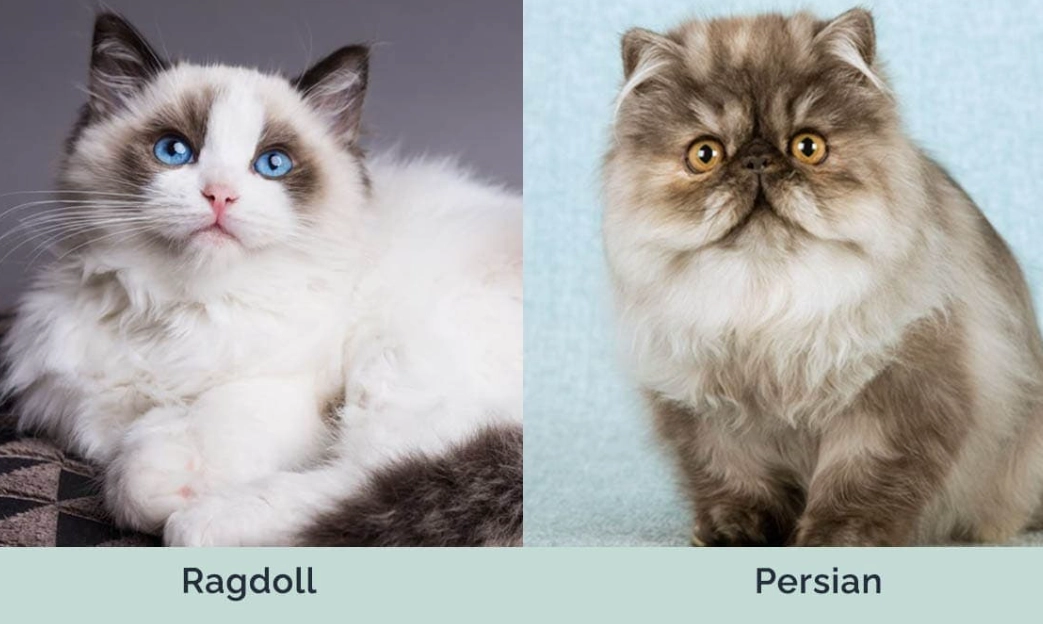
So you've fallen in love with the Ragdoll. Those stunning blue eyes, that plush semi-longhair coat, and that legendary relaxed temperament—they just melt in your arms. Then you start looking at prices. And your own jaw goes a bit slack. A Ragdoll kitten can easily cost anywhere from $1,200 to $2,500, sometimes even more for specific colors or from top-tier breeders. It's a serious investment, often more than many purebred dogs.
It's the first question that pops into anyone's mind: Why are Ragdoll kittens so expensive? Is it just hype, or is there substance behind that price tag? I remember when I first started researching breeds, the Ragdoll price stopped me cold. I thought, "It's a cat. How complex can it be?" Well, after years of talking to breeders, owners, and veterinarians, I've learned it's incredibly complex. The price isn't arbitrary; it's a direct reflection of the immense amount of work, cost, and ethical responsibility that goes into producing a healthy, well-socialized kitten. Let's unpack it all, layer by layer.
The Bottom Line Up Front: The high cost of a Ragdoll kitten isn't about making a quick profit. It's primarily about recovering the substantial expenses of ethical, health-focused breeding and the years of dedication required to maintain breed standards and temperament. A low price is often a major red flag.
The Foundation: What Makes a Ragdoll a Ragdoll?
You can't understand the cost without understanding what you're paying for. The Ragdoll is a relatively young breed, developed in California in the 1960s by Ann Baker. Their defining characteristics aren't just cosmetic; they're baked into a specific breeding standard maintained by major cat registries like The Cat Fanciers' Association (CFA) and The International Cat Association (TICA).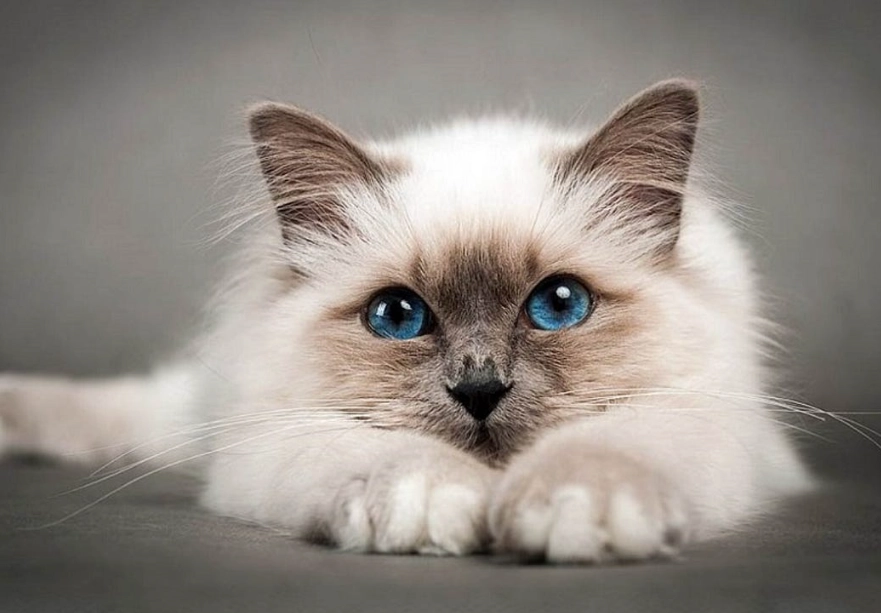
It's not just about getting a cat that's sort of fluffy and sort of friendly. Reputable breeders are aiming for a precise package:
- Temperament: This is the #1 trait. Ragdolls are famed for their docile, affectionate, and relaxed nature. They tend to go limp when held (hence the name), are often described as "puppy-like" in their tendency to follow people around, and are generally not aggressive or overly skittish. Breeding for this consistency is a huge challenge. It's not a guarantee with every single cat, but ethical breeders select breeding stock heavily based on personality.
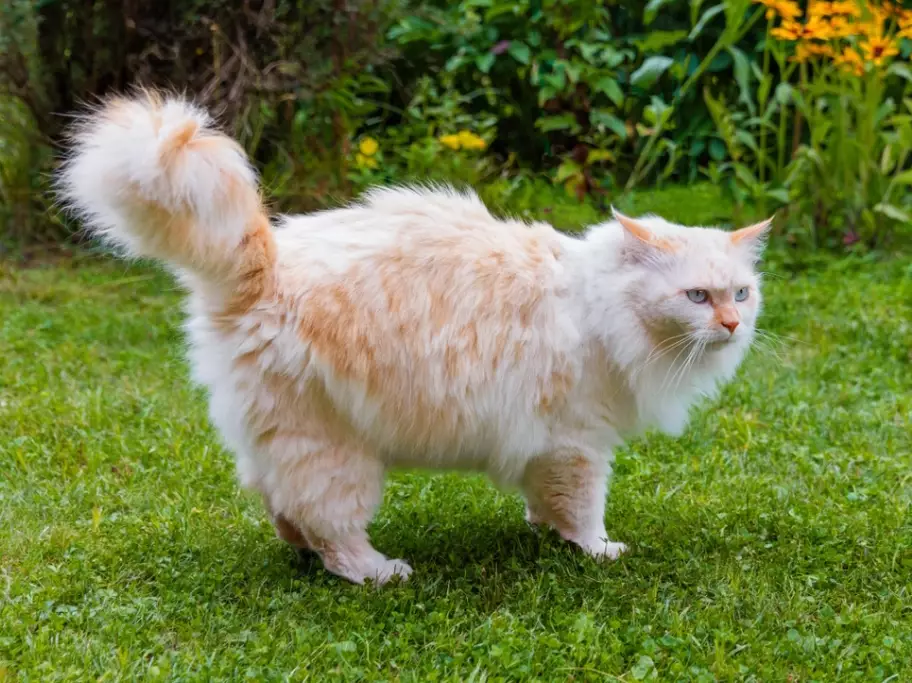
- Physical Conformation: Large, muscular bodies (males can be 15-20 lbs), striking blue eyes (always blue), a semi-long, silky coat that mats less than other longhairs, and specific color patterns (colorpoint, mitted, bicolor). Achieving all these traits together in a healthy animal requires careful genetic selection over generations.
- Health Profile: A well-bred Ragdoll should have a robust genetic foundation. This is where a massive chunk of the breeder's costs and efforts go, which directly answers the core question of why are Ragdoll kittens so expensive.
The Invisible Cost Breakdown: Where Does Your Money Actually Go?
This is the heart of the matter. When you buy a kitten from a responsible breeder, you're not just paying for a 12-week-old cat. You're contributing to a long, expensive process that started years before that kitten was born. Let's break down the major cost drivers.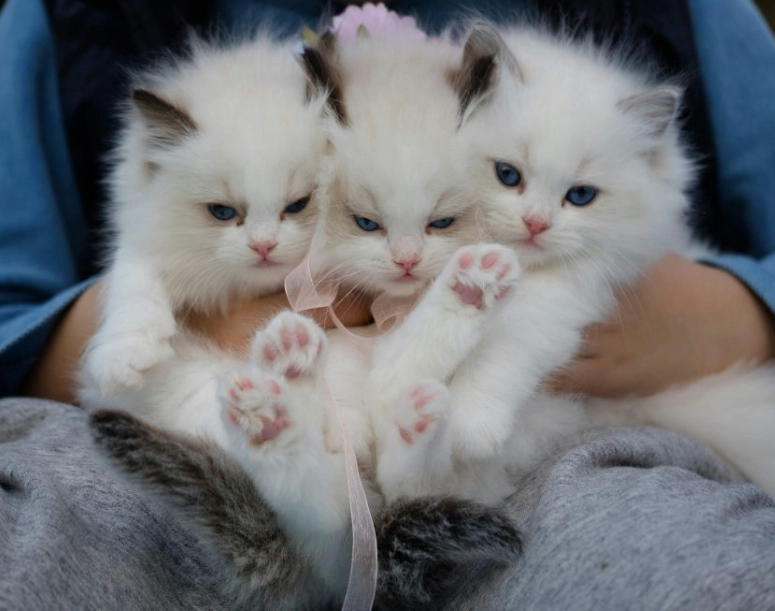
1. The Upfront Investment in Breeding Stock
A reputable breeder doesn't just pick two pretty cats and let them mate. They start with exceptional foundation cats. Purchasing a show-quality, health-tested female (queen) from an established, ethical lineage can cost $2,000 to $3,500 or more. Males (studs) are equally expensive. Sometimes breeders use outside studs, which involves hefty stud fees, often ranging from $800 to $1,500 per mating.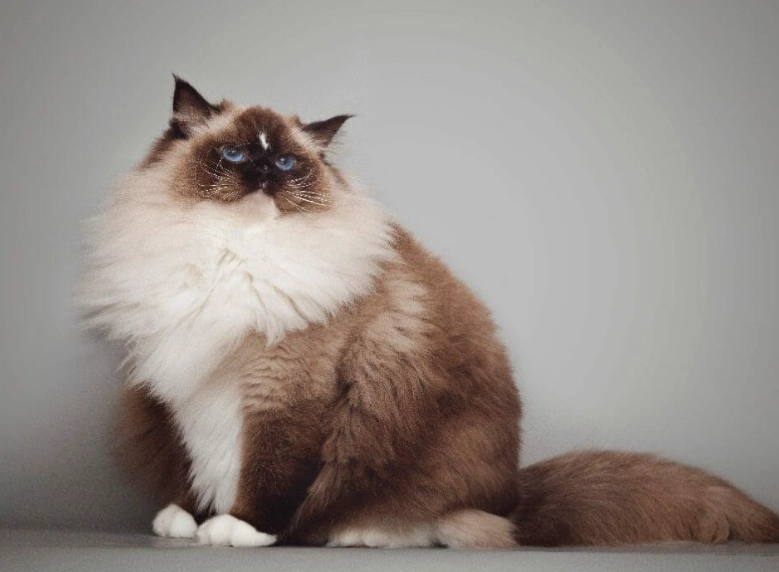
This is the first major filter. Backyard breeders or kitten mills skip this. They use cheap, unproven, and often untested cats, which is why their kittens can be sold for $500. You're paying for generations of good genetics upfront.
2. Health Testing: The Non-Negotiable Expense
This is, in my opinion, the single most critical factor justifying the price and the clearest line between an ethical breeder and an irresponsible one. Ragdolls, like all purebreds, are prone to certain genetic health conditions. The big ones are:
- Hypertrophic Cardiomyopathy (HCM): A serious heart disease. Responsible breeders test their breeding cats annually via echocardiograms performed by a veterinary cardiologist. This test alone can cost $300-$600 per cat, per year. Breeders should provide proof of these clear scans. Organizations like the VCA Animal Hospitals provide good overviews of the condition.
- Polycystic Kidney Disease (PKD): While more common in Persians, responsible Ragdoll breeders test for it via DNA test or ultrasound to rule it out.
- Genetic DNA Testing: Panels that screen for multiple genetic diseases and traits (like color) are standard. Companies like Wisdom Panel or UC Davis are commonly used. Testing each breeding cat can cost hundreds.
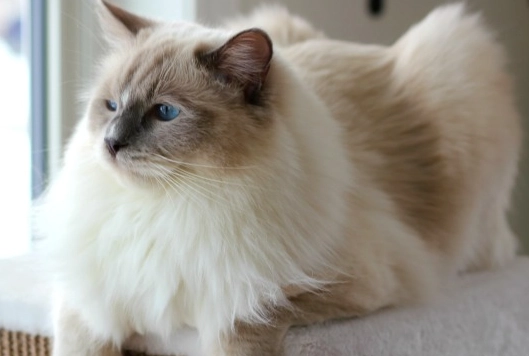
A Crucial Point: A breeder who says "my cats are healthy, no testing needed" is a breeder to run from. Health testing is preventative medicine for the breed's future, not an optional extra. The cost of these tests is factored into the price of every kitten. This is a fundamental reason why Ragdoll kittens are so expensive from good breeders.
3. The Costs of Pregnancy & Kitten Rearing
This is a relentless cycle of expenses from conception to adoption.
| Expense Category | What It Involves | Estimated Cost (Per Litter) |
|---|---|---|
| Prenatal & Whelping Care | High-quality food for queen, potential vet check-ups, supplements, safe whelping area setup. | $200 - $500 |
| Veterinary Care for Kittens | This is huge. Deworming (multiple rounds), vaccinations (FVRCP series), microchipping, and a thorough pre-adoption health check. | $300 - $800+ |
| High-Quality Nutrition | Kitten formula (if needed), premium weaning food, constant supply for growing kittens and nursing mom. | $150 - $400 |
| Registration & Paperwork | Registering the litter with CFA/TICA, preparing kitten contracts, pedigree certificates. | $50 - $150 |
| Miscellaneous & Contingency | Litter, toys, cleaning supplies, utilities for dedicated space, emergency vet fund. | $200 - $500 |
And that's just the tangible stuff. It doesn't account for the single biggest investment: time.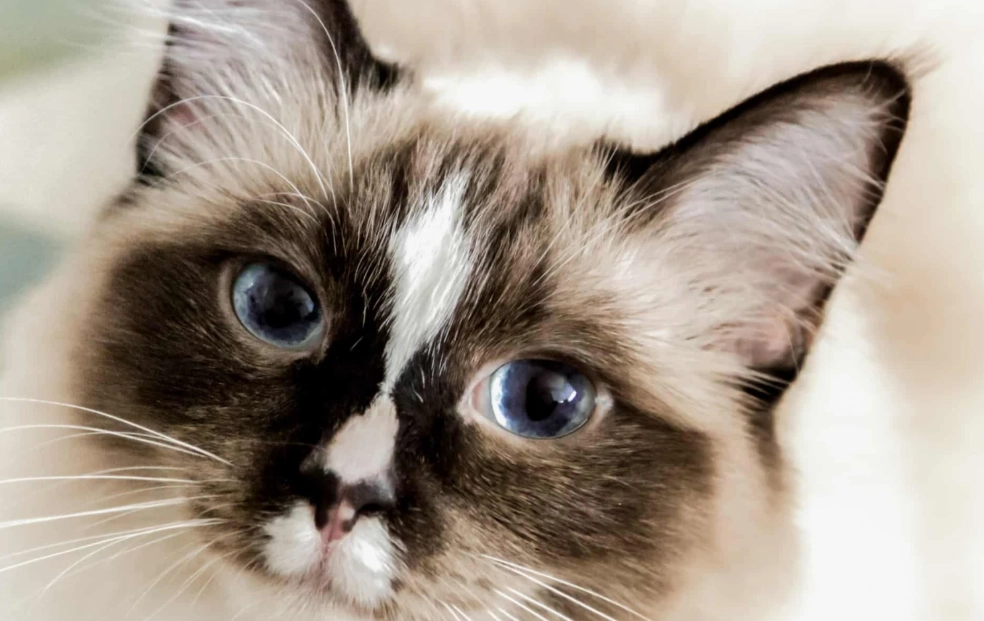
4. The Immense Investment of Time and Socialization
Ethical breeders don't keep kittens in a cage in a basement. The kittens are raised underfoot—in the living room, the kitchen, the heart of the home. This critical socialization period (3 to 12 weeks) shapes their future personality.
A responsible breeder is:
- Handling the kittens multiple times daily from birth.
- Exposing them to various household sounds (vacuum, TV, music), people (adults, children if safe), and experiences.
- Litter box training them meticulously.
- Introducing them to different textures and toys.
- Teaching basic manners (like not biting during play).
This is a 24/7 job for weeks. It's labor-intensive, emotionally draining, and absolutely priceless. A well-socialized kitten from this environment transitions into your home with far fewer behavioral issues. That peace of mind and head start on a great relationship is part of what you're buying.
Beyond the Basics: Other Factors That Inflate the Price
So we've covered the core costs. But a few other things can push the price up or down.
Breeder Reputation and Location
A breeder with a decades-long reputation for producing healthy, temperamentally sound cats who regularly show and title their cats in CFA/TICA shows can command higher prices. They've proven their program. Location matters too—breeders in areas with a higher cost of living often have higher prices to cover their own overhead.
Color, Pattern, and "Pet" vs. "Breeding/Show" Quality
Most kittens sold are "pet quality." This means they are perfectly healthy and wonderful companions but may have a minor cosmetic flaw (a white spot in the wrong place, eye color not deep enough) that means they don't meet the strict "show standard." These are usually sold with a spay/neuter contract.
"Show" or "breeding" quality kittens, which perfectly exemplify the breed standard, are rarer and much more expensive. Certain rarer colors (like flame point or chocolate) might also carry a premium due to their genetic scarcity.
The Scarcity Principle and Demand
Let's be real: economics 101. Ragdolls are incredibly popular. Their looks and temperament are a massive draw. Ethical breeders have limited capacity—a queen should only have a few litters in her lifetime, and she's out of commission for months during pregnancy and rearing. High demand + limited, responsibly produced supply = higher prices. It's simple math.
But wait, you might be thinking...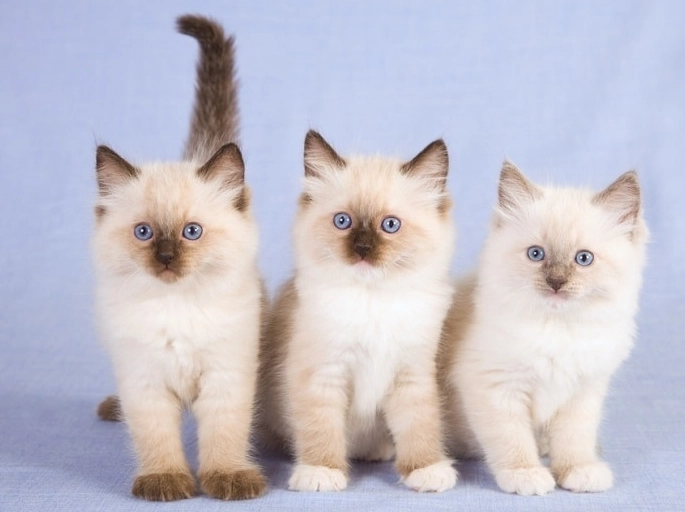
The Red Flags: Why a "Cheap" Ragdoll is the Most Expensive Choice
This is where I need to be blunt. If you see a Ragdoll kitten advertised for $600 or $800, you should be deeply suspicious, not excited. That low price almost always means corners have been cut, and you, the buyer, will ultimately pay the price—emotionally and financially.
What a low price often means:
- No Health Testing: The parents were not screened for HCM or genetic diseases. You are rolling the dice on a potentially devastating—and very expensive—illness down the line.
- Poor Living Conditions: Kittens likely came from a cage or crowded, unclean environment (kitten mill). This leads to poor socialization, fearfulness, and higher risk of parasites and contagious diseases.
- Incomplete Veterinary Care: Vaccinations may be incomplete or done too early (compromising immunity), deworming may be skipped.
- Early Separation: Kittens taken from their mother before 12-14 weeks miss critical lessons in socialization and bite inhibition, leading to behavioral problems.
- No Support: The seller disappears after the cash is handed over. You get no guidance, no take-back guarantee, no lifeline.
A $1,200 kitten from a tested, ethical breeder with a health guarantee is almost always a better financial decision than an $800 kitten from an unknown source. The potential vet bills for an untested, poorly raised kitten can eclipse that price difference in a single visit.
The Hidden Costs of Ragdoll Ownership (Beyond the Kitten Price)
Before you even consider the kitten's price, you need to budget for the ongoing costs. A breeder friend of mine calls this "The Ragdoll Tax," and it's real.
- High-Quality Food: A large, active cat needs good nutrition. Expect $40-$80 per month.
- Grooming: While their coat doesn't mat easily, weekly brushing is essential to prevent hairballs and keep it beautiful. You'll need good brushes, nail clippers, etc.
- Litter: A big cat produces more waste. You'll go through more litter.
- Pet Insurance/Vet Fund: This is non-negotiable in my book. Even with health-tested parents, accidents and illnesses happen. Insurance can cost $30-$60/month, or you must have a robust savings fund. A study on feline health costs from institutions like Purdue University College of Veterinary Medicine often highlights the importance of financial planning for pet care.
- Toys, Trees, Beds: They're large and love to climb. A flimsy cat tree won't cut it. You need sturdy, large-scale equipment.
Quick Reality Check: The first-year cost of a Ragdoll (including purchase price) can easily surpass $3,000. The ongoing annual cost after that is typically $1,000-$2,000. If this is a stretch, it might not be the right time for this breed.
How to Find a Reputable Breeder (It's Not Just About Price)
Finding the right breeder is your most important job. Price is one data point, but not the only one.
- They are registered with CFA/TICA and actively participate in the breeder community.
- They prioritize health testing and willingly show you clear HCM echocardiogram reports and genetic test results for the parents.
- They raise kittens in their home, not in an isolated shed or cage.
- They have a detailed, protective contract that includes a health guarantee, a requirement to spay/neuter (for pet kittens), and a clause that they will take the cat back at any point in its life if you can't keep it.
- They interview YOU. A good breeder will ask you as many questions as you ask them. They want to know about your home, lifestyle, and plans for the cat. They are matching kittens to families, not just selling products.
- They keep kittens until at least 12 weeks, preferably 14.
- They are a resource for life. They encourage you to call with questions, no matter how small, years after you take the kitten home.
Be prepared to get on a waiting list. The best breeders often have lists because they don't overbreed their cats. Patience is part of the process.
Common Questions (The Stuff You're Secretly Searching)
Final Thoughts: It's an Investment, Not Just a Purchase
So, why are Ragdoll kittens so expensive? It boils down to this: you are not buying a commodity. You are investing in the culmination of years of careful genetic selection, thousands of dollars in health screening, and countless hours of loving, dedicated socialization. You are funding the breeder's ability to continue doing this work ethically and sustainably, not exploitatively.
The price is a barrier to impulse buys, and frankly, it should be. It ensures the buyer is serious and has the means to care for the cat properly for its 15+ year lifespan. It's what separates a living, breathing member of your family from a disposable accessory.
My advice? Don't focus on finding the cheapest Ragdoll. Focus on finding the right breeder. The difference in cost will be forgotten in months, but the difference in your cat's health, temperament, and the quality of your relationship with them will last a lifetime. Do the research, ask the hard questions, and be willing to wait and pay for something done right. In the world of Ragdolls, you truly do get what you pay for.
And sometimes, you get even more.