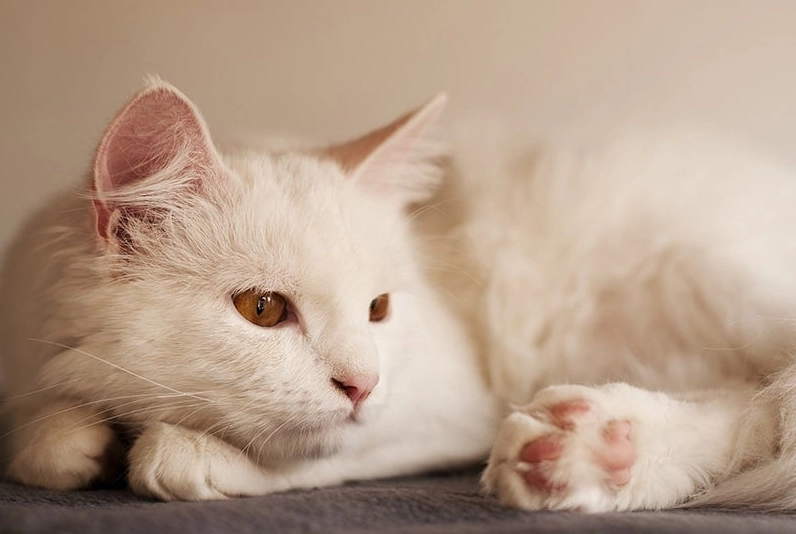
You see that cat across the street, the one with the perfect little white paws and chest like it's ready for a gala. You think, "Wow, that's a fancy-looking cat. It must be rare." Hold that thought. The truth about tuxedo cat rarity isn't what most people assume. After years of talking to breeders, rescuers, and just observing a lot of cats, I've found the common belief is often wrong. Let's cut to the chase: tuxedo cats are not particularly rare. In fact, they're one of the most common bicolor patterns you'll find. The real rarity lies in the specifics—the perfectly symmetrical "tux," the specific breed combinations, and the genetic lottery that creates them.
What's Inside?
What Exactly Is a Tuxedo Cat?
First, let's get our definitions straight. A "tuxedo cat" isn't a breed. It's a colloquial, charming name for a specific type of bicolor (piebald) coat pattern. The classic look features a primarily black coat with distinct white markings that resemble a formal tuxedo. Think of it like this: not every black and white cat is a tuxedo, but every tuxedo cat is black and white.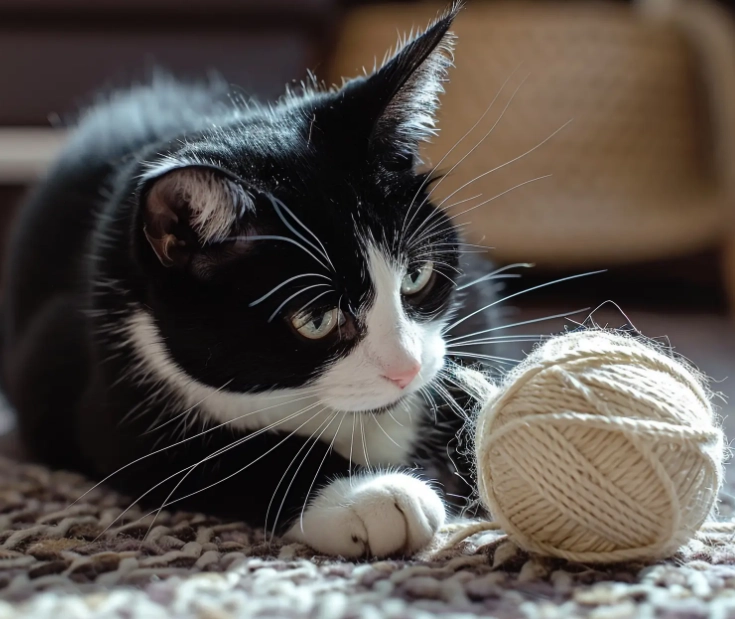
The key markers are:
- A solid black back, sides, and top of the head.
- A crisp white chest and belly, often extending up to the chin.
- White paws, as if wearing little spats or gloves. This is a big one—many people miss that the paws are usually included in the definition.
- Sometimes, a white streak on the face, like a nose blaze or a chin dot.
I've seen countless cats labeled as tuxedos at shelters where the white is just a smudge on the chest. That's more of a "business casual" cat. The formal tuxedo has a defined, clean contrast. This distinction matters when we talk about rarity.
How Does the Tuxedo Pattern Happen? It's All in the Genes
To understand rarity, you have to understand the cause. The tuxedo pattern is created by the piebald or white spotting gene (often symbolized as the S gene). This gene interferes with the migration of melanocytes (pigment cells) during the kitten's embryonic development. Where the cells don't reach, the fur grows white.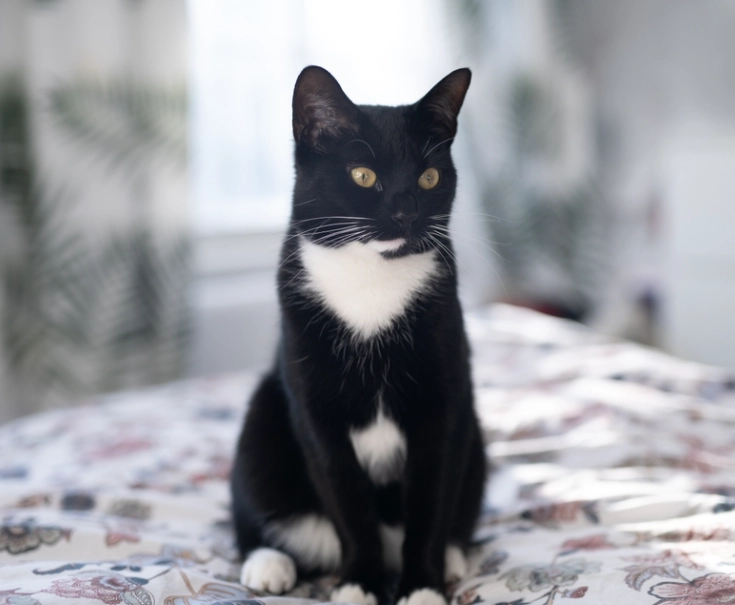
The gene doesn't work in an on/off switch manner. It's more like a dimmer switch with different settings. The amount of white is on a spectrum:
The tuxedo pattern sits right in that sweet middle spot of the spectrum. It's a specific expression of the gene where the white is limited to the underparts, paws, and face, leaving the "jacket" fully black. Two black-and-white cats can carry different versions of this gene, producing totally different patterns in their kittens. That's why predicting a litter's colors is so tricky.
A common misconception is that the pattern is linked to gender. It's not. The piebald gene is not sex-linked. You'll find just as many male tuxedo cats as female ones.
So, How Rare Are Tuxedo Cats Really?
Here's where we bust the myth. Tuxedo cats are not rare in the general domestic cat population. Because the bicolor pattern is a common result of the dominant piebald gene, it shows up frequently in random-bred cats (what many call "domestic shorthairs" or "moggies"). Visit any large animal shelter, and you're almost guaranteed to see at least a few black-and-white cats that fit the tuxedo description.
However, let's talk about specific rarity, which is what people often sense but can't articulate.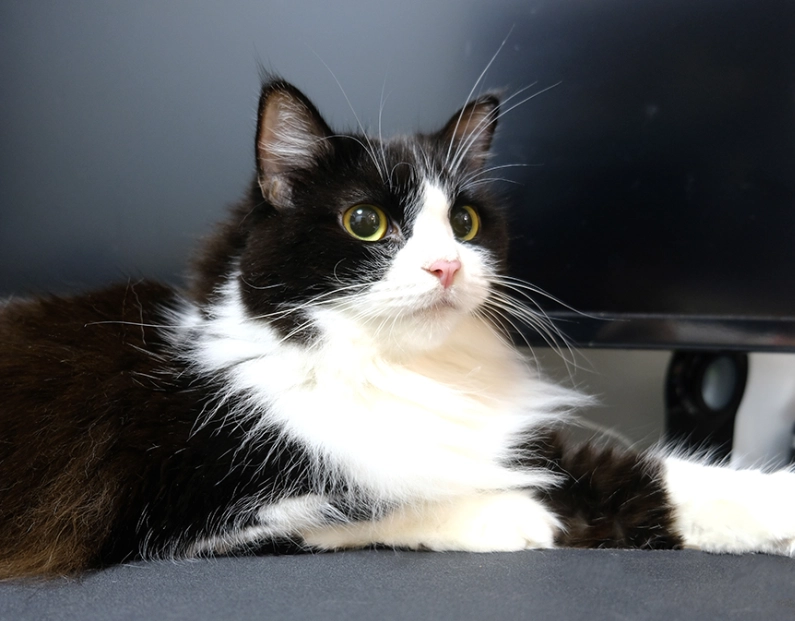
The "Perfectly Symmetrical" Tuxedo: This is where rarity kicks in. A cat with a perfectly even white chest blaze, perfectly matched white gloves on all four paws, and a perfectly centered white chin is much less common. Genetics is messy, and nature loves asymmetry. A flawless tux is like a natural work of art—it happens, but it's not the standard.
Within Specific Breeds: Rarity changes context. In a breed where solid colors are the norm (like the Bombay, which is only black), a tuxedo pattern would be a disqualifying fault and extremely rare. In breeds where the pattern is accepted, like the British Shorthair or the Maine Coon, it's more common but still just one of many possible color options.
Let's look at some perspective. While hard global statistics are elusive, observations from major cat registries like the Cat Fanciers' Association (CFA) show that in the broad "Domestic Shorthair" classification, bicolor (which includes tuxedo) is a prevalent category. It's not an oddity.
| Pattern Type | Perceived Rarity | Why It Feels Rare |
|---|---|---|
| Classic Tuxedo (Black & White) | Common | Its striking, formal appearance makes it memorable, creating a "recency bias" where you notice each one. |
| Perfectly Symmetrical Tuxedo | Uncommon to Rare | Genetic chance for perfect symmetry is low. Most have lopsided blazes or mismatched socks. |
| Tuxedo in a Typically Solid Breed | Very Rare | Would require a spontaneous piebald gene in a breed line selectively bred against it. |
| "Tuxedo" in Other Colors (e.g., Gray & White) | Less Common | The classic is black. A gray (blue) and white tuxedo is just a diluted version, seen less often. |
The feeling of rarity comes from the pattern's dramatic impact, not its statistical scarcity. You notice the cat in the tuxedo, while the three solid black cats next to it blend into the background.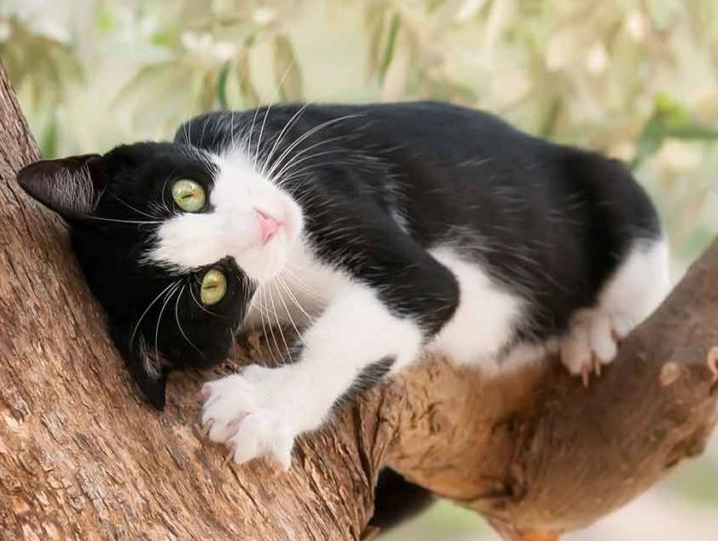
Which Cat Breeds Commonly Have Tuxedo Coats?
Since the pattern is genetically simple, it can appear in many breeds where the color black is allowed and the piebald gene is present. Some breeds are more famous for it, or their standards welcome it.
The Mixed-Breed Superstar: Your standard Domestic Shorthair or Longhair is the most likely candidate. No selective breeding limits the gene pool here, so the tuxedo pattern flourishes.
Purebreds Where You'll See It:
- Maine Coon: These gentle giants look magnificent in a tuxedo. The pattern is recognized and quite popular among owners who love their dignified yet goofy vibe.
- British Shorthair: That classic plush coat in a tuxedo pattern gives them an even more teddy-bear-like appearance. It's an accepted and loved color variant.
- American Shorthair: Bicolor is a standard pattern for the breed, and the tuxedo style is a common and striking expression of it.
- Scottish Fold: With their unique ears, a tuxedo coat adds to their charming, owl-like formality.
- Turkish Van (the "reverse tuxedo"): This is interesting. The Turkish Van has the classic Van pattern—color only on the head and tail, with a white body. Sometimes the head marking can look like a tuxedo's black jacket, but on a white body. It's like the inverse.
If you're seeking a purebred tuxedo kitten from a breeder, your chances are good with these breeds. Just remember, within a litter, you might get solids, vans, and tuxedos all from the same parents.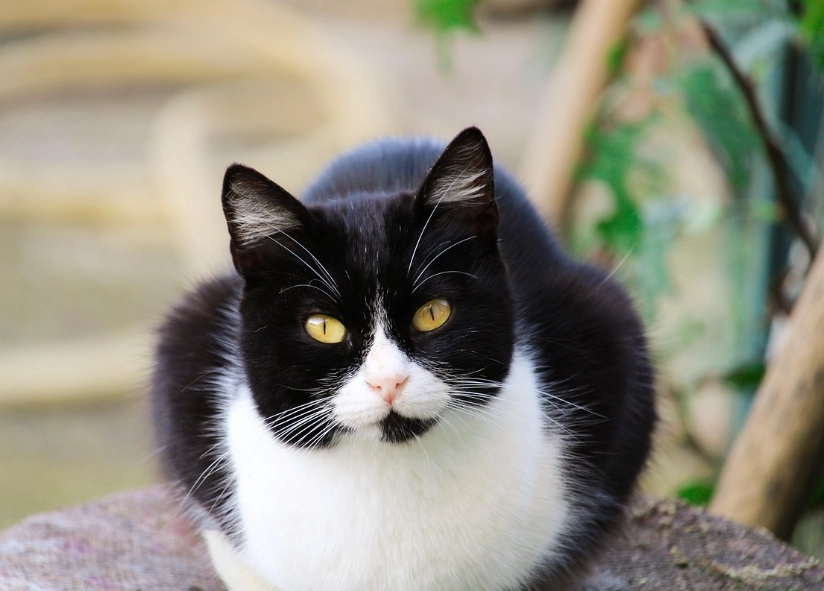
How to Tell a True Tuxedo from Other Black & White Cats
This is a frequent point of confusion. People call any black and white cat a tuxedo. As a cat pattern enthusiast, it grinds my gears a little. Here's a quick field guide.
The Classic Tuxedo: As defined above—black "jacket," white "shirt" front, white "spats" on paws. The white is usually limited to 30-40% of the body.
The "Cow Cat" or Magpie: This is a bicolor cat with larger, more irregular patches of black and white. The white isn't confined to the underside; it might splash over the back or sides. It looks more patchwork than formalwear.
The Mask-and-Mantle: This is a beautiful pattern where the cat is mostly white, with a colored "mask" over the head and a colored "cape" over the back. It can look tuxedo-like from above, but the body is predominantly white.
The Locket Cat: This is a mostly black cat with just a small white spot on the chest. Not a tuxedo—just a locket.
Why does this matter? If you're searching for information about your cat's potential health, behavior, or just want to describe it accurately, using the right term helps. There's no evidence coat pattern affects personality, but clear communication does.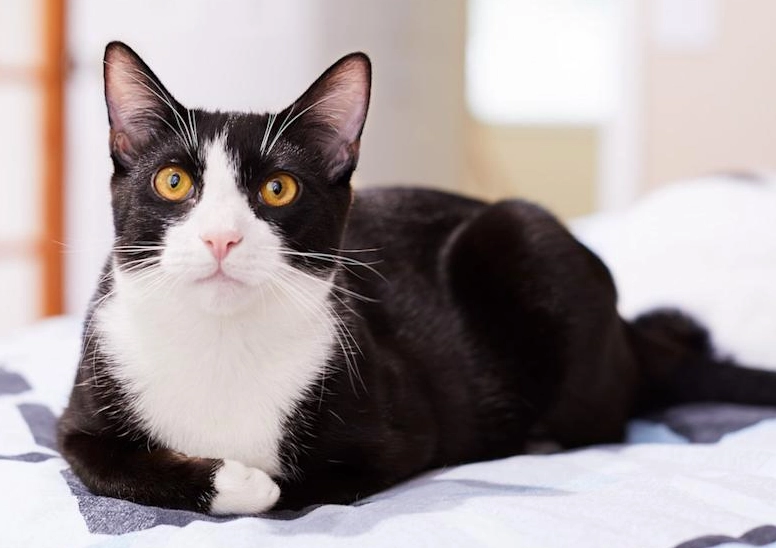
Your Tuxedo Cat Questions, Answered
So, how rare is it to have a tuxedo cat? Statistically, not very. In terms of finding a loyal, striking, and character-filled companion, they're as common—and as wonderfully unique—as any other cat. The magic isn't in their rarity, but in the delightful genetic accident that dresses them for dinner every single day. If you're lucky enough to share your home with one, you've won the companion lottery, not necessarily the rarity one. And that's the better prize anyway.