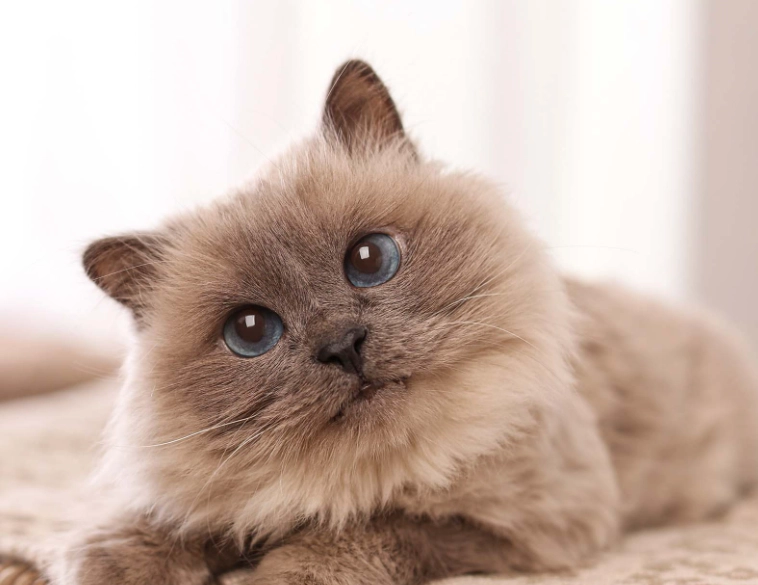
I remember the first time I saw a Birman kitten. It was at a friend's house, this little ball of cream and chocolate fur with piercing blue eyes and white paws that looked like they'd been dipped in snow. She was playful, then suddenly serene, climbing into a lap without a sound. My friend had waited over a year for her. That's when I realized finding a Birman isn't like picking up a common housecat. It's a journey that requires patience, research, and a sharp eye to avoid heartbreak. If you're here, you're probably past the "they're so pretty" phase and into the "how do I actually do this right" stage. Let's cut through the fluff and talk about what Birman cat adoption really involves.
Your Quick Navigation Guide
What Makes the Birman Cat Special?
Forget the generic "gentle and affectionate" description. Every cat breed claims that. Birmans are different in ways that directly impact your life with them.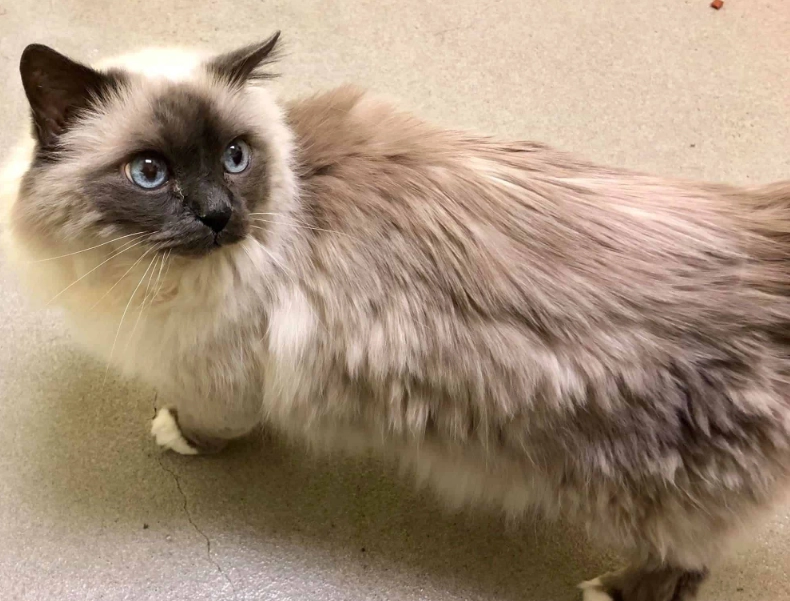
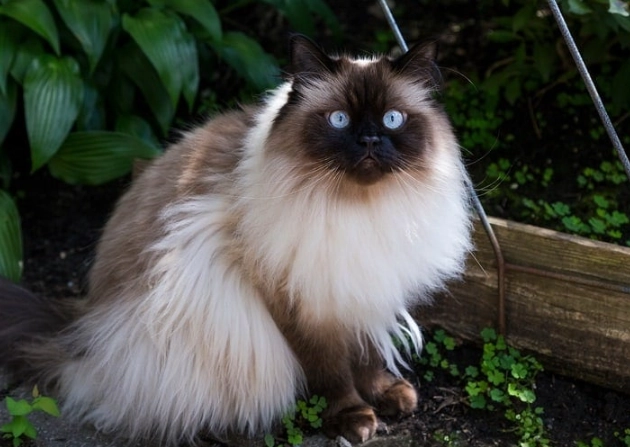
Their history as the "Sacred Cat of Burma" isn't just a marketing gimmick. It translates into a temperament that's notably un-catlike in its lack of aloofness. They form intense bonds, often following their chosen person from room to room. But here's the nuance most sites miss: they do this quietly. They're not yowlers. You'll more likely find them sitting patiently outside a closed door than scratching at it. This makes them brilliant for apartment living or homes where noise is a concern.
Their famous white "gloves" on all four paws are a breed signature, but the coat is the real practical consideration. Unlike a Persian, the Birman's coat is single-layered and silky. It resists matting far better. You're looking at a thorough brushing 2-3 times a week, not a daily battle. Shedding is moderate. The color points (darker face, ears, legs, tail) develop with age. A kitten may look almost white, but by adulthood, the contrast will be striking.
| Trait | What It Means For You |
|---|---|
| Temperament | Dog-like loyalty, quiet voice, thrives on companionship. Can suffer from separation anxiety if left alone constantly. |
| Activity Level | Moderate. Enjoys play sessions but is equally content being a lap ornament. Not a hyper-destructive climber. |
| Coat Care | Manageable. Weekly brushing prevents mats. No undercoat means less shedding than some longhairs. |
| Social Needs | High. Does best with another pet or a human who works from home. A lone Birman in an empty house all day is a sad Birman. |
| Health Profile | Generally robust. Reputable breeders test for hypertrophic cardiomyopathy (HCM) and other genetic issues. |
The biggest mistake I see prospective owners make? Assuming a Birman's calm nature means they're a low-maintenance pet. The opposite is true. Their maintenance is emotional, not just physical. They need your time and interaction. If you want a completely independent cat that ignores you, look elsewhere.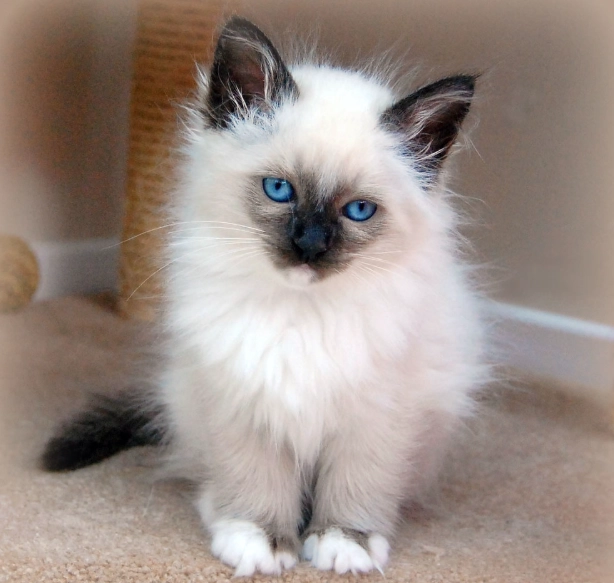
How to Find a Reputable Birman Breeder (And Spot the Red Flags)
This is the most critical step. The difference between a responsible breeder and a backyard breeder or kitten mill is the difference between a healthy, well-socialized companion and a lifetime of vet bills and behavioral issues.
Start with the official registries. Breed clubs are your best filter. The International Cat Association (TICA) and the Cat Fanciers' Association (CFA) have breeder directories. Look for breeders who are members of the Birman Fanciers Club or similar national breed clubs. Membership doesn't guarantee perfection, but it shows a commitment to the breed's standards and ethics.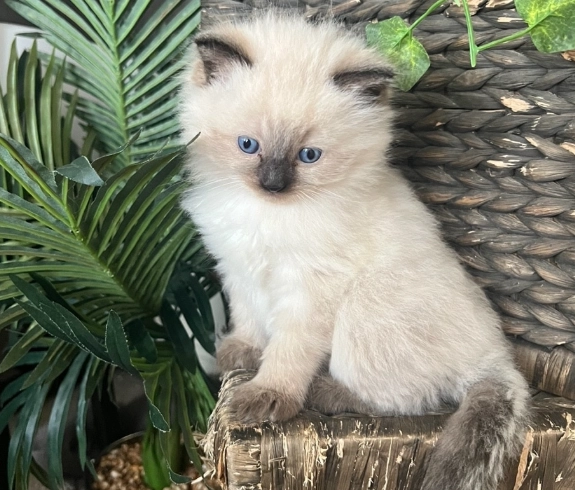
The Non-Negotiable Questions to Ask
When you contact a breeder, have this checklist ready. A good breeder will welcome these questions.
- Genetic Health Testing: Can you see the HCM screening reports for the parent cats (not just "the vet says they're healthy")? Reputable breeders use labs like the University of California, Davis or specific veterinary cardiologists. Testing should be annual.
- Kitten Socialization: Where are the kittens raised? The best answer is "in our living room" or "in a dedicated room in our home," not "in a cattery out back." Exposure to household sounds, people, and gentle handling is crucial.
- Contract Details: Will there be a contract? It should include a health guarantee (at least 72 hours for a vet check, longer for genetic issues), a requirement to spay/neuter if sold as a pet, and a clause that you must return the cat to them if you can't keep it, ever.
- Waitlist & Visits: What is the waitlist like? (A good breeder has one, often 6-12 months). Can you visit the home to meet the parent cats and see the environment? (Beware of those who only meet you in parking lots).
Consider Birman rescue, though it's rare. Organizations like Purebred Cat Rescue or regional breed-specific rescues occasionally have adults or seniors needing homes. This is a wonderful, often overlooked option that bypasses the kitten phase and gives a cat a second chance.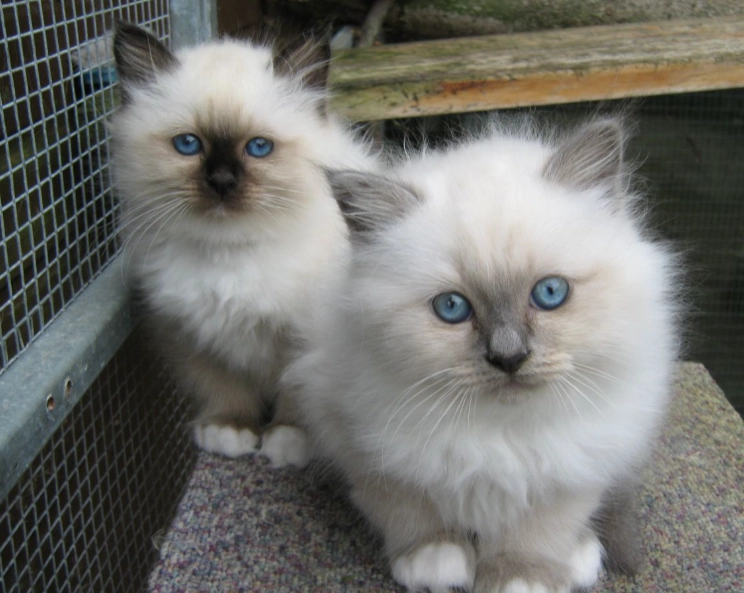
Preparing Your Home for a Birman Kitten
You've found your breeder, put down a deposit, and have a date. Now what? Preparation is about safety and stress reduction.
Essential Supplies (Beyond the Basics):
- Scratching Posts: Tall, sturdy, sisal-wrapped. Place them near favorite resting spots. Birmans aren't the most destructive, but they need an outlet.
- Quiet Hideaways: A covered bed or a cat tree with a cubby. Even social kittens need a safe retreat.
- Interactive Toys: Wand toys with feathers, puzzle feeders. Engage their intelligence without overstimulation.
- Food & Water Bowls: Use shallow, wide ceramic or stainless steel bowls. Deep bowls can press on their whiskers ("whisker fatigue"), which they dislike.
Kitten-Proofing Your Space
Think like a curious, low-to-the-ground explorer. Get on your hands and knees.
Tuck away electrical cords. Secure blind cords that pose a strangulation risk. Check for small spaces behind appliances where a kitten could get stuck. Remove toxic plants (lilies are especially deadly). Ensure all windows have secure screens. This isn't paranoia; it's responsible ownership.
Set up a single, quiet room (a bathroom or spare bedroom) for the kitten's first few days. This "base camp" should have their litter box, food, water, and bed. It lets them acclimate to new smells and sounds without being overwhelmed by the entire house. Let them explore this room first, then gradually open up the rest of your home over a week.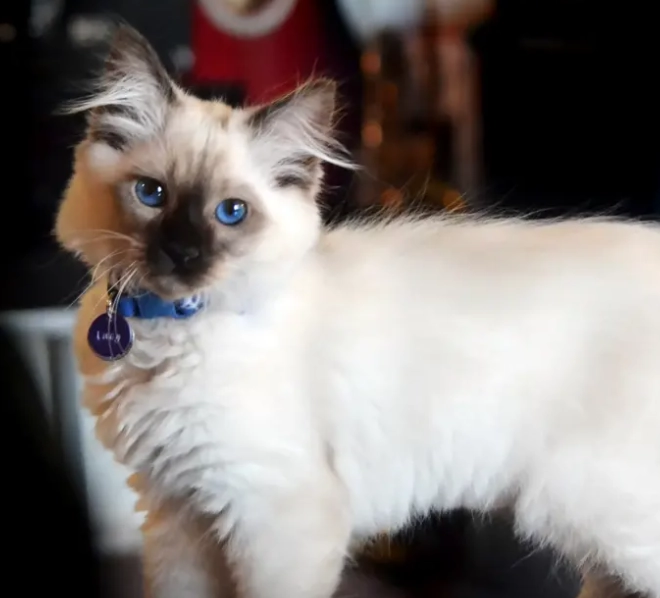
Birman Cat Care After Adoption
The first year sets the stage. Your breeder should provide a feeding schedule and food type. Stick to it initially to avoid stomach upset. You can transition later if desired.
Grooming should start early. Even though they don't need much, getting them used to being brushed and having their paws handled (for nail trims) as kittens makes life easier for the next 15+ years. Use a soft slicker brush or a fine-toothed comb.
Veterinary care is non-negotiable. Your first visit should happen within the breeder's guarantee period. Discuss a vaccination schedule, flea/tick/heartworm prevention (yes, even for indoor cats), and the timing for spay/neuter. Mention to your vet that you have a Birman, so they can be mindful of breed-specific considerations during check-ups.
Socialization continues with you. Invite calm friends over. Introduce other household pets slowly and under controlled conditions. Reward confident, curious behavior with treats and praise. The goal is a well-adjusted cat that trusts its environment.