So you're thinking about bringing a Maine Coon into your California home. It's a fantastic idea. These cats, often called "gentle giants," have personalities as big as their paws. But here's the thing I've learned after years of volunteering with cat rescues: adopting a Maine Coon in California isn't as simple as walking into your local shelter and picking one out. The process has its own quirks, and knowing what to expect can save you a lot of frustration and heartache. This guide cuts through the noise. We'll talk about where to actually find them, what the process is really like, and how to prepare for a cat that's more like a small, furry roommate than a typical pet.
What You'll Find in This Guide
- Understanding Maine Coon Cats: Is This Breed Right for You?
- Where to Adopt a Maine Coon in California: Rescues vs. Shelters
- The Adoption Process: Steps, Fees, and What to Expect
- Preparing Your Home for a Maine Coon
- Your First Weeks Together: Bonding and Care
- Common Health Considerations for Maine Coons
- Your Maine Coon Adoption Questions, Answered
Understanding Maine Coon Cats: Is This Breed Right for You?
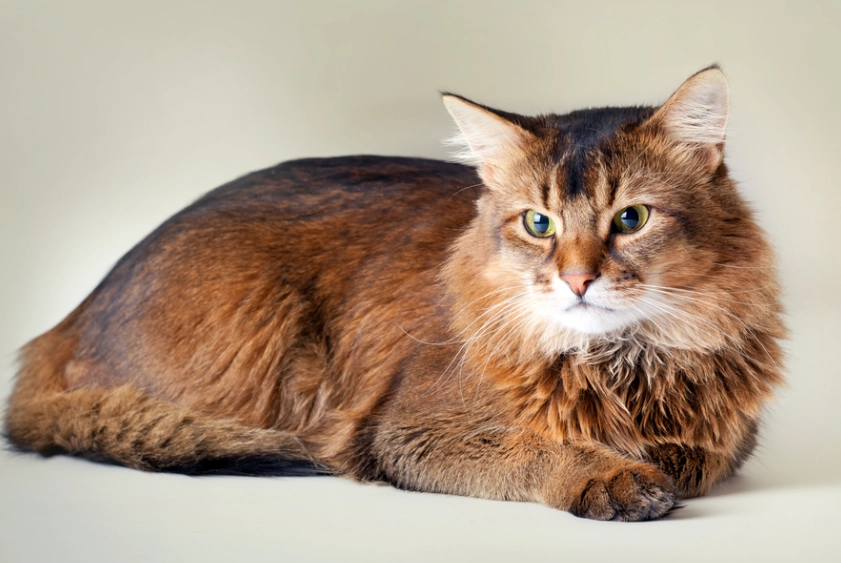
Let's be honest, a lot of people fall for the Maine Coon's looks—the majestic ruff, the tufted ears, the bushy tail. But living with one is different from admiring photos. They are large, often weighing 13-18 pounds for males and 8-12 pounds for females. My friend's male, Leo, takes up half a couch. They're not just big in body; they're big in presence. They tend to follow you from room to room, not necessarily to be lap cats (though some are), but to be involved. They're famously dog-like: many can be taught to fetch, they may greet you at the door, and they often have a chirping, trilling voice rather than a standard meow.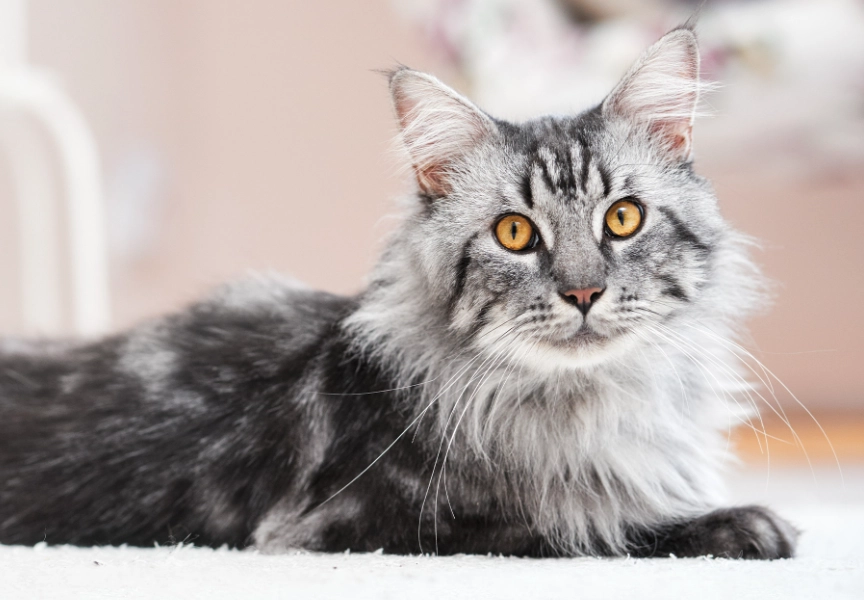
Their temperament is generally laid-back and adaptable, which is why they're often recommended for families with children and other pets. But "laid-back" doesn't mean inactive. They enjoy playtime and need mental stimulation. A bored Maine Coon might decide your bookshelf is a new climbing gym.
Where to Adopt a Maine Coon in California: Rescues vs. Shelters
You won't typically find a purebred Maine Coon sitting in a county shelter's cat room. It happens, but it's rare. When purebreds or obvious mixes enter the system, they're often quickly pulled by specialized rescue groups. Your best bets are breed-specific rescues and larger all-breed rescues that have the network to identify these cats.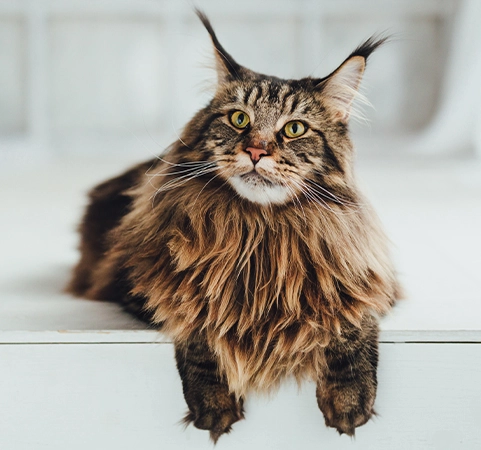
Primary Avenues for Adoption
Breed-Specific Rescue Organizations: This is your gold standard. Groups like Maine Coon Adoptions (based in Southern California) or NorCal Maine Coon Rescue focus exclusively on the breed. They understand their specific needs, temperaments, and health issues. The cats in their care are usually in foster homes, not kennels, so the rescue can give you detailed behavioral insights. The waitlists can be long.
General Cat Rescues with a Large Network: Organizations like Kitty Bungalow in LA or San Francisco SPCA sometimes have Maine Coon mixes. It's less predictable, but worth checking. I've seen beautiful Maine Coon-type cats come through Helen Woodward Animal Center in San Diego.
Petfinder and Adopt-a-Pet.com: Use these sites strategically. Don't just search "Maine Coon." Also search for "Large Domestic Longhair" and filter by size. Many Maine Coon mixes are listed under that generic term. Set up alerts.
Let me give you a concrete, hypothetical scenario based on many real ones. Imagine a rescue called "Paws of the Golden State." They specialize in large and fluffy breeds. Their process is thorough. You'd find them online, fill out a 4-page application asking about your experience with pets, your home layout, and your plans for veterinary care. They require a virtual home tour. Their adoption fee for an adult Maine Coon mix is around $250, which includes spay/neuter, microchip, vaccines, and a basic health check. For a confirmed purebred from a surrender situation, it might be $400+. They're located in Sacramento but have foster homes across the Central Valley. You wouldn't just walk in; everything is appointment-based after approval.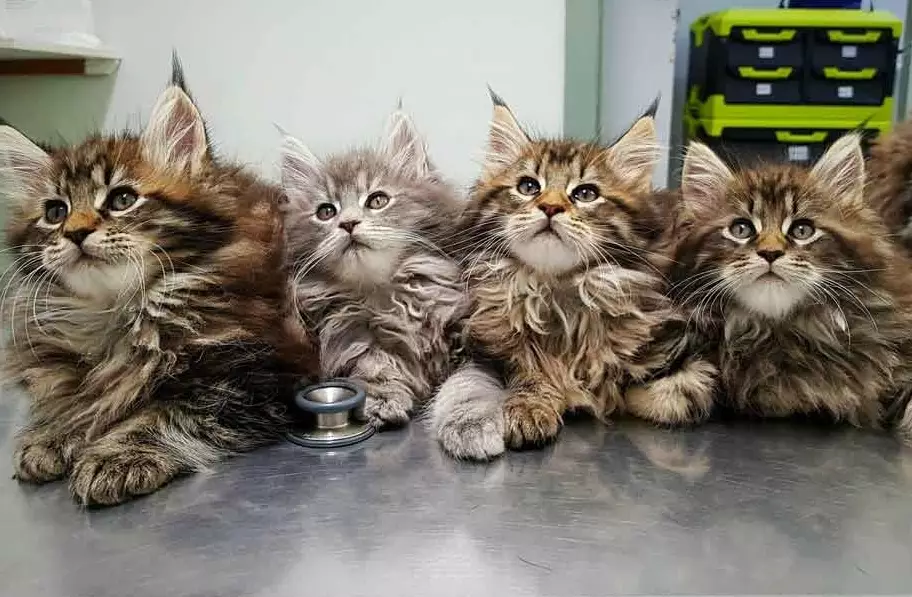
| Finding Method | Pros | Cons | Best For |
|---|---|---|---|
| Breed-Specific Rescue | Deep breed knowledge, cats in foster care, thorough vetting, support network. | Long waitlists, strict requirements, may be geographically limited. | First-time Maine Coon owners, those seeking a purebred. |
| Large All-Breed Rescue | More options, faster process, still good vetting standards. | Less breed-specific expertise, cats may be in a shelter setting. | Flexible adopters open to mixes. |
| Online Pet Databases (Petfinder) | Widest net, can search statewide. | Requires diligence to verify the actual rescue, can be overwhelming. | Patient adopters willing to search regularly. |
The Adoption Process: Steps, Fees, and What to Expect
Forget the idea of instant gratification. Adopting from a good rescue is a process designed to make the best match. Here's how it typically unfolds in California:
1. The Application: This is more than a formality. They'll ask about your living situation (rent/own, landlord approval), other pets, vet history, and why you want a Maine Coon. Be detailed. Saying "because they're pretty" is a red flag. Talk about your lifestyle matching their needs.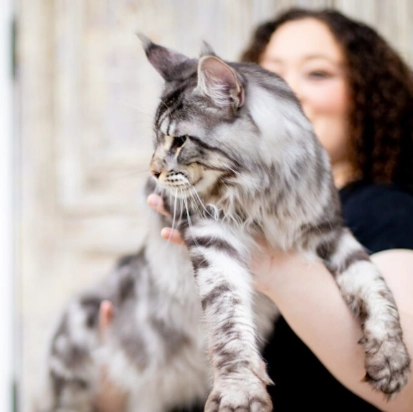
2. The Interview & Home Check: Many rescues now do video calls. They're looking for safety—open windows without screens are a major no-no in California. They'll also see where the cat will eat, sleep, and play. It's not about judging your decor.
3. The Meet-and-Greet: If you have other pets, this is often mandatory. It might happen at the foster home or a neutral location. Observe the cat's behavior, but also listen to what the foster says. They know the cat's quirks.
4. The Adoption Fee & Contract: Fees in California for a Maine Coon or mix typically range from $150 to $500. This isn't buying a cat; it's a donation that covers their costs (which often exceed the fee) and allows them to save another. The contract will usually require you to return the cat to them if you can't keep it, ever.
5. The Take-Home: You'll need a secure carrier—large size. Don't try to carry a nervous 15-pound cat in your arms to the car.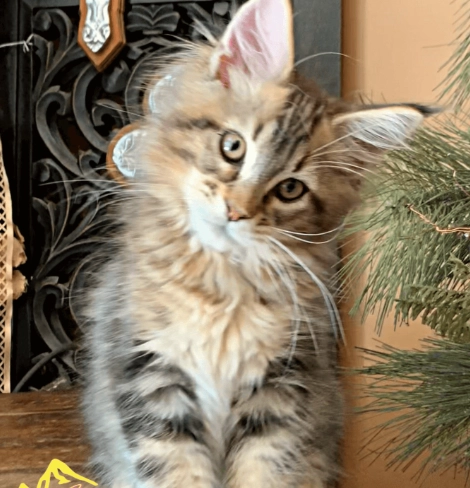
Preparing Your Home for a Maine Coon
Think of kitten-proofing, but scaled up for a clever, large adult. Here's your shopping and to-do list:
- Litter Box: Get the biggest one you can find. I recommend a high-sided, extra-large box or even a concrete mixing tub from a hardware store. One box per cat, plus one extra, is the rule. So for one Maine Coon, you should have two boxes. Place them in quiet, low-traffic areas.
- Food & Water: A large, shallow ceramic or stainless steel bowl for food. For water, consider a cat water fountain—many Maine Coons enjoy running water and it encourages hydration, which is crucial for large cats. Discuss diet with the rescue and your vet; they may benefit from food formulated for large breeds.
- Scratching Posts: Sturdy, tall, and stable. A wobbly post won't cut it. Have both vertical and horizontal options. Sisal rope is a great material.
- Cat Trees & Perches: They love to climb and survey their kingdom. A tall, robust cat tree by a window is Maine Coon heaven. Ensure it's rated for heavy cats.
- Toys: Interactive wand toys are great for bonding and exercise. Puzzle feeders can engage their intelligent brains. Avoid small toys they could swallow.
- Safety: Secure balcony railings if you're in an apartment. Check window screens—a determined lean can pop a weak screen out.
Your First Weeks Together: Bonding and Care
The first day, set up a quiet room (a bathroom or spare bedroom) with all their essentials. Let them decompress. Don't force interaction. Sit on the floor and read a book, letting them come to you. This can take hours or days.
Grooming is non-negotiable. Their semi-long, water-resistant coat mats, especially under the arms and behind the ears. Get a quality steel comb and a slicker brush. Start with short, positive sessions. Many enjoy being brushed, but you have to build that association. Aim for a few minutes every other day, not a marathon once a week.
Schedule a wellness vet visit within the first two weeks, even if the rescue provided records. Establish a relationship and discuss a preventive care plan. The Cat Fanciers' Association (CFA) and The International Cat Association (TICA) are good resources for breed standards and care tips.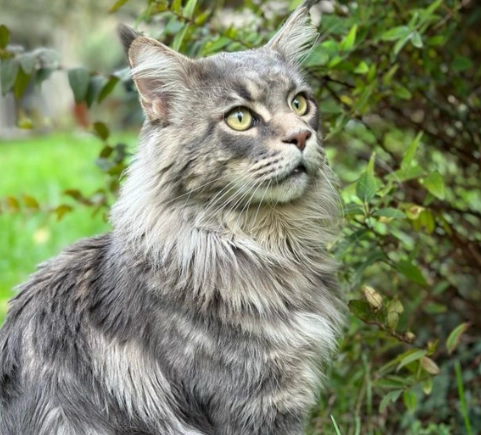
Common Health Considerations for Maine Coons
Responsible rescues will screen for known genetic issues. You should know what to ask about and monitor.
Hypertrophic Cardiomyopathy (HCM): This is a form of heart disease prevalent in the breed. Reputable breeders screen parents; rescues may not have that history. Ask if the cat has had any cardiac screening. A vet can listen for murmurs, but an echocardiogram is the definitive test.
Hip Dysplasia: Yes, cats get it too, especially large ones. Signs can include reluctance to jump, stiffness, or an unusual gait.
Spinal Muscular Atrophy (SMA): A genetic disorder affecting the spinal cord. It's usually tested for in breeding programs.
The good news is that mixed-breed Maine Coons (which are most common in rescues) often have hybrid vigor and may be less prone to severe expressions of these purebred issues. Still, being aware is key to proactive care.
Your Maine Coon Adoption Questions, Answered
Adopting a Maine Coon in California is a journey. It requires patience, preparation, and a shift in perspective from wanting a pet to welcoming a family member. The effort you put into finding the right cat through the right channels pays off for a decade or more. You're not just getting a cat; you're gaining a loyal, gentle, and unforgettable companion who will leave paw prints (quite literally, due to their size) all over your heart and your home. Start your search with realistic expectations, arm yourself with knowledge, and get ready for one of the most rewarding relationships you can have with an animal.