Quick Navigation
- How Big Do Maine Coon Cats Really Get? The Numbers Don't Lie
- The Maine Coon Growth Timeline: They Don't Get Big Overnight
- What Makes Them So Big? It's in Their Genes (and History)
- Male vs. Female Maine Coon Size: Is There a Big Difference?
- Practical Impacts of Living with a Giant Cat
- Common Questions About Maine Coon Size (FAQ)
- Caring for Your Large-Breed Cat: Tips from the Trenches
- Final Thoughts: Embracing the Giant
So you're thinking about a Maine Coon, or maybe you've just brought one home and you're watching in awe (and a little bit of fear) as it seems to grow bigger every single day. I get it. I remember visiting a friend who had a Maine Coon named Leo. I walked in, saw this massive, fluffy creature lounging on the couch, and my first thought was, "Is that a small dog?" That's the Maine Coon effect.
Let's talk frankly about Maine Coon cat size. It's not just a talking point; it's the central reality of living with this breed. They're famous for it, but what does "big" actually mean? Is it just weight, or is there more to it? And how do you even handle a cat that can be the size of a toddler? This guide will walk you through everything, from the numbers on the scale to the real-world implications of sharing your home with a feline giant.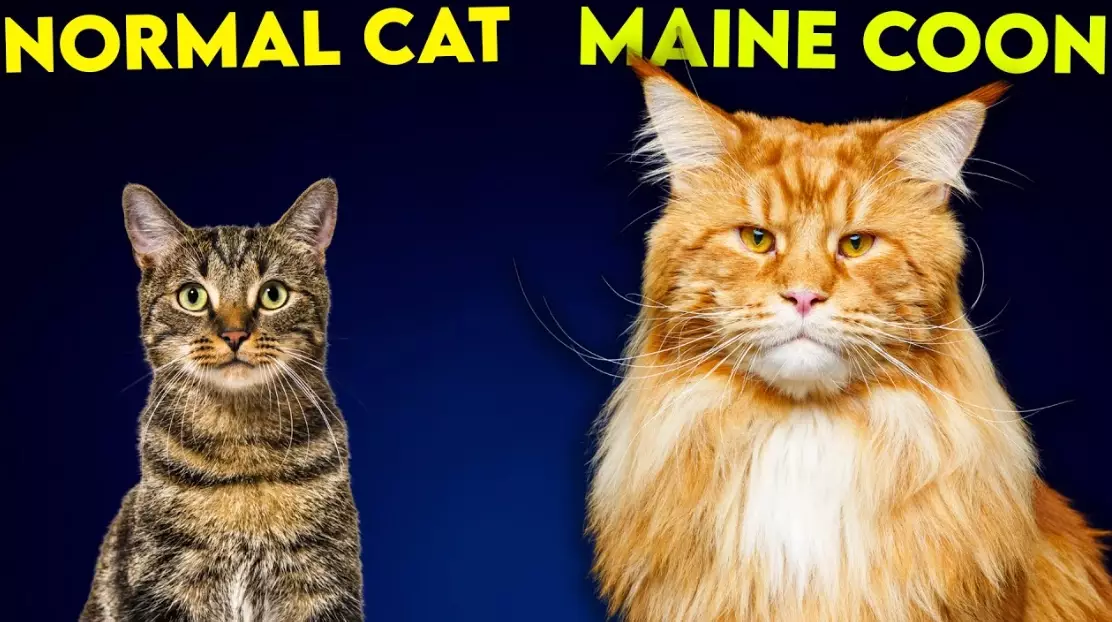
Key Takeaway First: A fully grown Maine Coon's size is truly impressive. Males typically weigh 13-18 pounds (5.9-8.2 kg), but it's not rare for healthy, large males to hit 20-25 pounds. Females are smaller but still substantial at 8-12 pounds (3.6-5.4 kg). But weight is only part of the story—their length (including that magnificent bushy tail) can easily exceed 40 inches (over 100 cm), and their height and bone structure make them feel more substantial than any domestic cat you've likely met.
How Big Do Maine Coon Cats Really Get? The Numbers Don't Lie
Everyone throws around the term "gentle giant," but let's get specific. The size of a Maine Coon cat is a combination of several factors: weight, length, height (at the shoulder), and overall bone structure. A lean 15-pound Maine Coon will look and feel very different from a dense 15-pound cat of another breed.
Here’s a breakdown of typical Maine Coon size ranges for healthy, adult cats:
| Gender | Average Weight Range | Common "Large" Weight | Average Length (Body + Tail) |
|---|---|---|---|
| Male Maine Coon | 13 - 18 lbs (5.9 - 8.2 kg) | 18 - 22 lbs (8.2 - 10 kg) | 38 - 42 inches (97 - 107 cm) |
| Female Maine Coon | 8 - 12 lbs (3.6 - 5.4 kg) | 12 - 15 lbs (5.4 - 6.8 kg) | 36 - 40 inches (91 - 102 cm) |
Notice I said "healthy." That's crucial. An obese 25-pound cat is not a sign of good breeding; it's a health problem. A truly large, well-bred Maine Coon carries its weight in muscle and a heavy bone frame. You can check resources from authoritative bodies like The International Cat Association (TICA) for their breed standards, which emphasize a "substantial, rectangular" body, not just sheer mass.
My friend's Leo, for instance, was a neutered male sitting at a vet-confirmed 19 pounds. He wasn't fat—you could feel his ribs under all that fur—he was just built like a tank. His paws were the size of bottle caps. When he stretched out on the floor, he blocked the hallway.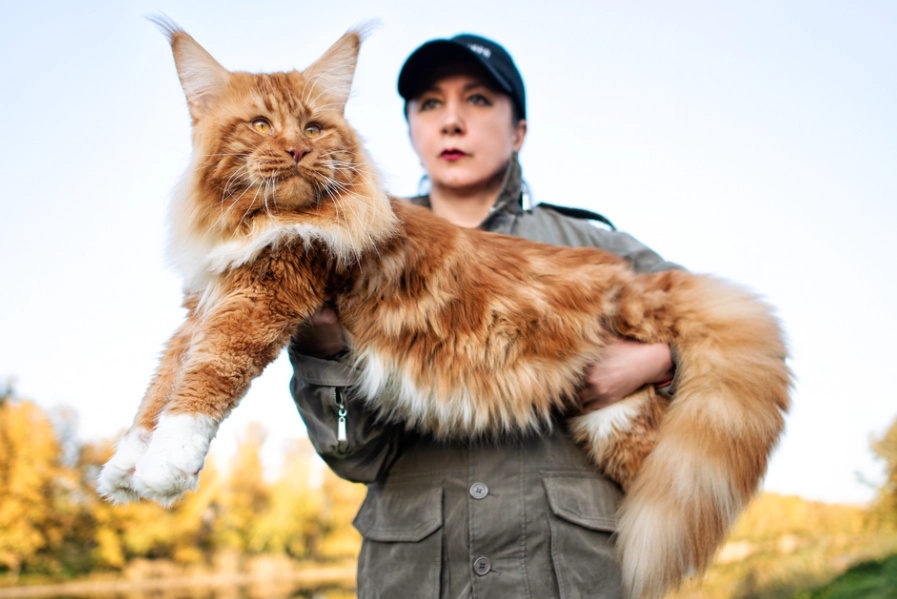
The Maine Coon Growth Timeline: They Don't Get Big Overnight
One of the most fascinating things about this breed is their prolonged growth period. While most cats are done growing by 12-18 months, Maine Coons are the late bloomers of the cat world. They achieve their full Maine Coon cat size slowly, over several years.
Think of them as cat teenagers for a much longer time. They have growth spurts, they get clumsy, and they eat you out of house and home—all while taking 3-5 years to fully mature.
Here’s a rough timeline of what to expect:
- Birth to 6 Months: Rapid growth. They'll go from a fluffy kitten to a lanky juvenile quickly. This is when their legs might seem too long for their body.
- 6 Months to 1 Year: Continued steady growth. They start filling out, losing some of that kitten awkwardness. Most will reach about 75% of their adult weight.
- 1 Year to 3 Years: The slow fill-out phase. This is where they develop muscle mass, their chest broadens, and they achieve their characteristic rectangular shape. Weight gain slows but continues.
- 3 Years to 5 Years: Final maturation. Some males, in particular, might still add a little more muscle and bulk in this final stage. They are considered fully grown in terms of Maine Coon size by age 4 or 5.
So, if your 1-year-old Maine Coon still seems a bit lean, don't worry. He's probably right on schedule. The slow growth is part of what contributes to their generally good joint health, as their bodies have more time to adapt to their large frame.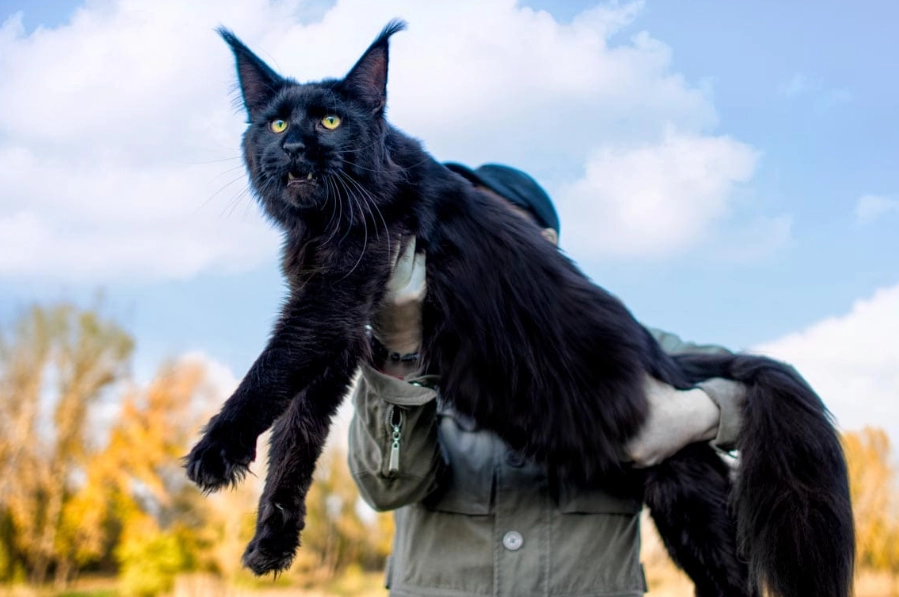
What Makes Them So Big? It's in Their Genes (and History)
Ever wonder why the size of Maine Coon cats is so exceptional? It's not one single thing. Breeders and experts point to a combination of factors.
Genetics and Natural Selection
This is the big one. Maine Coons evolved in the harsh winters of New England. Larger bodies have a better surface-area-to-volume ratio, meaning they retain heat more efficiently. Bigger, stronger cats were simply more likely to survive and pass on their genes. This natural selection for a robust, weather-resistant build is baked into the breed's DNA. Modern breeding practices, guided by standards from organizations like the Cat Fanciers' Association (CFA), have preserved these traits.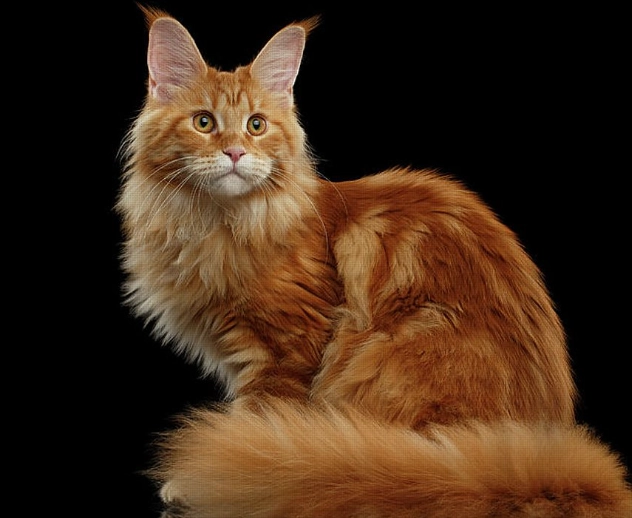
The Myth of Mixed Ancestry
You've probably heard the old tale that Maine Coons are part raccoon (biologically impossible) or descended from Norwegian Forest Cats brought by Vikings. While the Viking story is romantic, genetic studies haven't conclusively proven it. What is clear is that they are a natural breed from North America, and their size is a product of their environment, not mythical crossbreeding.
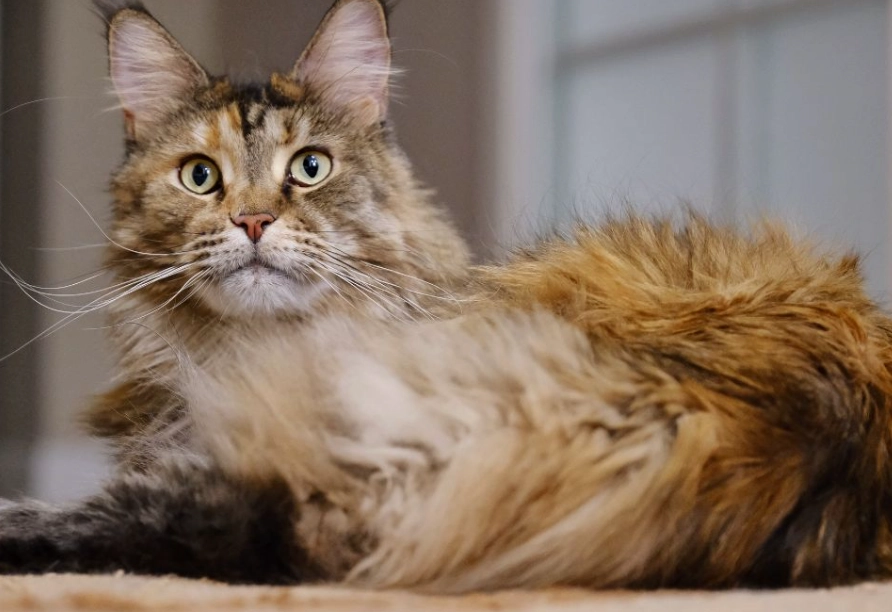
Personal Observation: I think part of their perceived size is an optical illusion created by their coat. That long, shaggy, water-resistant fur and the huge ruff around their neck make them look even more massive than they are. A wet Maine Coon suddenly looks like a different, much sleeker animal!
Male vs. Female Maine Coon Size: Is There a Big Difference?
In a word, yes. The sexual dimorphism in Maine Coon cat size is more pronounced than in many other domestic cat breeds.
Males are not just heavier; they are generally longer, taller, and have broader heads with more prominent cheekbones. Their paws are often noticeably larger. Females are more refined—still large by normal cat standards, but with a more elegant bone structure. The difference is usually obvious even to a casual observer once they are past the kitten stage.
This is a key consideration when choosing a cat. If you are particularly concerned about managing a very large animal, a female might be a slightly more manageable introduction to the breed, though she will still be a big cat.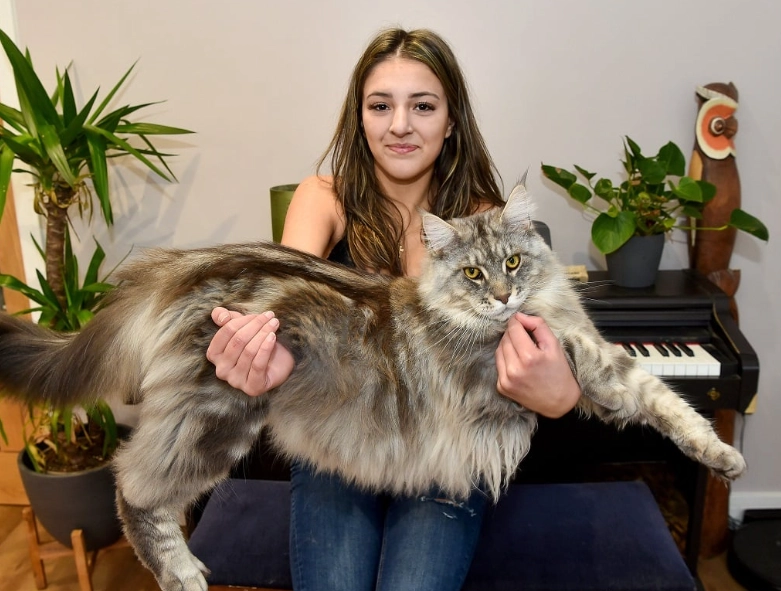
Practical Impacts of Living with a Giant Cat
Okay, so you know the numbers. But what does a large Maine Coon size mean for your daily life? This is where theory meets reality, and it's the stuff they don't always tell you in the breed description.
Space and Furniture
They need room. A Maine Coon doesn't just curl up in a tiny bed. They sprawl. They need larger cat trees—and I mean sturdy ones, not the wobbly, skinny posts. A flimsy tree will topple over. Their favorite perch might be the top of your refrigerator or a wide windowsill. You'll find yourself clearing more space for them.
Food and Diet Costs
They eat more. It's simple math. A growing Maine Coon kitten can have a shocking appetite. Adults need high-quality food to maintain their muscle mass. You'll go through more food and litter, so budget accordingly. It's not double the cost of a regular cat, but it's noticeably more.
Health Considerations Linked to Size
Any large breed, canine or feline, has specific health considerations. For Maine Coons, their size puts more stress on their joints. While they are generally healthy, conditions like hip dysplasia (more common in large breeds) and spinal muscular atrophy (a genetic condition in the breed) are things responsible breeders screen for. Their large heart can also be prone to hypertrophic cardiomyopathy (HCM). Regular vet check-ups are non-negotiable. A vet familiar with large breeds can be a great asset.
Let's be real: The biggest downside? The vet bill if they need surgery or specialized care. Medication is often dosed by weight, so everything costs a bit more. Pet insurance is something I'd seriously consider from day one.
Grooming That Massive Coat
All that fur that makes them look huge requires work. A thorough brushing 2-3 times a week is essential to prevent painful mats, especially under the arms and around the hindquarters. It's a bonding experience, but it's also a commitment of time. Neglect it, and you'll face a shave-down at the groomer, which is stressful for the cat and hard on your wallet.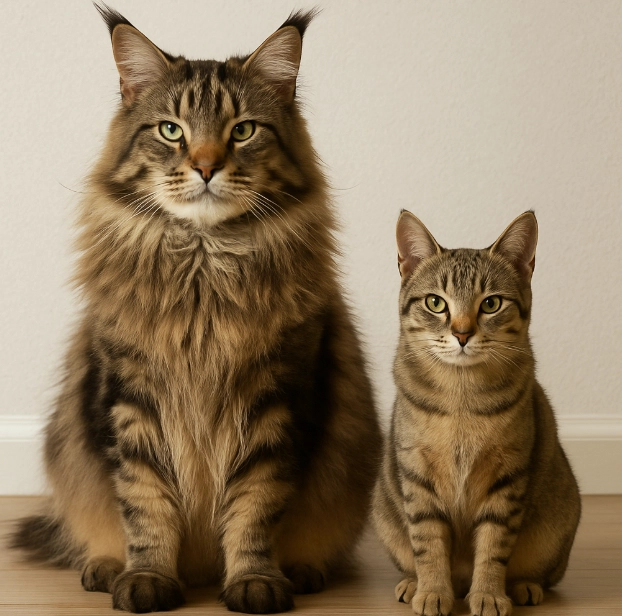
Common Questions About Maine Coon Size (FAQ)
Caring for Your Large-Breed Cat: Tips from the Trenches
Based on talking to owners and vets, here’s a quick list of must-dos for a cat of this stature:
- Invest in a Large, Sturdy Litter Box: The biggest one you can find. A high-sided, extra-large box prevents messes. Some people even use concrete mixing trays from hardware stores.
- Choose the Right Food: Look for formulas designed for large breeds or indoor cats with weight management. They need protein to maintain muscle but careful calorie control to avoid obesity, which is extra hard on their joints.
- Provide Joint Support: Talk to your vet about supplements like glucosamine and chondroitin, especially as they enter their senior years (around 8-10). Keeping them at a healthy weight is the best joint support of all.
- Water, Water Everywhere: Large cats need to stay hydrated. Consider a cat water fountain to encourage drinking, which supports kidney and urinary tract health.
- Play Smart: Encourage exercise with wand toys and chase games, but avoid sudden, high-impact jumps from great heights, especially for kittens and seniors.
It sounds like a lot, but it becomes routine.
Final Thoughts: Embracing the Giant
The size of a Maine Coon cat is its most defining feature, but it's not just a novelty. It comes with real responsibilities and adjustments to your life. It means bigger expenses, more space, and a commitment to proactive health care.
But for those who are prepared, the reward is incredible. There's something uniquely wonderful about the quiet, heavy purr of a giant cat curled up in your lap (or more accurately, taking up your entire lap and then some). Their dignified, friendly presence fills a home in a way a smaller cat simply can't.
Do your research, find a breeder who prioritizes health and temperament over producing the absolute biggest cat possible, and get ready for a truly remarkable companion. Just make sure you have a big enough couch.