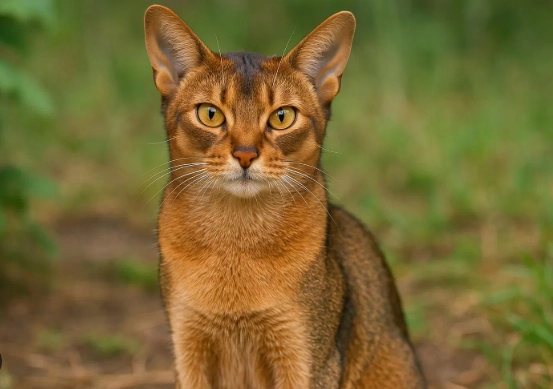
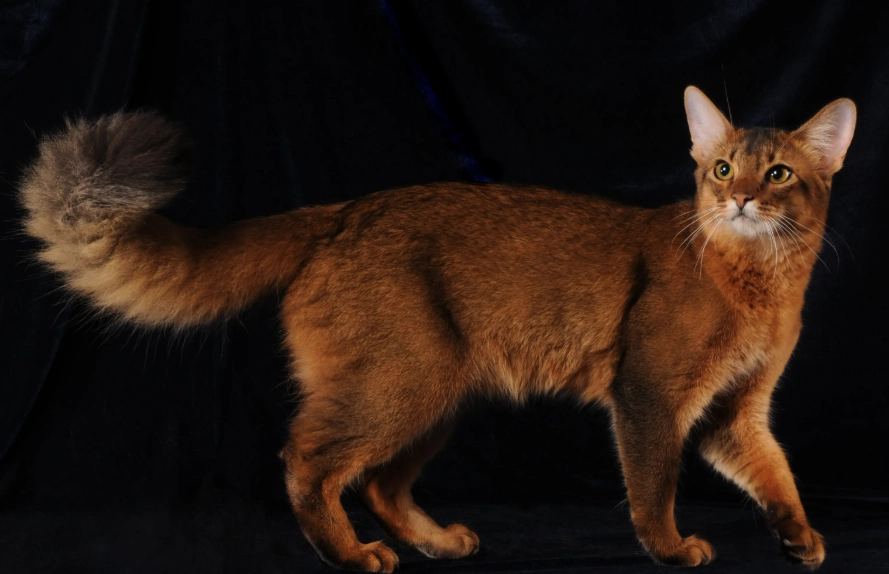
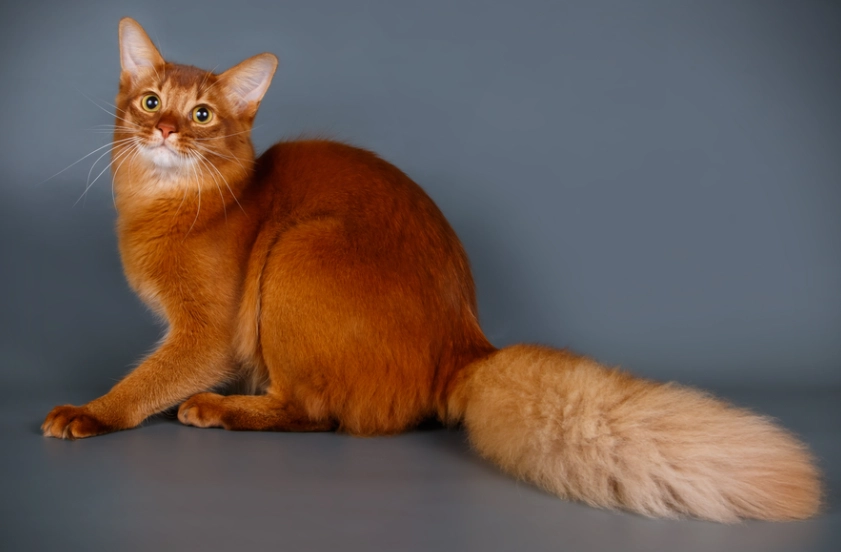
You know the classic look: that warm, burnt-sienna coat ticked with darker bands, the iconic "ruddy" Abyssinian. It's stunning. But if you're digging deeper, you've probably seen whispers and photos of Abyssinians in shades of silver, cool lilac, or rich chocolate. These rare Abyssinian cat colors exist, but finding clear, honest information about them is a challenge. Are they healthy? How do you even get one? And what's the real story behind their genetics and availability?
I've been around Abyssinians for over a decade, both as an owner and through close connections with reputable breeders. The world of rare colors is fascinating, but it's also filled with misconceptions and, frankly, some breeders who prioritize novelty over health. Let's cut through the noise. This isn't just a list of colors; it's a practical guide to understanding what makes these hues rare, the genetics at play, how to navigate the search ethically, and the questions you must ask before bringing one of these unique cats home.
Your Quick Guide to Rare Aby Colors
The Foundation: Understanding Standard Abyssinian Colors
Before we get to the rare stuff, you need to know the baseline. Major cat registries like the Cat Fanciers' Association (CFA) and The International Cat Association (TICA) recognize four standard colors for Abyssinians. These are the colors you'll see in most show rings and from the majority of breeders.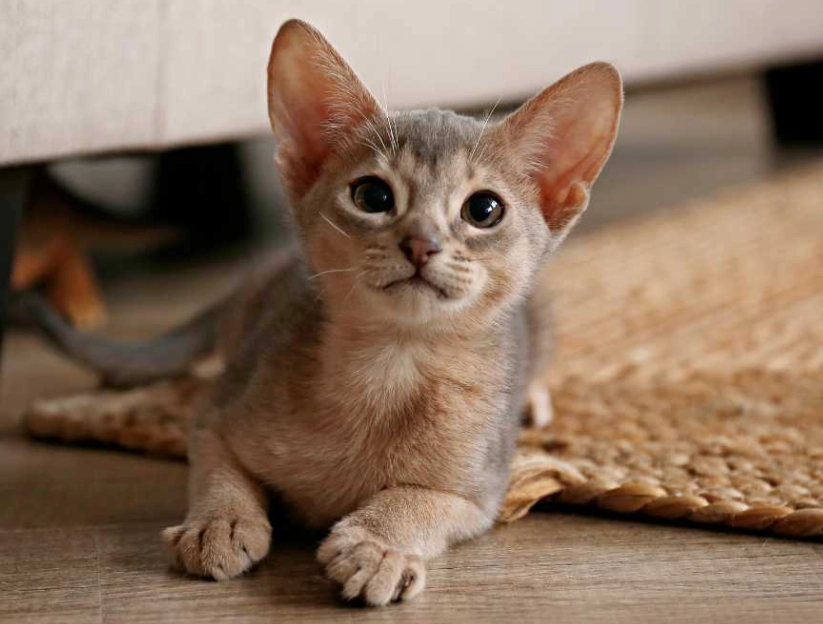
- Ruddy (Usual): The original. A warm orange-brown base with black ticking.
- Red (Sorrel): A coppery-red base with chocolate brown ticking. It's not "red" like a ginger tabby.
- Blue: A soft, warm slate blue base with deeper steel blue ticking. This is a diluted version of ruddy.
- Fawn: A light, rosy beige base with deeper café-au-lait ticking. This is a diluted version of red.
Blue and fawn are less common than ruddy and red, but they're still established, accepted standards. The rare colors we're talking about are mutations or combinations that fall outside this official quartet.
The Rare Gems: A Breakdown of Uncommon Abyssinian Hues
This is where it gets interesting. These colors aren't typically bred for by mainstream show breeders, but they pop up in lines or are deliberately pursued by breeders specializing in "alternative" colors. Let's break them down, from the more-seen to the truly elusive.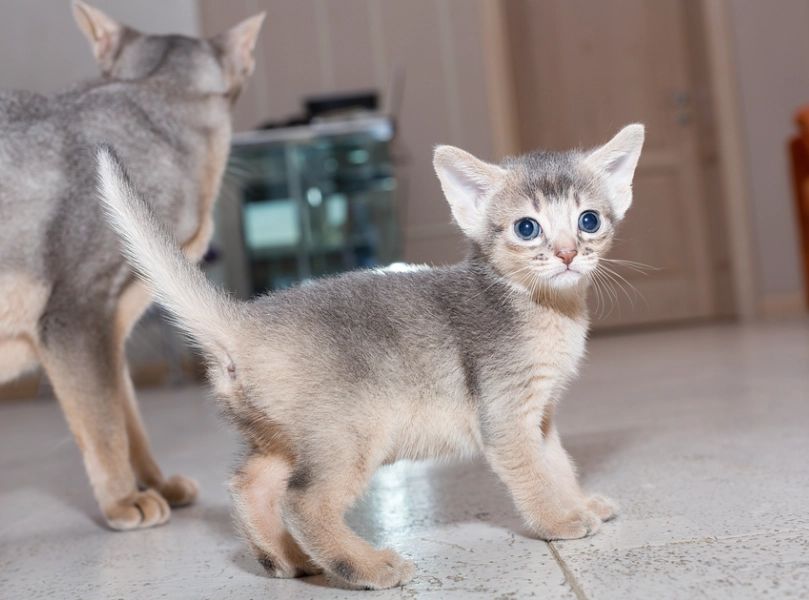
The Silver Series: Frosted Elegance
Silver Abyssinians are probably the most well-known of the rare colors. The effect is breathtaking—a pure white undercoat with ticking in another color on the tips. It's not a color itself, but a modifier that strips the warm tones from the base coat.
- Silver Ruddy: Black ticking on a white undercoat. Looks like a black-and-white photo of a ruddy Aby.
- Silver Blue: Steel blue ticking on a white undercoat. Exceptionally cool and elegant.
- Silver Sorrel/Red: Chocolate ticking on white.
- Silver Fawn: Café-au-lait ticking on white.
Finding a good silver is tough. The ticking should be clear and distinct, not muddy or washed out. I've seen silvers where the effect is so faint it just looks like a pale, washed-out cat. A high-contrast silver is a real treasure.
The Dilute Wonders: Chocolate and Lilac
These come from a different dilution gene than the one that creates blue and fawn. They're essentially modifications of the black pigment.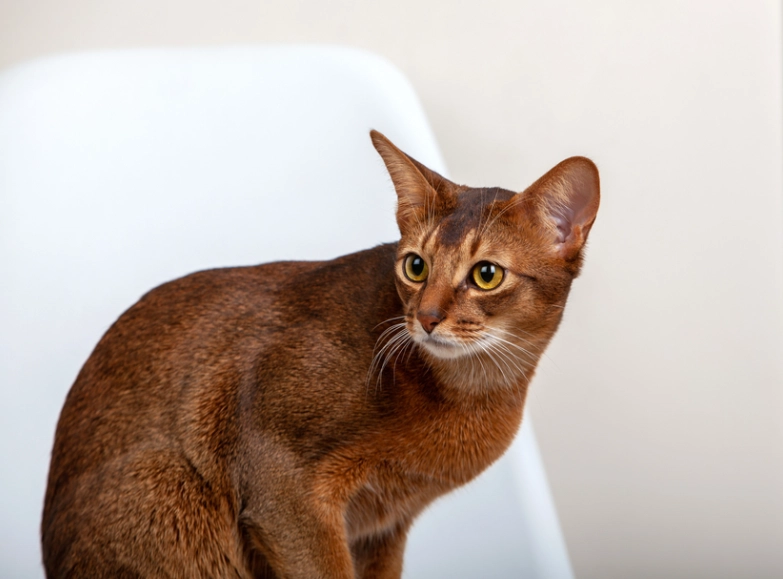
- Chocolate: A rich, warm brown base with darker brown ticking. It's deeper and redder than the brown in a ruddy Aby. This color is recognized in some registries in Europe but is still considered "non-standard" in major North American associations.
- Lilac (Lavender): This is the diluted form of chocolate. Imagine a pale, frosty grey with a subtle pinkish-beige tone and pinkish-grey ticking. It's incredibly subtle and beautiful, but very rare. You won't mistake it for a blue, which has warmer, slate tones.
A word of caution: some breeders might advertise "cinnamon" Abyssinians. This is an even rarer variant of the brown series. Be skeptical unless the breeder has extensive genetic testing and pedigree proof. It's often a mislabeled chocolate.
Other Rarities and "Non-Standard" Appearances
These are even more on the fringes.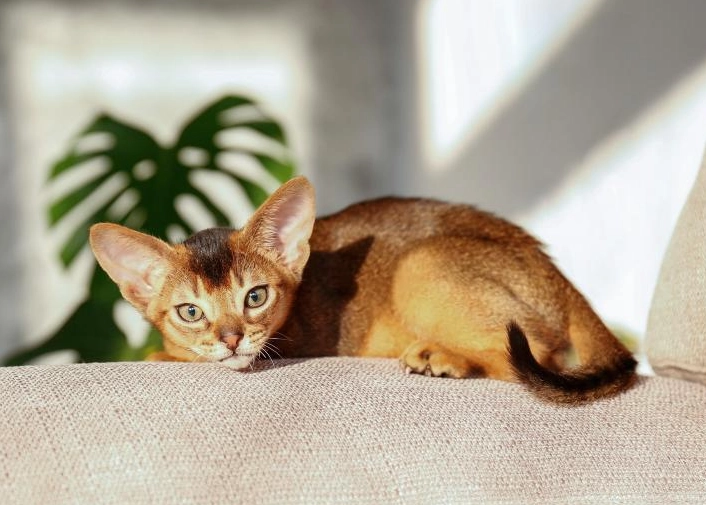
- Tortoiseshell/Tabby ("Torbie") Abyssinians: Female cats only, displaying patches of red/cream mixed with another color like ruddy or blue. The ticking pattern remains, creating a stunning, complex mosaic. Extremely rare due to the specific genetic combination needed.
- Solid/Self Abyssinians: These cats have the Aby body type but lack the ticking gene, resulting in a solid color coat. They are not considered Abyssinians by any registry and are typically accidental. A breeder selling these is a major red flag.
| Color Name | Base Coat & Ticking Color | Genetic Basis | Approx. Rarity & Notes |
|---|---|---|---|
| Silver Ruddy | Pure white undercoat, black ticking | Inhibitor gene (I) + Ruddy | Most common of the silvers. Seen in some specialty lines. |
| Silver Blue | Pure white undercoat, steel blue ticking | Inhibitor gene (I) + Blue (dilute) | Less common than Silver Ruddy. Highly sought after. |
| Chocolate | Rich brown base, darker brown ticking | Brown gene variant (b/b) | Rare in North America. More established in Europe. |
| Lilac | Pale pinkish-grey base, pinkish-grey ticking | Brown gene (b/b) + Dilute (d/d) | Very rare. The "double dilute" effect makes it scarce. |
| Torbie (Tortie-Tabby) | Patches of red/cream and another ticked color | Female (X/X) with O gene + ticked tabby | Extremely rare. Usually occurs by chance, not deliberate breeding. |
How Do These Rare Colors Occur?
It's all in the genes. The classic Abyssinian look is the result of a dominant ticked tabby gene (Ta) on an agouti background. The rare colors introduce other genes into the mix.
The silver effect is caused by the dominant inhibitor gene (I). This gene stops the production of yellow pigment (phaeomelanin) in the undercoat, leaving it white. The ticking color on the tips remains.
Chocolate and lilac come from recessive alleles at the B (Brown) locus and the D (Dilute) locus. For a chocolate Abyssinian, it must inherit two copies of the chocolate gene (b/b). For a lilac, it needs two chocolate genes AND two dilute genes (b/b d/d). This is why they're so rare—both parents must carry these recessive genes.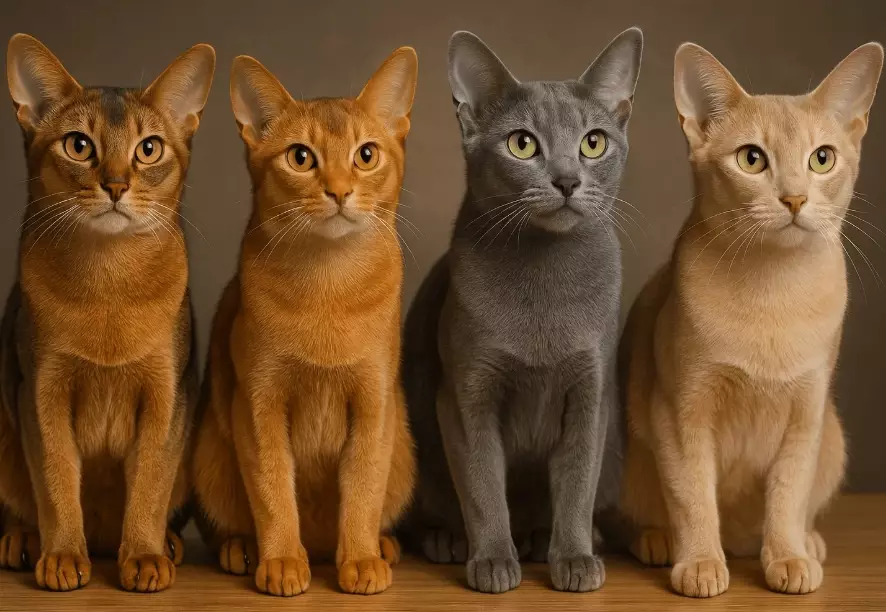
How to Find and Ethically Acquire a Rare Abyssinian?
This is the hardest part. You won't find these cats on a casual Google search from reputable sources.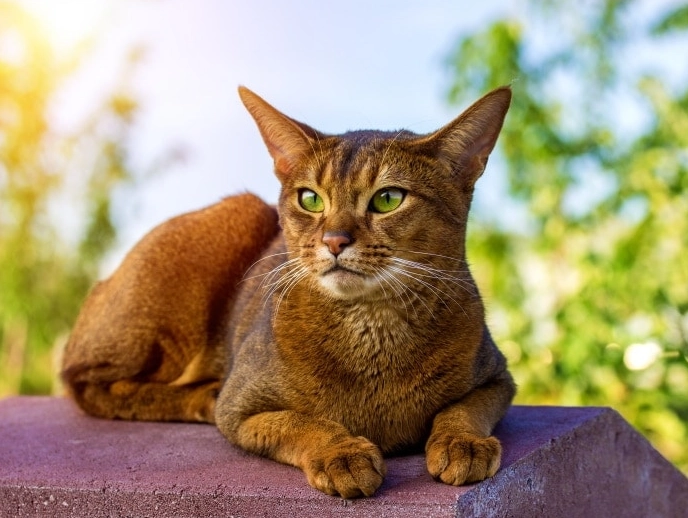
1. Connect with the Breed Community, Not Just Websites. Start with breeders of standard colors who are well-respected. Attend cat shows (TICA shows often have more color variety). Talk to them. They know who in the network might be working with silvers or chocolates ethically. The TICA breeder referral is a better starting point than generic searches.
2. Expect a Long Wait and Higher Cost. A pet-quality ruddy Aby might cost $1200-$1800. A well-bred silver or chocolate from health-tested lines can easily be $2500-$4000+. If the price seems too good to be true, it is. You're paying for decades of selective breeding, genetic testing, and specialized care.
3. The Interrogation: Questions YOU Must Ask.
- "Can I see the results of the parents' genetic health screenings?" (PKDef, PRA, etc. are non-negotiable).
- "How many other lines are you outcrossing to for genetic diversity?" (If they say they only breed "silver to silver," be wary).
- "What is your goal in breeding this color?" (Answers should mention health, temperament, and preserving the Aby type, not just "making rare kittens").
- "Can I speak to past buyers of your rare-color kittens?"
4. Red Flags Galore.
Breeders who have multiple rare colors available all the time.
No mention of health testing on their website or in conversation.
Pressure to pay a large deposit immediately.
Unwillingness to let you see where the cats live (via video call is acceptable).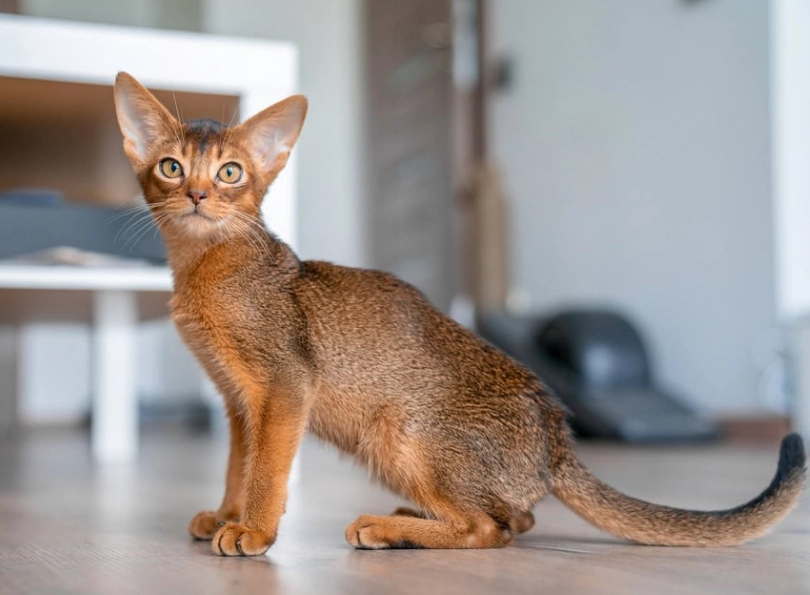
Color and Health: Are There Any Links?
The big question. There's no scientific evidence that chocolate, lilac, or silver colors inherently cause specific diseases in Abyssinians. The risk lies in the breeding practices used to achieve them.
If a breeder is trying to establish a rare color line from a small number of foundation cats (a "founder effect"), they may engage in excessive line-breeding. This shrinks the gene pool and can amplify the risk of inherited disorders common to the breed, like Progressive Retinal Atrophy (PRA) or Pyruvate Kinase Deficiency (PKDef), regardless of coat color.
The silver inhibitor gene itself is not linked to health issues. However, anecdotally, some breeders have noted that poorly-bred silver lines can sometimes have finer, less resilient coats. This isn't a health problem per se, but a cosmetic one that speaks to overall breeding quality.
The takeaway: The color is not the health risk. The breeder's practices are. A chocolate Aby from a breeder who does full health testing and outcrosses regularly is likely healthier than a ruddy from a backyard breeder who does none.