You see them everywhere—in memes, lounging on sunny windowsills, looking impossibly dignified. Black and white cats have a timeless, formal elegance that captures our hearts. But there's a lot more to these bicolor felines than their good looks. They aren't a single breed, but a color pattern that shows up across many breeds, each with its own quirks and charms. Let's cut through the fluff and talk about what it's really like to live with a tuxedo cat, from specific breed traits to the nitty-gritty of caring for that distinctive coat.
What's Inside?
What Exactly is a Black and White Cat?
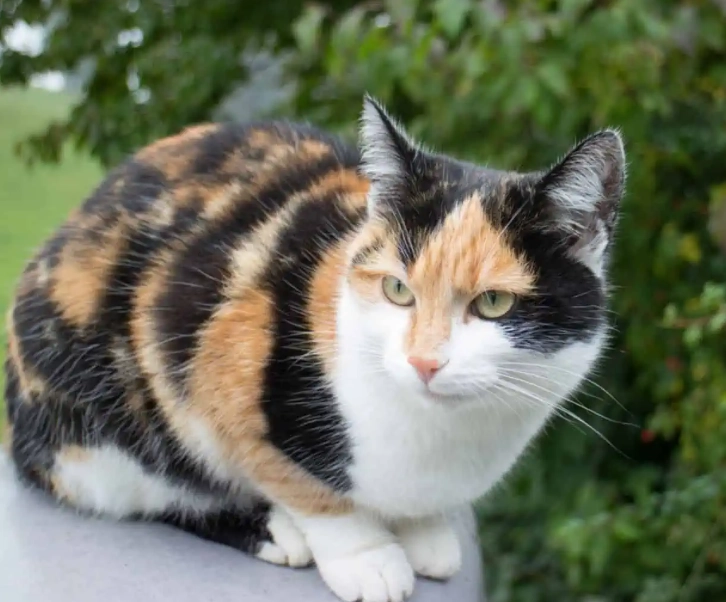
Genetics, not fashion, dictates that sharp tuxedo look. The pattern is called "piebald" or "bicolor." It's caused by a gene that limits where pigment cells (melanocytes) spread during embryonic development. Think of it like paint that didn't quite cover the entire canvas. The white areas are simply unpigmented.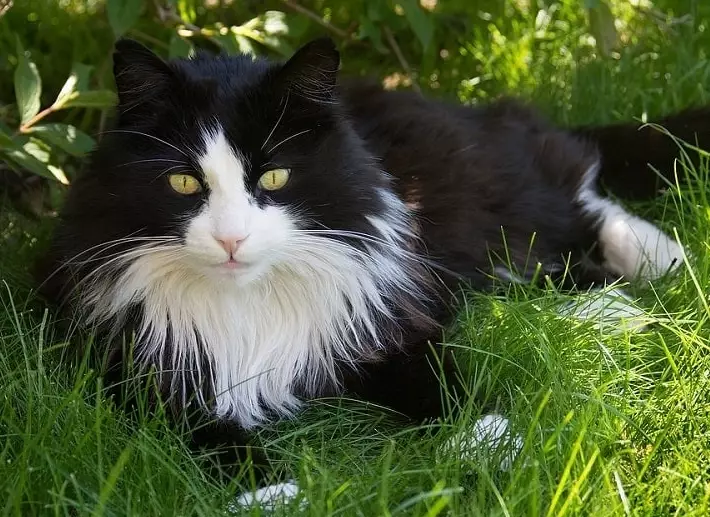
The Cat Fanciers' Association (CFA) has specific standards for bicolor patterns. A classic "tuxedo" typically has a solid black back, head, and tail, with a white chest, belly, and paws—like a little waiter. But variations are endless: you've got cats with black "caps" on their heads, lopsided mustaches, or even a single black spot on an otherwise white body (called a "mitted" pattern).
Popular Black and White Cat Breeds Deep Dive
While any domestic shorthair can rock the tuxedo look, several purebred cats are famous for their stunning bicolor coats. Here’s a breakdown of the most notable ones, moving beyond just a list to what they're actually like to live with.
| Breed | Classic Bicolor Pattern | Personality Vibe | Care & Grooming Focus | Best For... |
|---|---|---|---|---|
| British Shorthair | Dense, plush coat. Often a crisp, defined tuxedo on a round, sturdy body. | The gentle couch potato. Calm, undemanding, not overly vocal. More observer than participant. | Weekly brushing to manage shedding. Prone to weight gain—diet control is crucial. | Quiet households, apartments, first-time owners who want a low-drama companion. |
| Turkish Van | Distinctive pattern: primarily white with color confined to the head and tail. | The athlete. Energetic, intelligent, famously water-loving. Can be strong-willed. | Semi-longhaired, but single-coated (less matting). Brush 2-3 times a week. | Active families with space, owners who enjoy interactive play. Not a lap cat. |
| Maine Coon | Majestic, often with a white ruff and bib. Patterns can be dramatic. | The gentle giant. Friendly, dog-like, playful well into adulthood. Often chirp rather than meow. | Heavy grooming needs. Daily combing to prevent mats, especially under the arms and belly. | Families with children/dogs, spacious homes. Requires time and budget for grooming. |
| Manx | Can appear in any bicolor combination. The tailless or short-tailed rump is a key feature. | Intelligent and playful, almost rabbit-like in their hopping. Can be reserved with strangers. | Double coat needs brushing 2-3 times a week. Be aware of potential spinal issues (Manx Syndrome). | |
| Domestic Shorthair (The "Moggie") | Every variation imaginable. The most common tuxedo cat you'll meet. | A complete wild card. Personality is shaped more by individual experience and genetics than a breed standard. | Generally low-maintenance. Weekly brushing is sufficient for most. | Anyone! Adopting one lets you assess the individual cat's personality in a shelter or foster home. |
I've lived with a bicolor British Shorthair for years. That "calm" description is accurate, but it borders on stubborn. Getting him to move from his favorite spot requires negotiation, not a command. It's a common oversight to think low-energy means always compliant.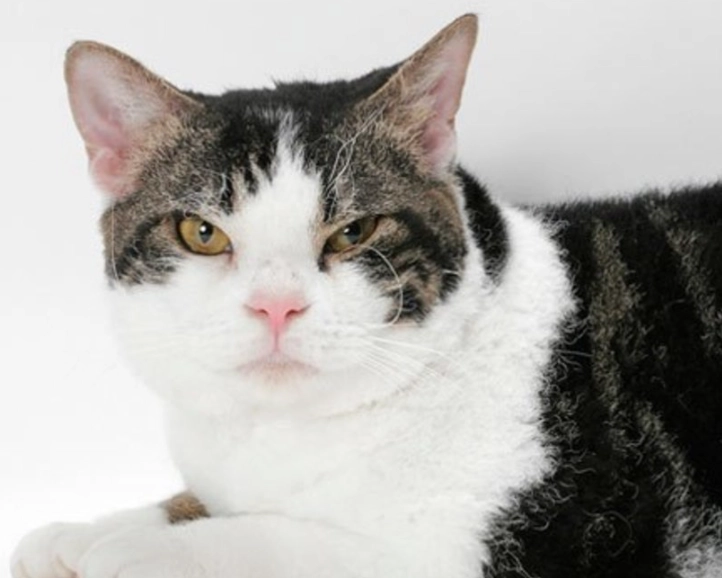
The Tuxedo Personality: Debunking the "Smarter" Myth
You'll hear it all the time: "Tuxedo cats are so smart!" Or more specifically, "They're the smartest color." Let's be real. There's zero scientific evidence linking coat color to intelligence in cats. The International Cat Association (TICA) doesn't recognize color-based personality traits.
So where does the myth come from? Confirmation bias. Their striking, expressive faces make their actions seem more deliberate. A black and white cat staring at a cabinet where treats are stored looks like a genius plotting; a solid grey cat doing the same might just seem hungry.
The personality is far more influenced by breed and individual upbringing. A bicolor Siamese mix will likely be vocal and clingy. A bicolor Ragdoll will be placid and floppy. The "tuxedo" part is just the suit they're wearing.
That said, many owners (myself included) swear their tuxedos have a certain dignified, almost theatrical demeanor. They seem to know they look good.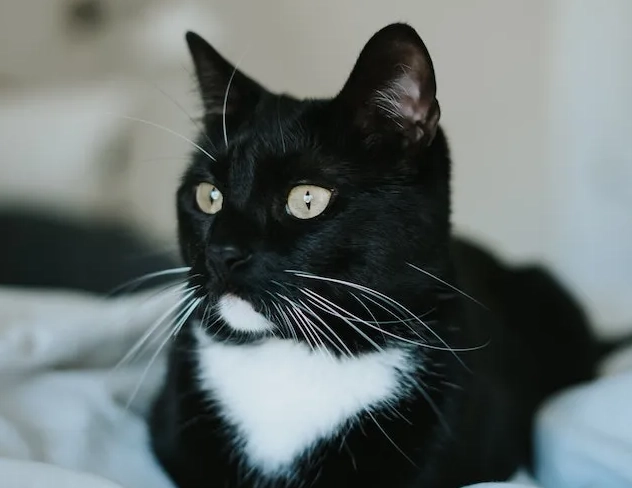
How to Care for Your Black and White Cat's Unique Coat
Here's a practical truth nobody talks about: white fur shows dirt, and black fur shows dandruff. Your grooming routine needs to address both.
- Brushing is Non-Negotiable: Use a fine-toothed comb or a rubber grooming brush. This removes loose hairs from the undercoat (which are often greyish and show up starkly on the black sections) and distributes skin oils evenly to reduce flakiness on the black fur.
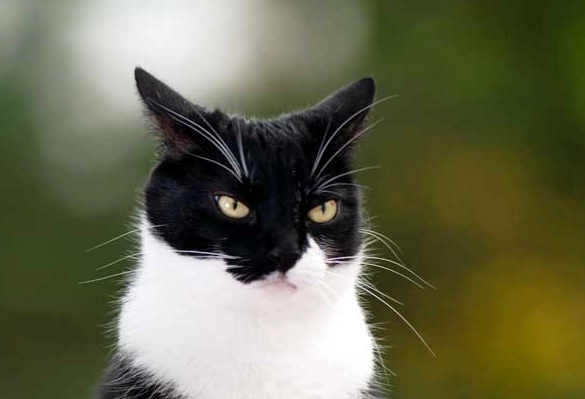
- Bath Time (Occasionally): For primarily white cats who go outside or have skin issues, a gentle, cat-specific whitening shampoo can help with stains. But don't overdo it—it can dry their skin. For most indoor cats, regular brushing is enough.
- Eye on the White Areas: The skin under white fur is more susceptible to sunburn. If your cat loves sunny spots, consider pet-safe sunscreen for ears and noses, especially for breeds with thin fur. The American Society for the Prevention of Cruelty to Animals (ASPCA) has lists of pet-safe products.
- Tear Stains: Some cats get reddish-brown tear stains. These are more noticeable on white fur. Wipe gently with a damp, soft cloth. If they're severe, consult a vet to rule out eye issues.
Health Considerations for Bicolor Cats
Coat color genetics can be linked to certain health predispositions. It's not a guarantee, but something to be aware of.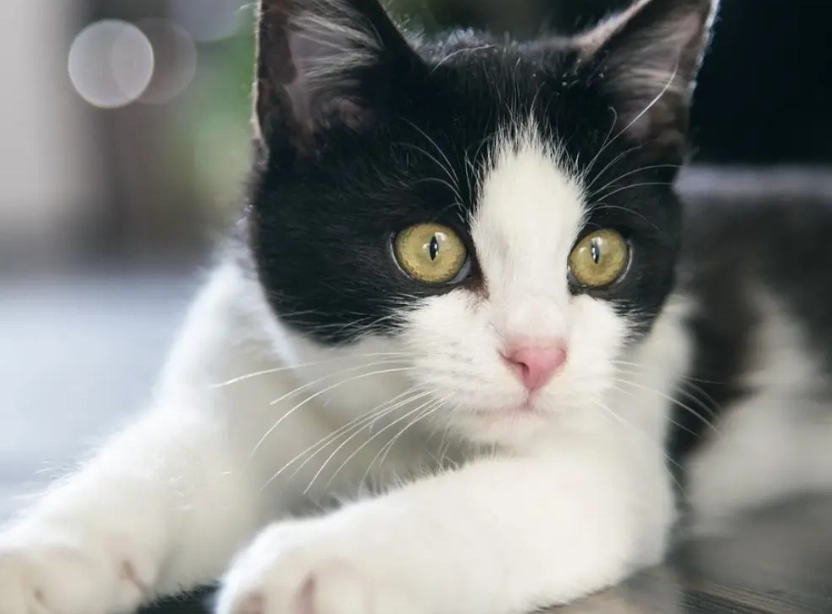
Cats with large areas of white fur, especially if they have blue eyes, have a higher chance of being born congenitally deaf in one or both ears. The gene linked to the white piebald spotting is also associated with the development of the inner ear. Not all white-eared cats are deaf, but it's a correlation noted by organizations like the Cornell Feline Health Center.
There's no evidence that black and white cats as a group are prone to specific diseases beyond their breed's typical risks. A tuxedo Maine Coon is still predisposed to hypertrophic cardiomyopathy (HCM). A tuxedo Persian may still have breathing issues. Your focus should be on breed-specific health screening, not color.
One practical tip: finding skin issues or parasites is easier on a bicolor coat than on a solid black one. You can spot flea dirt or redness more readily.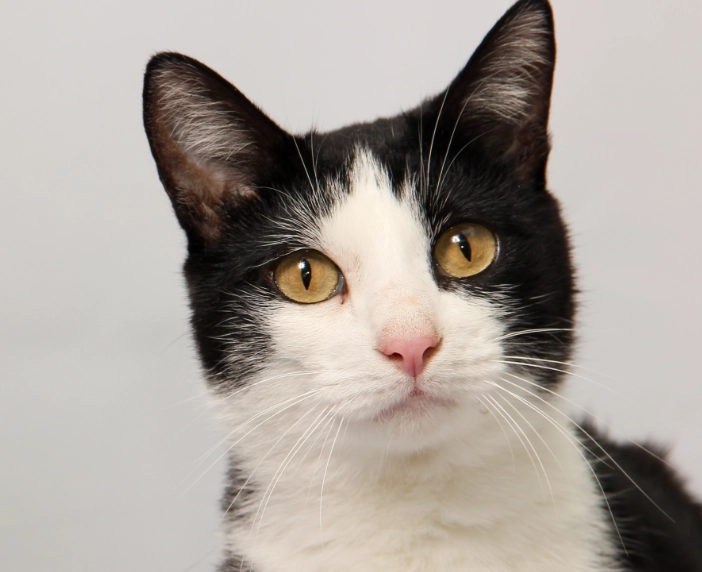
Your Black and White Cat Questions, Answered
Is it true that all tuxedo cats are male?
This is a persistent myth. The piebald (white spotting) gene is not sex-linked. I've fostered both male and female tuxedos in equal numbers. The ratio in your local shelter will likely be close to 50/50. The myth might stem from the fact that the more famous orange tabbies are predominantly male, leading to color-gender confusion.
My black and white cat's fur is turning rusty on the white parts. What's happening?
This is usually one of two things. First, saliva staining. If your cat is an over-groomer, the enzymes in their saliva can oxidize and turn the white fur reddish-brown. This warrants a vet check for underlying anxiety or allergies. Second, it could be porphyrins from tear ducts or even a mineral imbalance. A vet can differentiate. Sometimes, it's just from lying on a damp or dirty surface. Start with a vet visit to rule out medical causes before assuming it's cosmetic.
Are there any truly hypoallergenic black and white cat breeds?
No cat is 100% hypoallergenic, and coat color has nothing to do with it. Allergies are primarily triggered by the Fel d 1 protein in cat saliva and skin oils, not the fur itself. However, some breeds known for bicolor patterns, like the Siberian or the Balinese (a longhaired Siamese, which can be bicolor), are often reported to produce lower levels of Fel d 1. The only way to know is to spend time with an individual cat from that breed. Don't choose a breed based solely on color if allergies are a concern—focus on the breed's purported allergen levels and do a real-world test.
Why does my tuxedo cat always sit in the most photogenic poses?
Okay, this one might be in our heads. But their high-contrast markings naturally draw the eye to their posture and face. A cat stretched out on a dark sofa shows off its white belly. A cat sitting upright looks like it's wearing a formal shirt. We notice them more, so we attribute more intention to their poses. It's part of their magic—they make everyday moments look iconic.