Quick Navigation
- Origins and Background: Where Did This Mix Come From?
- Physical Characteristics: What Does a Siamese Ragdoll Shorthair Look Like?
- Personality and Temperament: The Heart of the Matter
- Health and Lifespan: What You Need to Watch For
- Care Guide: Keeping Your Hybrid Happy and Healthy
- Common Questions About Siamese Ragdoll Shorthairs (FAQs)
- Finding a Siamese Ragdoll Shorthair Kitten or Cat
- Final Thoughts: Is the Siamese Ragdoll Shorthair Right for You?
Let's be honest, cat breed names can get confusing. You hear "Ragdoll," you picture a fluffy, laid-back giant. You hear "Siamese," you think of a sleek, chatty acrobat. So what on earth is a Siamese Ragdoll Shorthair? Is it a designer breed, a happy accident, or something else entirely? If you've landed here, you're probably curious, maybe even considering bringing one of these unique cats into your life. I've spent a good chunk of time talking to breeders (the responsible ones), owners, and digging through resources from places like The International Cat Association to get the real story, not just the sales pitch.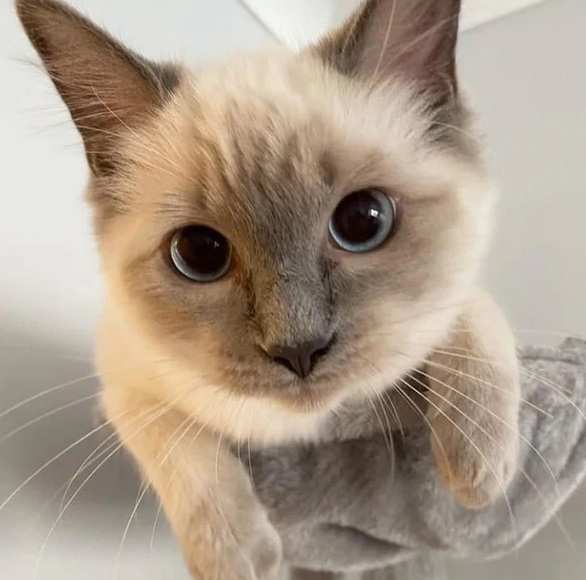
It's not an officially recognized breed like a Persian or a Maine Coon. Think of it more as a hybrid or a mixed breed with a very specific family tree. The goal, typically, is to blend the Ragdoll's famously relaxed, "floppy" demeanor with the Siamese's striking color points and intelligence, but in a shorter-coated package. Does it work? Well, sometimes. The results can be a bit of a lottery, which is a crucial thing to understand before you get your heart set on one.
Origins and Background: Where Did This Mix Come From?
You won't find the Siamese Ragdoll Shorthair in the history books of ancient cat breeds. This is a relatively recent development, stemming from the rise in popularity of both parent breeds and a desire among some cat enthusiasts to combine specific traits. The Ragdoll itself was developed in the 1960s in California by Ann Baker, as documented by the Ragdoll Fanciers Club. The Siamese, of course, is one of the oldest and most recognizable cat breeds, with origins in Southeast Asia.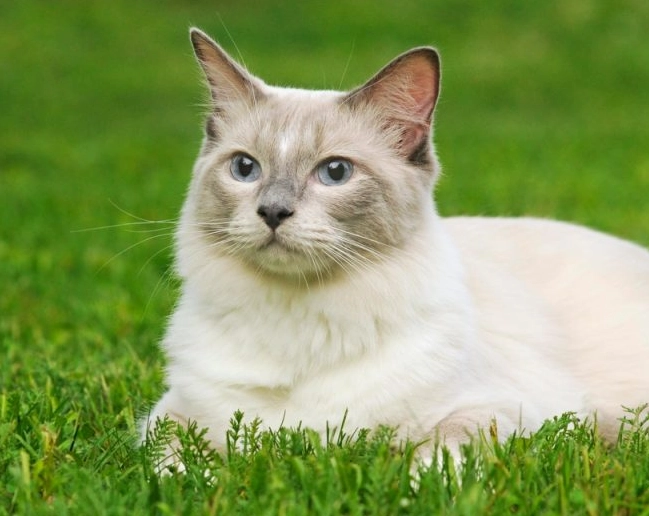
The intentional crossing of these two likely began a few decades ago. Some breeders aimed to introduce the Siamese's shorter coat and sharper color contrast into the Ragdoll line, perhaps to reduce grooming needs or alter body type. Others may have simply had accidental litters between the two breeds and found the offspring appealing. It's critical to note that because this isn't a standardized breed, there's no guarantee which traits a kitten will inherit. You're essentially looking at a first-generation (F1) or multi-generational mix, and genetics can be unpredictable.
This lack of standardization is a double-edged sword. It means every Siamese Ragdoll Shorthair is truly unique, but it also means you can't rely on breed standards for predicting health, size, or temperament with 100% accuracy. Reputable breeders who work with these mixes will be transparent about this and focus on health and temperament above all else.
Physical Characteristics: What Does a Siamese Ragdoll Shorthair Look Like?
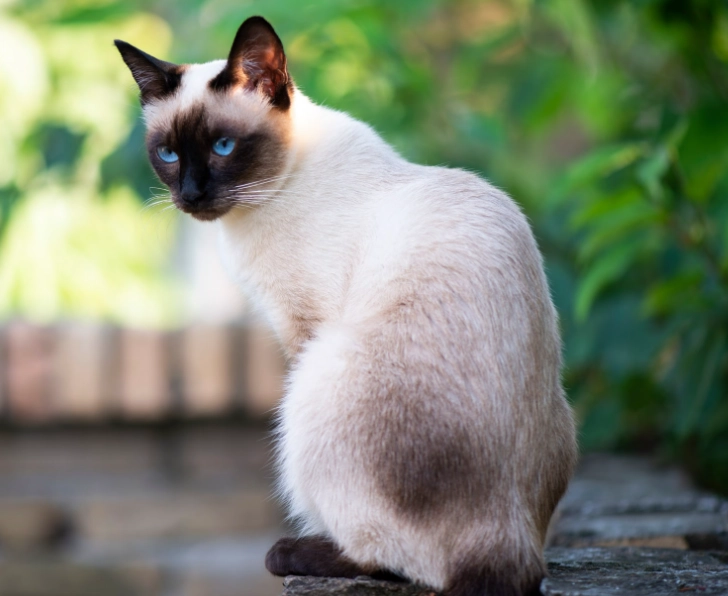
Imagine a spectrum. On one end, you have the classic, color-pointed, sapphire-eyed Siamese with a slender, tubular body and short, fine coat. On the other, the large, semi-longhaired, blue-eyed Ragdoll with a softer body type and a plush coat. A Siamese Ragdoll Shorthair can land anywhere in between, though the "shorthair" descriptor aims it toward the Siamese side of the scale.
Here's a breakdown of common physical traits, but remember, your mileage may vary:
Coat and Color
The coat is typically short to medium in length, inheriting more from the Siamese side. It's soft, but not the plush, rabbit-like fur of a full Ragdoll. The undercoat is minimal, which is good news for shedding—though they still shed, don't let anyone tell you otherwise! The color is always pointed. The body color is a lighter shade (cream, white, fawn), dramatically contrasting with the darker points.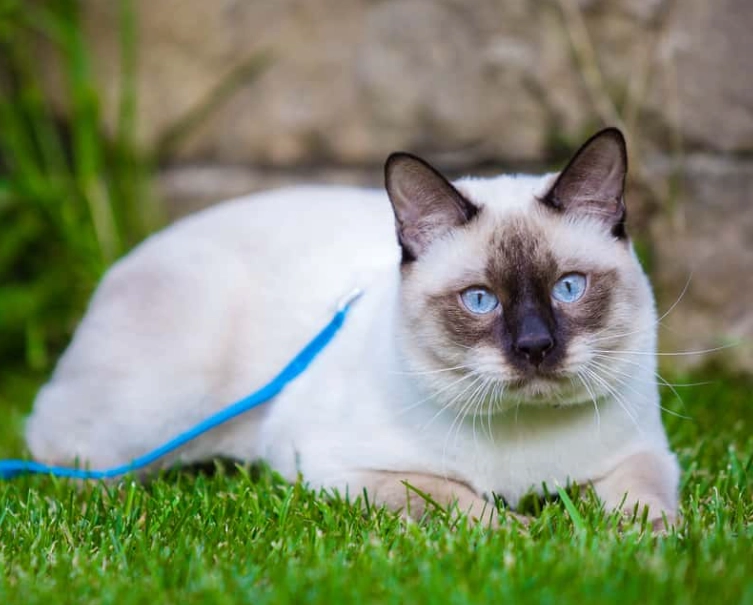
Eyes
This is where the magic often happens. Both breeds are known for stunning blue eyes, and this mix frequently inherits deep, vivid blue eyes. Sometimes you might see a slightly lighter blue or even a blue-green hue, but brilliant blue is the most common and sought-after trait.
Body Type and Size
This is the biggest variable. They tend to be medium to large-sized cats, often leaning towards the Ragdoll's substantial bone structure but without the extreme heaviness. They are not as slender as a show-style Siamese nor as cobby as some other breeds. It's a muscular, moderate build. Males can often weigh between 10 to 15 pounds, females a bit less.
| Trait | Inherited from Siamese | Inherited from Ragdoll | Common Result in the Mix |
|---|---|---|---|
| Coat Length | Short, fine | Semi-long, plush | Short to medium, soft |
| Body Type | Slender, tubular | Large, substantial | Moderate to large, muscular |
| Eye Color | Vivid Blue | Deep Blue | Brilliant Blue (most common) |
| Pattern | Color Point | Color Point, Mitted, Bicolor | Color Point (seal, blue, etc.) |
| Voice | Loud, frequent | Soft, infrequent | Moderate to vocal (a real wild card) |
Personality and Temperament: The Heart of the Matter
If looks are a lottery, personality is the main event. This is where people have the strongest hopes and, sometimes, the biggest surprises. The dream is a cat with the Ragdoll's sweet, relaxed, lap-cat nature and the Siamese's playful intelligence and loyalty. The reality can be a fascinating blend, but it can also lean heavily one way.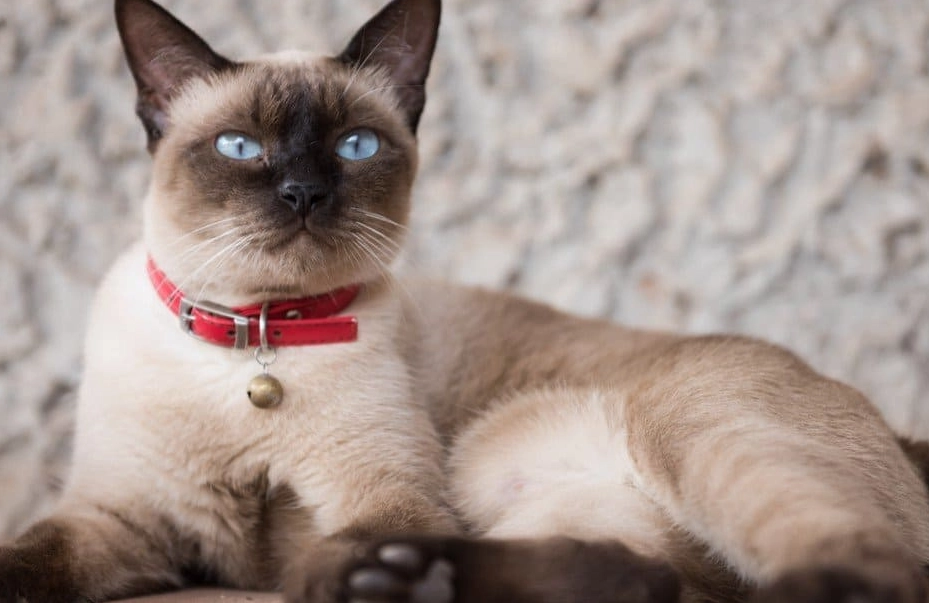
Social Butterflies and Shadow Companions
One trait that usually comes through strongly is sociability. Both parent breeds are people-oriented. A Siamese Ragdoll Shorthair will likely want to be where you are. They might follow you from room to room, supervise your work, and insist on being involved in household activities. This isn't an aloof, independent cat. They can form incredibly strong bonds with their primary person or family. This can tip into separation anxiety if left alone for very long periods consistently.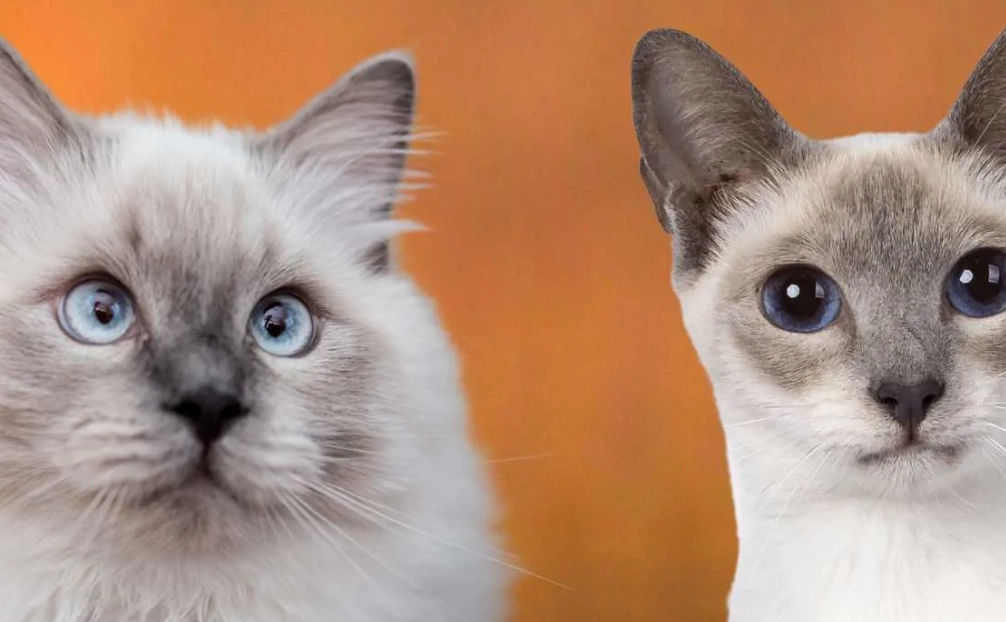
Intelligence and Play
Get ready for a smart cat. The Siamese influence brings problem-solving skills and curiosity. They enjoy interactive toys, puzzle feeders, and even learning tricks. A bored Siamese Ragdoll mix might just invent their own games, which could involve redecorating your shelves. Regular, engaging playtime is not a luxury; it's a necessity to keep them happy and out of mischief.
The Vocal Question: Will They Talk My Ear Off?
This is the biggest crapshoot. The Siamese is famously, gloriously loud and opinionated. The Ragdoll is known for being quiet. Your Siamese Ragdoll Shorthair could be a silent observer, a cat who chirps and trills softly, or a full-blown conversationalist who comments on everything you do. Most fall somewhere in the middle—more vocal than the average cat, but not necessarily operatic. Be prepared for some level of conversation.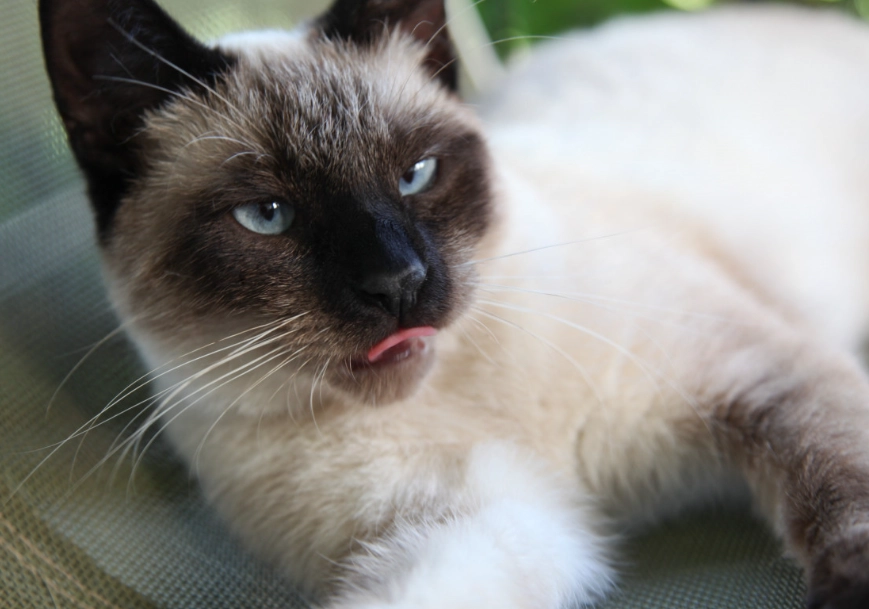
How do they do with kids and other pets? Generally very well, thanks to the Ragdoll's gentle reputation and the Siamese's social nature. They tend to be patient and adaptable. Early socialization is still key, but they often become beloved members of a busy household.
Health and Lifespan: What You Need to Watch For
Hybrid vigor is a concept often mentioned with mixed breeds—the idea that crossing two genetically diverse populations can reduce the risk of inherited diseases. While this can be true, it doesn't make the Siamese Ragdoll Shorthair immune to health issues. They can be prone to conditions common in their parent lines.
A responsible breeder of Siamese Ragdoll Shorthair kittens will screen the parent cats for known genetic issues. You should ask for proof of health testing. Here are the main concerns to be aware of:
- Hypertrophic Cardiomyopathy (HCM): This is a form of heart disease that is a known concern in both Ragdolls and Siamese cats. Reputable breeders will have their breeding cats screened regularly by a cardiologist. The Feline Health Center at Cornell University provides excellent resources on understanding HCM.
- Progressive Retinal Atrophy (PRA): An eye disease that can lead to blindness. Genetic testing is available for the mutations common in certain breeds.
- Dental Issues: Siamese and related breeds can be predisposed to gingivitis and periodontal disease. A good dental care routine from a young age is crucial.
- Crossed Eyes & Kinked Tails: These were once more common in Siamese lines due to the point gene association. Modern breeding has reduced them, but they can still occasionally appear as harmless quirks.
With proper care, a balanced diet, regular vet check-ups, and an indoor lifestyle, a Siamese Ragdoll Shorthair can have a lifespan similar to its parent breeds, typically ranging from 12 to 18 years. Keeping them at a healthy weight is particularly important to avoid stress on their joints and heart.
Care Guide: Keeping Your Hybrid Happy and Healthy
Caring for a Siamese Ragdoll Shorthair isn't overly complicated, but it needs to be consistent. Their needs are a direct reflection of their personality and physical traits.
Grooming Needs
This is the easy part! Their short coat only requires a quick brush once a week to remove loose hair and distribute skin oils. During shedding seasons (spring and fall), you might want to brush them twice a week. Bathing is rarely necessary unless they get into something messy. Don't forget nail trims every couple of weeks and weekly teeth brushing.
Nutrition and Diet
Feed a high-quality, protein-rich cat food appropriate for their age and activity level. These are medium to large, often active cats, so portion control is key to prevent obesity. I'm a fan of using puzzle feeders or slow-feed bowls to mimic hunting and prevent gobbling. Always ensure fresh water is available. Consult your vet for specific dietary recommendations, especially if you notice any food sensitivities.
Exercise and Enrichment
This is non-negotiable. A bored Siamese Ragdoll Shorthair is a destructive one. They need both physical and mental stimulation daily.
Play with them interactively for at least 20-30 minutes a day, split into sessions. They also enjoy solo toys like balls and mice. Rotate toys to keep things interesting.
Litter Box and Environment
Provide a large, clean litter box. These cats appreciate cleanliness. Scoop daily and change the litter regularly. Place the box in a quiet, accessible location. As for the environment, they love vertical space. Cat trees, shelves, and window perches allow them to survey their domain, which satisfies their Siamese-like curiosity and Ragdoll-like desire for a good nap spot.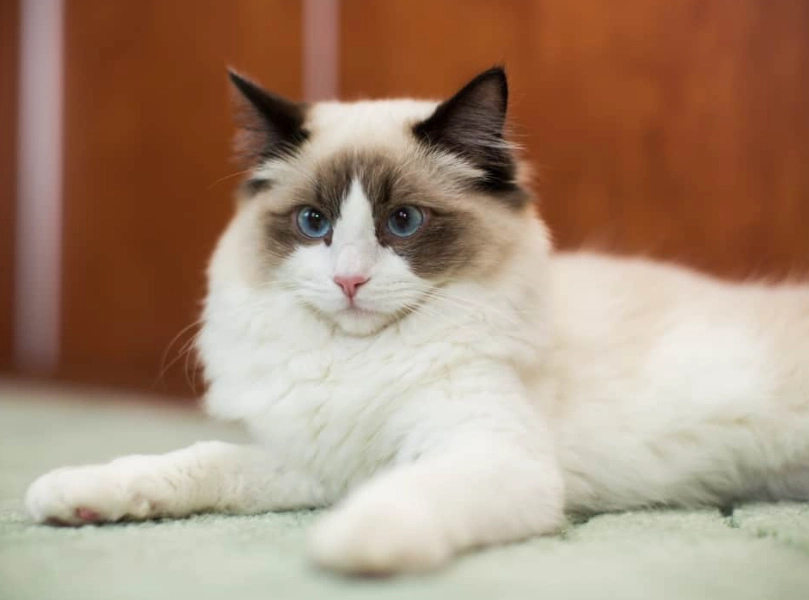
Common Questions About Siamese Ragdoll Shorthairs (FAQs)
Let's tackle some of the most frequent questions I see from potential owners.
Are Siamese Ragdoll Shorthairs hypoallergenic?
No cat is truly hypoallergenic. While their shorter coat may produce less dander than a longhaired cat, they still produce the Fel d 1 protein in their saliva, which is the primary allergen. If you have allergies, spend time with a Siamese Ragdoll Shorthair before committing to see how you react.
How much does a Siamese Ragdoll Shorthair kitten cost?
Price varies widely based on breeder reputation, location, and the kitten's traits. From a responsible breeder focusing on health and temperament, expect to pay anywhere from $800 to $2,000. Be wary of prices that seem too good to be true. Always visit the breeder, meet the parents, and ask for health clearances.
Are they good for first-time cat owners?
They can be, provided the owner is prepared for their social and intellectual needs. A first-time owner who is home often and ready to engage actively with their pet will do well. Someone looking for a completely low-maintenance, solitary cat should look elsewhere.
Do they get along with dogs?
Generally, yes. Their adaptable and social nature often extends to dog siblings, especially if introduced properly and gradually. The dog's temperament is, of course, a major factor. A calm, cat-respectful dog is ideal.
What's the difference between a Siamese Ragdoll Shorthair and a Tonkinese?
This is an excellent question! The Tonkinese is a recognized breed that is a cross between Siamese and Burmese. While both are Siamese mixes, the Tonkinese has a different look (often aqua eyes, a mink coat pattern) and a distinct personality profile (often described as "dog-like" in a different way). The Ragdoll mix aims for a larger, more relaxed cat compared to the Tonkinese's moderate build and playful energy.
Finding a Siamese Ragdoll Shorthair Kitten or Cat
This is the most important step. Due to the mix's non-standard status, finding an ethical source is crucial.
- Reputable Breeders: Look for breeders who are transparent, prioritize health testing (HCM scans, PRA tests), raise kittens in their home with socialization, and ask you as many questions as you ask them. They should be knowledgeable about both parent breeds. Avoid breeders who have multiple litters available year-round or who won't let you visit.
- Rescue and Adoption: Don't overlook shelters and breed-specific rescues! While a purebred Siamese or Ragdoll mix might be rare, many wonderful cats with similar appearances and personalities end up in shelters. Check organizations like ASPCA or local shelters, and let them know what you're looking for.
Final Thoughts: Is the Siamese Ragdoll Shorthair Right for You?
The Siamese Ragdoll Shorthair is not a cat for everyone, but for the right person or family, it can be an absolutely enchanting companion. They offer a captivating blend of beauty, brains, and affection.
Choose this mix if: You want a social, interactive companion; you are home often or have a lively household; you're ready to provide daily play and mental stimulation; you love the pointed look but prefer less grooming; and you understand the variability in their personality.
Think twice if: You need a completely quiet, low-energy cat; you are away from home for very long hours regularly; you want a predictable, standardized breed with guaranteed traits; or you are on a very tight budget (consider initial cost and potential health care).
In the end, bringing any cat into your life is a commitment. The Siamese Ragdoll Shorthair, with its unique heritage and charismatic presence, asks for a little more engagement in return for a lot of love and companionship. Do your homework, ask the hard questions, and if it's a match, you might just gain a remarkable furry friend for years to come.