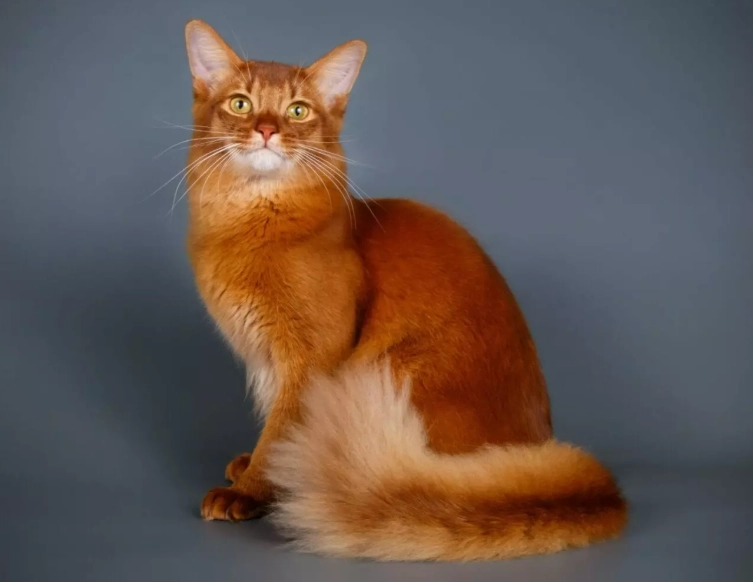
If you've ever seen a Somali cat, the first thing that grabs you is the coat. It's not just fur; it's a cascade of warm, ticking color that seems to glow from within. People call them "fox cats" for a reason. But here's something most basic breed guides miss: understanding Somali cat colors isn't just about picking the prettiest one. It's about genetics, care, and sometimes, managing expectations if you're thinking about showing or breeding. I've been around Somalis for over a decade, and I still see newcomers surprised by how a kitten's color can change, or frustrated when a "ruddy" coat looks dull. Let's fix that.
What's Inside?
The Somali Signature: More Than Just "Ruddy"
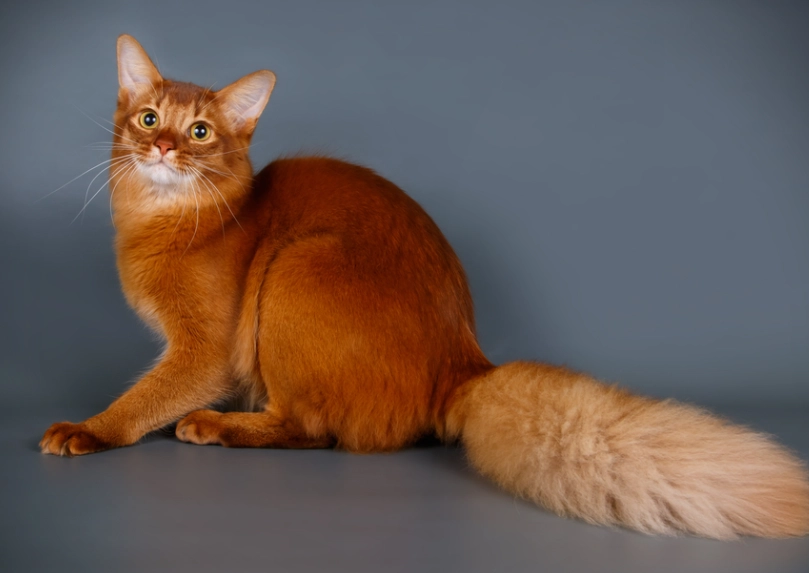
Every Somali coat shares two defining features: ticking and ruffs. Ticking means each hair has multiple bands of color. It's not a solid strand. A single hair on a ruddy Somali might go from apricot at the root, to black in the middle, back to apricot at the tip. This creates incredible depth and a shimmering effect in sunlight. The ruff—that magnificent collar of fur around the neck—and the fluffy breeches on the hind legs amplify this effect, making the cat look wrapped in a colorful, textured cloak.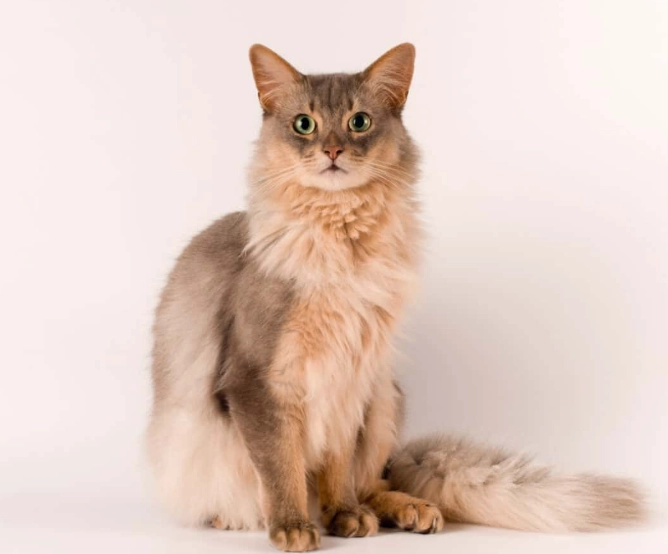
The breed standard, as outlined by major associations like The Cat Fanciers' Association (CFA), emphasizes clarity and warmth of color. Muddy or smudged ticking is a fault. The goal is a clear, bright contrast between the bands.
Here's a practical observation many miss: lighting is everything. A Somali's coat in a dim room looks good. Under natural sunlight or warm indoor light, it becomes breathtaking. When evaluating a Somali's color, always ask to see it in good light.
The Official Color Palette: From Common to Rare
While "ruddy" is the poster child, the Somali color family has several recognized members. Think of them as variations on a beautiful theme, each with its own genetic code and appeal.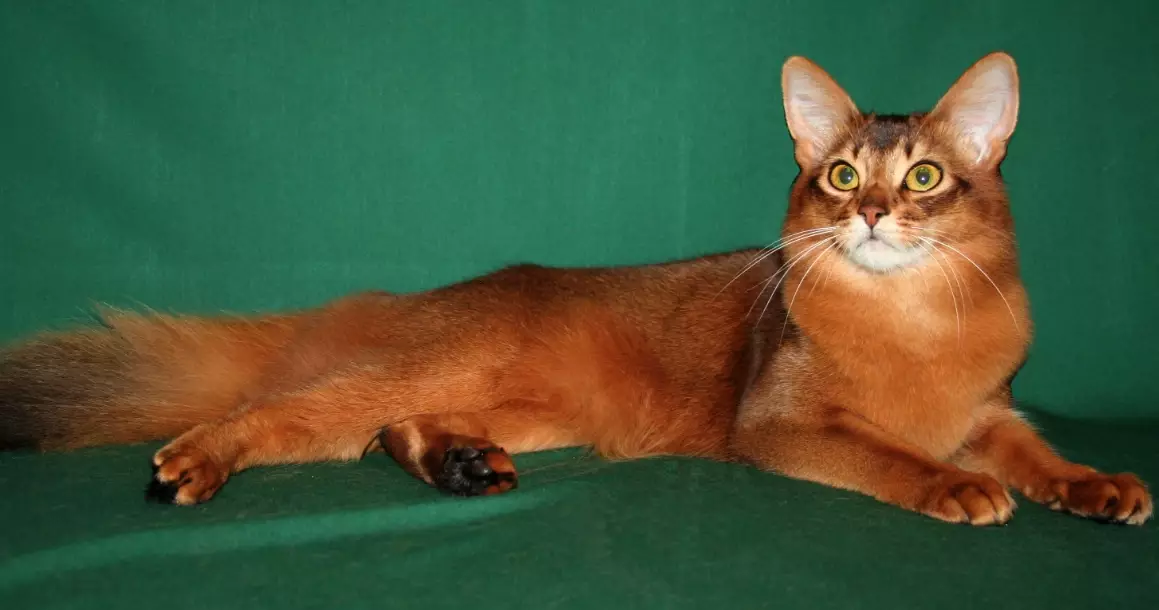
| Color Name | Appearance & Ticking Bands | Nose Leather & Paw Pads | Status |
|---|---|---|---|
| Ruddy | Warm reddish-apricot base with black ticking. The tail tip and "thumbprints" on the ears are black. The classic "fox" color. | Rosy brick red. Paw pads are black. | Most common and widely recognized. |
| Red (Sorrel) | Rich, coppery-red base with chocolate brown ticking. Often appears brighter and more vibrant than ruddy. No black hairs. | Rosy pink. Paw pads are pink. | Common, a favorite for its bright warmth. |
| Blue | Soft, slate-blue base with darker slate-blue ticking. A diluted, cooler version of ruddy. Elegant and subtle. | Slate blue. Paw pads are mauve. | Less common but recognized. |
| Fawn | Pale, creamy rose-beige base with light cocoa ticking. A diluted version of red/sorrel. Exceptionally soft and delicate. | Pale pink. Paw pads are pink. | Less common but recognized. |
| Ruddy Silver / Blue Silver etc. | Pure silvery-white base with ticking in the respective color (black, chocolate, blue, etc.). The undercoat is white, creating a striking, sparkling effect. | Matches the ticking color (e.g., brick for ruddy silver). Paw pads match ticking color. | Recognized but can be rarer in show lines. Stunning but requires specific breeding. |
You might hear about chocolate, lilac, or cinnamon Somalis. These are not recognized for championship status in major associations like CFA, but they do exist in some breeding programs, particularly in Europe or among breeders focusing on new colors. They're fascinating from a genetic perspective but come with a big caveat: finding a breeder ethically working with these colors while maintaining the Somali's health and type is crucial.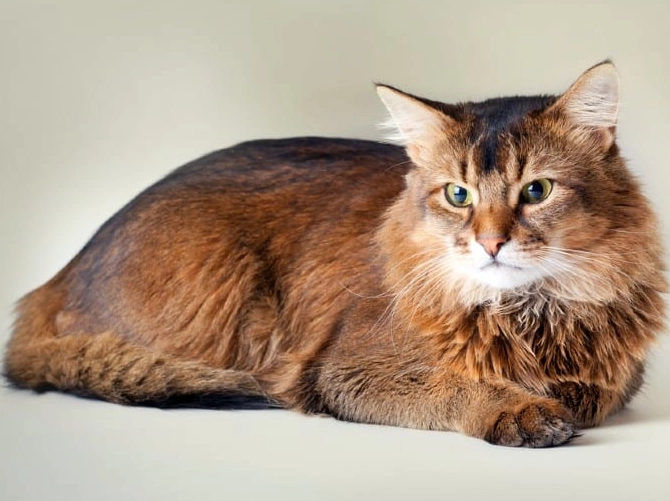
Pro Tip: Kittens are born dark. That stunning ticking and warm base color develop over time. Don't judge a 12-week-old Somali's final color—it can take up to 18-24 months for the coat to fully mature and reach its peak brilliance.
Coat Care Secrets for Maximum Color Brilliance
A Somali's coat is low-maintenance structurally—it rarely mats. But to make those colors pop, you need a strategy. Dull fur makes even the best ticking look flat.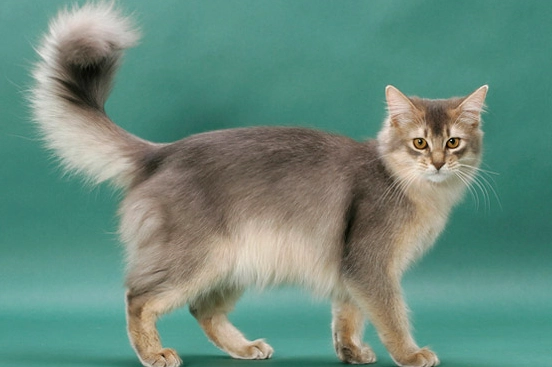
Grooming: It's Not Just About Tangles
Twice-a-week brushing with a fine-toothed steel comb and a natural bristle brush is ideal. The comb gets through the dense undercoat, the brush distributes natural oils and adds shine. This isn't just grooming; it's a massage that stimulates blood flow to the skin, promoting healthier hair growth. I've seen coats transform from good to radiant with this consistent routine.
A common mistake? Bathing too often with harsh shampoos. It strips the oils that give the coat its luster. Bathe only when necessary (maybe 2-3 times a year), and use a high-quality, moisturizing cat shampoo. After the bath, a thorough, gentle blow-dry on low heat while brushing will fluff up the coat and make the ticking stand out dramatically.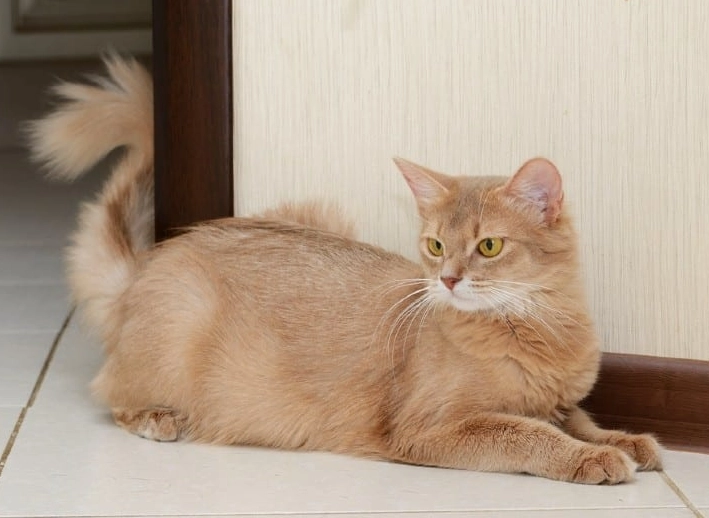
Diet: The Color Comes From Within
This is the most overlooked factor. You can't brush in color. A diet rich in high-quality animal proteins and fats is non-negotiable. Look for foods with named meat meals (chicken meal, salmon meal) at the top of the ingredient list. Omega-3 and Omega-6 fatty acids are your secret weapons—they improve skin health and coat shine. A teaspoon of sardines in water (no salt) once a week or a vet-recommended fish oil supplement can work wonders.
I recall a ruddy Somali whose coat had a dull, brownish cast. The owner was using a grocery-store brand food high in grains. After a slow transition to a premium, protein-focused diet, within three months the coat regained its apricot warmth and the black ticking became jet-black and crisp. The change was remarkable.
Watch Out: Sun bleaching. Just like human hair, a Somali's coat can be lightened by prolonged sun exposure. A ruddy cat who sunbathes all day might develop a bleached-out, orangey look on its back. It's not harmful, but it does affect the color clarity prized in the show ring.
Color Genetics 101 for Somali Breeders & Enthusiasts
If you're just a fan, you can skip this. But if you're curious about how a red and a blue Somali can produce fawn kittens, here's the simplified version. Somalis inherit their color genes from both parents. The key players are:
- Black (B) vs. Chocolate (b) vs. Cinnamon (b'): This series controls the dark ticking color. Ruddy has black (B). Chocolate and cinnamon are recessive variants.
- Dilute (d): This gene "dilutes" colors. Black becomes blue, chocolate becomes lilac, cinnamon becomes fawn, and red becomes cream. A cat needs two copies of dilute (dd) to show the diluted color.
- Red (O): This sex-linked gene on the X chromosome creates red pigment. Males (XY) only need one copy to be red. Females (XX) need two copies to be red; one copy creates tortoiseshell or patched patterns.
So, a blue Somali is genetically a ruddy with two dilute genes (black ticked + dd). A fawn is a cinnamon-based Somali with two dilute genes. This is why ethical breeding for color requires careful pairing and testing—it's easy to accidentally breed for colors that aren't standard if you're not tracking these genes.
My advice to new breeders? Master the standard colors first. The quest for "rare" colors like lilac can lead to narrow gene pools if you're not extremely careful and knowledgeable. Health and type should always come first.