Quick Navigation
- Why Are Bengal Cats So Expensive in the First Place?
- The Biggest Factors That Determine a Bengal Cat's Price
- What Do Bengal Cats Actually Cost? A Realistic Price Breakdown
- Beyond the Kitten Price: The Cost of Owning a Bengal
- How to Find a Reputable Breeder (And Avoid Scams)
- Common Questions About Expensive Bengals
- Final Thoughts: Is an Expensive Bengal Cat Right for You?
Let's be honest, the first time you see a price tag for a Bengal kitten, your eyes might pop out a little. I remember scrolling through breeder websites a few years back, thinking there was a typo. Two thousand? Five thousand? I even saw one listed for over ten thousand dollars. It's enough to make you wonder if they're made of gold. But here's the thing – after spending countless hours talking to breeders, owners, and even a few vets, I started to understand why. The price of a Bengal cat, especially the most expensive Bengal cat you can find, isn't just a random number. It's a story. A story of genetics, effort, rarity, and sometimes, just pure, stunning beauty.
This isn't about judging whether they're "worth it." That's a personal choice, like buying a piece of art or a luxury car. This guide is about pulling back the curtain. If you're curious, confused, or seriously considering bringing one of these spotted marvels home, you deserve to know exactly what goes into that cost. We'll break down every single factor, from the glitter in their coat to the paperwork in their file, and even talk about how to avoid getting ripped off. Because knowing what makes the most expensive Bengal cat so pricey is the first step in making a smart decision, whether you're buying one or just admiring from afar.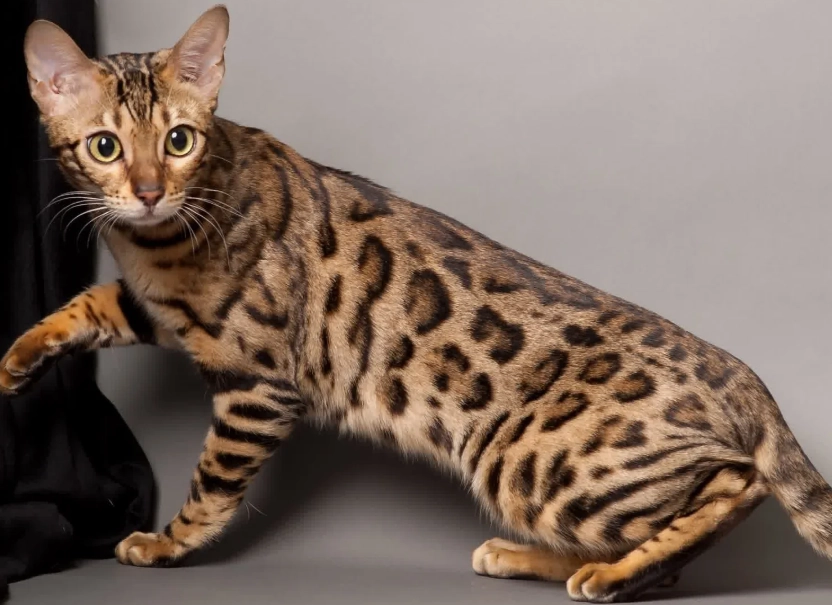
Why Are Bengal Cats So Expensive in the First Place?
It's the million-dollar question (or, more accurately, the ten-thousand-dollar question). You can get a wonderful domestic cat from a shelter for a fraction of the cost. So what's the deal with Bengals? It boils down to three big things: their wild ancestry, the immense effort responsible breeders put in, and basic supply and demand.
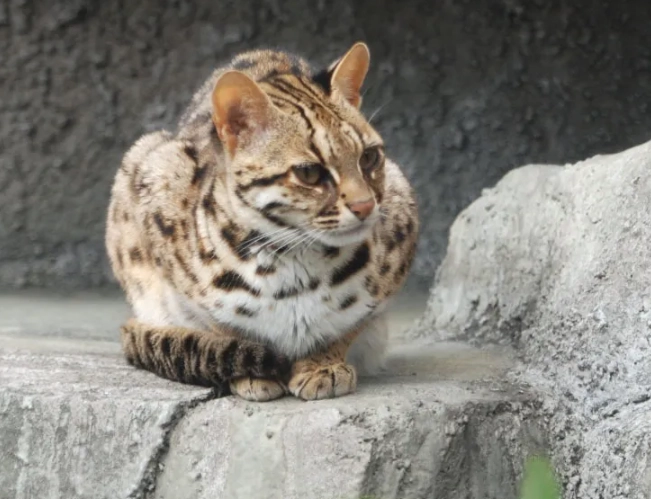
The Bengal breed is a hybrid. It started with crossing domestic cats with the Asian Leopard Cat (a small, wild feline). That wild blood (which is carefully diluted over generations to create safe, sociable pets) is where the stunning rosettes, muscular build, and that crazy energy come from. But working with wild genetics is complex and slow. Reputable breeders follow strict programs to ensure health and temperament, which takes years and significant investment. It's not a quick process you can rush in a backyard.
Then there's the breeder's work. Think about it. A good breeder isn't just putting two cats together. They're doing genetic health testing (for things like PK-Def and PRA-b, which we'll get to), providing top-tier veterinary care, premium food, and intense socialization from birth. The kittens are handled constantly, exposed to different sounds and people, and taught to use the litter box. This early-life care is incredibly labor-intensive and costly. You're paying for that head start.
And finally, people want them. The demand for these beautiful, exotic-looking cats is high. When you combine high demand with a relatively low supply (ethical breeding can't be scaled up like a factory), prices stay high. The most expensive Bengal cat specimens represent the pinnacle of all these factors.
The Biggest Factors That Determine a Bengal Cat's Price
Okay, let's get into the nitty-gritty. Why might one Bengal cost $1,500 and another cost $8,000? It's not arbitrary. Here’s a breakdown of what moves the needle on price. I've seen all of these play out in real listings.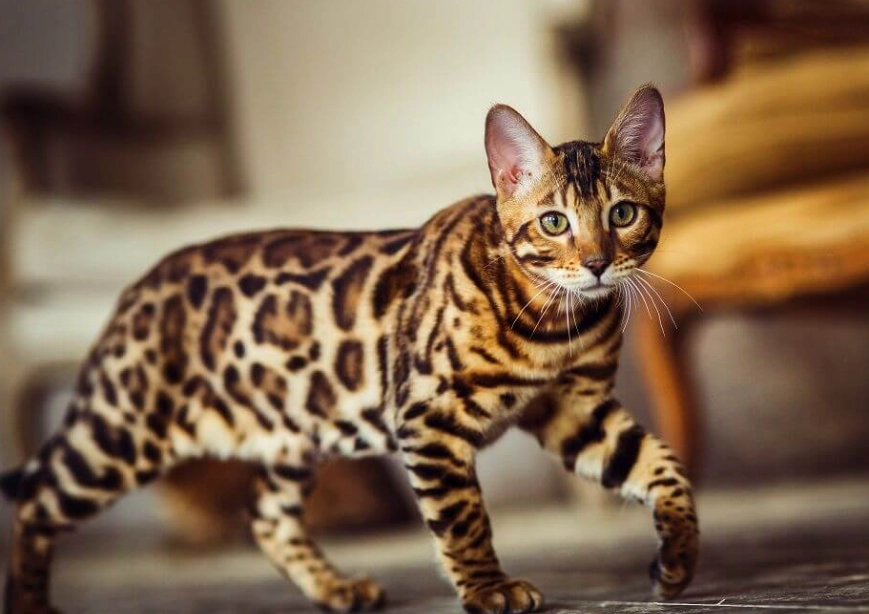
1. Generation (F-Series)
This is a big one and often misunderstood. The "F" stands for filial generation, and it indicates how many generations removed the cat is from its wild ancestor.
F1, F2, F3: These are early-generation Bengals, often called "foundation" or "early-generation" cats. They have a percentage of wild Asian Leopard cat in them. They are not typically sold as petsThey are almost always sold only to experienced breeders for breeding programs, under strict contracts, and can be extremely expensive (think $5,000 to $20,000+). They require very specialized care and are not for the average owner. Let me be clear: if someone is offering you an F1 or F2 Bengal as a pet kitten, that's a major red flag.
F4 and Beyond (SBT): Once you get to the fourth generation and beyond, the cat is considered a "Stud Book Traditional" (SBT) Bengal. This is what you find as a family pet. SBT means the cat has at least three generations of Bengal-to-Bengal breeding. These are the stable, socialized pets you see in homes. The price for a quality SBT pet kitten is what we usually discuss.
2. Coat Color & Pattern (The Showstoppers)
This is where aesthetics really drive the price up. All Bengals are beautiful, but some colors and patterns are rarer and more sought-after.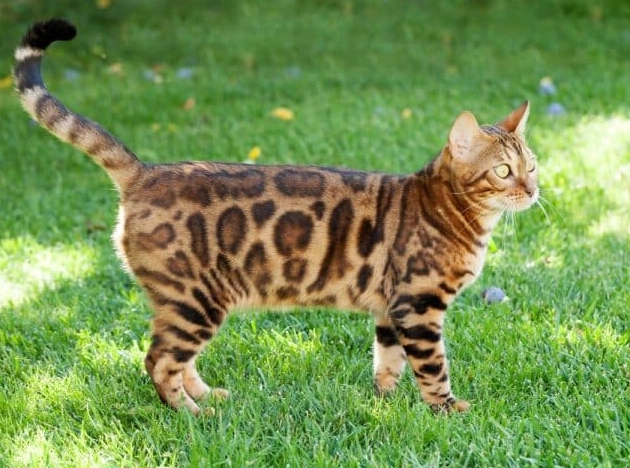
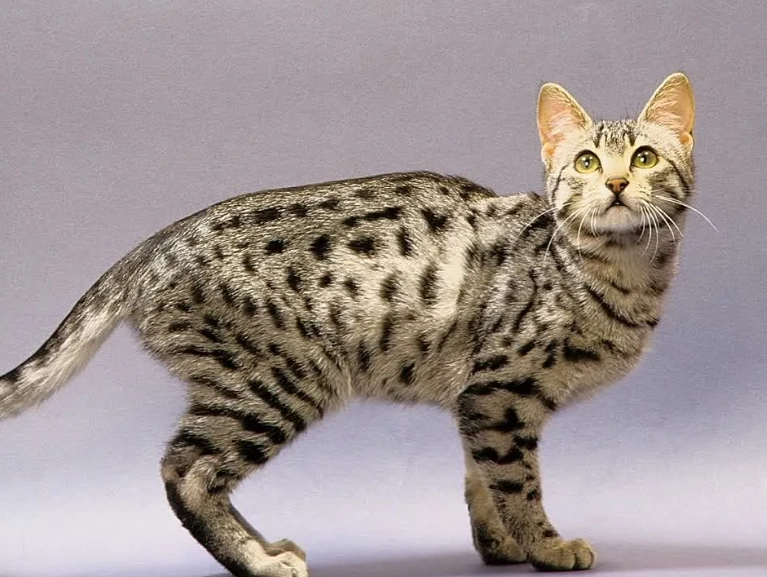
- Rosetted vs. Spotted: Rosettes are those beautiful, donut-shaped or paw-print-shaped markings. They are more desirable than simple spots. A high-contrast, well-defined rosette pattern can add significantly to the cost.
- The "Glitter" Gene: Some Bengals have a gene that makes their fur look like it's been dusted with gold or pearl glitter, especially in the sun. It's a stunning effect that many buyers love, and breeders often charge more for glittered coats.
- Rare Colors: The classic brown spotted/rosetted is common. But silver Bengals (a cool, grey base coat) are popular and often pricier. Even rarer and usually commanding the highest prices are the "blue" (a soft grey/blue tone) and "charcoal" Bengals (with a darker, smoky overlay). A kitten from one of these rare color lines can easily be among the most expensive Bengal cat offerings from a cattery.
- Marbling: While spots are classic, the marbled pattern (swirling, flowing patterns rather than distinct spots) is also highly prized, especially if the contrast is sharp and the pattern is clear.
3. Breeder Reputation & Ethics
This is huge. A kitten from a reputable, ethical breeder will cost more, and for good reason. Here's what you're paying for:
- Health Testing: Reputable breeders genetically test their breeding cats for heritable diseases common in Bengals, like Progressive Retinal Atrophy (PRA-b) and Pyruvate Kinase Deficiency (PK-Def). They should provide you with these test results. This testing is expensive but crucial for healthy kittens.
- Veterinary Care: Kittens get vet checkups, deworming, and their first set of vaccinations before they go home. A good breeder covers all of this.
- Socialization: Kittens are raised underfoot, not in a barn or isolated cage. They are handled daily, exposed to household noises, and often litter-box trained. This early work is invaluable.
- Contract & Support: A good breeder provides a contract that includes a health guarantee and often requires you to spay/neuter if buying a pet-quality cat. They are also a resource for life for questions and advice.
A backyard breeder or kitten mill will have a much lower price tag, but you risk getting a sick, unsocialized, or genetically compromised kitten, leading to massive vet bills and heartache down the line. The initial savings are never worth it.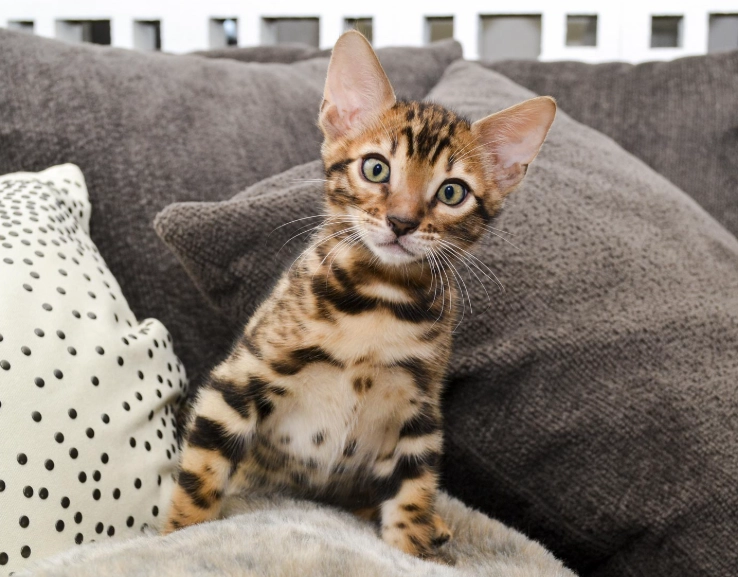
4. Show Quality vs. Pet Quality
Breeders often grade their kittens. Pet quality kittens are perfectly healthy and wonderful companions but may have a minor cosmetic "flaw" in the eyes of the show standard—perhaps their spots aren't perfectly aligned, or their color is a bit off-standard. These are the most affordable.
Show/Breeding quality kittens are those that exemplify the breed standard perfectly. They have the ideal conformation, pattern, and color. These kittens are sold to other breeders or to people who wish to show, and they command a premium price. The most expensive Bengal cat in a litter is almost always the show-quality male or female with the most desirable traits.
What Do Bengal Cats Actually Cost? A Realistic Price Breakdown
Let's talk numbers. These are average ranges based on current markets from reputable breeders in North America and Europe. Remember, these are for healthy, socialized, SBT (pet-quality) kittens from breeders who do health testing.
A great option! A healthy, adult cat, already spayed/neutered, with a known personality, often at a much lower cost.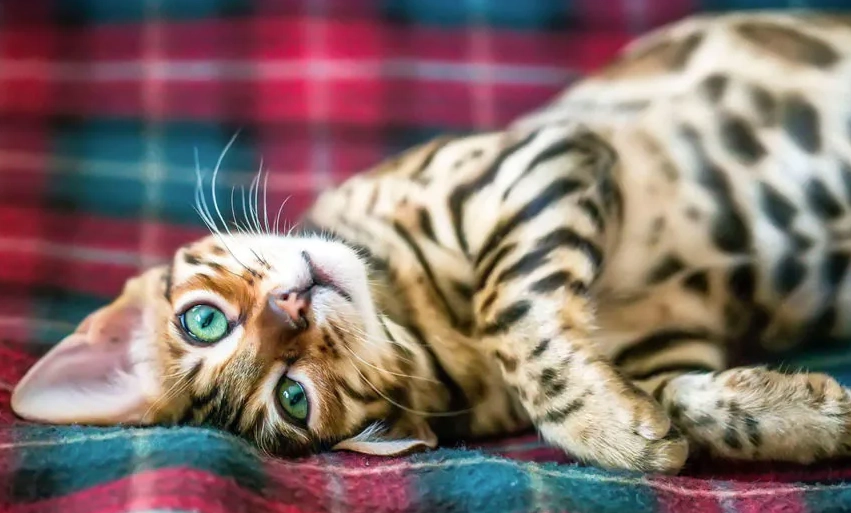
| Cat Quality / Type | Average Price Range (USD) | What You're Getting |
|---|---|---|
| Pet Quality Bengal Kitten | $1,500 - $3,000 | A healthy, socialized companion kitten from tested parents. May have minor cosmetic deviations from show standard. |
| Show/Breeding Quality Bengal Kitten | $2,500 - $5,000+ | A kitten that meets the breed standard perfectly. Sold with breeding rights. Often from champion bloodlines. |
| Rare Color Kitten (Blue, Charcoal) | $3,000 - $7,000+ | Kitten from established, rare color lines. Supply is very low, demand is high. |
| Early Generation (F1-F3) *For Breeding Only* | $5,000 - $20,000+ | Not a pet. Sold to experienced breeders under contract to introduce new genes. Extreme rarity and specialized care. |
| Retired Adult Breeder/Show Cat | $500 - $1,500 | A great option! A healthy, adult cat, already spayed/neutered, with a known personality, often at a much lower cost. |
Prices can vary by region, breeder reputation, and specific lineage. Always ask what is included in the price (vaccinations, vet check, etc.).
See that top end? That's where you find the most expensive Bengal cat listings. It's usually a combination of show-quality, rare color, and exceptional lineage from a top-tier cattery.
Red Flags: When a "Bargain" Isn't a Bargain
If you see a Bengal kitten advertised for under $1,000, be very, very cautious. Ask yourself:
- Are the parents genetically tested for PRA and PK Def? A breeder who doesn't test is cutting corners.
- Are the kittens raised in the home? Or are they in cages in a garage?
- Does the seller pressure you to pay quickly or refuse to let you see where the kittens are raised?
- Are vaccinations and a vet check included?
Saving $500 now could mean spending $2000 later on vet bills for a sick cat, or dealing with severe behavioral problems from a poorly socialized kitten.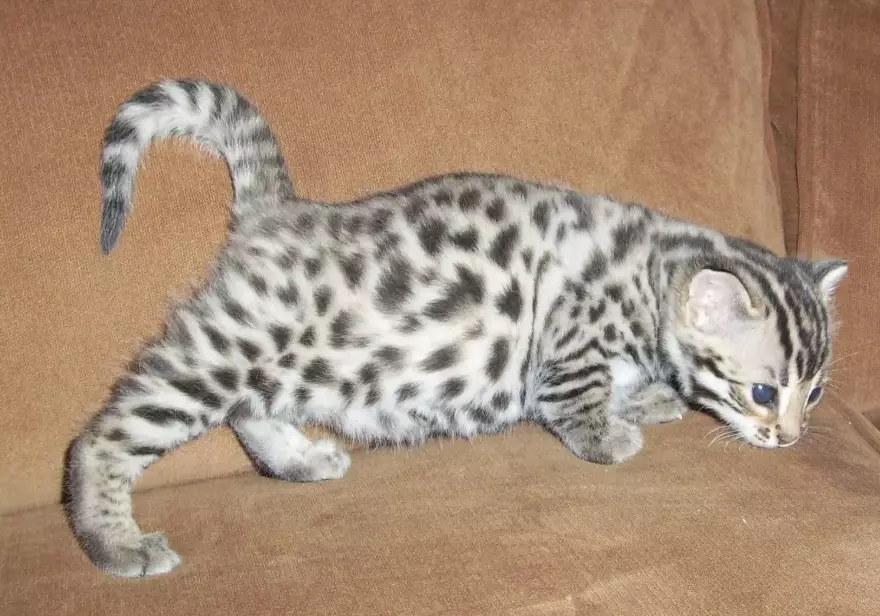
Beyond the Kitten Price: The Cost of Owning a Bengal
This is the part a lot of first-time owners don't fully consider. The purchase price is just the entry fee. Bengals are high-energy, intelligent cats with specific needs. Here's a rough annual estimate for ongoing costs:
- High-Quality Food: Bengals do best on high-protein, grain-free diets. This can cost $50-$100 per month. ($600-$1,200/year)
- Annual Vet Care: Checkups, vaccinations, flea/tick/heartworm prevention. Budget at least $300-$500 per year, more for emergencies.
- Toys & Enrichment: These cats get bored easily. You'll need a variety of toys, cat trees, and puzzle feeders. Maybe $200/year.
- Cat-Proofing & Furniture: They are climbers and explorers. You might need sturdy cat trees, window perches, and to secure breakables.
- Pet Insurance: Highly recommended. Can range from $30-$60 per month ($360-$720/year) but can save thousands in an emergency.
So, the first year of owning a Bengal, including the kitten price, can easily run $3,000 to $5,000 or more. It's a long-term financial commitment.
How to Find a Reputable Breeder (And Avoid Scams)
Finding the right breeder is the most important step. Here's a practical guide:
- Start with Registries: Look for breeders registered with major cat associations like The International Cat Association (TICA) or the Cat Fanciers' Association (CFA). While not a guarantee, it's a good starting point.
- Ask About Health Testing: The very first question should be: "Are the sire and dam tested for PRA-b and PK-Def, and can I see the results?" A reputable breeder will be proud to share this.
- Expect to Wait & Be Vetted: Good breeders have waiting lists. They will also ask you questions to ensure you're a good home. If they just want your money and to ship a kitten tomorrow, walk away.
- Visit if Possible: If you can, visit the cattery. See where the cats live. Are they clean, social, and part of the family? If a breeder refuses any form of visit (in-person or video call), be suspicious.
- Review the Contract: Read it carefully. It should include a health guarantee, spay/neuter agreement for pet kittens, and a clause stating you will return the cat to them if you can't keep it (they want to ensure their cats never end up in shelters).
I made the mistake of rushing with my first cat (not a Bengal) from a less-than-ideal source. The health problems were a nightmare and emotionally draining. Doing your homework on the breeder is the best money you'll never spend.
Common Questions About Expensive Bengals
Final Thoughts: Is an Expensive Bengal Cat Right for You?
After all this, the question remains. My take? The price of the most expensive Bengal cat is a reflection of biology, artistry, and ethics. You're paying for generations of selective breeding, for the breeder's sleepless nights socializing kittens, and for the peace of mind that comes from health testing.
But a Bengal isn't a decoration. It's a commitment to a loud, playful, demanding, and incredibly rewarding companion. Before you get dazzled by the rosettes and the glitter, ask yourself if you have the time, energy, and resources for a cat that's more "mini leopard" than "lap cat."
If you do, then finding a reputable breeder and paying a fair price for a healthy, well-adjusted kitten is the best investment you can make. It sets you both up for a fantastic life together. And if the upfront cost is daunting, remember that rescue is a beautiful, responsible option that saves a life and might just bring an amazing Bengal into your home for less.
The bottom line isn't about finding the absolute most expensive Bengal cat. It's about finding the right Bengal for you, from the right source, at a price that reflects its true value and your ability to provide a wonderful forever home.
Do your research, ask the hard questions, and choose with your head as much as your heart. That's how you win in the world of exotic cat ownership.