What You'll Learn in This Guide
Let's cut to the chase. If you're dreaming of a cat that will snuggle with you on the couch all day, an Abyssinian might disappoint you. But here's the thing: they can be incredibly affectionate—just not in the way you might expect. I've owned Abys for over ten years, and through trial and error, I've learned that their love is earned through play, not forced cuddles. This guide will walk you through the reality of Abyssinian affection and how to build a bond that might eventually include some cozy moments.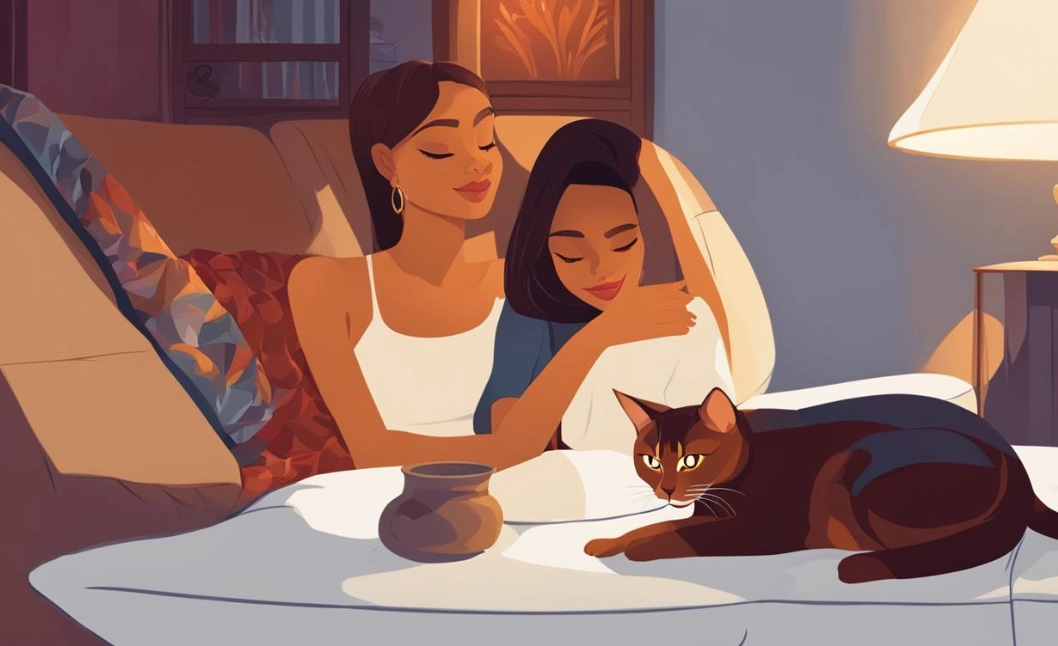
The Abyssinian Personality: Why Cuddling Isn't Their Default
Abyssinians are often described as the "clowns" or "athletes" of the cat world. According to The Cat Fanciers' Association, they're known for their playful, inquisitive nature. This isn't just a cute trait—it's wired into their DNA. These cats are explorers. They'd rather climb a bookshelf or chase a toy than sit still on your lap.
Born to Explore, Not to Lap-Sit
I remember when I got my first Aby, Leo. For the first year, he treated my lap like a temporary rest stop during his missions around the house. He'd jump on, stay for 30 seconds, then zoom off. It wasn't rejection; it was just his energy. Abyssinians have a high drive for stimulation. If you try to cuddle them when they're in "explore mode," you'll likely get a gentle push away or a quick escape.
How Abyssinians Show Love (It's Not Always Cuddles)
They express affection through interaction. Following you from room to room, chirping at you, or bringing you toys—these are their love languages. My cat Zara used to drop her favorite mouse at my feet every morning. It felt like a gift, a way of saying, "Hey, let's play together." That's affection, just not the cuddly kind.
Key Insight: Many owners mistake independence for aloofness. But an Abyssinian who chooses to be in the same room as you, even if not touching, is showing trust and attachment. It's a subtlety that new owners often miss.
Do Abyssinians Actually Like to Cuddle? The Honest Answer
Yes, some do—but on their terms. It's not black and white. After talking to other Aby owners and from my experience, about 30% might become lap cats as they age, while the rest prefer side-by-side contact or short bursts of closeness.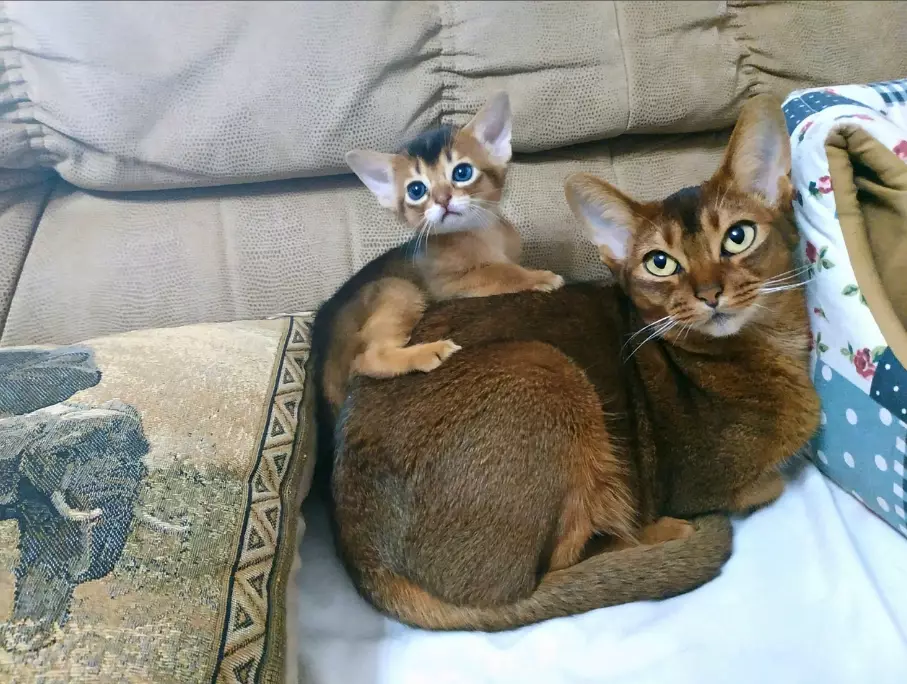
Here's the breakdown:
- Kittens and Young Adults: Rarely cuddle. They're too busy. My Leo didn't sit still until he was about three.
- Adults (3-7 years): Might start seeking warmth during naps. This is when I noticed Leo would curl up next to me on the bed, but only if I was already lying down.
- Seniors (8+ years): More likely to enjoy prolonged contact as they slow down. But even then, it's not guaranteed.
The environment matters too. A bored Abyssinian will never cuddle. They need mental and physical exercise first. I made the mistake early on of trying to force cuddles after work, when Leo was bursting with energy. It backfired—he'd avoid me for hours.
How to Encourage Cuddling: A Step-by-Step Plan
If you're determined to have more snuggle time, here's a method that worked for me. It's not a quick fix; it requires patience.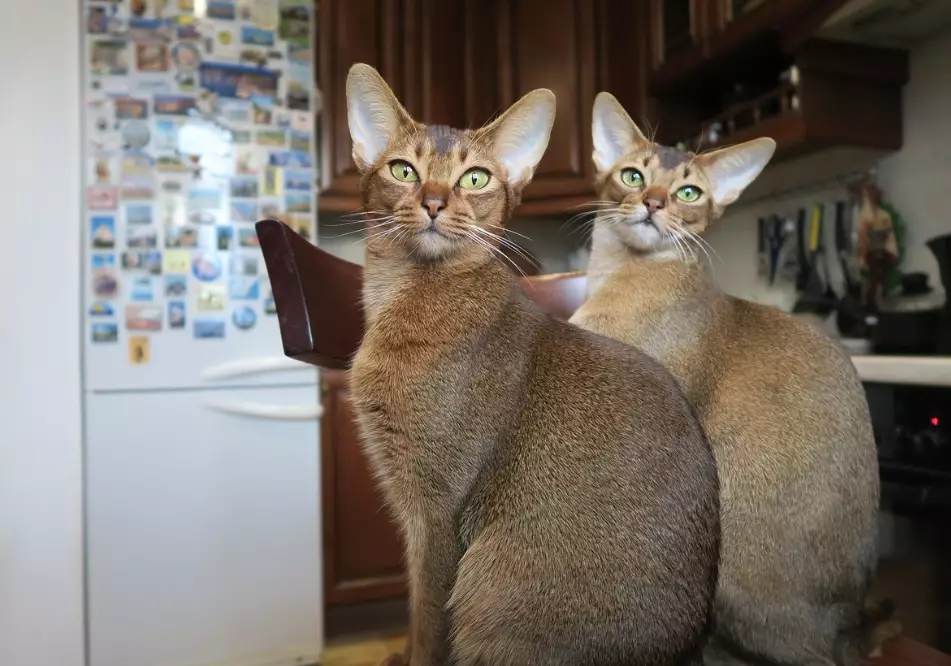
Step 1: Bond Through Play First
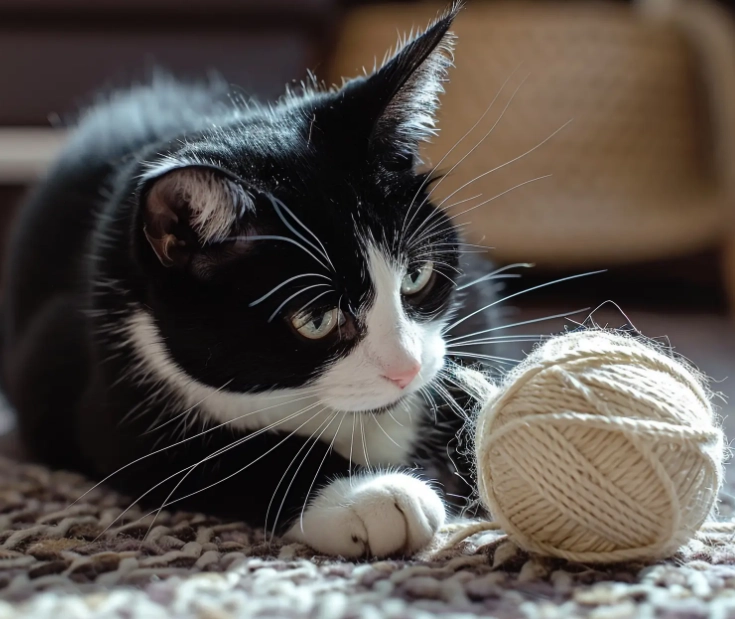
Play is the gateway to affection. Use interactive toys like feather wands or laser pointers (in moderation) for 15-20 minutes daily. The goal is to tire them out mentally. After a good play session, my Abys are more relaxed and open to contact. It's like they've checked off their "hunt" box for the day.
Step 2: Watch for Relaxation Cues
Look for moments when your cat is already calm—after a meal, during a sunny spot nap, or in the evening. That's your window. Don't interrupt deep sleep; just sit nearby and let them come to you. I started by reading a book on the couch, ignoring Leo, and eventually, he'd hop up and lean against my leg.
Step 3: Create a Cuddle-Friendly Environment
Make your lap inviting. Use a soft blanket (Abys love textures), keep the room warm, and avoid sudden movements. Offer treats on your lap to build positive associations. But don't overdo it—if they leave, let them. Forcing it ruins trust.
One trick I learned: incorporate gentle petting during play breaks. While they're catching their breath after chasing a toy, stroke their back lightly. It bridges play and affection.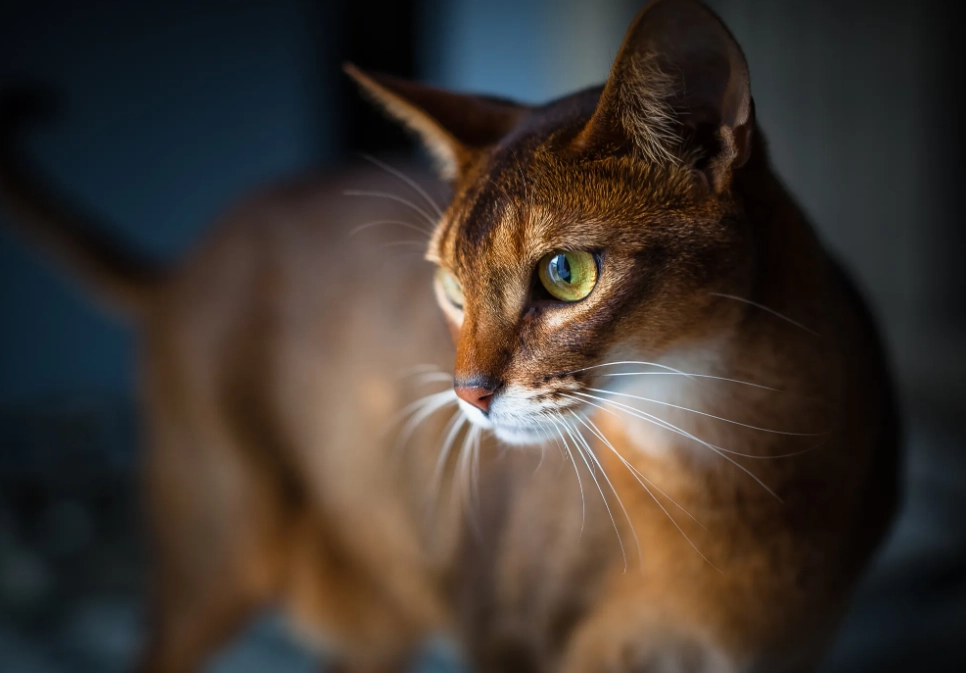
Common Mistakes Owners Make (I've Been There Too)
I've seen so many owners, including myself, mess this up. Here are the big ones.
Mistake 1: Treating Them Like a Persian or Ragdoll
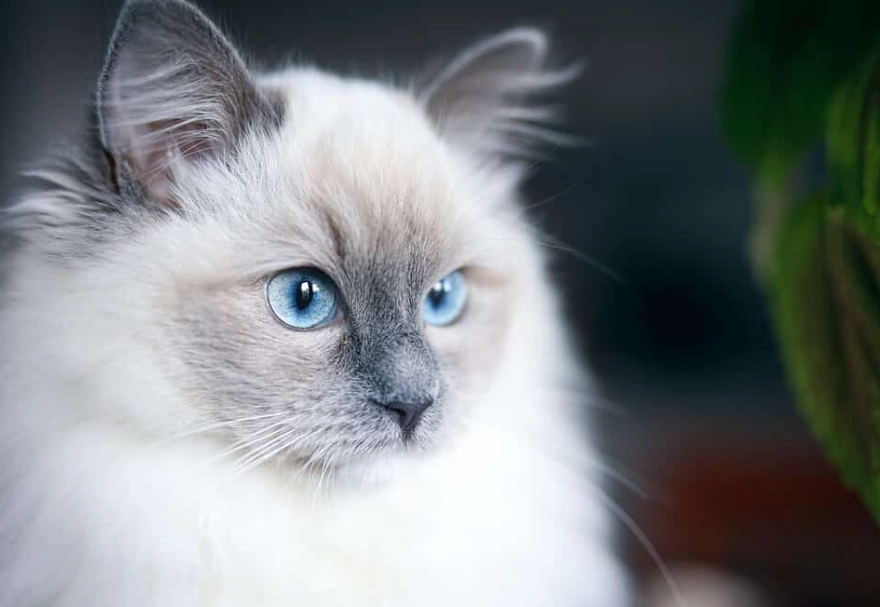
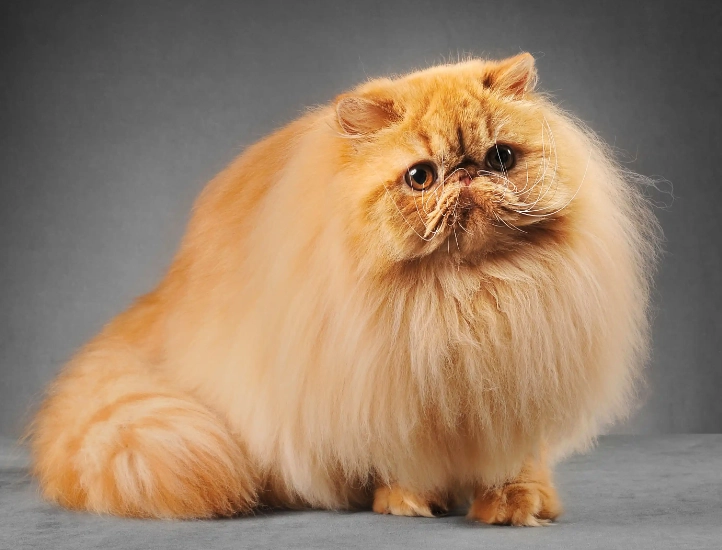
Abyssinians aren't lap cats by design. Expecting them to behave like a laid-back breed sets you up for frustration. I once compared my Leo to a friend's cuddly Maine Coon, and it just made me resentful. Accept their nature first.
Mistake 2: Giving Up Too Soon
Bonding can take months or years. I almost gave up on Leo after six months, but consistency paid off. Now, at age five, he'll sometimes nap on my lap for an hour—but only if I've played with him first.
Mistake 3: Ignoring Their Need for Stimulation
A bored Abyssinian is a destructive one, and they'll avoid affection. I learned this the hard way when I skipped play for a week due to work; Leo started scratching furniture and hiding. According to International Cat Care, environmental enrichment is crucial for active breeds. Without it, cuddling is off the table.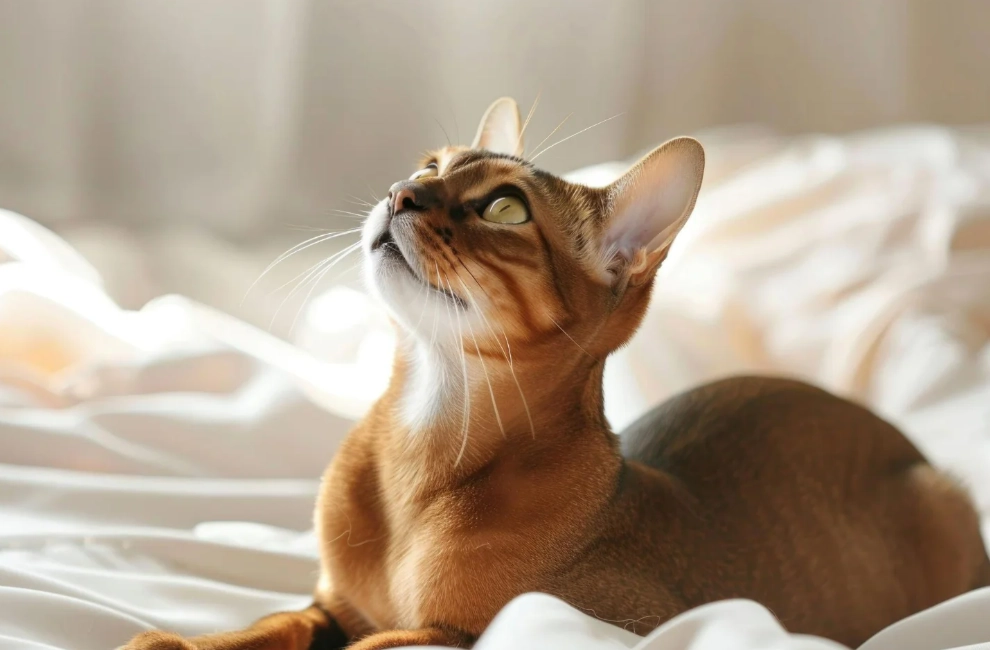
Your Burning Questions Answered
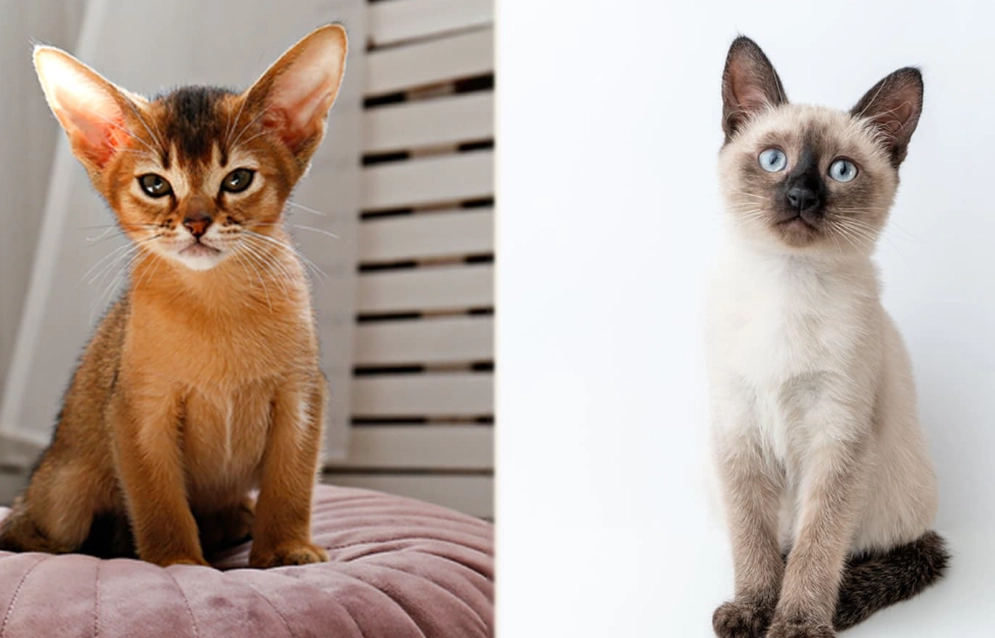 At what age do Abyssinian cats become more affectionate and cuddly?
Wrapping up, Abyssinian cats are a joy, but they're not for everyone. If you value quiet cuddles above all, you might find them frustrating. But if you're willing to meet them halfway—through play, patience, and understanding—you'll discover a loyal, interactive companion who might surprise you with occasional snuggle. It's all about adjusting your expectations and enjoying their unique quirks.
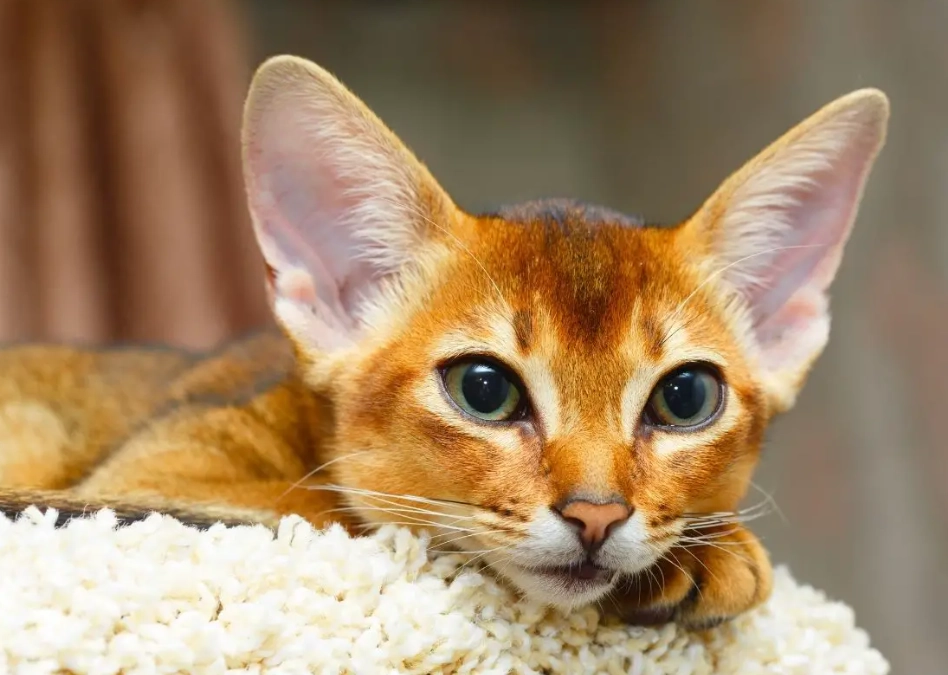 Remember, every cat is an individual. My advice comes from years of mistakes and successes, but your Aby might have their own rules. Start with play, watch their cues, and let the affection grow naturally. And if they never become a lap cat, that's okay—you'll still have a fascinating friend who keeps life interesting.