Quick Navigation
- Where Did This Fluffy Giant Come From? A Peek into Siberian Cat History
- Breaking Down the Look: Siberian Cat Appearance and Size
- The Siberian Cat Personality: More Than Just a Pretty Face
- The Big Question: Are Siberian Cats Really Hypoallergenic?
- Living with a Siberian: Health, Care, and the Daily Routine
- Is a Siberian Cat Right for You? The Honest Checklist
- Finding Your Siberian: Breeder, Rescue, and Key Questions
- Quick-Fire Siberian Cat FAQ
- Wrapping It Up: The Final Verdict on the Siberian Forest Cat
Let's be honest, when you first see a Siberian cat, it's hard not to be impressed. There's this substantial, powerful-looking cat with a thick coat that just screams "I belong in a snowy forest." But there's so much more to them than just their looks. I remember visiting a breeder years ago, skeptical about the whole "hypoallergenic" claim everyone was making. I'm mildly allergic to most cats, and within minutes of being in a room with several Siberians, I was shocked. No itchy eyes, no sneezing. That personal experience is what really got me digging deeper into this fascinating breed.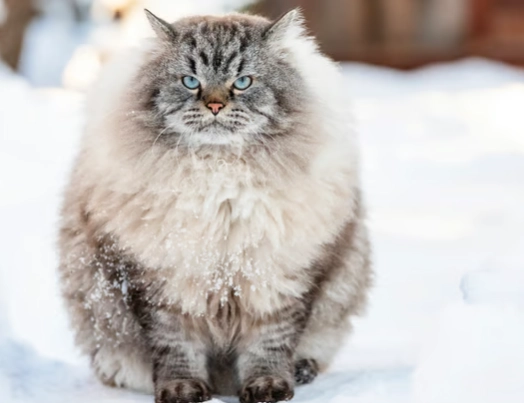
So, what's the real story behind the Siberian forest cat? Are they as magical as they seem, or is there a downside people don't talk about? This guide isn't just a list of facts. We're going to walk through everything—from their mysterious history in Russia to the nitty-gritty of daily life with one. Whether you're just curious or seriously considering bringing one of these gentle giants home, I want you to have the full, unvarnished picture.
Where Did This Fluffy Giant Come From? A Peek into Siberian Cat History
You can't really understand the Siberian without looking back. This isn't a breed cooked up in a lab over the last few decades. We're talking about a natural breed, one that evolved over centuries in the harsh climate of Russia. Think about it—surviving Russian winters requires some serious adaptations, and the Siberian cat's triple-layered coat is a masterpiece of natural engineering.
Their history is wrapped in folklore. In old Russian fairy tales and children's stories, the family cat was often portrayed as a wise, protective figure, and many believe these depictions were based on the Siberian. They were the working cats of merchants and households, valued for their hunting prowess and sturdy disposition. It wasn't until the Cold War ended that the outside world really got a good look at them. The first Siberians were officially imported into the United States in 1990, and the breed was recognized by The International Cat Association (TICA) shortly after. The Cat Fanciers' Association (CFA) granted them championship status in 2006. You can read the official breed standards on the TICA website and the CFA website to see how the major registries define this forest-born cat.
What's interesting is that their development in Russia versus the West has had slight variations. Some lines emphasize a wilder, more "natural" look, while others have been selectively bred for specific color points (like the stunning Neva Masquerade, the colorpoint variety of the Siberian). It creates a neat diversity within the breed.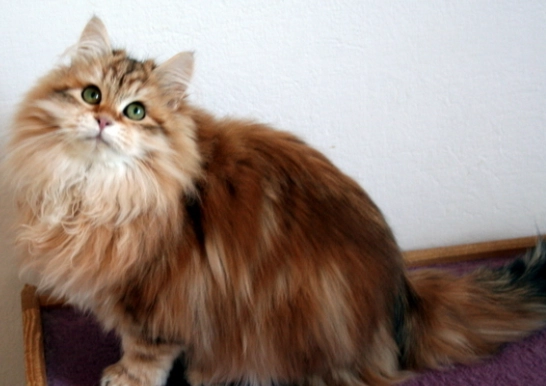
Breaking Down the Look: Siberian Cat Appearance and Size
Forget dainty. The Siberian cat is all about rounded, solid strength. They're a semi-cobby breed, which is a fancy way of saying they're built like little tanks—broad chests, muscular backs, and surprisingly heavy when you pick them up. Don't let the fluff fool you; there's a lot of cat under there.
Their size is a big talking point.
Males are notably larger than females. A full-grown male Siberian cat can easily weigh between 15 to 20 pounds, with some outliers getting even bigger. Females are more in the 10 to 15 pound range. But weight isn't the whole story. They mature slowly. A Siberian kitten might look nearly full-grown at a year old, but they often don't reach their full physical and mental maturity until they're around five years old. That's a long kittenhood!
Let's talk about that famous coat, because it's a three-part system:
- The Guard Hairs: The long, slightly oily topcoat that sheds water and dirt. It's what gives them that glorious, flowing appearance.
- The Awn Hairs: The middle layer that provides the bulk of the insulation.
- The Down: The soft, dense undercoat that keeps them toasty warm. This is the part that sheds seasonally—and I mean sheds. You'll need to be ready for that.
Their coat comes in virtually every color and pattern imaginable—brown tabby, black, blue, red, cream, silver, and everything in between, with or without white markings. The eyes are typically large, round, and can be any shade of green, gold, or copper. Some with white fur or certain point colors can have stunning blue eyes.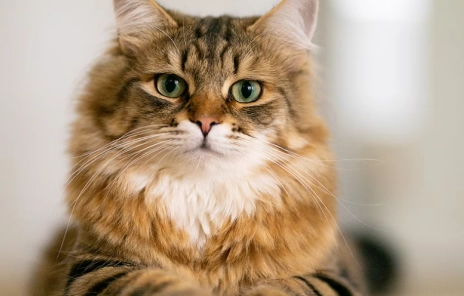
A Quick Size & Coat Reference: This table sums up the key physical traits. Remember, these are averages, and individual cats will vary.
| Trait | Description | Notes |
|---|---|---|
| Average Weight (Male) | 15 - 20 lbs (6.8 - 9 kg) | Can occasionally exceed 20 lbs. |
| Average Weight (Female) | 10 - 15 lbs (4.5 - 6.8 kg) | Generally more petite but still substantial. |
| Coat Type | Longhair, Triple-Layered | Moderately long on body, shorter on shoulder blades. |
| Shedding Level | Seasonal (Heavy) | Expect major "blowing coat" periods in spring/fall. |
| Body Type | Semi-Cobby, Muscular | Broad chest, rounded contours, strong legs. |
| Distinctive Features | Furnished ears, lynx tips, full ruff, "britches" | Tufts of hair in ears, on paws, and fluffy hind legs. |
The Siberian Cat Personality: More Than Just a Pretty Face
This is where the Siberian truly wins hearts. Their personality is often described as dog-like, and I think that's fairly accurate, but with a very cat-like grace. They form incredibly deep bonds with their families. We're not talking aloof, independent cats here. A Siberian will often follow you from room to room, not necessarily demanding constant lap time (though many enjoy it), but just wanting to be involved in whatever you're doing.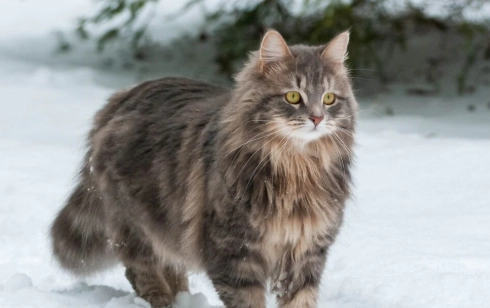
They are famously good with children and other pets. Their temperament is steady and patient. I've seen videos of Siberian cats gently tolerating the clumsy affections of toddlers, which says a lot about their nature. They tend to be playful and active well into adulthood, often enjoying games of fetch and interactive puzzle toys. They're also surprisingly agile and powerful jumpers—don't be shocked to find your Siberian on top of the refrigerator, surveying their kingdom.
One of my favorite things about their personality is their communication style. They tend to have soft, chirpy voices rather than loud yowls. They'll trill and chirp to greet you or to comment on the state of their empty food bowl. It's endearing.
But are they clingy? Not exactly. They offer affection on their own terms but are generally more people-oriented than many breeds. They can handle being alone for a standard workday, but they'll definitely be waiting to reconnect when you get home. If you want a completely hands-off cat, a Siberian might be a bit too much for you. If you want a companion who feels like part of the family, they're nearly perfect.
The Big Question: Are Siberian Cats Really Hypoallergenic?
This is the million-dollar question, and the answer requires some nuance. The short answer is: many people with cat allergies react less severely to Siberian cats, but no cat is 100% hypoallergenic. The science behind this is pretty clear. The primary allergen for most people is a protein called Fel d 1, produced in cat saliva and sebaceous glands. When cats groom, the saliva dries on their fur and becomes airborne.
Here's the thing about the Siberian cat: some studies and a lot of anecdotal evidence suggest that many Siberians produce lower levels of the Fel d 1 protein than the average domestic cat. This is the core of the "hypoallergenic" claim. Organizations like the Siberian Research Foundation have done work to test allergen levels in individual cats.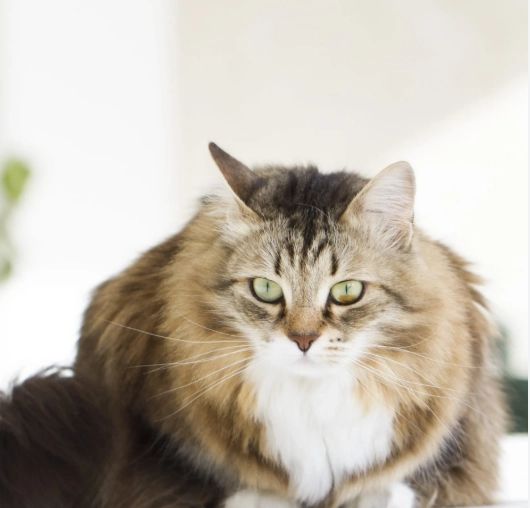
However—and this is a big however—reaction is highly individual. Some allergy sufferers have no reaction at all to a specific Siberian cat. Others might have a reduced reaction, and a few might react just as strongly as they would to any other cat. Allergen levels can also vary between individual cats within the same litter.
Critical Advice: If allergies are your main reason for considering a Siberian, you must spend time with the specific cat you intend to bring home before committing. Visit the breeder or shelter multiple times, pet the cat, and see how your body reacts over an hour or two. A responsible breeder will understand and facilitate this.
It's also worth noting that no other aspect of the Siberian reduces allergens. Their thick coat can actually trap dander and allergens if not groomed regularly. So, while they might produce less of the problematic protein, maintaining a clean environment is still crucial for allergy management.
Living with a Siberian: Health, Care, and the Daily Routine
Bringing a Siberian cat into your home is a long-term commitment, often of 12 to 15 years or more. Knowing what you're signing up for is key to a happy life together.
Siberian Cat Health and Lifespan
Overall, the Siberian is considered a robust and healthy breed, thanks largely to its natural gene pool. A well-bred Siberian from a responsible breeder who screens for genetic conditions can be a hearty companion. Their average lifespan is typically 12 to 15 years, with many living well into their late teens with proper care.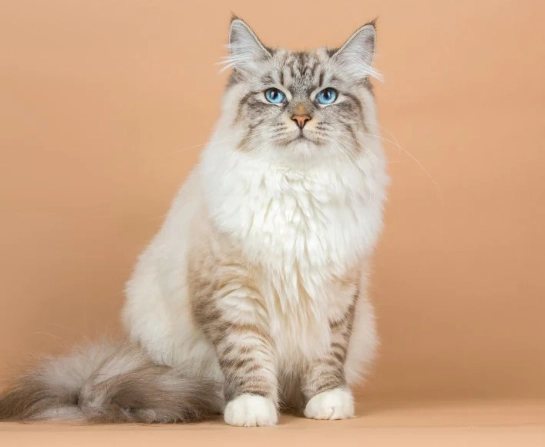
That said, no breed is without potential health concerns. Responsible breeders will screen their breeding stock for the following:
- Hypertrophic Cardiomyopathy (HCM): This is a form of heart disease that can affect cats. It's the most common cardiac issue seen in the breed. Ask any breeder for proof that their cats' hearts have been screened via echocardiogram by a veterinary cardiologist.
- Polycystic Kidney Disease (PKD): While more commonly associated with Persians, it can pop up. A simple DNA test can rule this out.
- PKDef (Pyruvate Kinase Deficiency): A genetic disorder that can cause anemia. Again, this is testable.
A good breeder will be transparent about health testing.
If they can't or won't show you certificates, consider it a major red flag. You can check resources like the Cornell Feline Health Center for general information on these conditions.
Grooming Your Siberian Cat: It's Not That Bad (Mostly)
People see the long coat and panic. Honestly, the Siberian's coat is somewhat self-maintaining. It doesn't mat as easily as, say, a Persian's coat because it has a coarser texture. For most of the year, a thorough brushing once or twice a week is sufficient to remove loose hair and distribute skin oils.
Now, the exception. During shedding seasons (spring and fall), they "blow" their thick undercoat. During this time, you'll need to brush daily, or even twice a day, to keep up with the tufts of fur coming out. A good metal comb and an undercoat rake are your best friends. Neglecting this can lead to mats, especially in the armpits and behind the ears.
Other routine care is standard: regular nail trims, dental care (brushing is ideal), and keeping those lovely ear tufts clean.
Diet, Exercise, and Environment
Siberians are active, muscular cats with good appetites. They do best on high-quality cat food that supports their energy levels. Because they are a large breed, some vets recommend diets formulated for larger cats or those that support joint health as they age. Obesity can be a concern if they are free-fed without enough activity, so portion control and play are important.
Speaking of play, these are intelligent cats. They need mental and physical stimulation. A bored Siberian might get creative in ways you don't appreciate. Invest in:
- Tall, sturdy cat trees for climbing and perching.
- Interactive wand toys and puzzle feeders.
- Secure window perches for bird-watching.
Many Siberians have a fascination with water, a trait possibly linked to their ancestors needing to break ice to drink. Don't be surprised if yours tries to join you in the shower or plays with water in their bowl.
Is a Siberian Cat Right for You? The Honest Checklist
Let's cut through the romance. The Siberian cat is amazing, but it's not the perfect fit for every single home. Here’s a brutally honest look.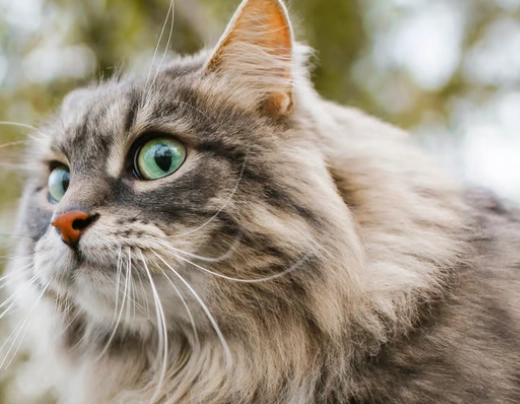
You'll probably love living with a Siberian if:
- You want an affectionate, interactive companion who feels like part of the family.
- You have a busy household with kids or other pets and need a patient, adaptable cat.
- You or a family member have mild to moderate cat allergies and have tested positively with a specific cat.
- You don't mind some weekly grooming and are prepared for seasonal fur-storms.
- You have space for a larger, active cat to play and climb.
You might want to reconsider a Siberian if:
- You are severely allergic to cats and are looking for a guaranteed allergy-free pet (no cat offers this).
- You prefer a very independent, low-maintenance cat that keeps to itself.
- You are fastidious about a perfectly clean, hair-free home (the shedding is real).
- You are on a tight budget. Siberian kittens from reputable breeders are not cheap, and their larger size can mean higher costs for food, litter, and potential vet care.
- You aren't home much and can't provide consistent companionship or playtime.
Finding Your Siberian: Breeder, Rescue, and Key Questions
This is the most important step. Doing your homework here prevents heartache later.
Reputable Breeder: This is the most common route for getting a Siberian kitten. A good breeder's primary goal is the health and temperament of their cats, not making money. They will:
- Welcome visits to their home.
- Show you the mother cat (and often the father).
- Provide documented proof of genetic health testing for HCM, PKD, and PKDef.
- Ask you as many questions as you ask them.
- Have a contract that includes a health guarantee and requires you to return the cat to them if you can't keep it.
- Keep kittens until they are at least 12-16 weeks old for proper socialization.
Be wary of breeders who only communicate via email, have multiple litters always available, offer to ship a kitten without a conversation, or cannot provide health clearances. Check breeder listings through TICA or CFA as a starting point.
Rescue or Adoption: It's less common, but adult Siberian cats and mixes do end up in shelters or breed-specific rescues. Organizations like Petfinder allow you to search for specific breeds in shelters near you. Adopting an adult can be wonderful—you skip the kitten crazies and get a cat whose personality is already fully formed.
Here are five non-negotiable questions to ask a Siberian cat breeder:
- "Can I see the results of the sire and dam's HCM echocardiograms and PKD/PKDef DNA tests?"
- "At what age do you let kittens go to their new homes?" (Answer should be 12+ weeks).
- "How do you socialize the kittens?" (Good answers include exposure to household sounds, different people, handling, etc.).
- "What is included in your contract?" (Look for health guarantee and return policy).
- "Can I meet the kitten's mother?" (If not, why not?).
Quick-Fire Siberian Cat FAQ
Wrapping It Up: The Final Verdict on the Siberian Forest Cat
So, after all this, what's the bottom line on the Siberian cat? They are extraordinary companions. They combine the majestic beauty of a wild forest creature with the devoted, playful heart of a family pet. The potential for easier living with cat allergies is a legitimate and life-changing benefit for many, but it's not a magic bullet and requires due diligence.
They are not low-maintenance.
You're signing up for grooming, active play, and the presence of a large, sometimes goofy personality who will want to be part of your daily life. The investment—both financial and in time—is significant.
But if you're looking for a cat that feels more like a true partner than just a pet, if you want an animal whose intelligence and affection constantly surprise you, and if you can provide the care and environment they need, then a Siberian might just be one of the most rewarding decisions you ever make. They're not just cats; they're a little piece of living, purring history with a heart of gold, wrapped in the world's fluffiest winter coat.
Do your research, meet some in person, and be honest about your lifestyle. If it's a match, you'll gain a friend for life.