In This Guide
Let's cut to the chase: Bengal cats can be fantastic house cats, but they're not for everyone. If you're looking for a lazy lap cat that sleeps all day, you might want to reconsider. But if you're ready for an energetic, intelligent companion that brings a touch of the wild into your home, a Bengal could be perfect. I've seen too many people adopt these beautiful cats without understanding their needs, leading to frustration on both sides. So, let's dive into what it really takes to have a Bengal cat as a house pet.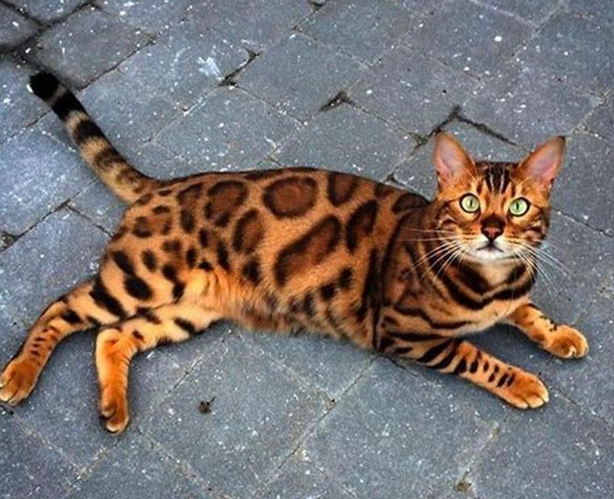
Understanding Bengal Cat Temperament
Bengal cats are a hybrid breed, originally crossed from domestic cats and Asian leopard cats. That wild ancestry shows in their personality. They're not your average feline.
The Wild Side: Energy and Playfulness
Think of a Bengal cat as the athlete of the cat world. They have boundless energy. I remember visiting a friend who got a Bengal kitten. Within an hour, that kitten had scaled bookshelves, batted at dangling cords, and tried to "hunt" a moving shadow on the wall. It was exhausting just to watch.
This energy isn't a phase; it's lifelong. Adult Bengals need daily vigorous play. Without it, they get bored. Boredom leads to trouble—chewed wires, scratched furniture, or constant meowing for attention. The International Cat Association notes that Bengals are highly active and require ample stimulation.
Intelligence and Trainability
Here's where Bengals shine. They're smart. Really smart. You can teach them tricks like fetching, sitting, or even walking on a leash. One owner I know trained her Bengal to use the toilet instead of a litter box. It took patience, but it worked.
But intelligence has a downside. They figure things out quickly, like how to open doors or cabinets. If you're not careful, you might find your Bengal raiding the fridge. Puzzle toys are a must to keep their minds engaged.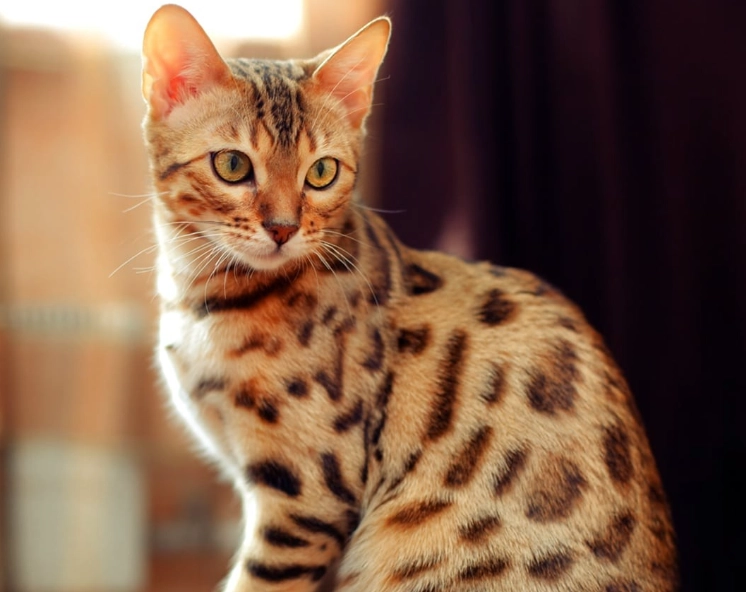
How to Care for a Bengal Cat at Home
Caring for a Bengal isn't just about food and water. It's about creating an environment where they can thrive. Skip this, and you'll have a unhappy cat.
Diet and Nutrition Needs
Bengals have sensitive stomachs sometimes. High-quality, protein-rich food is key. Many owners swear by raw or grain-free diets, but consult your vet first. I've seen Bengals develop allergies to cheap fillers like corn or wheat.
Feed them at regular times. Free-feeding can lead to obesity, especially if they're not getting enough exercise. And always provide fresh water—some Bengals prefer running water, so a cat fountain might be a good investment.
Grooming and Shedding
Good news: Bengals have short, dense coats that don't shed much. A weekly brush is usually enough to remove loose hair. But they love water. Yes, many Bengals enjoy playing in water. Bathing them isn't the nightmare it is with other cats. Just don't be surprised if they jump into the shower with you.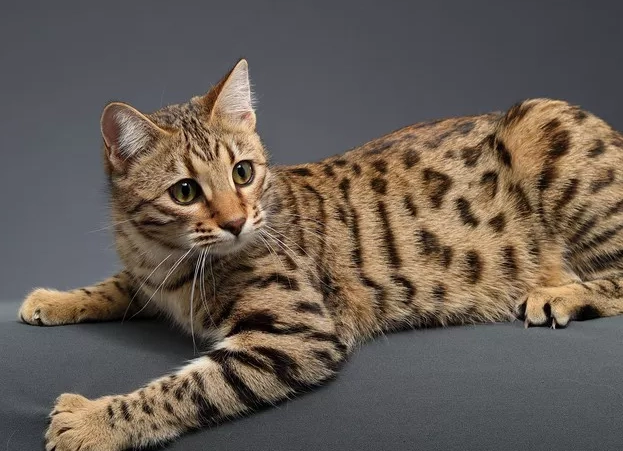
Exercise and Enrichment Must-Haves
This is non-negotiable. Your Bengal needs daily play sessions. Here's a quick list of essentials:
- Interactive toys: Wand toys, laser pointers (use cautiously to avoid frustration), and puzzle feeders.
- Vertical space: Cat trees, shelves, or perches. Bengals love to climb and observe from high up.
- Outdoor access: If possible, a secure catio or leash training for supervised outdoor time. Never let them roam freely—their curiosity can get them into danger.
I helped a client set up a "Bengal playground" in their apartment. We installed wall shelves leading to a window perch, and they dedicated 30 minutes each evening to play. The cat's behavior improved dramatically.
Are Bengal Cats Good with Families and Other Pets?
It depends on your family's lifestyle. Bengals can be great with kids and other animals, but there are caveats.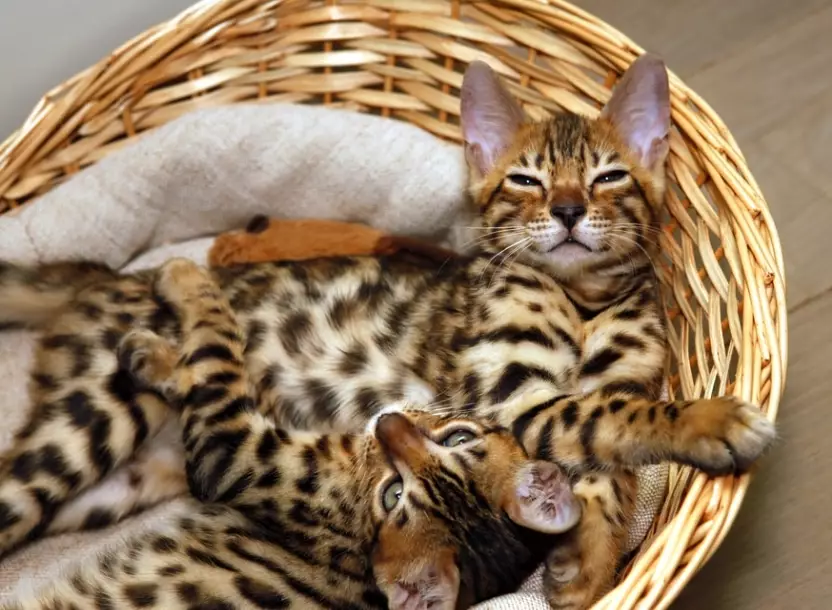
Bengal Cats and Children
Bengals are generally tolerant and playful with children. However, their high energy might overwhelm toddlers. Teach kids to respect the cat's space—no pulling tails or rough handling. Supervise interactions until you're confident both are comfortable.
One family I know has two young kids and a Bengal. They set clear rules: the cat has a "safe zone" (a tall cat tree) where the kids can't bother him. It works well because the cat can retreat when needed.
Introducing Bengal Cats to Other Animals
Bengals can get along with other cats and even dogs, especially if introduced slowly. Their playful nature might annoy older, calmer pets. Start with separate rooms, swap scents, and supervise initial meetings.
If you have small pets like birds or rodents, be cautious. That wild instinct might kick in. Always keep them separated.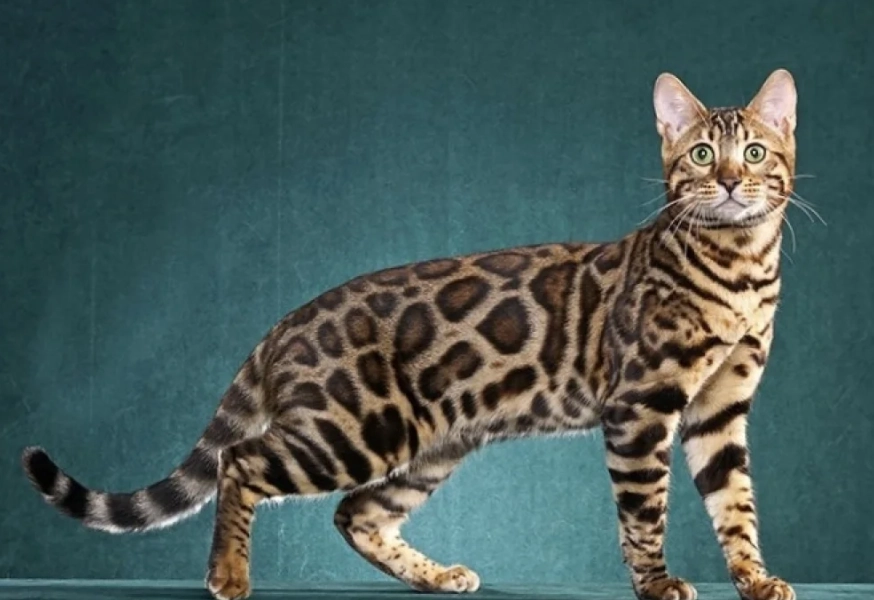
Common Challenges and How to Overcome Them
Every cat has quirks, but Bengals have a few standout challenges. Ignoring these is where many owners go wrong.
Dealing with High Energy
The biggest complaint I hear is, "My Bengal won't calm down!" It's not about calming them down; it's about channeling their energy. Create a routine: play sessions in the morning and evening, with quiet time in between. Use food puzzles to make mealtime engaging.
If you work long hours, consider getting two Bengals so they can play together. But that's double the energy, so be prepared.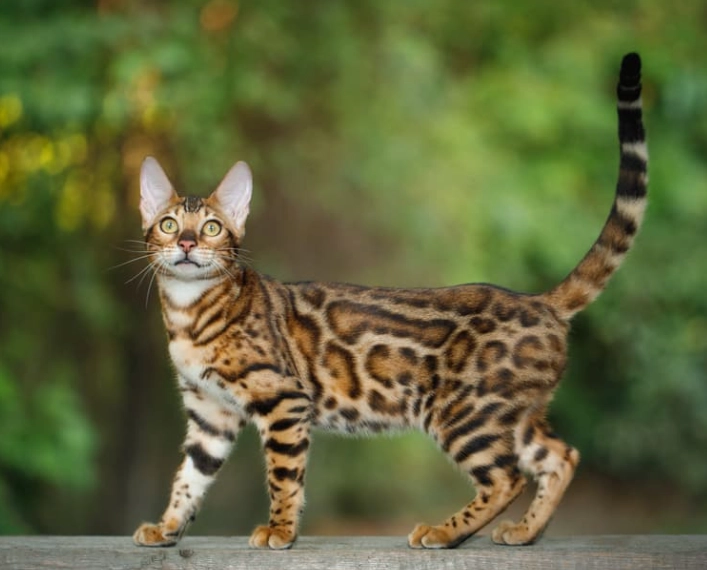
Preventing Destructive Behavior
Bengals are curious and will investigate everything. To prevent damage:
- Provide scratching posts and pads in multiple locations.
- Use deterrents like double-sided tape on furniture edges.
- Keep valuables out of reach—they will knock things over.
A common mistake is punishing them for natural behavior. Instead, redirect. If they scratch the couch, gently move them to a scratching post and reward them for using it.
Bengal Cat Health Considerations
Bengals are generally healthy, but like all breeds, they have predispositions to certain conditions. Regular vet check-ups are crucial.
Genetic Health Issues to Watch For
Some Bengals may inherit issues like:
- Hypertrophic cardiomyopathy (HCM): A heart condition. Reputable breeders screen for this.
- Progressive retinal atrophy (PRA): An eye disease that can lead to blindness.
- Patellar luxation: Knee problems, though less common.
Ask breeders for health clearances. The American Veterinary Medical Association recommends annual check-ups for all cats, but for Bengals, consider bi-annual visits if they're active outdoors.
Regular Vet Care and Vaccinations
Keep up with vaccinations, flea prevention, and dental care. Bengals are prone to dental issues, so brush their teeth regularly or use dental treats. I've seen Bengals develop tartar buildup quickly, leading to expensive cleanings.
Making the Decision: Is a Bengal Cat Right for You?
Let's break it down. Here's a quick comparison to help you decide.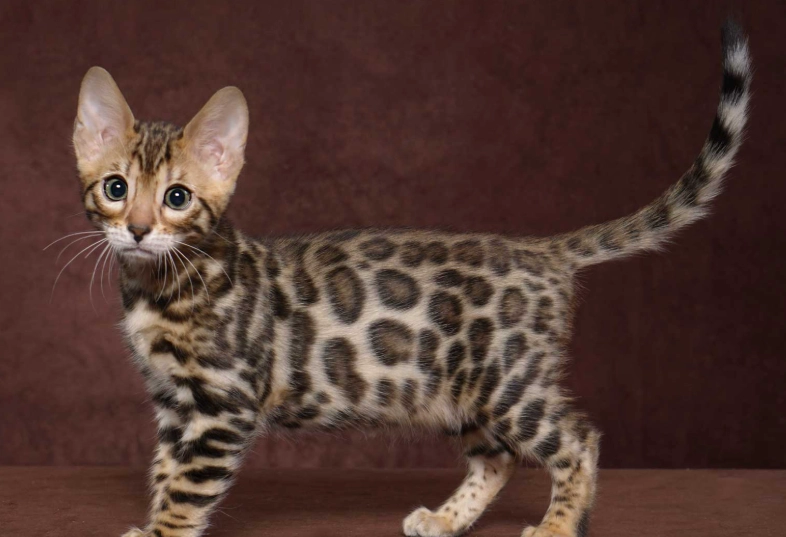
| Pros of Bengal Cats | Cons of Bengal Cats |
|---|---|
| Highly intelligent and trainable | Requires lots of exercise and mental stimulation |
| Beautiful, exotic appearance with spotted coats | Can be vocal and demanding for attention |
| Generally healthy with proper care | May not do well in small apartments without enrichment |
| Playful and engaging, great for active owners | Potential for destructive behavior if bored |
| Low shedding and easy grooming | Sensitive to poor-quality food, may have dietary needs |
Think about your daily routine. Do you have time for play? Can you provide a stimulating environment? If you're away from home 10 hours a day, a Bengal might not be the best fit unless you have a pet sitter or another cat.
Consider adoption from rescues too. Many Bengals end up in shelters because owners underestimated their needs. Giving one a second home can be rewarding.