Jump Straight to What Matters
Let's cut to the chase. The average life expectancy of a Maine Coon cat is between 12 and 15 years. But I've seen some hit 20, and others sadly don't make it past 10. Why such a range? It's not just luck. After raising Maine Coons for over a decade, I've learned that their lifespan hinges on a mix of genetics, care, and a few sneaky factors most owners overlook.
If you're like me, you brought home a Maine Coon for their gentle giant personality. You want them around as long as possible. This guide dives deep into what really affects their years, backed by my own mistakes and wins. Forget the fluffy general advice—we're getting into the nitty-gritty.
What's the Average Maine Coon Lifespan?
Most sources, like the Cat Fanciers' Association, peg the average at 12-15 years. But that's a broad stroke. In reality, indoor Maine Coons tend to live longer, often reaching 15+ years, while outdoor cats face more risks. A study from the Journal of Feline Medicine and Surgery notes that well-cared-for indoor cats can exceed 15 years regularly.
Here's a breakdown based on my observations and vet chats:
- Typical range: 12 to 15 years—this is your baseline.
- Exceptional cases: 16 to 20 years, usually with meticulous care and good genes.
- Lower end: Under 10 years, often due to untreated health issues or accidents.
I had a Maine Coon named Thor who lived to 17. He was strictly indoors, ate a balanced diet, and we caught his heart murmur early. Contrast that with a friend's cat who passed at 9 from hypertrophic cardiomyopathy because they skipped annual check-ups. The difference? Proactive care.
Key Factors That Affect Their Longevity
It's not one thing. Think of it as a puzzle where missing a piece can shorten their life. Here are the big players.
Genetics and Breed-Specific Health Issues
Maine Coons are prone to certain genetic conditions. Hypertrophic cardiomyopathy (HCM) is the big one—a heart disease that can be silent until it's too late. Hip dysplasia and spinal muscular atrophy also pop up. Reputable breeders screen for these; backyard breeders often don't. I learned this the hard way with my first Maine Coon, who had mild HCM. We managed it with medication, but it added stress.
If you're getting a kitten, ask for health clearances. The International Cat Association recommends testing for HCM via echocardiograms. Skip this, and you might be gambling with years.
Diet and Nutrition
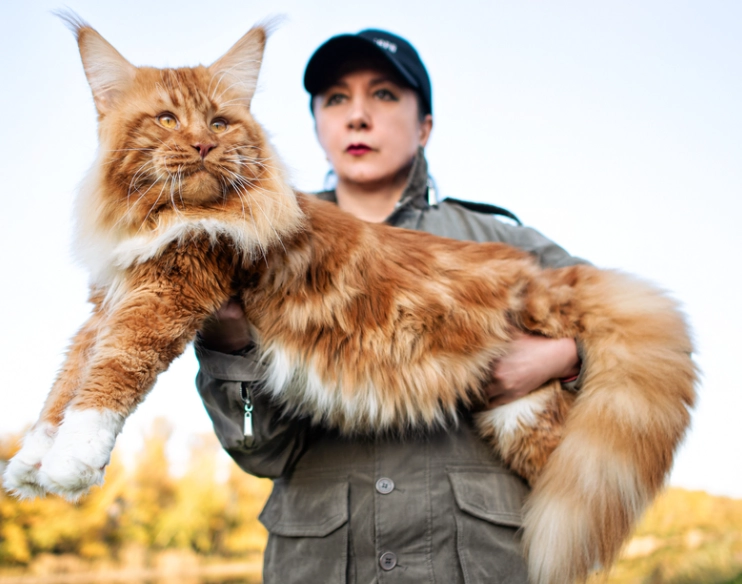
You are what you eat, and for Maine Coons, it's critical. These are large cats, often 15-25 pounds. Overfeeding leads to obesity, which strains joints and hearts. Underfeeding causes malnutrition. I've seen owners feed cheap kibble full of fillers, then wonder why their cat has dull fur and low energy.
Aim for high-protein, low-carb food. Wet food helps with hydration—kidney disease is a common killer in older cats. My vet suggested mixing wet and dry, and adding supplements like omega-3s for joint health. It made a visible difference in Thor's mobility.
Exercise and Environment
Maine Coons are active, playful cats. Without stimulation, they get bored and lazy. Boredom leads to overeating and depression. I set up climbing trees and puzzle feeders. Another tip: leash train them for safe outdoor exploration. It boosts their mental health without the risks of free roaming.
Indoor vs. outdoor matters hugely. Outdoor cats face cars, predators, and diseases. The American Veterinary Medical Association cites that indoor cats live significantly longer. My rule: keep them indoors, but enrich their space.
Veterinary Care
Regular vet visits aren't optional. Many owners go only for emergencies. Bad move. Annual check-ups catch issues early. Vaccinations, dental care, and parasite control add years. I schedule bi-annual visits for seniors. It's extra cost, but catching kidney disease early saved my cat's life at 14.
Here's a table summarizing the factors and their impact:
| Factor | Impact on Lifespan | What to Do |
|---|---|---|
| Genetics | High—can shorten life by 2-5 years if poor | Choose breeders with health screenings |
| Diet | Moderate to high—obesity cuts 1-3 years | Feed high-protein, control portions |
| Exercise | Moderate—inactivity leads to health decline | Provide toys, climbing structures |
| Vet Care | High—prevents fatal diseases | Annual check-ups, dental cleanings |
| Environment | High—outdoor risks reduce life | Keep indoors, enrich with safe outlets |
How to Help Your Maine Coon Live Longer
Actionable steps, not just theory. Based on my experience, here's a plan.
Start with diet: Switch to a grain-free, high-meat food. Measure meals—free feeding is a trap. I use an automatic feeder to control portions. Add water to dry food to up hydration.
Exercise routine: Play for 15-20 minutes daily. Laser pointers, feather wands, anything that gets them moving. Maine Coons love fetch, oddly enough. Thor would bring back balls for hours.
Vet partnership: Find a vet experienced with large breeds. They'll spot breed-specific issues faster. Ask about cardiac ultrasounds yearly after age 5. Dental cleanings prevent gum disease, which can affect heart health.
Home safety: Cat-proof your home. Remove toxic plants, secure windows. I added window perches for entertainment without risk.
Mental health: Rotate toys, introduce new scents. Boredom shortens life. I hide treats around the house for scavenger hunts.
One thing most miss: stress reduction. Cats pick up on owner stress. A calm home environment matters. I play soft music and keep routines consistent.
Common Health Problems in Maine Coons
Knowing what to watch for can add years. Here's a quick list.
- Hypertrophic Cardiomyopathy (HCM): Heart muscle thickens. Symptoms: lethargy, breathing difficulty. Screening is key.
- Hip Dysplasia: Joint issue causing pain. Signs: limping, reluctance to jump. Weight management helps.
- Spinal Muscular Atrophy: Genetic, affects mobility. Usually apparent in kittens.
- Kidney Disease: Common in older cats. Watch for increased thirst, weight loss. Wet diet and regular blood tests help.
- Obesity: Not a disease per se, but a gateway. Leads to diabetes, arthritis.
I've dealt with HCM and kidney issues. Early detection through vet visits made treatment manageable. Don't wait for symptoms—be proactive.
Pro tip: Many owners ignore dental health. Bad teeth lead to infections that spread to organs. Brush their teeth or use dental treats. It's annoying, but it adds years.
Your Top Maine Coon Lifespan Questions
Wrapping up, the average life expectancy of a Maine Coon cat is 12-15 years, but you can push that higher. It's about smart care, not just love. Focus on genetics, diet, exercise, and vet partnership. Learn from my slips—like neglecting dental care early on—and your gentle giant might just surprise you with extra years of purrs.
Got more questions? Drop them in the comments. I'm here to help based on real experience, not just textbook advice.