You’re scrolling through photos of elegant, long-haired cats with striking eyes and wondering, "Could one of these be my next pet?" The Turkish Angora often tops lists of beautiful cat breeds, but beauty is just the wrapper. The real question is about what's inside—their personality, needs, and whether your life aligns with theirs. Having lived with cats for over a decade and spent considerable time with this specific breed, I can tell you the answer isn't a simple yes or no. It's a "yes, but..." or a "no, unless..." Let's cut through the fluff and find out if a Turkish Angora is the right companion for you.
What’s Inside This Guide?
Beyond the Fluff: Understanding the Turkish Angora
First, let's clear up a common mix-up. Many people see a white, long-haired cat and call it an Angora. True Turkish Angoras are a natural breed originating from Turkey, with a documented history dating back centuries. They're recognized by major cat registries like the Cat Fanciers' Association (CFA) and The International Cat Association (TICA).
Their most famous feature is their single-coated, silky fur. Unlike the dense, woolly undercoat of a Persian, the Angora's hair is fine and lies flat. This has practical implications—it mats less easily, but it sheds. Oh, does it shed. You'll find wisps of silk on your dark clothes, in your coffee, and floating in sunbeams. They come in many colors now, though the classic white with odd eyes (one blue, one amber or green) remains iconic.
They're medium-sized, but don't let that fool you. They're all muscle and grace, built like agile athletes rather than cuddly pillows.
- Origin: Turkey (specifically the Ankara region).
- Size: Medium (5-9 pounds for females, 7-12 pounds for males).
- Coat: Long, single-layer, silky. No woolly undercoat.
- Lifespan: 12-18 years with excellent care.
- Energy Level: High to very high.
- Vocalness: Moderate to high. They like to converse.
The Turkish Angora Personality: More Than Just a Lap Cat
If you want a decorative cat that sleeps 20 hours a day, look elsewhere. The Turkish Angora personality is the heart of the "are they good pets?" debate.
They're Dog-Like in Their Devotion
Angoras often bond intensely with one person. They'll follow you from room to room, not just for food, but for involvement. Want to fold laundry? They'll "help." Working at your desk? They'll find a perch to supervise. I've met Angoras that play fetch more reliably than some retrievers. This loyalty is incredibly rewarding but demands reciprocation. They need your time.
Intelligence That Demands Engagement
This is one of the smartest cat breeds you'll encounter. Boredom is their enemy. A bored Angora won't just sleep; they'll invent their own fun—opening cabinets, turning on faucets, or systematically knocking items off shelves. Puzzle feeders aren't a luxury; they're a necessity. You need to rotate toys and teach them tricks to keep their minds busy.
A Social Butterfly (On Their Terms)
They're usually good with respectful children, other cats, and even cat-friendly dogs. However, their high energy can be overwhelming for very shy or senior pets. They often enjoy being the center of attention and may "host" your guests. But don't expect constant cuddles. They'll grace you with affection when they choose, often in short, intense bursts before darting off to their next adventure.
The mistake many make is treating them like a typical placid longhair. Underestimating their need for mental and physical stimulation is the fastest path to frustration for both of you.
The Real Deal on Turkish Angora Cat Care
Let's get specific. What does caring for one of these cats actually look like on a Tuesday afternoon?
Grooming: It's Not What You Think
Because they lack an undercoat, their fur is less prone to matting than a Persian's. But "less prone" doesn't mean "never." Weekly brushing is essential. Use a high-quality stainless steel comb followed by a slicker brush. The goal is to remove loose hair before it sheds all over your house and to prevent hairballs.
The real grooming focus? Their rear end. With long fur around the hindquarters, hygiene can become an issue, especially if they have a soft stool. Many owners opt for a "sanitary trim"—a neat clipping of the fur around that area. It's not glamorous, but it's practical pet ownership.
Environmental Needs: Think Vertical
These cats are climbers. The highest point in a room is their throne. If you don't provide adequate vertical space—tall, sturdy cat trees, wall shelves, window perches—they will create their own, which usually means your bookshelf or curtain rod. A home without vertical territory is an incomplete home for an Angora.
Diet and Play: Fuel for the Engine
They have fast metabolisms to support their activity. A high-quality, protein-rich diet is important. Interactive play sessions of 15-20 minutes, at least twice a day, are non-negotiable. Wand toys that mimic prey are perfect. Without this outlet, their energy will find less desirable channels.
Turkish Angora Health: What You Need to Watch For
Generally healthy, but there are breed-specific predispositions every potential owner should know.
Deafness in White Cats: This is the big one. The gene linked to the white coat and blue eyes is associated with congenital deafness. Not all white blue-eyed Angoras are deaf, but the incidence is significantly higher. A deaf cat can live a full, happy life but requires extra safety precautions (e.g., never letting them outside unsupervised, using visual cues for communication). Reputable breeders will have their kittens BAER-tested for deafness.
Hypertrophic Cardiomyopathy (HCM): A form of heart disease that can affect the breed. Ask your breeder if their breeding lines have been screened for HCM.
Ataxia: A rare but serious hereditary neurological condition seen in some lines, causing a lack of coordination. A responsible breeder will test for and avoid this.
The lesson here is that your source matters immensely. A reputable breeder who does genetic health testing is worth the wait and higher initial cost. Avoid backyard breeders or pet stores.
Is a Turkish Angora Right for Your Home? A Side-by-Side Look
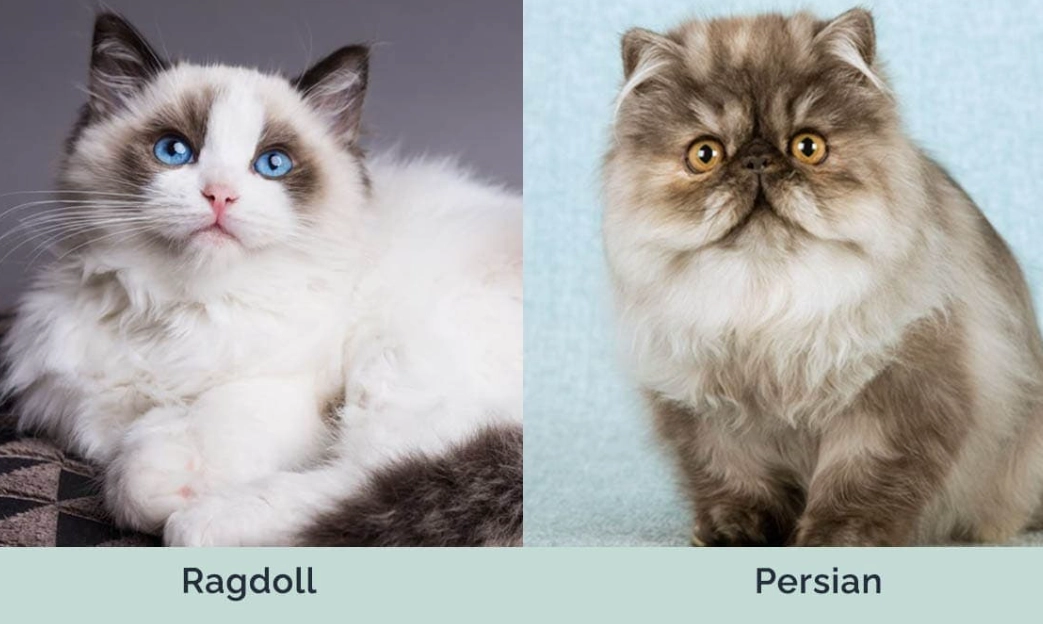
People often confuse them with other longhairs. Let's make a direct comparison to a common alternative: the Persian.
| Aspect | Turkish Angora | Persian Cat |
|---|---|---|
| Energy & Activity | High. Agile, playful, needs lots of interaction. | Low to moderate. Calm, placid, content to lounge. |
| Grooming Needs | Moderate. Weekly brushing to prevent mats/shedding. | High. Daily brushing is critical to prevent severe matting. |
| Personality | Dog-like, loyal, intelligent, vocal, involved. | Sweettempered, quiet, gentle, less demanding of attention. |
| Best For | Active individuals/families, experienced cat owners, those wanting an interactive pet. | Quiet households, people who enjoy meticulous grooming, those wanting a calm lap cat. |
| Potential Challenge | Boredom and mischief if under-stimulated. | Maintaining coat health and dealing with tear staining. |
The Ideal Turkish Angora Home: You're an active person or family. You work from home or have plenty of time to dedicate. You enjoy interactive pets and don't mind some chatter. You're prepared for a 15+ year commitment to a clever, energetic companion. You value a clean home but accept that some pet hair is part of the deal.
Think Twice If: You're away from home 10+ hours a day. You prefer a low-maintenance, independent pet. You have very young children who might not understand a cat's boundaries. You're allergic (while no cat is truly hypoallergenic, their shedding can be problematic). You get frustrated by persistent curiosity.
Your Turkish Angora Questions, Answered
So, are Turkish Angora cats good pets? For the right person, they are exceptional pets—loyal, entertaining, intelligent, and beautiful. They're a high-engagement breed. They're not a piece of living decor; they're a participant in your life. If you want a companion that will actively share your days, challenge you with their cleverness, and reward you with unwavering devotion, then yes, a Turkish Angora could be a wonderful pet. If you're seeking a low-maintenance, hands-off animal, you'll both be happier if you look at a different breed. The choice hinges entirely on the life you can offer and the partnership you desire.