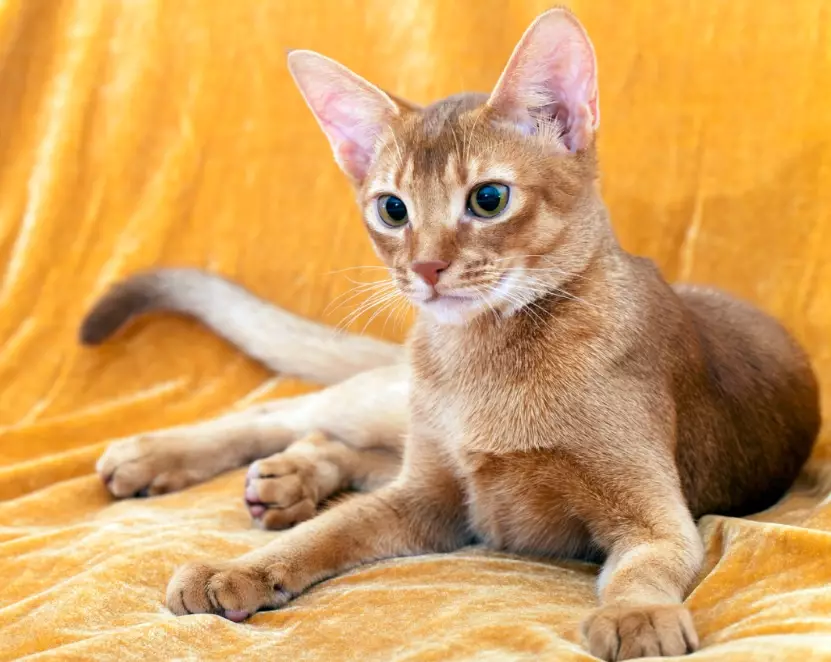
You searched for "black Abyssinian cat colors" and landed here. Let me guess – you saw a stunning photo of a deep, smoky, almost black cat with the elegant build and huge ears of an Aby, and now you're hooked. Or maybe you're just curious if such a creature even exists. I've been involved with Abyssinian cats for over a decade, both as an owner and through close work with reputable breeders, and I can tell you this upfront: a truly jet-black, solid Abyssinian cat is about as common as a unicorn. What you're likely picturing, and what most people call a "black Aby," is actually one of two rare and breathtaking color variations: Charcoal or Sable. This guide will cut through the confusion, explain the genetics behind these mesmerizing coats, and show you exactly what to look for.
What's Inside This Guide
What Are the Official Abyssinian Cat Colors?
Before we dive into the rare stuff, you need to understand the standard. The classic Abyssinian look is defined by the ticked or agouti coat. Each hair has multiple bands of color, creating a warm, shimmering effect without distinct stripes or spots. Major cat registries like the Cat Fanciers' Association (CFA) and The International Cat Association (TICA) recognize four primary colors.
| Color Name | Description | Base Coat Color | Ticking Color |
|---|---|---|---|
| Ruddy (Usual) | The original and most common. A warm burnt orange base. | Burnt sienna/orange | Black or dark brown |
| Red (Sorrel) | A coppery red base, brighter than ruddy. | Rich coppery red | Chocolate brown |
| Blue | A soft, warm slate blue base. Quite elegant. | Soft blue-gray | Steel blue |
| Fawn | A light, creamy cocoa base. Delicate and beautiful. | Muted rose-beige | Light cocoa |
Notice something? None of them are "black." The darkest ticking appears on the Ruddy, but the overall impression is warm, not dark. This is where the confusion begins.
The Genetics Behind Abyssinian Cat Colors
This isn't just academic. Understanding a bit of genetics explains why finding a black Aby is so tough. The classic Aby coat requires a specific gene combination for the agouti (ticked) pattern. Think of it as the default factory setting for the breed.
The "black" color in cats is controlled by a gene called the non-agouti (a/a) gene. This gene suppresses the banding, resulting in a solid color from root to tip. A cat that inherits this gene from both parents will be solid.
Here's the catch: For decades, the Abyssinian breed standard actively selected against the non-agouti gene. Breeders wanted that clear, bright ticking. Introducing solid black cats into breeding lines was discouraged because it could muddy the ticking in future generations. This made the gene pool for solid colors in Abys exceptionally shallow. It's not that the genetics can't produce it; it's that generations of selective breeding have made it a genetic outlier.
Meet the "Black" Abyssinians: Charcoal & Sable Explained
So, what are those stunning dark Abyssinians you see online? They are not solid black. They are ticked cats with an extreme, dark expression of their color. Let's break down the two main types.
1. The Charcoal Abyssinian (The "Smoky Ghost")
This is the one that most often gets called "black." A Charcoal is usually a Ruddy or Blue Aby with an additional genetic modifier that causes a much heavier deposition of dark pigment. The result is a cat that looks like it's been dusted with charcoal powder.
- Appearance: The base coat is dramatically darkened. A Charcoal Ruddy looks like a shadowy version of the classic cat – dark grey-brown base with near-black ticking. In certain lights, the ticking almost disappears, creating a smoky, semi-solid appearance. It's breathtaking.
- Genetics: It's linked to the melanistic or "burmese" color restriction gene. This isn't the same as the solid black gene; it's a different mechanism that intensifies the dark pigment in a ticked coat.
- Rarity: Very rare. You won't find these in most show halls under major registries, as the color is not yet widely accepted. They exist primarily through specialized breeders or as happy genetic surprises.
2. The Sable Abyssinian (The "Dark Chocolate")
This is another dark beauty. The Sable color is most often seen in cats that also carry the gene for Burmese or Tonkinese ancestry (which is a whole other discussion in the Aby world).
- Appearance: Think of the richest, darkest milk chocolate. The coat is a warm, dark brown with minimal visible banding, often appearing as a rich, even sable brown. The contrast is lower than a Charcoal, giving a more uniform, plush dark brown look.
- Status: Even more controversial than Charcoal in purebred circles, as it explicitly points to outcrossing with another breed (Burmese) generations ago. These cats are loved as pets but are not part of the traditional Abyssinian breeding lines for show.
I once met a Charcoal Ruddy at a small, specialized cat show. From across the room, I genuinely thought it was a sleek black Oriental Shorthair. Up close, under direct light, the faintest ghost of ruddy ticking appeared along its spine. It was magical, but the breeder told me she had a hard time placing him because people either didn't believe he was an Aby or wanted the classic look.
Caring for a Dark-Colored Abyssinian's Coat
Good news: caring for a Charcoal or Sable Aby isn't much different from caring for a ruddy one. Their short, dense coat is famously low-maintenance. But there are a couple of nuances.
Grooming: A weekly rub-down with a fine-toothed metal comb or a silicone grooming mitt is perfect. It removes loose hair and distributes skin oils. Dark coats can sometimes show dandruff more easily, so a diet rich in omega fatty acids (think quality fish oil supplements) helps keep skin healthy and flake-free.
Sun Exposure: This is a big one few people mention. Just like a black T-shirt fades in the sun, a dark Abyssinian's coat can get a rusty, reddish tinge if they are sunbathers. It's not harmful, but if you want to preserve that deep, cool charcoal hue, limit their access to direct, prolonged sunlight. Cat-safe sunscreen for ears and noses is also a smart idea for any light-coated or dark-coated cat.
Is a "Black" Abyssinian Right for You?
Let's be practical. Finding one of these cats is a project.
If you want a show cat or a cat from traditional, CFA/TICA champion lines: You will almost certainly not get a Charcoal or Sable. Focus on the four standard colors. A reputable breeder focused on the show standard likely won't have them.
If you are captivated by the unique look and want a pet: Your search will be harder and requires patience and diligence.
- Research Specialized Breeders: Look for breeders who specifically mention working with "non-standard" or "rare" colors. Be prepared for longer waitlists and higher prices due to rarity.
- Ask the Right Questions: Don't just ask "Do you have black ones?" Ask: "Do you work with the charcoal or melanistic lines?" or "Have you ever produced sable-colored kittens?" This shows you know what you're talking about.
- Health is Paramount: Rarity is never an excuse for poor health screening. A responsible breeder of these lines will still test for genetic issues common to Abys (like PK deficiency and renal amyloidosis) and provide health guarantees. If they don't, walk away.
- Consider Rescue: It's a long shot, but adult Abyssinians or Aby mixes sometimes end up in breed-specific rescues. Let them know you're open to darker colors.
Be wary of anyone advertising "pure black Abyssinian kittens" easily and cheaply. It's a major red flag. They might be selling mixed breeds or not being truthful about the cat's genetics and health.
Your Questions on Abyssinian Colors Answered
Can I show a charcoal or sable Abyssinian in CFA or TICA cat shows?
In the vast majority of cases, no. Both CFA and TICA currently only allow the four standard colors (Ruddy, Red, Blue, Fawn) in the championship class for Abyssinians. A charcoal or sable cat would be disqualified from competition for color. They might be shown in the "non-standard" or "household pet" categories at some shows, but they cannot earn championship titles. This is the primary reason these colors remain rare—there's little incentive for mainstream show breeders to pursue them.
Will a "black" Abyssinian kitten's color change as it grows?
All Abyssinian kittens are born dark and their ticking develops over months. With a charcoal kitten, it can be hard to tell just how dark they'll stay. They often lighten slightly as the undercoat comes in, but then the dark ticking matures. The final adult color is usually settled by 1.5 to 2 years of age. A good breeder of these lines should be able to show you photos of the kitten's parents to give you a reliable preview.
Is there a link between coat color and personality in Abyssinians?
This is a persistent myth with no scientific backing. An Abyssinian's personality is driven by genetics, socialization, and individual temperament, not pigment. A charcoal Aby will be just as energetic, curious, and people-oriented as a ruddy one. Don't choose a color expecting a different personality; choose a breeder who prioritizes sound temperament.
My ruddy Abyssinian looks much darker in winter. Is this normal?
Absolutely. Many Abyssinians exhibit seasonal color variation. Their coats can become denser and slightly darker in the cooler months, and then lighten and look "brighter" in the summer. This is a normal response to daylight hours and temperature and is a sign of a healthy, responsive coat.