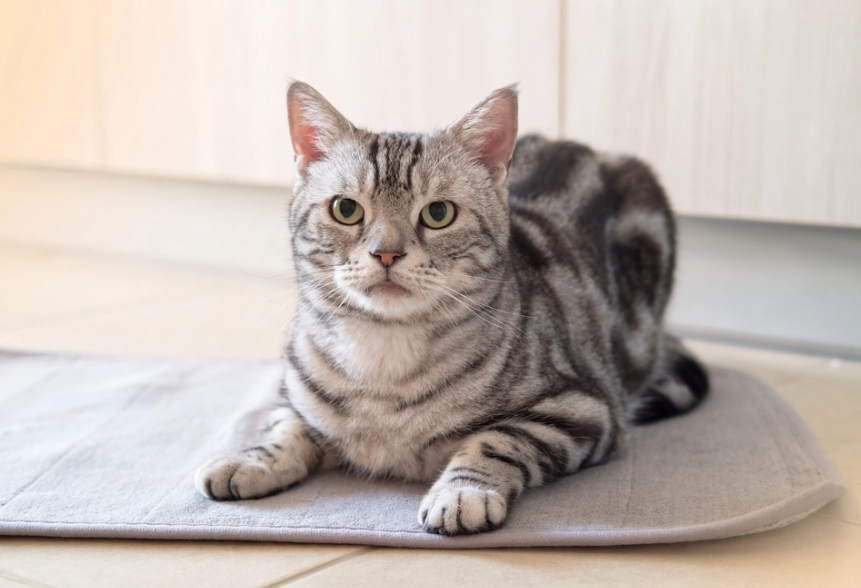
You see that perfect silver tabby with the round eyes and sweet expression. It's an American Shorthair, one of America's most beloved and iconic cat breeds. Your first question, before you even think about names, is probably a practical one: are American Shorthair cats expensive? The short answer is, it depends entirely on what you mean by "expensive." The initial price tag is just the first line of a much larger budget spreadsheet. Let's cut through the vague estimates and look at the real numbers, from the moment you bring one home to the potential vet bills a decade down the line.
What You'll Find in This Guide
Key Takeaway: The purchase price for an American Shorthair ranges from $75 (adoption) to over $2,000 (premium breeder). The real expense is the lifetime care, averaging $15,000 to $20,000 over 15+ years, with emergency vet care being the biggest wild card.
The Upfront Price: Breeder vs. Adoption
This is the number everyone searches for first. It's also where the range is widest.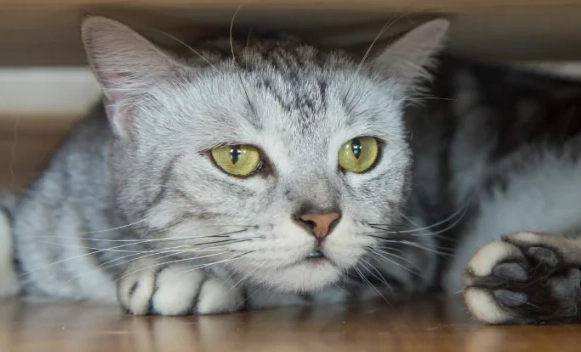
Buying from a Reputable Breeder
If you want a pedigreed American Shorthair kitten with papers tracing its lineage back to the foundation cats, you're looking at a breeder. Prices aren't set by a central authority but by the market and the breeder's investment.
- Typical Range: $800 to $1,500. This is your most common bracket for a pet-quality kitten (spayed/neutered before going home).
- What Drives the High End ($1,500 - $2,500+): Show-quality kittens from champion bloodlines, rare or highly desired colors like silver tabby, and breeders in high-cost metropolitan areas. A breeder who does advanced genetic health screening (e.g., for Hypertrophic Cardiomyopathy) will also charge more to offset those costs.
- The Breeder's Side: A good breeder isn't making a profit. The fee covers prenatal care for the queen, kitten vet checks (3-4 visits), first vaccines, deworming, high-quality food, microchipping, and the immense time cost of socializing kittens. Reputable breeders registered with The International Cat Association (TICA) or the Cat Fanciers' Association (CFA) adhere to strict ethics, which costs money.
I once visited a breeder in Ohio to understand their process. She showed me her spreadsheet for a single litter. After vet bills, premium food, and registration fees, her "profit" per kitten was under $200. For the thousands of hours of work? It's a labor of love.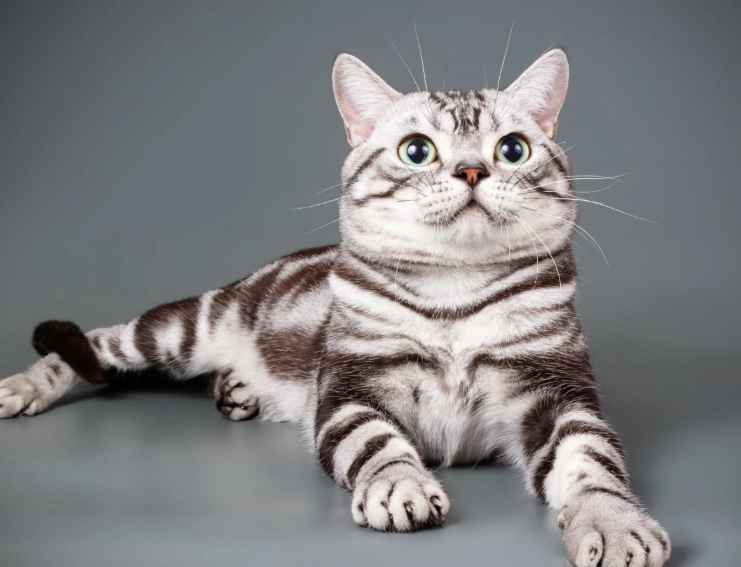
Adopting from a Shelter or Rescue
This is where the American Shorthair's popularity works in your favor. Because they are common, their mixes frequently end up in shelters. You can also find purebred American Shorthairs through breed-specific rescues.
- Shelter Adoption Fee: $75 to $200. This almost always includes spay/neuter, initial vaccines, a microchip, and a basic health check. It's arguably the best value in pet acquisition.
- Breed-Specific Rescue Fee: $150 to $300. Rescues like those affiliated with the American Shorthair Cat Club often take in purebreds from owner surrenders. Their fees are higher because they frequently address dental issues, treat minor ailments, and provide foster care.
A friend of mine adopted a stunning brown tabby American Shorthair mix for $125 from a city shelter. The cat was three years old, already litter-trained, and had a calm temperament—saving him the chaotic kitten phase and about $1,000 upfront.
First-Year Startup Costs You Can't Avoid
The cat is free or paid for. Now you need to get your home ready. First-year costs are always higher.
| Item | Estimated Cost (One-Time or Annual) | Notes & Tips |
|---|---|---|
| Initial Vet Visit & Setup | $100 - $250 | Even if adopted, a wellness check within 2 weeks is wise. Covers exam, fecal test, possibly booster shots. |
| Spay/Neuter | $200 - $500 | If not already done. Low-cost clinics offer it for $50-$150. |
| Essential Supplies Starter Kit | $200 - $400 | Litter box (get a big one!), scratching posts (multiple!), carrier, bowls, brush, nail clippers, toys, bed. |
| Microchip | $45 - $60 | One-time fee for implantation. Annual registration may cost extra. |
| High-Quality Food (First Year) | $300 - $600 | Kittens eat more! A $30 bag of good dry food lasts a kitten 3-4 weeks. |
| Litter (First Year) | $150 - $300 | Clumping, unscented is most popular. One cat goes through 15-20 lbs per month. |
| Pet Insurance (Optional) | $250 - $500 (annual) | Cheaper to start when young. Can save thousands later. A must for peace of mind. |
That initial supply run at the pet store is a shock. You think you're just getting a litter box and some food, but suddenly you're at the register with a $300 receipt. My advice? Buy the scratching post *first*. A good, tall, sturdy sisal post is a $40 investment that saves your $2,000 sofa. It's non-negotiable.
The Lifetime Cost of Ownership
This is where "Are American Shorthair cats expensive?" gets real. Forget the purchase price. The real money is in the daily, monthly, and yearly upkeep over a lifespan that can easily reach 15-20 years.
The Predictable Monthly & Annual Budget
Think of this as the subscription cost of cat ownership.
- High-Quality Food (Adult): $40 - $80 per month. I feed a mix of wet and dry. The wet food is for hydration (crucial for urinary health), the dry is for convenience and dental crunch. Don't cheap out here. Poor diet leads to expensive vet bills.
- Litter: $20 - $40 per month.
- Annual Wellness Visit: $150 - $300. Includes exam, core vaccines (FVRCP, rabies), and may include a blood panel for seniors.
- Parasite Prevention: $100 - $200 per year. Flea, tick, and heartworm meds. Yes, indoor cats need this too.
- Toys & Treats & Misc.: $10 - $30 per month.
So, just for basics, you're looking at $1,000 to $2,000 per year, or roughly $80 to $170 per month. That's before anything goes wrong.
The Unpredictable: Emergency and Senior Care
Here's the expert point most guides gloss over: the single biggest financial risk isn't the routine cost—it's the emergency. American Shorthairs are generally healthy, but they are not immune.
- Common Issues: Dental disease (a $300-$900 cleaning under anesthesia), obesity-related problems, urinary tract issues, or the occasional injury from a misguided jump.
- Major Emergency: A foreign body ingestion (cat eats a string), a sudden severe illness like pancreatitis, or a traumatic injury. Bills can hit $2,000 to $5,000 in a weekend.
- Senior Years (10+): Arthritis medication, more frequent bloodwork ($200-$400), special kidney or thyroid diets, subcutaneous fluids. These are gradual but significant adds.
A common mistake new owners make is budgeting for food and litter but having zero plan for medical emergencies. You need a dedicated savings fund of at least $1,500-$3,000, or you need pet insurance from day one. I've seen too many heartbreaking GoFundMe campaigns for treatable conditions because the owner wasn't prepared.
Cost Comparison: American Shorthair vs. Other Breeds
Is the American Shorthair more expensive than a Siamese or a Maine Coon? Usually not.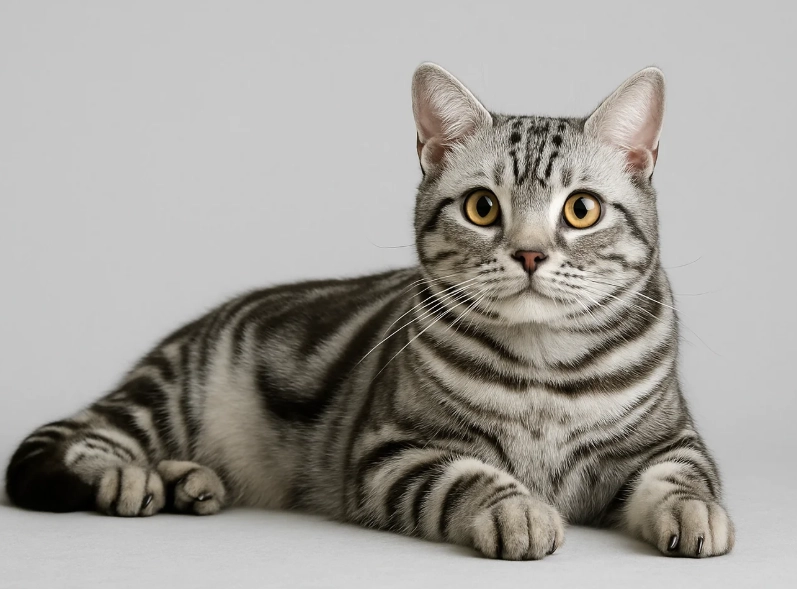
Their initial cost is often lower than more exotic or high-demand breeds. Where they truly shine is in potential long-term cost savings. Their robust genetic diversity (they were working cats, after all) means fewer severe, breed-specific hereditary disorders that plague some purebreds. You're less likely to face the $5,000 heart surgery common in some breeds or the chronic respiratory issues of flat-faced cats.
Think of it this way: a higher upfront cost for a rarer breed is just the first payment. The American Shorthair's value is in its relative durability and lower risk of catastrophic, breed-specific health bills.
How to Save Money on an American Shorthair Cat
Want a wonderful cat without financial stress? Here's the strategy.
1. Adopt, Don't Shop (Seriously). This is the single biggest cost saver, turning a $1,200 expense into a $150 one. You get a vaccinated, fixed pet and save a life.
2. Invest in Preventative Care. That annual $200 vet check is cheaper than treating advanced diabetes. Brushing their teeth at home (yes, really) can postpone a $700 dental cleaning. Good food prevents obesity and its many costly consequences.
3. Buy Supplies Smartly. Scratching posts from a carpet remnant and a sturdy post. Litter in bulk from online retailers. Toys? A cardboard box and a wand toy are all they need.
4. Get Pet Insurance Early. For a young, healthy American Shorthair, a good accident/illness plan can be under $30/month. Lock in that rate when they're a kitten.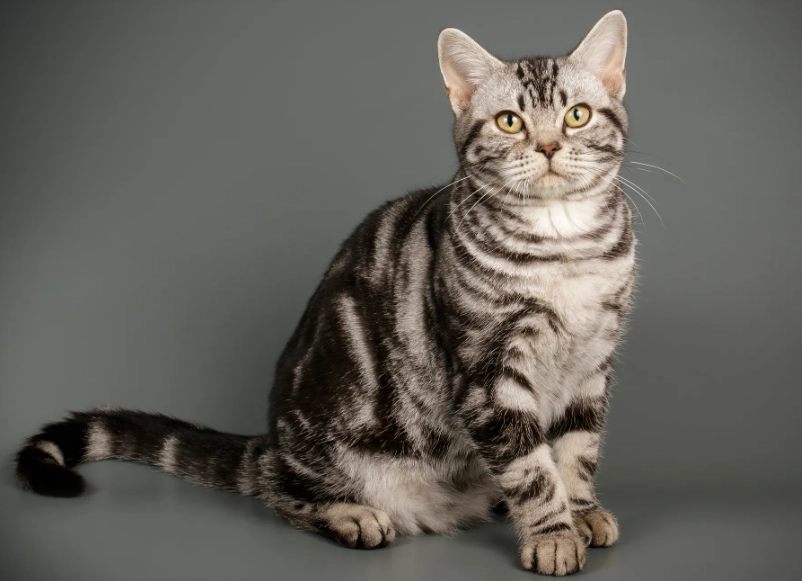
Your American Shorthair Cost Questions Answered
So, are American Shorthair cats expensive? The initial price can be modest, especially through adoption. The true cost is the long-term commitment of time, love, and a realistic budget for their care over a lifetime. They aren't a luxury item with a one-time price tag; they're a family member with ongoing needs. If you budget smartly—prioritizing adoption, preventative healthcare, and an emergency fund—you can afford to give one of these fantastic cats a wonderful home without breaking the bank. The joy they bring is worth every carefully planned penny.